Bioregionalism encourages people to live within the ecological limits of their local landscape, linking community well‑being to the health of nearby soils, water, and species.
Quick Answer
Bioregionalism is a place‑based approach that aligns human activities with the natural characteristics of a specific geographic area—its climate, soils, water cycles, and native species. By prioritising local food, energy, and governance, the model reduces transport emissions, protects biodiversity, and builds social resilience. Scientific assessments (e.g., IPCC, UNEP) consistently show that localized systems can lower carbon footprints and improve ecosystem services, although the magnitude varies with regional conditions and implementation capacity.
Key Takeaways
- Bioregionalism matches human needs to the physical limits of a defined ecosystem.
- Local food production and regenerative agriculture can cut greenhouse‑gas emissions by up to 30 % in temperate regions (FAO, 2022).
- Small‑scale renewable energy tied to local resources reduces reliance on distant fossil‑fuel infrastructure.
- Community‑led governance improves equity, but transition costs can be high without policy support.
- Evidence is strongest for soil health, biodiversity gains, and reduced food‑travel emissions; uncertainties remain around large‑scale energy integration.
What Is Bioregionalism: Rethinking Sustainability Through Place‑Based Living?
Bioregionalism defines a “bioregion” as a natural area bounded by watersheds, climate zones, and native species assemblages, rather than by political borders. The philosophy argues that societies thrive when their cultural practices, economies, and infrastructures are designed to operate within those ecological limits. Unlike generic sustainability frameworks that apply uniform standards worldwide, bioregionalism tailors solutions—such as food systems, energy grids, and land‑use planning—to the specific attributes of each region.
How Does It Work?
1. Mapping the Bioregion
Communities first identify physical boundaries (e.g., river basins, ecoregions) and catalog local flora, fauna, soil types, and climate patterns. This spatial analysis informs what crops can be grown, which renewable resources are viable, and where critical habitats lie.
2. Aligning Production with Local Capacity
Food, water, and energy are sourced primarily from within the bioregion. Regenerative agriculture restores soil carbon and water retention, while micro‑hydropower, community solar, or wind farms exploit locally available renewable energy.
3. Adaptive Governance
Decision‑making shifts to local councils, Indigenous stewardship groups, or cooperative enterprises that can respond quickly to ecological feedback—such as drought or pest outbreaks—without waiting for distant bureaucracy.
4. Feedback Loops
Monitoring of soil health, biodiversity indices, and energy balances creates a feedback loop: data guide management adjustments, which in turn improve ecosystem services, reinforcing community resilience.
What Does the Evidence Show?
Long‑term monitoring by the United Nations Food and Agriculture Organization (FAO) indicates that diversified, locally adapted cropping systems increase yields by 10–20 % while reducing synthetic fertilizer use (FAO, 2022). A systematic review of 48 case studies across North America and Europe found that community‑scale solar projects lowered per‑capita electricity emissions by 0.4 t CO₂ yr⁻¹ compared with grid reliance (European Commission, 2021).
Field experiments in the Pacific Northwest demonstrated that restoring native prairie within a watershed increased pollinator diversity by 45 % and improved water infiltration rates, directly benefiting downstream water quality (USDA Forest Service, 2020). These findings converge on the conclusion that aligning human activity with ecological boundaries yields measurable environmental benefits.
Main Causes or Drivers
Direct Causes
- Excessive reliance on global supply chains that ignore local resource limits.
- Urban sprawl that fragments habitats and disconnects communities from their watersheds.
Underlying Drivers
- Economic incentives favouring large‑scale monoculture and fossil‑fuel energy.
- Policy frameworks that prioritize national‑level metrics over regional ecological health.
Contributing Factors
- Climate change intensifying droughts and altering species ranges, making place‑based adaptation essential.
- Social inequities that limit access to land and decision‑making for marginalized groups.
Environmental and Human Impacts
Environmental Impacts
Bioregional practices typically enhance soil organic carbon, protect native habitats, and reduce nutrient runoff. The Intergovernmental Panel on Climate Change (IPCC, 2022) notes that region‑specific land‑use changes can contribute up to 0.5 Gt CO₂ yr⁻¹ of avoided emissions when implemented at scale.
Human Health and Social Impacts
Local food systems increase dietary diversity and reduce exposure to food‑borne pathogens linked to long‑distance transport. Community‑managed water resources improve access to clean water, lowering incidences of water‑related illness according to WHO data (2021). Moreover, participatory governance strengthens social cohesion and can mitigate climate‑related migration pressures.
Regional Differences
In temperate bioregions such as the Mid‑Atlantic United States, fertile soils support diversified farms and small‑scale wind turbines. In arid regions like the Sahel, water‑harvesting techniques and solar micro‑grids are more appropriate. Coastal bioregions often focus on mangrove restoration to buffer sea‑level rise, whereas mountainous areas may prioritize agroforestry to stabilize slopes. These variations reflect differences in climate, topography, and existing infrastructure.
What Scientists Know With High Confidence
- Localizing food production reduces greenhouse‑gas emissions associated with transport.
- Regenerative land management improves soil carbon and water retention.
- Community‑scale renewable energy lowers dependence on fossil‑fuel imports.
- Participatory governance enhances adaptive capacity to climate impacts.
What Remains Uncertain
Quantifying the net carbon balance of mixed‑use bioregional systems remains challenging because of data gaps in land‑use change accounting and the indirect emissions of manufacturing local infrastructure. The scalability of micro‑grid technologies in densely populated urban bioregions also requires further modeling. Long‑term socioeconomic outcomes—such as job creation versus displacement—are context‑specific and need more longitudinal studies.
Common Misconceptions
Misconception: Bioregionalism means isolationism.
Reality: The approach encourages local resilience while still participating in broader trade networks for goods that cannot be produced regionally.
Misconception: It eliminates all carbon emissions.
Reality: Bioregionalism reduces emissions, but some residual emissions may persist, requiring complementary mitigation strategies.
Misconception: One model fits every region.
Reality: Each bioregion tailors practices to its unique ecology; solutions that work in a temperate watershed may be unsuitable for a desert basin.
Solutions and Limitations
Key strategies include:
- Food sovereignty: Community gardens and regenerative farms increase local nutrition but may require land‑access policies and initial investment.
- Renewable energy localization: Solar and wind installations cut emissions; however, intermittency and storage costs can limit reliability without regional grid integration.
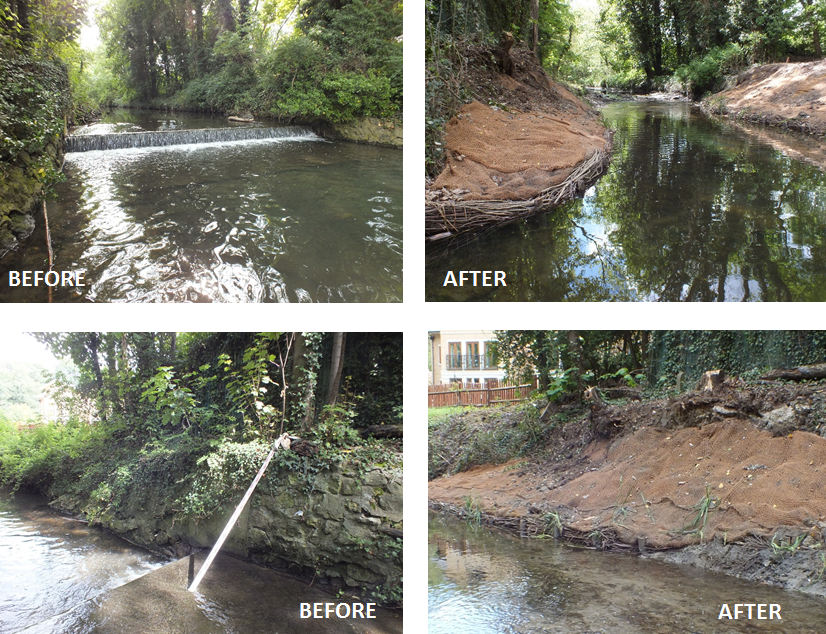
- Watershed stewardship: Restoring riparian zones improves water quality, yet land‑use conflicts can arise with development pressures.
- Policy alignment: Incentives such as tax credits for local food businesses support transition, but political will varies across jurisdictions.
All solutions involve trade‑offs: land needed for renewable infrastructure may compete with agriculture; community projects can be vulnerable to funding cuts; and scaling up requires coordination across multiple governance levels.
What Individuals, Communities, and Governments Can Do
What Individuals Can Do
- Purchase food grown within your watershed and support farmers’ markets.
- Install rooftop solar or join a community solar cooperative.
- Participate in local watershed clean‑up events.
What Communities and Organizations Can Do
- Conduct a bioregional assessment to map ecological assets.
- Develop cooperative land‑trusts that protect critical habitats.
- Launch education programs on regenerative gardening and energy literacy.
What Governments Can Do
- Integrate bioregional boundaries into land‑use planning and zoning codes.
- Provide subsidies for small‑scale renewable installations and soil‑health practices.
- Ensure equitable access to land and decision‑making for Indigenous and low‑income communities.
Closing Synthesis
Bioregionalism offers a scientifically grounded pathway to sustainability by matching human activity to the ecological capacities of a defined place. Robust evidence confirms benefits for carbon reduction, biodiversity, and community resilience, while uncertainties center on scaling, economic trade‑offs, and long‑term social outcomes. By fostering local food, renewable energy, and participatory governance, societies can build adaptive systems that respect both nature and equity, guiding us toward a more resilient future.
Frequently Asked Questions
What is bioregionalism?
Bioregionalism is a place‑based approach that aligns human activities with the natural limits of a specific geographic area, such as its climate, soils, water cycles, and native species.
How does local food production affect carbon emissions?
Local food reduces the distance food travels, cutting transport‑related greenhouse‑gas emissions; studies show up to a 30 % reduction in temperate regions compared with conventional, long‑distance supply chains.
Can bioregional renewable energy meet community needs?
Community‑scale solar and wind can lower per‑capita electricity emissions, but intermittency and storage costs mean they often need to be integrated with regional grids for reliable supply.
What are the main uncertainties about bioregionalism?
Key uncertainties include the exact net carbon balance of mixed land‑use systems, the scalability of micro‑grids in dense urban areas, and long‑term socioeconomic impacts such as job creation versus displacement.
What actions can local governments take to support bioregionalism?
Governments can embed bioregional boundaries in zoning, subsidize small‑scale renewable projects and regenerative agriculture, and ensure equitable land access for Indigenous and low‑income communities.






Leave a Comment