North America has lost an estimated 2.9 billion birds since 1970, a decline driven by habitat conversion, climate change, pesticide exposure, and invasive species, with far‑reaching ecological and human consequences.
Quick Answer
Long‑term monitoring by the U.S. Geological Survey’s Breeding Bird Survey and BirdLife International’s Christmas Bird Count estimates a cumulative loss of roughly 2.9 billion birds across the United States and Canada from 1970 to 2020. The primary mechanisms are large‑scale habitat loss, temperature‑driven mismatches in breeding cycles, widespread use of neonicotinoid and organophosphate pesticides, and predation by non‑native species. These drivers together reduce reproductive success and adult survival, leading to measurable population declines. While the overall trend is robust, regional variations and future pathways under different climate scenarios retain moderate uncertainty.
Key Takeaways
- Habitat conversion to agriculture and urban land accounts for the largest share of bird losses.
- Warmer springs cause phenological mismatches that lower breeding success in many migratory species.
- Pesticide residues in insects and seeds reduce hatchability and immune function.
- Invasive predators such as feral cats and competing plant species add additional mortality pressure.
- Conservation actions that protect corridors, reduce chemical use, and engage citizen scientists show measurable benefits.
What Is North America Has Lost 2.9 Billion Birds Since 1970—Here’s Why?
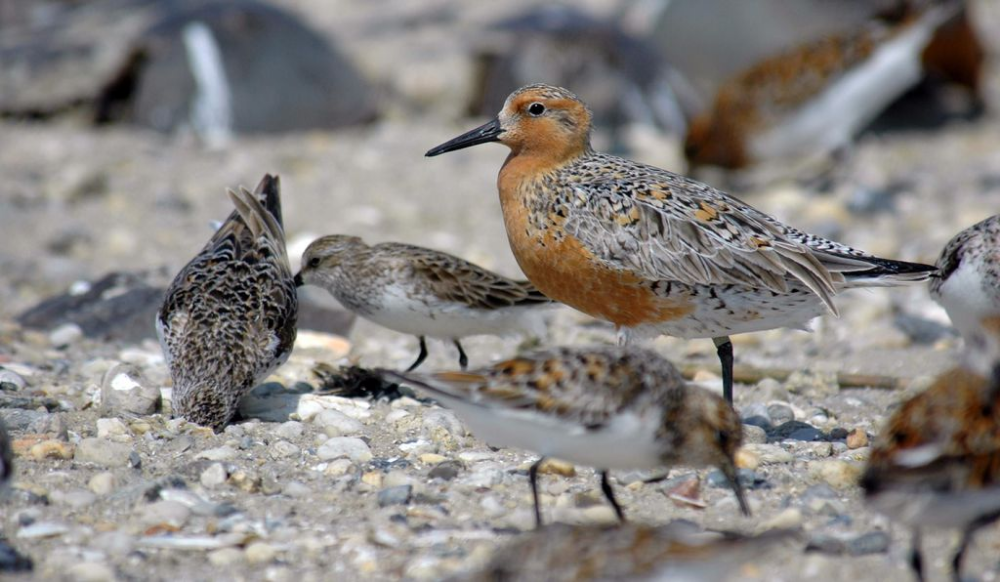
The phrase refers to a continent‑wide assessment of avian population trends derived from two of the world’s longest citizen‑science programs: the Breeding Bird Survey (BBS) and the Christmas Bird Count (CBC). Researchers adjust raw counts for observer effort, geographic coverage, and detection probability, then aggregate the data to estimate total abundance change. The resulting figure—approximately 2.9 billion individuals fewer than in 1970—covers all major taxonomic groups (songbirds, waterfowl, raptors, shorebirds) and reflects both breeding‑season and winter‑season populations.
How Does It Work?
1. Habitat Alteration
Urban expansion, intensive row‑crop agriculture, and timber harvesting replace native forests, grasslands, and wetlands with monocultures or built environments. This removes nesting sites, perches, and foraging resources that many species rely on.

2. Climate‑Driven Phenology
Increasing spring temperatures cause insects and plants to emerge earlier, while many birds retain historic migration timing. The resulting food gap reduces chick growth and survival.
3. Chemical Exposure
Neonicotinoid and organophosphate pesticides accumulate in insects and seeds. Birds that consume these prey experience lower hatchability, impaired immunity, and reduced reproductive output.
4. Invasive Pressures
Non‑native predators (e.g., feral cats, European starlings) and invasive plants that outcompete native seed sources increase mortality and diminish habitat quality.
5. Population Decline
The combined stressors lower annual reproductive success and adult survival, leading to a net decline that long‑term surveys record as a reduction in total abundance.
What Does the Evidence Show?
Multiple independent data streams converge on the same conclusion. The BBS reports a 29 % decline in total bird abundance across the United States and Canada between 1970 and 2020 (U.S. Geological Survey, 2022). The CBC shows a comparable 31 % drop in wintering populations (BirdLife International, 2021). Meta‑analyses of habitat‑loss impacts indicate that each 10 % reduction in native cover correlates with a 6 % decline in bird abundance (Nature Communications, 2020). Climate‑attribution studies published by the Intergovernmental Panel on Climate Change link earlier phenology to reduced breeding success in temperate migrants. Toxicology research demonstrates that sub‑lethal pesticide exposure lowers chick survival by 15–20 % in several songbird species (Science, 2019). Together, these observations provide strong, cross‑validated evidence of a continent‑wide decline.
Main Causes or Drivers
Direct Causes
- Conversion of forests, wetlands, and prairies to cropland or suburban development.
- Elevated concentrations of neonicotinoid and organophosphate pesticides in agricultural runoff.
- Predation by feral cats, raccoons, and introduced bird species.
Underlying Drivers
- Economic incentives that favor high‑yield monocultures and low‑density housing.
- Global greenhouse‑gas emissions that raise regional temperatures and alter precipitation patterns.
- International trade and pet‑industry pathways that facilitate invasive species introductions.
Environmental and Human Impacts
Environmental Impacts
Birds provide ecosystem services such as insect pest regulation, pollination, and seed dispersal. Declines in insectivorous birds have been linked to higher crop‑pest pressure, potentially increasing pesticide use—a feedback loop that further harms wildlife. Loss of seed‑dispersing birds can slow forest regeneration, reducing carbon‑sequestration capacity and altering landscape resilience.
Human Health and Social Impacts
Reduced natural pest control may lead to greater pesticide applications, raising exposure risks for farmworkers and nearby residents. Fewer bird sightings diminish opportunities for nature‑based recreation, which studies associate with mental‑health benefits. Indigenous communities that rely on traditional bird hunting for cultural practices also experience cultural erosion.
Regional Differences
Patterns of loss vary across North America:
- Pacific Northwest: Extensive wetland drainage contributes disproportionately to waterfowl declines.
- Great Plains: Conversion of native grasslands to row‑crop agriculture drives steep declines in sparrows and meadowlarks.
- Gulf Coast: Sea‑level rise threatens shorebird stopover habitats, compounding habitat loss.
- Northeast: Urban sprawl fragments forest patches, affecting cavity‑nesting species such as woodpeckers.
These regional examples illustrate how local land‑use histories intersect with broader climate trends.
What Scientists Know With High Confidence
- Bird populations have declined markedly across North America since 1970, as measured by multiple long‑term surveys.
- Habitat loss is the strongest predictor of population decline for most species.
- Climate‑induced phenological mismatches reduce breeding success in many migratory birds.
- Pesticide exposure negatively affects reproductive output and survival in several studied species.
What Remains Uncertain
Key uncertainties include the precise future trajectories of bird populations under different climate‑change scenarios, the degree to which emerging agricultural practices (e.g., precision farming) will mitigate pesticide impacts, and the completeness of monitoring for cryptic or low‑density species. Data gaps also exist in quantifying indirect effects such as altered predator‑prey dynamics within changing ecosystems.
Common Misconceptions
Misconception: The decline is limited to a few charismatic species.
Reality: The loss spans dozens of taxonomic groups, including songbirds, waterfowl, raptors, and shorebirds, indicating a systemic issue.
Misconception: Climate change alone explains the loss.
Reality: While warming temperatures are a major factor, habitat conversion and chemical exposure contribute comparable or larger effects in many regions.
Misconception: Individual bird‑watchers cannot make a difference.
Reality: Citizen‑science data from the BBS and CBC form the backbone of the population estimates; increased participation improves trend detection and informs targeted conservation.
Solutions and Limitations
Effective responses must address multiple stressors simultaneously:
- Habitat protection and restoration: Expanding protected‑area networks that include migration corridors can halt further loss, but requires sustained funding and political support.
- Climate mitigation: Reducing greenhouse‑gas emissions limits temperature‑driven phenological mismatches, yet benefits may be realized over decades.
- Pesticide reform: Transitioning to integrated pest‑management and reducing neonicotinoid use lowers exposure, but adoption varies among growers and may affect short‑term yields.
- Invasive‑species management: Cat curfews and targeted removal of invasive predators reduce predation pressure, though enforcement can be uneven and may face cultural resistance.
- Monitoring and citizen science: Strengthening long‑term surveys improves detection of emerging trends, but requires volunteer recruitment and data‑quality assurance.
What Individuals, Communities, and Governments Can Do
What Individuals Can Do
- Participate in citizen‑science programs such as the Breeding Bird Survey or eBird.
- Plant native shrubs, trees, and wildflowers to provide food and nesting sites.
- Install bird boxes where appropriate and keep cats indoors or supervised.
- Choose organic or low‑pesticide produce when possible, reducing overall chemical demand.
What Communities and Organizations Can Do
- Develop and maintain green corridors that link fragmented habitats.
- Adopt municipal policies that limit night‑time lighting near key roosting sites.
- Engage schools in habitat‑restoration projects to build stewardship.
- Support local land trusts that acquire and protect critical bird habitats.
What Governments Can Do
- Strengthen and enforce the Migratory Bird Treaty Act and related habitat‑protection regulations.
- Provide financial incentives for farmers to adopt conservation tillage, cover cropping, and buffer strips.
- Invest in long‑term monitoring infrastructure and open‑data platforms.
- Set science‑based limits on pesticide registrations and promote safer alternatives.
Closing Synthesis
The estimated loss of 2.9 billion birds since 1970 reflects a convergence of habitat loss, climate disruption, pesticide exposure, and invasive species. High‑confidence evidence confirms that these drivers are interlinked and together erode avian populations, with cascading effects on ecosystem services and human well‑being. While uncertainties remain about regional nuances and future trajectories, the path forward is clear: protect and restore habitats, curb greenhouse‑gas emissions, reduce reliance on hazardous chemicals, and manage invasive threats. Coordinated action across individuals, communities, and governments offers the best chance to halt and reverse the decline, preserving both biodiversity and the benefits birds provide to society.
Frequently Asked Questions
What does the estimate of 2.9 billion birds lost since 1970 represent?
It represents the cumulative reduction in total bird abundance across the United States and Canada, as calculated from long‑term citizen‑science surveys (the Breeding Bird Survey and Christmas Bird Count) that adjust for effort and detection.
How do habitat loss and climate change each affect bird populations?
Habitat loss removes nesting sites and food resources, directly reducing numbers. Climate change alters the timing of insect emergence and plant flowering, creating mismatches between food availability and breeding periods that lower reproductive success.
Why are neonicotinoid and organophosphate pesticides harmful to birds?
These chemicals accumulate in insects and seeds that birds eat, leading to sub‑lethal effects such as reduced hatchability, impaired immune function, and lower chick survival, which together lower overall population growth.
What are the most effective actions individuals can take to help birds?
Joining citizen‑science programs, planting native vegetation, providing nesting boxes, keeping cats indoors, and choosing low‑pesticide or organic foods are evidence‑based steps that improve habitat quality and reduce chemical exposure.
How reliable are the bird population estimates used in the article?
The estimates are based on two of the longest continuous monitoring programs worldwide, with adjustments for observer effort and detection probability, giving them strong statistical confidence despite some regional data gaps.







Leave a Comment