

Biochar technology converts organic waste into a stable carbon-rich material that improves soils, sequesters carbon, and offers diverse environmental benefits, as explained by the Biochar Academy.
Quick Answer
Biochar is a porous, charcoal‑like product created by heating biomass in low‑oxygen conditions (pyrolysis). Its high surface area captures nutrients and stores carbon for centuries, enhancing soil health while reducing atmospheric CO₂. Scientific reviews find that, when applied appropriately, biochar can increase crop yields by up to 20 % and sequester roughly 0.8–1.5 t CO₂ per tonne of feedstock, though effectiveness varies with feedstock, climate, and management. The technology thus offers a climate‑mitigation and soil‑restoration tool, but uncertainties remain about long‑term field performance and large‑scale economics.
Key Takeaways
- Biochar is produced by pyrolyzing organic residues, creating a stable carbon form that can persist in soils for centuries.
- Its porous structure retains nutrients, improves water holding capacity, and provides habitat for beneficial microbes.
- Field trials and systematic reviews show consistent yields gains and measurable carbon sequestration, though results depend on local conditions.
- Beyond agriculture, biochar can treat waste, remediate contaminated sites, and contribute to carbon‑credit markets.
- Scaling biochar faces challenges such as feedstock logistics, production costs, and limited long‑term monitoring data.
What Is Biochar Technology and Its Applications: Insights From the Biochar Academy?
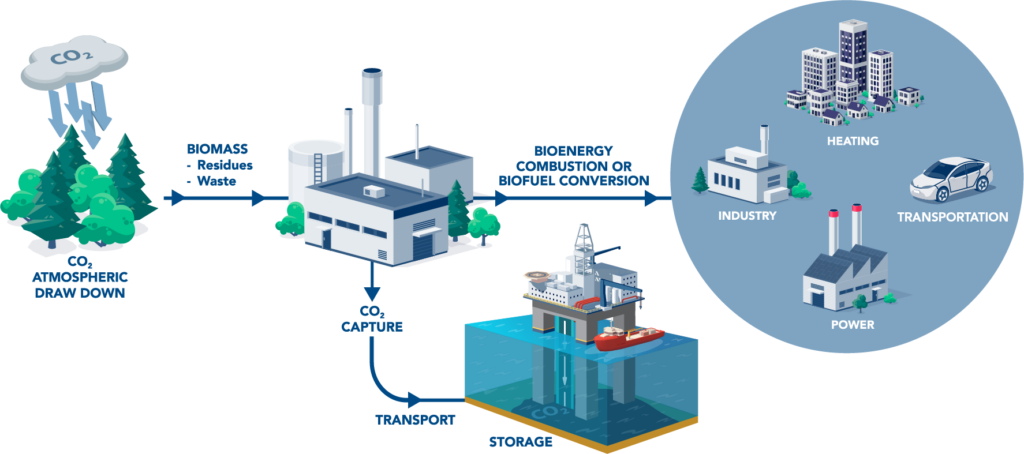
Biochar technology encompasses the entire lifecycle of converting biomass—agricultural residues, forestry by‑products, or urban organic waste—into a carbon‑rich amendment via pyrolysis, and then applying that amendment to soils, water systems, or engineered projects. The Biochar Academy, an educational platform, curates research, case studies, and best‑practice guidelines to help practitioners understand how biochar functions, where it can be used, and what limitations exist. Unlike traditional charcoal, biochar is intentionally designed for environmental outcomes, emphasizing stability, nutrient‑holding capacity, and minimal emissions during production.
How Does It Work?
1. Pyrolysis – the core transformation
Biomass is heated to temperatures between 350 °C and 700 °C in an oxygen‑restricted environment. This thermochemical reaction drives off volatile compounds as gases and liquids, leaving behind a carbon‑rich solid. The resulting material retains up to 70 % of the original carbon, which becomes chemically stable and resistant to microbial decomposition.
2. Physical and chemical properties that matter
The rapid heating creates a network of micro‑pores, giving biochar a surface area often exceeding 200 m² g⁻¹. Surface functional groups (e.g., carboxyl, phenolic) attract cations such as potassium, calcium, and ammonium, while the pore network stores water and provides refuge for soil microbes.
3. Integration into soils or other media
When mixed into the top 10–30 cm of soil, biochar acts as a slow‑release nutrient reservoir, reduces leaching of nitrogen and phosphorus, and raises pH in acidic soils. In engineered settings, biochar can line landfill leachate ponds or be blended into construction materials to capture pollutants.
What Does the Evidence Show?
Systematic reviews (e.g., Lehmann & Joseph, 2015) that synthesize hundreds of field experiments report that biochar typically increases crop yields by 5–20 % in nutrient‑poor soils, while having neutral or modestly positive effects in fertile soils. Long‑term monitoring in the United Kingdom and Brazil demonstrates that biochar carbon remains stable for at least 30 years, supporting the claim that it can serve as a durable carbon sink. Meta‑analyses also find that biochar reduces greenhouse‑gas emissions from soils, particularly nitrous oxide, by 10–30 % under many management regimes.
Main Causes or Drivers
Feedstock availability
Abundant agricultural residues (e.g., corn stover, rice husks) and urban organic waste provide the raw material needed for large‑scale biochar production.
Policy and market incentives
Carbon‑credit schemes and renewable‑energy subsidies in the European Union and parts of North America motivate investment in pyrolysis facilities.
Soil degradation pressures
Declining soil organic matter, nutrient leaching, and water‑stress in many regions create demand for amendments that can restore productivity.
Environmental and Human Impacts
Environmental Impacts
- Carbon sequestration: Stable carbon in biochar reduces net CO₂ emissions, contributing to climate‑mitigation pathways.
- Soil health: Improved water retention and nutrient use efficiency can lower irrigation needs and fertilizer applications.
- Pollutant adsorption: Biochar’s surface binds heavy metals (e.g., lead, cadmium) and organic contaminants, limiting groundwater contamination.
Human Health and Social Impacts
Reduced fertilizer use lessens runoff that can cause algal blooms and associated water‑quality issues, benefiting downstream communities. In rural areas, small‑scale biochar projects can generate modest income through waste‑to‑energy streams, though benefits depend on market access and technical support.
Regional Differences
In temperate regions such as the Midwestern United States, biochar is often produced from corn stover and applied to corn‑soybean rotations, where it improves nitrogen retention. In tropical Africa, where soils are highly acidic and low in phosphorus, biochar derived from mango pits or coffee husks has shown notable yield improvements for maize and beans. Asian megacities experiment with municipal green waste biochar to reduce landfill volume, while Scandinavian pilots focus on forestry residues to address both carbon accounting and soil fertility in boreal forests.
What Scientists Know With High Confidence
- Biochar is chemically stable and can retain most of its carbon for centuries under typical soil conditions.
- Its porous structure reliably increases water‑holding capacity and nutrient adsorption in a wide range of soil types.
- Field evidence consistently shows reductions in nitrous‑oxide emissions from soils amended with biochar.
- When produced from sustainable feedstocks, biochar generation can have a net negative carbon balance.
What Remains Uncertain
Key knowledge gaps include the long‑term behavior of biochar in diverse climates, the optimal application rates for different crops, and the economic viability of large‑scale pyrolysis when feedstock collection costs are high. Uncertainty also surrounds how biochar interacts with soil microbes over decades and whether unintended consequences, such as the release of poly‑cyclic aromatic hydrocarbons from low‑temperature pyrolysis, could offset benefits in some contexts.
Common Misconceptions
Misconception: Biochar eliminates the need for fertilizers
Reality: Biochar improves nutrient retention but does not replace the nutrients themselves; balanced fertilization remains essential for most cropping systems.
Misconception: All biochar is the same
Reality: Feedstock type, pyrolysis temperature, and residence time produce biochars with markedly different surface chemistry and effectiveness.
Misconception: Biochar instantly locks carbon away forever
Reality: While biochar is highly stable, a small fraction can oxidize over decades, and the permanence depends on soil conditions and biochar quality.
Misconception: Biochar can be applied at any rate
Reality: Excessive application may raise soil pH too much or create physical barriers to root growth; recommended rates typically range from 5 to 20 t ha⁻¹.
Solutions and Limitations
Biochar fits within a suite of nature‑based solutions. As a mitigation tool, it directly stores carbon and reduces fertilizer‑related emissions. As a restoration technique, it remediates contaminated sites and improves degraded soils. However, production requires energy; if the heat source is fossil‑fuel‑based, net carbon benefits shrink. Feedstock logistics can be costly, especially in low‑density rural areas. Moreover, the current evidence base is strongest for short‑ to medium‑term field trials; scaling to gigatonne levels demands more long‑term monitoring.
What Individuals, Communities, and Governments Can Do
What Individuals Can Do
- Support local composting programs that separate organic waste for potential biochar production.
- Consider using commercially available biochar as a soil amendment for home gardens, following label‑recommended rates.
- Advocate for municipal policies that fund small‑scale pyrolysis units.
What Communities and Organizations Can Do
- Partner with agricultural cooperatives to collect crop residues and supply regional biochar facilities.
- Implement pilot projects that blend biochar into storm‑water retention basins to capture pollutants.
- Provide training workshops—similar to those offered by the Biochar Academy—to build local expertise.
What Governments Can Do
- Incorporate biochar into national carbon‑accounting frameworks, allowing verified sequestration credits.
- Offer subsidies or low‑interest loans for the construction of certified pyrolysis plants using renewable energy.
- Fund long‑term field monitoring networks to track biochar’s effects on soil carbon, productivity, and greenhouse‑gas fluxes.
Closing Synthesis
Biochar technology transforms waste into a durable carbon sink that simultaneously improves soil health, reduces nutrient losses, and can aid in contaminant remediation. High‑confidence science confirms its stability and nutrient‑retention benefits, while uncertainties about long‑term field performance and economic scalability remain. By aligning research, policy, and community action—guided by platforms such as the Biochar Academy—societies can harness biochar as a pragmatic tool in the broader portfolio of climate‑mitigation and land‑restoration strategies.
Frequently Asked Questions
What is biochar and how is it produced?
Biochar is a carbon‑rich, porous material made by heating organic matter (like crop residues or wood chips) in a low‑oxygen environment, a process called pyrolysis. The heat drives off gases and liquids, leaving a stable solid that can persist in soils for centuries.
How does biochar improve soil fertility?
Biochar’s high surface area and pore network retain water and adsorb nutrients such as nitrogen, phosphorus, and potassium. This reduces leaching, improves nutrient availability for plant roots, and provides habitat for beneficial microbes, often leading to higher crop yields.
Can biochar significantly reduce greenhouse‑gas emissions?
Scientific reviews indicate that biochar can cut nitrous‑oxide emissions from soils by 10–30 % and sequester roughly 0.8–1.5 tonnes of CO₂ per tonne of feedstock. The overall impact depends on feedstock, production energy source, and application practices.
What are the main limitations of using biochar at large scale?
Key limitations include the cost and logistics of collecting and transporting feedstock, the energy required for pyrolysis (especially if fossil fuels are used), variability in biochar quality, and limited long‑term field data to guide optimal application rates.
How can communities incorporate biochar into waste management?
Communities can set up collection schemes for organic waste (e.g., food scraps, yard debris) and partner with local pyrolysis facilities to convert that waste into biochar. The resulting product can then be used in municipal landscaping, storm‑water systems, or shared with local farmers.






Leave a Comment