
Biden’s proposed ban on hydraulic fracturing aims to cut greenhouse‑gas emissions and protect water resources, but its success depends on economic trade‑offs, regional realities, and the political climate.
Quick Answer
The Biden administration plans to prohibit new federal permits for hydraulic fracturing, a process that injects high‑pressure fluid to release oil and natural gas from shale formations. Scientific assessments show that fracking contributes significantly to methane emissions and can contaminate groundwater, so a ban would likely reduce climate forcing and improve water quality. However, the policy carries uncertainty regarding job losses in regions dependent on fossil‑fuel extraction and potential short‑term spikes in energy prices. The overall impact will hinge on how quickly renewable energy and retraining programs can replace lost economic activity.
Key Takeaways
- Fracking releases methane, a potent greenhouse gas, and can threaten groundwater quality.
- The ban targets new federal permits; existing state‑regulated wells may continue operating.
- Economic effects are likely to be uneven, with higher impacts in Appalachian and Texas shale regions.
- Transition strategies—renewable investment and workforce retraining—are essential to mitigate social costs.
- Internationally, the ban could strengthen U.S. credibility in climate negotiations.
What Is Biden’s Fracking Ban Explained: Climate Promise or Political Risk??
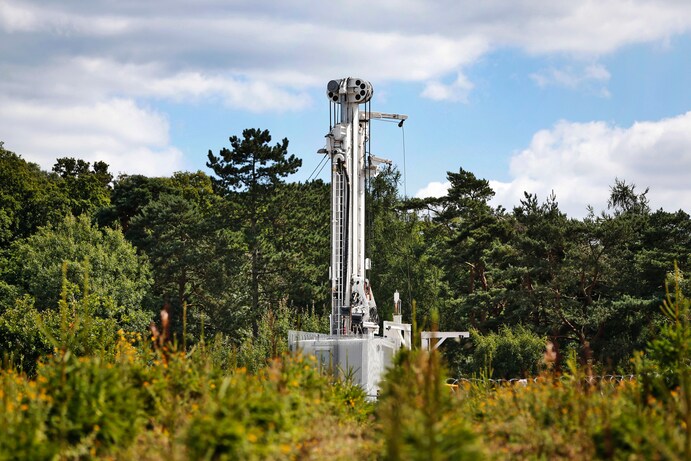
Hydraulic fracturing, commonly called fracking, is a drilling technique that uses a mixture of water, sand, and chemicals to crack rock formations and release trapped hydrocarbons. The Biden administration’s proposal would halt the issuance of new federal permits for fracking on public lands and waters, effectively ending expansion of the practice under federal jurisdiction. The ban does not automatically close existing wells, many of which are regulated by individual states. The policy is positioned as a climate‑mitigation measure, reflecting concerns about methane leakage, water contamination, and the long‑term sustainability of fossil‑fuel reliance.
How Does It Work?
Fracturing Process
- Drill a vertical wellbore down to the target shale formation.
- Insert a steel casing and cement to isolate the well.
- Inject a high‑pressure fluid (water, sand, chemicals) to create fractures.
- Sand holds the fractures open, allowing oil or gas to flow to the surface.
- Produced fluids are collected, treated, or disposed of, while hydrocarbons are captured.
Regulatory Pathway
Under current law, the Bureau of Land Management (BLM) and the Army Corps of Engineers issue permits for drilling on federal lands. The proposed rule would amend existing regulations to require a “no‑new‑frack” clause, effectively ending new federal projects while leaving state‑level permits unchanged.
What Does the Evidence Show?
Multiple lines of evidence converge on three core findings. First, the Intergovernmental Panel on Climate Change (IPCC) identifies methane from natural‑gas production as a major driver of short‑term warming, and fracking is a significant source of fugitive methane (IPCC, 2021). Second, peer‑reviewed studies in journals such as *Science* and *Environmental Science & Technology* document cases where fracking fluids have migrated into shallow aquifers, raising concerns about drinking‑water safety. Third, systematic reviews of life‑cycle analyses conclude that, even when replacing coal, natural‑gas electricity still emits more CO₂‑equivalent than wind or solar over a comparable lifespan (IEA, 2020). Together, these studies suggest that limiting new fracking operations would modestly reduce greenhouse‑gas emissions and lower water‑quality risks.
Main Causes or Drivers
Direct Causes
Fracking’s environmental footprint stems from the release of methane during extraction, the use of large water volumes, and the disposal of flowback fluids that contain chemicals and dissolved minerals.
Underlying Drivers
Economic incentives—high natural‑gas prices, tax credits, and private‑sector investment—have spurred rapid expansion of shale development since the early 2000s. At the same time, energy‑security concerns and the perception of natural gas as a “bridge fuel” have reinforced policy support for fracking.
Environmental and Human Impacts
Environmental Impacts
- Climate: Methane leakage rates of 1–3 % of total production can offset the CO₂ advantage of natural gas over coal (EPA, 2022).
- Water: Studies in Pennsylvania and West Virginia report detectable concentrations of fracking chemicals in nearby wells, indicating potential contamination pathways.
- Land: Well pads and access roads fragment habitats, especially in the Appalachian Plateau.
Human Health and Social Impacts
- Exposure to volatile organic compounds (VOCs) has been linked to respiratory irritation in communities near active sites.
- Economic dependence on fracking creates “resource‑cursed” dynamics in some rural counties, where job losses could exacerbate poverty if alternatives are not provided.
Economic and Infrastructure Impacts
- Short‑term reductions in natural‑gas supply could raise wholesale electricity prices by 2–5 % according to Energy Information Administration (EIA) modeling (2021).
- Investments in pipeline infrastructure may become stranded assets if production declines.
Regional Differences
In the Marcellus and Utica shales of the Northeast, communities are densely populated, so water‑quality concerns are more pronounced. In contrast, the Permian Basin of Texas features lower population density but higher economic reliance on oil and gas jobs. Internationally, the ban would signal a shift in U.S. policy that could influence export‑oriented shale projects in Canada and Argentina, though those remain under separate jurisdictions.
What Scientists Know With High Confidence
- Methane is a potent greenhouse gas with a global warming potential roughly 28‑36 times that of CO₂ over a 100‑year horizon (IPCC, 2021).
- Fracturing fluid can migrate into shallow groundwater under certain geological conditions (USGS, 2020).
- Renewable‑energy costs have fallen dramatically; solar PV and on‑shore wind are now cheaper than new natural‑gas plants in many U.S. markets (IEA, 2022).
What Remains Uncertain
Key uncertainties include the exact magnitude of methane leakage from existing wells, the speed at which renewable‑energy capacity can replace lost natural‑gas generation, and the socioeconomic outcomes for workers in heavily fracked regions. Better monitoring of fugitive emissions and longitudinal studies of community health would reduce these knowledge gaps.
Common Misconceptions
Misconception: Fracking is a clean bridge to a carbon‑free future.
Reality: While natural gas burns cleaner than coal, methane leaks during extraction and transport can negate much of that advantage, especially when leakage exceeds 1 % of production (EPA, 2022).
Misconception: The ban will eliminate all fracking in the United States.
Reality: The proposal applies only to new federal permits; state‑regulated wells can continue operating, and existing federal leases are not automatically cancelled.
Misconception: All communities near fracking sites experience health problems.
Reality: Health impacts vary with exposure levels, chemical composition of fluids, and baseline health status. Robust epidemiological evidence is strongest for respiratory irritation and certain VOC exposures, but causality for chronic diseases remains under study.
Solutions and Limitations
Effective responses combine mitigation, transition, and regulatory measures. Limiting new fracking permits can reduce future emissions, but without a just‑transition plan, workers may face unemployment. Renewable‑energy subsidies and grid upgrades can provide low‑carbon alternatives, yet the pace of deployment is constrained by supply‑chain bottlenecks. Water‑quality monitoring and stricter chemical‑ disclosure improve transparency, but enforcement can be uneven across jurisdictions.
What Individuals, Communities, and Governments Can Do
What Individuals Can Do
- Support local ballot measures that require stricter disclosure of fracking chemicals.
- Advocate for community‑based air‑quality monitoring programs.
- Choose electricity plans that source power from renewable utilities where available.
What Communities and Organizations Can Do
- Form coalitions to negotiate workforce‑retraining agreements with nearby colleges or technical schools.
- Partner with NGOs to conduct independent water testing and share results publicly.
- Develop local renewable‑energy projects that create jobs and reduce reliance on fossil‑fuel revenues.
What Governments Can Do
- Implement the federal ban on new permits while providing transition assistance funds to affected counties.
- Increase funding for methane‑detection technologies and require regular reporting from operators.
- Expand tax incentives for solar and wind installations, especially in regions with high unemployment from the energy sector.
Closing Synthesis
Biden’s fracking ban represents a climate‑oriented policy that could cut future methane emissions and protect vulnerable water resources. The scientific consensus affirms the climate and water risks of expanding fracking, while also recognizing that the transition will be uneven across regions. High‑confidence findings support the ban’s environmental rationale; remaining uncertainties revolve around economic adjustment and the scale of methane leakage from existing wells. By pairing the ban with robust renewable‑energy investment, workforce retraining, and stringent monitoring, the United States can move toward a lower‑carbon energy system without abandoning the livelihoods of communities that have depended on shale development.
Frequently Asked Questions
What is hydraulic fracturing and why is it controversial?
Hydraulic fracturing, or fracking, injects high‑pressure fluid into shale to release oil or gas. It is controversial because it can leak methane—a potent greenhouse gas—and may contaminate groundwater with chemicals.
How does the Biden administration plan to implement the fracking ban?
The administration intends to stop issuing new federal permits for fracking on public lands and waters. Existing state‑regulated wells and already‑approved federal leases would not be automatically shut down.
What are the main environmental benefits of banning new fracking permits?
A ban would likely reduce future methane emissions, lower the risk of groundwater contamination, and decrease habitat fragmentation associated with well‑pad development.
What economic challenges could arise from the ban?
Regions dependent on shale extraction could face job losses and reduced tax revenue. Energy prices might rise temporarily if natural‑gas supply contracts faster than renewable capacity expands.
What actions can communities take to support a just transition?
Communities can organize workforce‑retraining programs, fund local renewable‑energy projects, and partner with NGOs to monitor water quality and share data publicly.





Leave a Comment