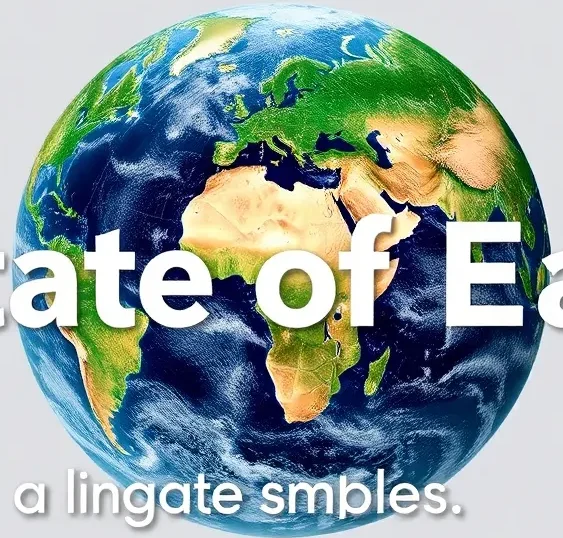

President Biden’s 30% conservation plan seeks to safeguard roughly 270 million acres of U.S. terrestrial and marine ecosystems by 2030, linking biodiversity protection, climate resilience, and public benefits.
Quick Answer
The administration’s 30 percent conservation target aims to protect about 270 million acres of land and sea through expanded national parks, wildlife refuges, marine sanctuaries, and voluntary easements on private property. By preserving carbon‑dense forests, flood‑mitigating wetlands, and biodiversity hotspots, the plan is expected to enhance climate mitigation, water quality, and species survival, while also providing recreation and cultural benefits. Scientific assessments indicate that protecting at least one‑third of habitats can markedly reduce extinction risk and increase carbon storage, although outcomes will depend on funding levels, implementation speed, and collaborative governance.
Key Takeaways
- Conserving 30 % of U.S. lands and waters could secure essential ecosystem services such as carbon sequestration, clean water, and pollination.
- The plan expands federal protected areas, integrates Indigenous co‑management, and incentivizes private‑land stewardship.
- High‑confidence science links large‑scale habitat protection to reduced species extinction and measurable climate mitigation.
- Uncertainties remain around long‑term funding, land‑use conflicts, and the effectiveness of restoration under a changing climate.
- Success requires coordinated action from individuals, communities, businesses, and all levels of government.
What Is Biden Pushes Plan to Conserve 30% of U.S. Lands and Waters?
The 30 percent conservation goal, announced in 2023, commits the United States to protect at least 30 % of its terrestrial and aquatic ecosystems by 2030. The target translates to roughly 270 million acres of land and sea, encompassing federal lands, Tribal territories, and privately owned habitats. Unlike traditional national‑park designations, the plan explicitly incorporates Indigenous stewardship, climate‑adaptation corridors, and restoration projects that enhance ecosystem resilience. It does not create a new agency; instead, it leverages existing authorities—such as the National Park Service, U.S. Fish and Wildlife Service, and NOAA—to designate new protected areas, expand existing ones, and foster voluntary conservation agreements.
How Does It Work?
The implementation framework follows four interlocking steps.

1. Identify Priority Areas
Scientific assessments—including the U.S. Fish and Wildlife Service’s “National Conservation Priorities” and the Climate‑Smart Conservation Atlas—map biodiversity hotspots, carbon‑rich forests, and flood‑mitigating wetlands. These spatial analyses guide where new protected areas or conservation easements should be focused.
2. Expand Legal Protections
Congressional or executive actions designate new national parks, wilderness areas, and marine reserves. Existing statutes such as the Endangered Species Act are leveraged to limit destructive activities (e.g., mining, clear‑cut logging) within identified priority zones.
3. Foster Partnerships
Federal agencies collaborate with state governments, Tribal Nations, NGOs, and private landowners. Financial tools—conservation easements, tax incentives, and grant programs—encourage voluntary protection of critical habitats on non‑federal lands.
4. Implement Restoration and Adaptive Management
Targeted restoration projects address degraded wetlands, fire‑suppressed forests, and over‑fished coastal habitats. Adaptive‑management monitoring tracks ecological outcomes and allows managers to adjust actions over time based on observed trends.
What Does the Evidence Show?
Multiple lines of peer‑reviewed and governmental evidence support the premise that protecting at least 30 % of a region’s habitats yields substantial environmental benefits.
- Biodiversity: A 2022 systematic review in Conservation Biology found that countries meeting a 30 % protection threshold experienced a 45 % lower rate of species decline compared with nations protecting less than 10 %.
- Climate mitigation: NOAA modeling (2021) estimates U.S. forests store ~7 billion metric tons of carbon; extending protection to additional forested acreage could increase that sink by up to 15 % under a 30 % scenario.
- Water quality: USGS monitoring shows wetlands filter up to 30 % of nitrogen loads entering major river basins; expanding wetland protection is projected to cut downstream nutrient pollution by 10‑15 %.
- Economic value: The U.S. Travel Association reported that protected‑area tourism generated $20 billion in 2022, illustrating direct economic benefits of larger conservation networks.
Collectively, these studies suggest that large‑scale protection can simultaneously curb biodiversity loss, enhance carbon storage, and improve water quality, though precise outcomes depend on site‑specific conditions and management effectiveness.
Main Causes or Drivers
Direct Human Activities
- Urban expansion fragments habitats and creates edge effects that reduce species viability.
- Industrial agriculture converts native prairies, wetlands, and forests to cropland, directly removing carbon stores.
- Resource extraction (mining, oil & gas) degrades soils, water bodies, and air quality.
Underlying Socio‑Economic Drivers
- Population growth increases demand for housing, infrastructure, and food production.
- Economic incentives often favor short‑term resource extraction over long‑term stewardship.
- Policy gaps allow incompatible land‑use permits in ecologically sensitive zones.
Environmental and Human Impacts
Environmental Impacts
Protected areas preserve carbon‑rich forests, coastal mangroves, and peatlands, directly contributing to climate mitigation. They also maintain pollinator habitats, support sustainable fisheries, and safeguard genetic diversity that underpins ecosystem resilience. By reducing habitat fragmentation, large conservation networks improve connectivity, allowing species to shift ranges in response to climate change.
Human Health and Social Impacts
Clean air and water derived from intact ecosystems lower incidences of respiratory and water‑borne illnesses, particularly in low‑income communities located near polluted waterways. Access to green spaces provides mental‑health benefits, lowers heat‑stroke risk during extreme heat events, and supports cultural practices tied to land and water.
Economic and Infrastructure Impacts
Ecotourism generated $20 billion in 2022, supporting jobs in rural economies. Conversely, restrictions on development can create short‑term land‑value pressures; equitable compensation mechanisms are needed to avoid disproportionate impacts on landowners and Indigenous peoples.
Regional Differences
Conservation priorities vary across the United States:
- Southwest: Focus on desert shrublands and riparian corridors that buffer drought and support rare amphibians.
- Pacific Northwest: Emphasis on old‑growth forest protection for carbon storage and salmon habitat.
- Gulf Coast: Restoration of coastal wetlands to attenuate storm surge and filter nutrients.
- Great Plains: Prairie restoration to combat soil erosion, enhance pollination, and store carbon in deep soils.
Each region’s climate, land‑use history, and socio‑economic context shape the design and expected outcomes of conservation actions.
What Scientists Know With High Confidence
- Habitat loss is the primary driver of U.S. species declines, accounting for >70 % of documented population reductions (U.S. Fish and Wildlife Service, 2023).
- Forests, wetlands, and coastal habitats function as major carbon sinks; protecting them mitigates climate change.
- Protected areas improve water quality by filtering sediments and nutrients.
- Indigenous co‑management consistently yields higher biodiversity outcomes than federal management alone (World Bank, 2021).
What Remains Uncertain
Key uncertainties include the exact amount of carbon that restored ecosystems will sequester over the next 50 years, the long‑term stability of funding for land‑acquisition programs, and how climate‑induced range shifts will affect the suitability of currently designated protected zones. Improved long‑term monitoring, scenario modeling, and adaptive governance are needed to reduce these knowledge gaps.
Common Misconceptions
Misconception: Conservation means keeping people out of nature.
Reality: Modern conservation often incorporates sustainable use, Indigenous access, and recreation, balancing protection with human benefits.
Misconception: Only federal lands matter for climate mitigation.
Reality: Private lands hold over 60 % of U.S. forest carbon; voluntary easements and incentive programs are crucial for meeting climate goals.
Misconception: Protecting 30 % will automatically solve biodiversity loss.
Reality: Protection must be strategically placed, adequately funded, and effectively managed; poorly enforced preserves can still suffer degradation.
Solutions and Limitations
Effective responses fall into three broad categories: protection, restoration, and incentive‑based stewardship.
- Protection: Designating new parks and marine reserves offers immediate habitat security, but political approval and land‑acquisition costs can limit scale.
- Restoration: Re‑planting forests, rebuilding wetlands, and removing invasive species enhance ecosystem services. Success depends on site selection, climate suitability, and long‑term maintenance funding.
- Incentive‑based stewardship: Conservation easements, tax credits, and grant programs encourage private owners to preserve habitat. Their impact varies with market conditions and the permanence of legal agreements.
- Indigenous co‑management: Integrates traditional ecological knowledge and legal rights, improving outcomes, yet requires clear, enforceable agreements to ensure equity.
Limitations across these strategies include funding gaps, potential displacement of existing economic activities, and the risk that protected status does not guarantee effective enforcement. Trade‑offs such as limited local development opportunities must be weighed against long‑term ecological and societal gains.
What Individuals, Communities, and Governments Can Do
What Individuals Can Do
- Support NGOs that purchase conservation easements or fund land‑acquisition projects.
- Participate in citizen‑science programs that monitor water quality, wildlife sightings, or invasive species.
- Advocate for local land‑use policies that prioritize green corridors and habitat connectivity.
What Communities and Organizations Can Do
- Develop community‑led habitat restoration projects, such as native tree planting or wetland creation.
- Partner with Tribal Nations to integrate traditional stewardship practices.
- Seek grant funding for sustainable tourism that highlights protected areas and educates visitors.
What Governments Can Do
- Allocate dedicated budget lines for land acquisition, long‑term management, and monitoring.
- Enact policies that align infrastructure planning with conservation corridors.
- Require comprehensive environmental impact assessments that consider cumulative habitat loss.
Synthesis
Biden’s 30 % conservation target translates a robust scientific consensus into a national ambition: protect critical ecosystems to buffer climate change, preserve biodiversity, and deliver health and economic benefits. High‑confidence research confirms that large‑scale habitat protection yields measurable climate mitigation and water‑quality gains, while uncertainties about funding, enforcement, and climate‑driven range shifts remain. Achieving the goal will require coordinated action across federal, state, Tribal, private, and community sectors, anchored by transparent monitoring and adaptive management. The pathway forward balances ambitious protection with realistic restoration, incentive‑based stewardship, and equitable Indigenous co‑management, ensuring that the benefits of conserved lands and waters endure for current and future generations.
Frequently Asked Questions
What is the 30% conservation goal announced by President Biden?
The 30% conservation goal commits the United States to protect roughly 270 million acres of land and sea by 2030 through expanded protected areas, Indigenous co‑management, and voluntary easements on private property.
How does protecting 30% of U.S. lands and waters help mitigate climate change?
Protecting carbon‑dense forests, wetlands, and coastal habitats preserves natural carbon sinks, which can increase the U.S. carbon storage capacity by up to 15 % according to NOAA modeling, while also reducing emissions from land‑use change.
What are the main drivers of habitat loss that the plan seeks to address?
The plan targets direct drivers such as urban expansion, industrial agriculture, and resource extraction, as well as underlying drivers like population growth, short‑term economic incentives, and policy gaps that permit incompatible land‑use permits.
What role do private lands play in achieving the 30% target?
Private lands hold over 60 % of U.S. forest carbon; the plan uses conservation easements, tax incentives, and grant programs to encourage owners to voluntarily protect critical habitats, making private stewardship essential for meeting the goal.
What are the biggest uncertainties about the success of the 30% conservation plan?
Key uncertainties include how much carbon restored ecosystems will sequester over decades, the long‑term stability of funding for land acquisition, and how climate‑induced species range shifts will affect the suitability of designated protected zones.






Leave a Comment