The EPA’s proposal to roll back methane emission rules could raise U.S. methane releases, modestly increase global concentrations, and amplify near‑term warming, while also reshaping regulatory, technological, and community responses.
Quick Answer
The Environmental Protection Agency is proposing to replace the 2020 Methane Waste Prevention Rule with weaker reporting requirements, effectively removing mandatory leak‑detection thresholds for oil‑and‑gas wells, landfills, and livestock facilities. Because methane traps heat 28–36 times more effectively than carbon dioxide over a 100‑year horizon, even a few million metric tons of additional U.S. emissions could lift global concentrations by 0.1–0.2 ppm, potentially adding 0.05–0.1 °C of warming in the next decade. The precise magnitude remains uncertain due to monitoring gaps, but the direction of impact—higher emissions and increased short‑term warming—is well supported by current science.
Key Takeaways
- Methane’s global warming potential exceeds that of CO₂ by more than 25‑fold on a 100‑year basis.
- The EPA’s rollback targets sources responsible for roughly 30 % of U.S. anthropogenic methane emissions.
- Higher atmospheric methane accelerates near‑term temperature rise and boosts ground‑level ozone, worsening air quality.
- Monitoring gaps and model uncertainties limit precise forecasts, but all credible analyses point to a net increase in warming.
- Effective mitigation combines enforceable standards, advanced detection technology, and targeted agricultural practices.
What Is EPA Set to Lift Methane Controls: What It Means for Earth’s Atmosphere?
The EPA’s action refers to a proposed revision of the 2020 Methane Waste Prevention Rule, which currently limits venting, flaring, and accidental releases of methane from three major sectors: oil‑and‑gas operations, municipal solid‑waste landfills, and large‑scale livestock facilities. Under the proposed rule, mandatory leak‑detection thresholds—typically a 5 % flow‑rate limit—would be replaced by a less stringent reporting‑only framework. The change does not affect all methane sources (e.g., natural wetlands or permafrost), but it does cover a substantial share of anthropogenic emissions that fall under the Clean Air Act’s Hazardous Air Pollutants program.
How Does It Work?
1. Sources and Release Pathways
Methane reaches the atmosphere through three primary pathways:

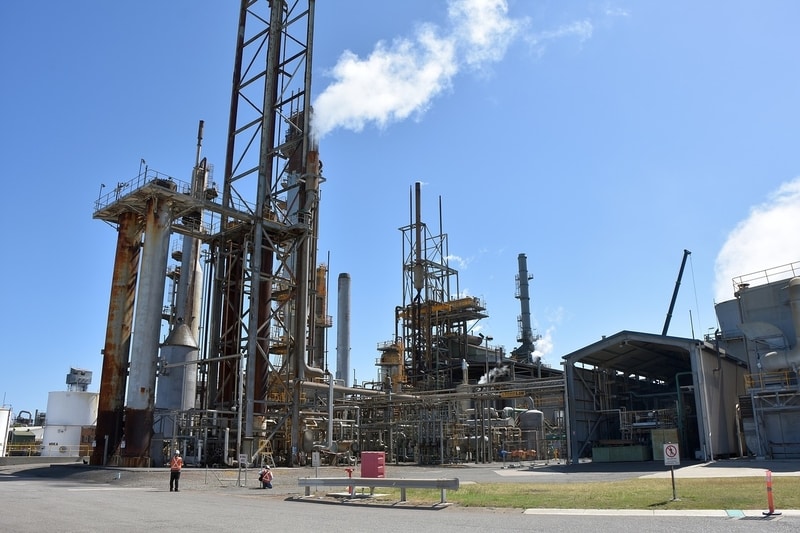
- Fossil‑fuel extraction and processing. Leaks from wellheads, pipelines, and processing equipment account for about 31 % of U.S. methane emissions in 2022 (U.S. Energy Information Administration).
- Agriculture. Enteric fermentation in ruminants and manure‑management systems release methane, together representing roughly 25 % of national emissions.
- Waste treatment. Landfills and wastewater treatment plants emit methane through anaerobic decomposition of organic matter.
2. Atmospheric Lifetime and Feedbacks
Once emitted, methane persists in the troposphere for 9–12 years before oxidizing to CO₂ and water vapor. During its lifetime it drives two important feedbacks:
- It participates in photochemical reactions that generate ground‑level ozone, a secondary greenhouse gas.
- It influences stratospheric water‑vapor concentrations, amplifying radiative forcing.
3. Regulatory Mechanism Under the Current Rule
The existing rule requires operators to:
- Monitor equipment with infrared cameras or continuous emission monitoring systems (CEMS).
- Repair leaks that exceed the defined threshold (often 5 % of the equipment’s flow rate).
- Submit annual emissions reports to the EPA.
Removing or weakening these requirements would lower compliance costs for industry but also reduce systematic detection of high‑leak sites, allowing emissions to increase unchecked.
What Does the Evidence Show?
Multiple lines of peer‑reviewed and agency‑derived evidence converge on the climate relevance of methane:
- Observational records. NOAA’s Global Monitoring Laboratory reports atmospheric methane rising from 1,770 ppb in 2000 to 1,910 ppb in 2023, a 0.8 % increase linked to expanding fossil‑fuel activity.
- IPCC Assessment Report (AR6, 2021). Methane contributed about 30 % of total human‑induced radiative forcing in 2019, with high confidence that rapid emission cuts would quickly lower near‑term warming.
- Leak‑detection studies. A 2020 meta‑analysis in *Environmental Research Letters* found that fully implemented leak‑detection and repair (LDAR) programs can cut oil‑and‑gas methane emissions by 30–50 %.
- EPA Greenhouse Gas Inventory (2022). Model simulations indicate that a 10 % rise in national methane emissions would raise global concentrations by roughly 0.1 ppm within five years, translating to an additional 0.05 °C of warming under a constant‑forcing scenario.
Collectively, these data suggest that weakening EPA controls would likely raise atmospheric methane, enhancing short‑term warming.
Main Causes or Drivers
Direct Causes
The proposed rule directly relaxes two regulatory levers:
- Lowering or eliminating mandatory leak‑detection thresholds, allowing higher venting and flaring rates.
- Replacing detailed reporting with a more generic emissions‑summary requirement.
Underlying Drivers
Economic incentives—such as higher natural‑gas prices and the desire to reduce operational expenditures—motivate industry to favor production over emission controls. Fragmented state‑level regulations also create compliance loopholes that a federal rollback can exploit.
Amplifying Factors
Climate‑induced permafrost thaw may release additional natural methane, creating a feedback loop that compounds anthropogenic emissions. The combined effect could accelerate near‑term warming beyond the direct impact of regulatory changes alone.
Environmental and Human Impacts
Environmental Impacts
Increased methane concentrations amplify radiative forcing, leading to:
- Higher near‑term surface temperatures, which can intensify heatwaves and shift precipitation patterns.
- Greater formation of ground‑level ozone, degrading air quality and harming vegetation.
- Accelerated ocean acidification indirectly, as warming influences sea‑surface temperature and carbon uptake.
Human Health and Social Impacts
Elevated ozone, a by‑product of methane chemistry, is linked to respiratory problems, especially among children, the elderly, and outdoor workers. Communities located near oil‑and‑gas infrastructure—often low‑income or Indigenous—face disproportionate exposure to methane leaks and co‑pollutants such as volatile organic compounds.
Economic and Infrastructure Impacts
While deregulation may lower short‑term operational costs, the broader economy could incur higher climate‑related damages. NOAA estimates that each additional 0.1 ppm of methane could add $10–$15 billion in global climate costs over the next decade, accounting for health impacts, agricultural losses, and infrastructure strain.
Regional Differences
Emission sources and monitoring capacity vary across the United States and globally:
- United States. The Permian Basin (Texas‑New Mexico) and the Bakken (North Dakota) generate the bulk of oil‑and‑gas methane leaks. California’s dairy sector dominates agricultural methane.
- Europe. Near‑real‑time satellite detection (e.g., Sentinel‑5P) provides high spatial resolution, enabling rapid leak identification.
- Developing regions. Many rely on sparse ground‑based stations, limiting detection of small‑scale emissions.
- Global natural sources. Tropical wetlands emit large natural methane flows, while Arctic permafrost presents an emerging risk as warming progresses.
These regional patterns influence both the magnitude of emissions and the feasibility of mitigation measures.
What Scientists Know With High Confidence
- Methane is a far more potent greenhouse gas than CO₂ on decadal timescales.
- Human activities account for roughly 60 % of the increase in atmospheric methane since pre‑industrial times.
- Leak‑detection and repair programs reliably reduce emissions when enforced.
- Elevated methane contributes to higher surface‑level ozone, adversely affecting air quality and human health.
What Remains Uncertain
Key gaps include the exact magnitude of emissions from undocumented small‑scale operations, the rate at which permafrost will release methane under future warming scenarios, and the effectiveness of voluntary industry initiatives without robust federal enforcement. Improved satellite monitoring and expanded ground‑based networks are expected to reduce these uncertainties over the next decade.
Common Misconceptions
Misconception: Methane only matters for the distant future.
Reality: Because methane’s atmospheric lifetime is short, changes in emissions affect climate forcing within a few years. A 10 % rise can influence temperature trends within five years.
Misconception: Natural sources dwarf human methane emissions.
Reality: While wetlands and oceans emit large absolute amounts, human activities now drive the observed increase since the early 2000s.
Misconception: Cutting methane has little impact on long‑term climate goals.
Reality: Reducing methane delivers immediate climate benefits and buys time for deeper CO₂ mitigation, a strategy highlighted in the IPCC’s 1.5 °C pathway.
Solutions and Limitations
Addressing rising methane emissions requires a mix of regulatory, technological, and nature‑based approaches.
- Regulation. Enforcing strict leak‑detection thresholds can cut emissions by up to 50 %, but political resistance can limit implementation.
- Technology. Infrared cameras, drone surveys, and continuous emission monitoring systems identify leaks rapidly. High upfront costs may deter small operators, and skilled personnel are needed for data interpretation.
- Feed‑additives for livestock. Compounds such as 3‑nitrooxypropanol can lower enteric methane by ~30 %. Adoption depends on farmer outreach, cost‑effectiveness, and regulatory approval.
- Restored wetlands as sinks. Properly managed wetlands can act as methane sinks, yet under certain conditions they also emit methane, requiring careful hydrological control.
Each solution carries trade‑offs: stricter rules increase short‑term costs; technology needs capital and expertise; feed‑additives may affect animal health if misapplied; and nature‑based fixes can be climate‑sensitive.
What Individuals, Communities, and Governments Can Do
What Individuals Can Do
Support policies that fund methane‑monitoring programs, choose lower‑carbon food options such as plant‑based proteins, and advocate for transparent reporting of local industrial emissions.
What Communities and Organizations Can Do
Form coalitions to demand local air‑quality monitoring, partner with universities for citizen‑science methane measurements, and develop community‑owned renewable energy projects that reduce reliance on fossil fuels.
What Governments Can Do
Reinstate or strengthen federal methane standards, provide subsidies for leak‑detection technology, and invest in research on low‑methane livestock practices. Aligning U.S. policy with the Global Methane Pledge maintains credibility in international climate negotiations.
What Businesses and Industries Can Do
Adopt best‑practice leak‑repair protocols, report emissions through verified third‑party platforms, and explore carbon‑offset projects that include verifiable methane‑reduction components, ensuring additionality and permanence.
Closing Synthesis
The EPA’s proposed rollback of methane controls is poised to raise U.S. emissions, thereby increasing global atmospheric methane and accelerating short‑term warming. Strong scientific evidence confirms methane’s high global warming potential and the effectiveness of enforceable leak‑detection programs. While uncertainties remain—particularly regarding small‑scale sources and permafrost feedbacks—the overall direction of impact is clear. A balanced response that couples robust regulation, advanced detection technology, targeted agricultural practices, and community engagement offers the most reliable path to limit warming while supporting economic activity.
Frequently Asked Questions
What specific EPA regulation is being rolled back?
The EPA is proposing to revise the 2020 Methane Waste Prevention Rule, replacing mandatory leak‑detection thresholds for oil‑and‑gas wells, landfills, and livestock facilities with a less stringent reporting‑only framework.
How does methane’s global warming potential compare to carbon dioxide?
Methane traps heat 28–36 times more effectively than CO₂ over a 100‑year horizon, giving it a global warming potential more than 25 times that of carbon dioxide.
Which sectors contribute the most to U.S. methane emissions?
Oil‑and‑gas operations account for about 31 % of U.S. methane emissions, agriculture (enteric fermentation and manure) roughly 25 %, and waste treatment (landfills and wastewater) the remainder.
What are the main uncertainties about the impact of the EPA’s rollback?
Key uncertainties include exact emissions from undocumented small‑scale sources, the future rate of permafrost methane release, and how effective voluntary industry measures will be without strong federal enforcement.
What actions can individuals take to help reduce methane emissions?
Individuals can support policies that fund methane monitoring, choose lower‑carbon food options such as plant‑based proteins, and advocate for transparent reporting of local industrial emissions.



Leave a Comment