
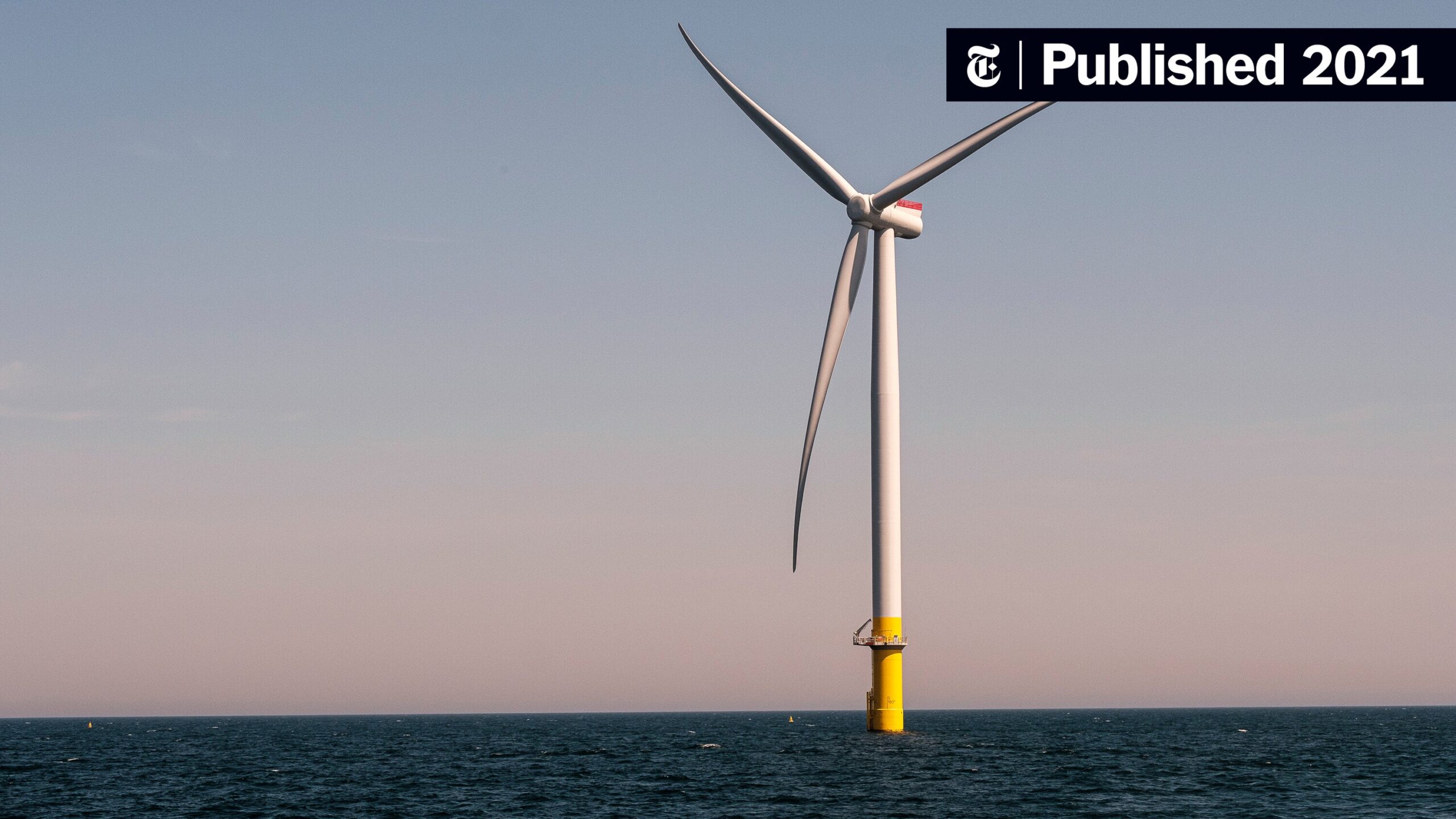
The Biden administration’s offshore wind push aims for 30 GW by 2030, cutting emissions, creating jobs, and reshaping coastal economies while addressing ecological and equity challenges.
Quick Answer
Offshore wind refers to large‑scale wind turbines installed in ocean waters, where stronger and steadier winds generate electricity that is fed into the grid. The Biden administration has set a federal target of 30 gigawatts (GW) of offshore wind capacity by 2030, using advances in turbine technology, floating‑platform designs, and streamlined permitting. Evidence from the International Energy Agency and U.S. Energy Information Administration shows that offshore wind can reduce carbon dioxide emissions by up to 0.5 tonnes per megawatt‑hour compared with fossil‑fuel generation. The main impact is a substantial contribution to U.S. climate‑change mitigation and new employment in coastal regions, though uncertainties remain around wildlife interactions and long‑term cost competitiveness.
Key Takeaways
- U.S. offshore wind capacity is projected to reach 30 GW by 2030, a ten‑fold increase from 2023 levels.
- Stronger offshore winds produce higher capacity factors (40‑55%) than most on‑shore farms.
- Projects generate thousands of jobs in manufacturing, construction, and operations, especially in Atlantic and Gulf Coast states.
- Potential environmental trade‑offs include impacts on marine mammals, birds, and fishing activities, requiring rigorous assessments.
- Equitable development strategies aim to direct benefits to historically marginalized coastal communities.
What Is Biden Administration Boosts Offshore Wind to Accelerate Clean Energy?
The policy initiative combines federal funding, tax incentives, and streamlined regulatory pathways to expand offshore wind farms along the Atlantic, Gulf, and Pacific coasts. It differs from on‑shore wind in that turbines are sited in water depths typically beyond 30 meters, allowing access to higher wind speeds and reducing land‑use conflicts. The program includes both fixed‑bottom turbines in shallow waters and floating‑platform turbines for deeper sites, the latter a technology that the United States is beginning to commercialize.
How Does It Work?
1. Site Identification and Leasing
Federal agencies such as the Bureau of Ocean Energy Management (BOEM) conduct wind‑resource assessments, environmental reviews, and lease auctions. Selected areas become lease zones where developers may install turbines.
2. Turbine Installation
Manufacturers produce turbines ranging from 12 to 15 MW. In shallow water, monopile or jacket foundations are driven into the seabed; in deeper water, floating substructures are anchored with mooring lines. Installation vessels use dynamic positioning to place components with precision.
3. Power Transmission
Collected electricity travels through under‑sea cables to offshore substations, then via high‑voltage direct‑current (HVDC) or alternating‑current (AC) lines to on‑shore grid interconnects. Grid operators balance this variable generation with demand and storage.
4. Operation and Maintenance
Remote monitoring systems track turbine performance and marine conditions. Service vessels perform scheduled inspections, blade repairs, and foundation checks, often employing robotics to reduce weather‑related downtime.
What Does the Evidence Show?
Multiple lines of evidence support offshore wind as a low‑carbon power source. The International Energy Agency’s 2023 World Energy Outlook reports that offshore wind contributed 3 % of global electricity generation in 2022 and could reach 15 % by 2050 under current policy pathways. U.S. monitoring by the National Renewable Energy Laboratory (NREL) indicates capacity factors of 45 % for Atlantic projects, compared with 30 % for most on‑shore farms, translating into higher energy output per installed megawatt.
Economic analyses from the Department of Energy (2022) estimate that each gigawatt of offshore wind can create 1,500–2,000 full‑time equivalent jobs during construction and 200–300 permanent positions during operation. Environmental impact studies, such as the 2021 BOEM‑NOAA joint assessment, find that properly sited turbines have limited overlap with critical habitats, though mitigation measures (e.g., seasonal construction windows) are needed for marine mammals.
Main Causes or Drivers
Policy Drivers
The Inflation Reduction Act (2022) provides a production tax credit of up to $9 per megawatt‑hour for offshore wind, encouraging private investment. The Bipartisan Infrastructure Law allocates $17 billion for port upgrades and supply‑chain development, addressing historic bottlenecks.
Technological Drivers
Advances in blade aerodynamics, larger rotor diameters (up to 220 m), and floating‑platform engineering have reduced levelized cost of electricity (LCOE) from $150/MWh in 2015 to around $70/MWh in 2023, according to the Lawrence Berkeley National Laboratory.
Environmental Drivers
Climate‑change mitigation targets, such as the U.S. pledge to cut net‑zero emissions by 2050, require rapid decarbonization of the power sector. Offshore wind offers a pathway to replace coal‑ and gas‑fired plants without the land‑use pressures of on‑shore renewables.
Environmental and Human Impacts
Environmental Impacts
Positive impacts include displacement of fossil‑fuel generation, leading to avoided CO₂ emissions estimated at 0.5 t CO₂/MWh. Offshore turbines also create artificial reef structures that can enhance local biodiversity, though the magnitude varies by site.
Potential negative impacts involve collision risk for birds and bats during migration, and noise or electromagnetic fields affecting marine mammals. Mitigation strategies such as turbine curtailment during peak migration periods and acoustic monitoring are recommended.
Human Health and Social Impacts
Reduced air pollutants (SO₂, NOₓ, particulate matter) improve regional air quality, which epidemiological studies link to lower rates of respiratory illness. However, construction noise and visual changes can affect nearby fishing communities, highlighting the need for stakeholder engagement.
Economic and Infrastructure Impacts
Offshore wind projects stimulate port activity, steel fabrication, and supply‑chain logistics, generating regional economic multipliers of 2–3× the direct investment. Grid upgrades may be required to accommodate intermittent generation, representing additional capital costs.
Regional Differences
Atlantic states (e.g., Massachusetts, New York) lead in project permits because of higher wind speeds (average 9–10 m/s at 100 m) and established port infrastructure. Gulf Coast sites face higher water temperatures and hurricane risk, requiring robust turbine designs and flexible construction schedules. West Coast projects, such as those off California, must navigate stricter marine protected area regulations and seismic considerations.
What Scientists Know With High Confidence
What Scientists Know With High Confidence
- Offshore wind generation emits far less CO₂ per unit of electricity than coal or natural‑gas plants.
- Capacity factors for offshore turbines consistently exceed 40 % in most U.S. waters.
- Economic modeling shows a net positive job creation effect when projects include local manufacturing and training.
- Well‑designed mitigation measures can substantially reduce most documented wildlife impacts.
What Remains Uncertain
What Remains Uncertain
Key uncertainties include long‑term durability of floating‑platform technology in extreme weather, precise quantification of cumulative marine noise effects on cetaceans, and the pace at which transmission infrastructure can be upgraded to avoid curtailment. Ongoing monitoring and adaptive management are needed to close these gaps.
Common Misconceptions
Common Misconceptions
Misconception: Offshore wind farms are visible from the shore and ruin coastal scenery.
Reality: Most turbines are located 20–30 km offshore, beyond the visual horizon for the average observer. When turbines are visible, they occupy a small fraction of the seascape and can be designed to minimize visual impact.
Misconception: Offshore wind is too expensive compared with on‑shore wind.
Reality: While capital costs are higher, the higher capacity factor and longer turbine lifespans result in comparable levelized costs, especially when tax credits and supply‑chain efficiencies are applied.
Misconception: Offshore wind will completely replace fossil fuels within a decade.
Reality: Offshore wind is a significant component of a broader clean‑energy mix that also includes solar, storage, and demand‑side measures; full decarbonization will require a diversified portfolio over several decades.
Solutions and Limitations
Key response strategies include:
- Policy incentives: Production tax credits accelerate investment but depend on continued legislative support.
- Technology deployment: Larger turbines and floating platforms expand viable sites, yet they require new manufacturing capabilities and skilled labor.
- Environmental monitoring: Real‑time acoustic and radar systems can guide turbine curtailment, but monitoring adds operational complexity and cost.
- Grid integration: Advanced forecasting and storage mitigate intermittency, yet high‑cost transmission upgrades may delay benefits.
Each solution carries trade‑offs: incentives may crowd out funding for other renewables, technology scaling can strain supply chains, and extensive monitoring may raise project costs.
What Individuals, Communities, and Governments Can Do
What Individuals Can Do
- Support local offshore wind projects through public comment periods and community advisory boards.
- Choose electricity providers that source power from offshore wind or other renewables.
- Advocate for workforce‑development programs that train residents for turbine‑related jobs.
What Communities and Organizations Can Do
- Partner with developers to conduct joint environmental assessments that incorporate traditional ecological knowledge.
- Develop local supply‑chain businesses (e.g., steel fabrication, port services) to capture economic benefits.
What Governments Can Do
- Maintain and expand tax credits and loan guarantees for offshore wind projects.
- Invest in port and transmission upgrades that reduce bottlenecks.
- Implement equitable benefit‑sharing policies, such as community investment funds for historically disadvantaged coastal areas.
Looking Ahead
Offshore wind is poised to become a cornerstone of the United States’ clean‑energy transition. The Biden administration’s 30 GW target leverages strong wind resources, falling technology costs, and policy incentives to cut emissions and create jobs. While uncertainties around marine impacts, grid integration, and financing remain, ongoing research and adaptive management promise to refine the approach. By coupling robust science with inclusive policy, offshore wind can deliver reliable, low‑carbon power while supporting coastal economies.
Frequently Asked Questions
What is the Biden administration’s offshore wind capacity target for 2030?
The administration has set a federal goal of installing 30 gigawatts of offshore wind capacity by 2030, which is roughly ten times the amount installed in 2023.
How do offshore wind turbines generate electricity differently from on‑shore turbines?
Offshore turbines are placed in ocean waters where wind speeds are higher and more consistent, leading to capacity factors of 40‑55 % compared with 30 % for most on‑shore farms, resulting in more electricity per megawatt installed.
What are the main environmental concerns associated with offshore wind farms?
Key concerns include potential collisions with birds and bats, noise and electromagnetic fields that may affect marine mammals, and interactions with fisheries; mitigation measures such as seasonal curtailment and acoustic monitoring are used to reduce these impacts.
How does offshore wind contribute to job creation in coastal regions?
Economic analyses estimate that each gigawatt of offshore wind can create 1,500–2,000 construction jobs and 200–300 permanent operation jobs, while also stimulating related industries such as steel fabrication, port services, and supply‑chain logistics.
What uncertainties remain about the future of offshore wind in the United States?
Uncertainties involve the long‑term performance of floating‑platform turbines in extreme weather, precise quantification of cumulative marine wildlife impacts, and the speed at which transmission infrastructure can be upgraded to handle new offshore generation.






Leave a Comment