
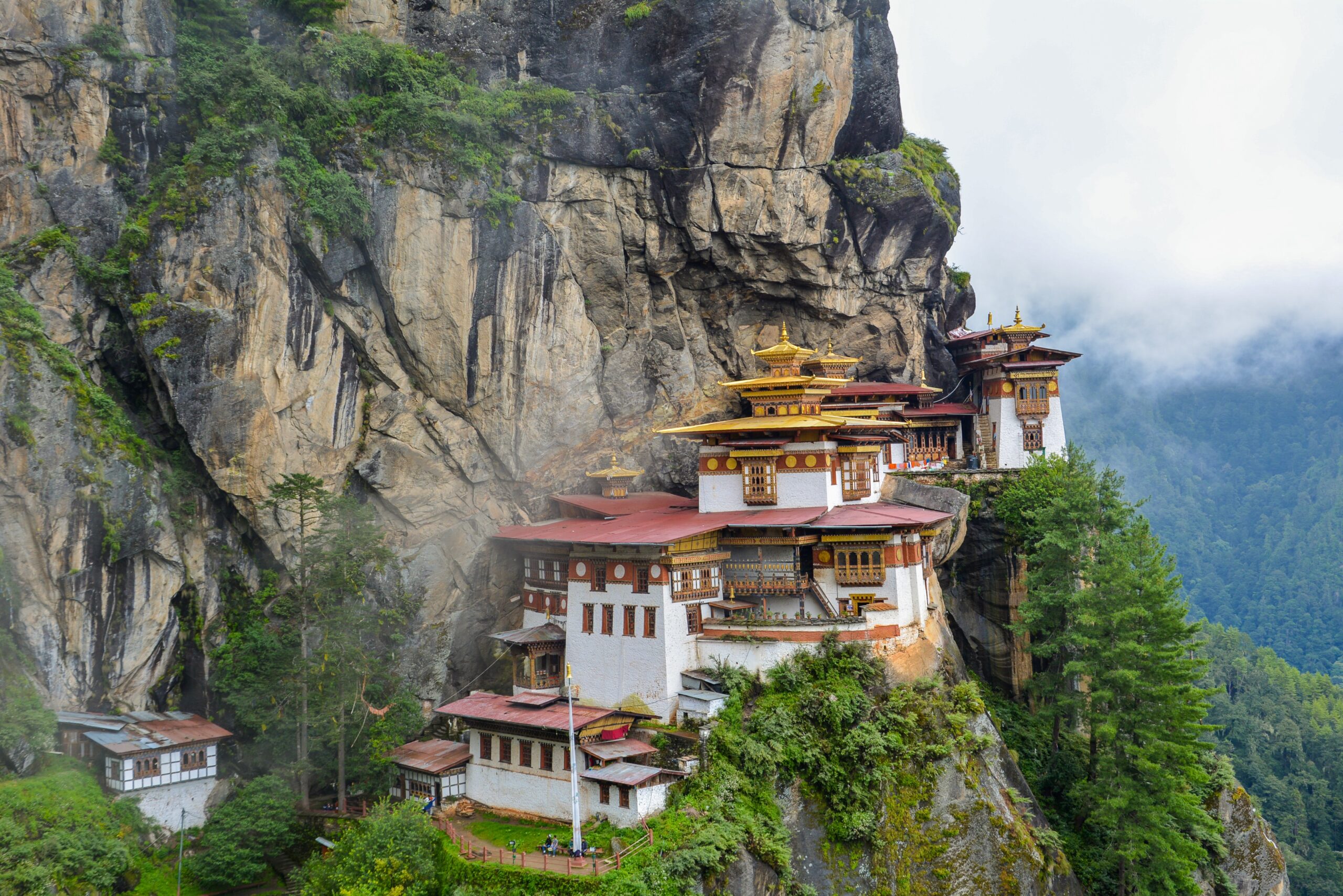
Bhutan achieves carbon‑negative status by maintaining constitutional forest cover, generating renewable hydropower, and integrating Buddhist‑inspired policies that prioritize ecological wellbeing over short‑term profit.
Quick Answer
Bhutan is the only country that removes more carbon dioxide from the atmosphere than it emits, a result of its 72% forest cover (mandated by a constitutional requirement of at least 60%), extensive hydropower generation, and low‑intensity agriculture and industry. The net sink, measured at about 5.3 million t CO₂ yr⁻¹ in 2020, exceeds the nation’s emissions of roughly 2.2 million t CO₂ yr⁻¹, making the country carbon‑negative. While the result is robust for the current land‑use regime, future climate‑induced glacier melt and economic pressures create modest uncertainty about long‑term sustainability.
Key Takeaways
- Bhutan’s constitution requires a minimum of 60 % forest cover; the country now has about 72 % forested land.
- Forests act as a major carbon sink, sequestering roughly 5.3 Mt CO₂ per year (World Bank, 2020).
- Renewable hydropower supplies over 98 % of domestic electricity and generates export revenue to India.
- Gross National Happiness guides policies that value environmental health as a core development goal.
- Climate change threatens glacier‑fed water resources, introducing uncertainty for hydropower and agriculture.
What Is Bhutan: How the World’s Only Carbon‑Negative Country Protects the Planet?
Bhutan is a land‑locked kingdom in the Eastern Himalayas with a population of about 770,000 (World Bank, 2022). The term “carbon‑negative” refers to a net removal of CO₂ from the atmosphere, contrasting with “carbon‑neutral” (where emissions are balanced by offsets). Bhutan achieves this status through three interlinked pillars: constitutional forest protection, renewable hydropower, and a development philosophy that places ecological wellbeing at the centre of policy decisions.
How Does It Work?
1. Constitutional Forest Mandate
In 2008 Bhutan’s constitution codified a minimum forest‑cover threshold of 60 % of national territory. Because the country’s topography is largely mountainous and forest‑friendly, current coverage is about 72 % (FAO, 2021). Forests absorb CO₂ through photosynthesis, store carbon in biomass and soils, and provide ecosystem services such as water regulation.
2. Hydropower Generation
Rivers descending from glaciers are harnessed for run‑of‑river and reservoir projects. Installed capacity exceeds 2 GW, supplying virtually all domestic electricity and enabling export of roughly 1.2 GW to India (International Hydropower Association, 2020). Hydropower displaces fossil‑fuel electricity, reducing national emissions and providing a low‑carbon revenue stream.
3. Low‑Intensity Agriculture and Land‑Use Practices
Traditional terrace farming, organic fertilizer use, and limited mechanisation keep agricultural emissions low. The government promotes organic certification, which reduces synthetic nitrogen fertilizer – a major source of nitrous‑oxide emissions.
4. Gross National Happiness (GNH) Framework
GNH replaces GDP as the primary development metric. Four pillars—sustainable development, cultural preservation, environmental conservation, and good governance—ensure that economic plans are evaluated for ecological impact before approval.
What Does the Evidence Show?
Long‑term forest monitoring by Bhutan’s Ministry of Agriculture and Forests, corroborated by satellite‑derived forest‑cover analyses (FAO, 2021), confirms stable or increasing canopy extent over the past two decades. Carbon accounting by the World Bank (2020) estimates a net sink of 5.3 Mt CO₂ yr⁻¹, making Bhutan the only net negative emitter among UN‑listed nations. Hydropower’s low‑carbon profile is supported by International Energy Agency (2021) assessments showing that Bhutan’s electricity generation emits less than 0.02 t CO₂ MWh⁻¹, compared with global averages above 0.5 t CO₂ MWh⁻¹.
Main Causes or Drivers
Direct Causes
- High forest cover that continuously sequesters carbon.
- Renewable electricity generation that avoids fossil‑fuel combustion.
Underlying Drivers
- Buddhist cultural values emphasizing interdependence and stewardship.
- Legal framework that enforces forest protection.
- Geography that provides abundant water flow for hydropower.
Environmental and Human Impacts
Environmental Impacts
Carbon sequestration contributes to global climate mitigation. Forests preserve biodiversity; Bhutan hosts over 5,400 plant species and 770 vertebrate species, many endemic (IUCN, 2022). Hydropower regulates river flow, supporting downstream ecosystems while reducing air‑pollutant emissions.
Human Health and Social Impacts
Clean energy improves indoor air quality, decreasing respiratory illness rates. Forests protect watersheds, ensuring safe drinking water for rural communities. The GNH approach aligns development with mental‑wellbeing, fostering social cohesion.
Economic and Infrastructure Impacts
Exported hydropower generates roughly US$300 million annually, funding education and health services (World Bank, 2020). Infrastructure development follows strict environmental impact assessments, limiting habitat fragmentation.
Regional Differences
Within Bhutan, western districts (e.g., Paro) have higher hydropower potential due to steep gradients, whereas eastern highlands retain larger primary forests. Across the Himalaya, Bhutan’s forest‑cover percentage far exceeds neighboring Nepal (40 %) and India (24 %) (FAO, 2021), illustrating the effect of constitutional mandates versus policy gaps.
What Scientists Know With High Confidence
- Forests in Bhutan sequester more carbon than the nation emits, based on multiple independent carbon‑accounting studies.
- Hydropower in Bhutan emits negligible CO₂ per unit of electricity generated.
- The 2008 constitutional forest‑cover requirement has been effectively enforced, maintaining >70 % forest cover.
- Gross National Happiness influences policy decisions, leading to measurable environmental outcomes.
What Remains Uncertain
Future glacier retreat could reduce river discharge, threatening hydropower reliability; the magnitude of this impact varies among climate‑model projections (IPCC, 2021). Additionally, economic incentives to expand tourism may pressure forest areas if visitor caps are not strictly managed. Long‑term carbon accounting methods also differ in how soil carbon changes are quantified, introducing modest uncertainty in net‑sink estimates.
Common Misconceptions
Misconception: Bhutan’s carbon‑negative status means it can emit unlimited CO₂.
Reality: The net‑negative balance relies on current land‑use patterns; any large‑scale deforestation or fossil‑fuel expansion would quickly erase the surplus.
Misconception: All of Bhutan’s electricity comes from hydropower.
Reality: While over 98 % of domestic electricity is hydro‑generated, a small share (<2 %) is supplied by diesel generators for remote villages.
Misconception: Carbon‑negative status is solely due to forest cover.
Reality: Forests are essential, but low‑carbon energy, limited industrial activity, and GNH‑guided policies together create the net‑negative outcome.
Solutions and Limitations
Key strategies include:
- Forest protection: Legal mandates are effective, but enforcement costs rise with illegal logging pressures.
- Renewable energy expansion: Scaling hydropower is constrained by seasonal glacier melt and ecological flow requirements.
- Sustainable agriculture: Organic practices lower emissions but may reduce yields, requiring careful food‑security planning.
- Eco‑tourism management: Visitor caps protect ecosystems but limit potential tourism revenue.
Each solution must balance economic needs, cultural values, and ecological thresholds to avoid unintended trade‑offs such as habitat loss or water scarcity.
What Individuals, Communities, and Governments Can Do
What Individuals Can Do
- Support certified organic products, reducing demand for synthetic fertilizers.
- Choose low‑carbon travel options and respect Bhutan’s “high‑value, low‑impact” tourism guidelines.
- Advocate for forest‑conservation policies in their own countries, using Bhutan’s constitutional model as an example.
What Communities and Organizations Can Do
- Develop community‑led forest monitoring programs that complement national reporting.
- Invest in small‑scale renewable projects (e.g., micro‑hydro) that mirror Bhutan’s clean‑energy approach.
What Governments Can Do
- Incorporate minimum forest‑cover clauses into national constitutions or legislation.
- Provide incentives for renewable hydropower that respect ecological flow standards.
- Adopt holistic well‑being metrics, such as Gross National Happiness, to guide sustainable development.
Synthesis
Bhutan’s carbon‑negative status stems from a synergistic mix of protected forests, renewable hydropower, low‑intensity land use, and a development philosophy that values ecological health. High‑confidence evidence confirms that these policies currently offset national emissions, yet glacier melt and economic pressures introduce uncertainty for the future. Replicating Bhutan’s model elsewhere will require strong legal frameworks, geographic suitability for renewables, and cultural commitment to placing the environment at the core of national goals.
Frequently Asked Questions
What does it mean for a country to be carbon‑negative?
A carbon‑negative country removes more carbon dioxide from the atmosphere than it emits, resulting in a net sink of CO₂. Bhutan achieves this through extensive forest cover, renewable hydropower, and low‑intensity agriculture.
How much forest does Bhutan actually have?
Bhutan’s forest cover is about 72 % of its land area, exceeding the constitutional minimum of 60 %. This figure comes from FAO satellite analyses and Bhutan’s national forest inventory (2021).
What role does hydropower play in Bhutan’s carbon balance?
Hydropower supplies over 98 % of Bhutan’s electricity and exports surplus energy to India. Because it emits less than 0.02 t CO₂ per megawatt‑hour, it keeps national emissions very low while providing revenue for development.
Are there risks that could end Bhutan’s carbon‑negative status?
Yes. Accelerated glacier melt could reduce river flow, threatening hydropower output, and any large‑scale deforestation or industrial expansion would likely eliminate the current carbon surplus.
Can other countries adopt Bhutan’s approach?
Other nations can learn from Bhutan by enacting legal forest‑protection mandates, investing in renewable energy suited to local geography, and integrating well‑being metrics into policy, though each context will require tailored solutions.










Leave a Comment