
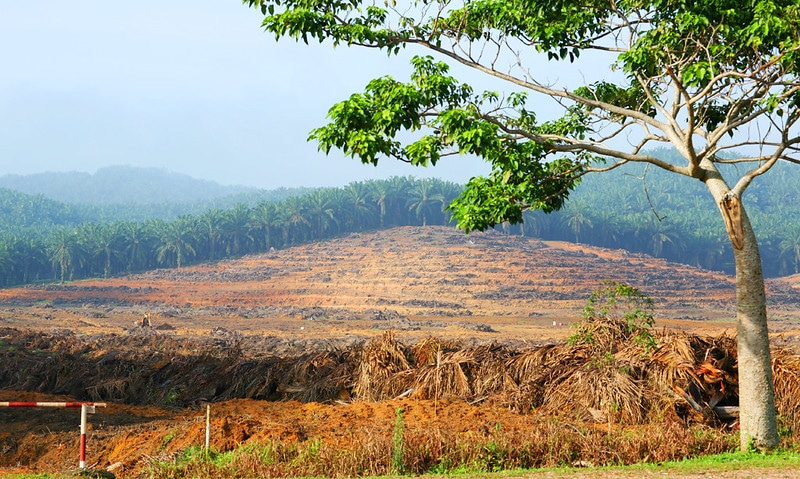
Belgium has prohibited palm‑oil‑derived biofuels, a policy shift that aims to curb deforestation, protect biodiversity, and improve the climate integrity of its renewable‑energy strategy.
Quick Answer
In 2024 Belgium adopted a law that bans the use of biofuels produced from palm oil and soy in transport and heating. The ban is based on evidence that large‑scale palm‑oil cultivation drives forest loss, carbon emissions, and social harms that outweigh the greenhouse‑gas benefits of the fuel. By removing these high‑impact feedstocks, Belgium aims to reduce indirect land‑use change emissions and align its renewable‑energy targets with biodiversity protection, though the overall climate benefit depends on the availability of lower‑impact alternatives.
Key Takeaways
- Belgium’s ban targets biofuels made from palm oil and soy because their production is linked to deforestation and high carbon footprints.
- Scientific assessments (e.g., IPCC, FAO) show that indirect land‑use change can negate the climate benefits of many biofuels.
- The policy encourages the development of biofuels from waste streams, algae, or locally sourced feedstocks with lower environmental trade‑offs.
- Implementation will require monitoring supply chains, supporting industry transition, and ensuring energy security.
- Uncertainties remain around the speed of market replacement and the net emissions impact of alternative biofuels.
What Is Belgium Bans Palm Oil Biofuels in Major Climate Policy Shift?
The ban is a legislative measure that prohibits the import, production, and use of transport or heating biofuels whose primary feedstock is palm oil or soybeans. It applies to all fuel blends sold within Belgium’s borders and to any public procurement contracts that would otherwise accept such fuels. The policy does not ban all biofuels; instead, it differentiates between feedstocks with high indirect land‑use change (ILUC) risk and those with lower impact, such as waste‑derived biodiesel or lignocellulosic ethanol.
How Does It Work?
Supply‑Chain Screening
Fuel suppliers must certify that their feedstock originates from plantations that do not cause forest conversion, as defined by the European Union Renewable Energy Directive (EU RED II). Certification bodies verify land‑use history, satellite monitoring, and compliance with the Roundtable on Sustainable Palm Oil (RSPO) standards, although Belgium’s criteria are stricter than RSPO’s.
Market Transition Mechanism
To avoid supply gaps, the government offers a transition fund that supports producers of low‑impact biofuels, funds research into second‑generation biofuels, and provides tax incentives for blending certified sustainable fuels.
Enforcement and Penalties
Non‑compliant fuel shipments are subject to fines up to €50,000 per incident and possible revocation of fuel distribution licenses. Regular audits are conducted by the Federal Public Service (FPS) Economy.
What Does the Evidence Show?
Multiple lines of evidence indicate that palm‑oil biofuels can generate higher net greenhouse‑gas emissions than fossil diesel when indirect land‑use change is accounted for. A 2020 systematic review in *Nature Climate Change* found that ILUC emissions from tropical oil‑palm expansion can add 30–100 g CO₂‑eq MJ⁻¹, often exceeding the 20 g CO₂‑eq MJ⁻¹ saving claimed for the fuel itself. The Intergovernmental Panel on Climate Change (IPCC) 2022 Working Group III report similarly notes that biofuels with high ILUC risk may be counter‑productive for climate mitigation.
Conversely, biofuels derived from waste oils, agricultural residues, or algae have been shown to achieve net emission reductions of 50–80 % relative to fossil fuels, according to the European Environment Agency’s 2023 bioenergy assessment.
Main Causes or Drivers
Direct Drivers
High global demand for palm oil in food, cosmetics, and biofuels drives expansion of plantations into tropical forests, especially in Indonesia and Malaysia.
Underlying Drivers
Economic incentives, weak land‑use governance, and limited traceability in supply chains enable conversion of carbon‑rich forests into monoculture oil‑palm estates.
Policy and Market Drivers
The European Union’s renewable‑fuel targets created a market for biofuels, inadvertently encouraging the use of low‑cost palm‑oil feedstocks despite their hidden emissions.
Environmental and Human Impacts
Environmental Impacts
- Deforestation releases stored carbon, contributing an estimated 1.5 Gt CO₂ yr⁻¹ globally from oil‑palm expansion (FAO, 2022).
- Loss of primary forest reduces habitat for species such as the orangutan, Sumatran tiger, and countless endemic plants.
- Peatland drainage for plantations emits methane, a potent greenhouse gas.
Human Health and Social Impacts
- Land conversion displaces indigenous and small‑holder communities, leading to loss of livelihoods and cultural heritage.
- Air‑quality degradation from forest fires used to clear land increases respiratory disease risk in nearby populations.
Economic and Infrastructure Impacts
While palm‑oil biofuels can provide affordable fuel in the short term, the long‑term costs of ecosystem services loss and climate mitigation are far greater. Belgium’s ban seeks to avoid these hidden costs by steering investment toward more sustainable energy infrastructure.
Regional Differences
In Southeast Asia, the climate and soil conditions make oil‑palm cultivation highly profitable, leading to rapid forest conversion. In contrast, Europe’s temperate climate limits large‑scale palm‑oil production; most imports are therefore tied to global supply chains. Belgium’s policy therefore has a primarily indirect impact, influencing demand for imported palm‑oil biofuels and encouraging producers elsewhere to adopt stricter standards.
What Scientists Know With High Confidence
- Deforestation for oil‑palm plantations releases large amounts of carbon and reduces biodiversity (IPCC, 2022).
- When ILUC is included, many first‑generation biofuels provide little or no net climate benefit (Nature Climate Change, 2020).
- Second‑generation biofuels from waste or non‑food feedstocks can achieve substantial emission reductions (EEA, 2023).
- Policy measures that restrict high‑impact feedstocks can shift markets toward lower‑impact alternatives (EU RED II analysis, 2021).
What Remains Uncertain
Key uncertainties include the speed at which alternative biofuels can scale to replace palm‑oil feedstocks, the accuracy of ILUC modelling under different land‑use policies, and the potential for unintended leakage—where reduced demand in Belgium could be offset by increased consumption elsewhere. Better global monitoring of plantation expansion and trade flows would reduce these uncertainties.
Common Misconceptions
Misconception: All biofuels are carbon‑neutral.
Reality: Biofuels can have a wide range of carbon footprints. Those derived from feedstocks that cause deforestation or peatland drainage may emit more CO₂ than fossil fuels when indirect effects are accounted for.
Misconception: Palm oil is the cheapest renewable fuel option.
Reality: While palm oil is inexpensive to produce, hidden environmental costs—such as carbon released from forest loss—make its true societal cost higher than many alternatives.
Misconception: Banning palm‑oil biofuels will cause energy shortages.
Reality: Belgium’s energy mix already relies heavily on electricity and natural gas; the ban targets a relatively small share of transport fuel, and transition funds aim to ensure supply continuity through sustainable alternatives.
Solutions and Limitations
Effective responses combine regulatory, technological, and market‑based measures:
- Regulation: Bans or strict sustainability criteria for high‑impact feedstocks, as Belgium has enacted.
- Research & Development: Investment in second‑generation biofuels (e.g., algae, lignocellulosic ethanol) can reduce reliance on food crops.
- Economic Incentives: Tax credits for low‑ILUC fuels encourage industry shift but must be carefully calibrated to avoid subsidising marginal technologies.
- Supply‑Chain Transparency: Satellite monitoring and blockchain‑based traceability improve verification but require international cooperation.
Limitations include higher production costs for advanced biofuels, possible trade‑offs in land use for bioenergy crops, and the need for coordinated policies across importing and exporting nations.
What Individuals, Communities, and Governments Can Do
What Individuals Can Do
- Choose transportation fuels certified as low‑ILUC (e.g., renewable diesel from waste oils) when available.
- Support policies and companies that commit to deforestation‑free supply chains.
- Reduce personal vehicle mileage and adopt multimodal transport to lower overall fuel demand.
What Communities and Organizations Can Do
- Develop local biodiesel projects using waste vegetable oil or agricultural residues.
- Partner with NGOs to monitor and report illegal palm‑oil imports.
- Educate members about the indirect climate impacts of certain biofuels.
What Governments Can Do
- Implement or tighten sustainability criteria for all biofuel imports, aligned with EU RED II.
- Fund research into high‑yield, low‑impact feedstocks and scale up demonstration plants.
- Establish international agreements that link trade policies to forest‑conservation commitments.
Closing Synthesis
Belgium’s ban on palm‑oil biofuels reflects a growing recognition that not all renewable fuels deliver climate benefits when the full life‑cycle impacts are considered. Robust scientific evidence links oil‑palm expansion to carbon‑intensive deforestation and biodiversity loss, prompting a policy shift toward feedstocks with lower indirect emissions. While uncertainties remain about market transition speed and global leakage, the ban sets a precedent for evidence‑based regulation. Continued research, transparent supply‑chain tools, and coordinated incentives will be essential to ensure that Belgium’s climate goals are met without compromising ecosystems or human well‑being.
Frequently Asked Questions
Why did Belgium decide to ban palm‑oil biofuels?
Belgium banned palm‑oil biofuels because scientific assessments show that their production drives deforestation and indirect land‑use change emissions that can outweigh the climate benefits of the fuel.
What are the main environmental impacts of palm‑oil biofuel production?
Palm‑oil cultivation leads to forest loss, large carbon releases, loss of habitat for species like orangutans, peatland drainage emissions, and increased air‑pollution from land‑clearing fires.
Do all biofuels reduce greenhouse‑gas emissions?
No. Biofuels derived from feedstocks that cause deforestation or peatland conversion can emit as much or more CO₂ than fossil fuels when indirect effects are included, while waste‑based or second‑generation biofuels generally achieve net reductions.
How does the ban affect Belgium’s energy supply?
The ban targets a small share of transport fuel and is supported by a transition fund that encourages low‑impact alternatives, so it is not expected to cause energy shortages.
What actions can individuals take to support the ban’s goals?
Individuals can choose certified low‑ILUC fuels, support companies with deforestation‑free supply chains, and reduce personal vehicle use to lower overall demand for high‑impact biofuels.





Leave a Comment