
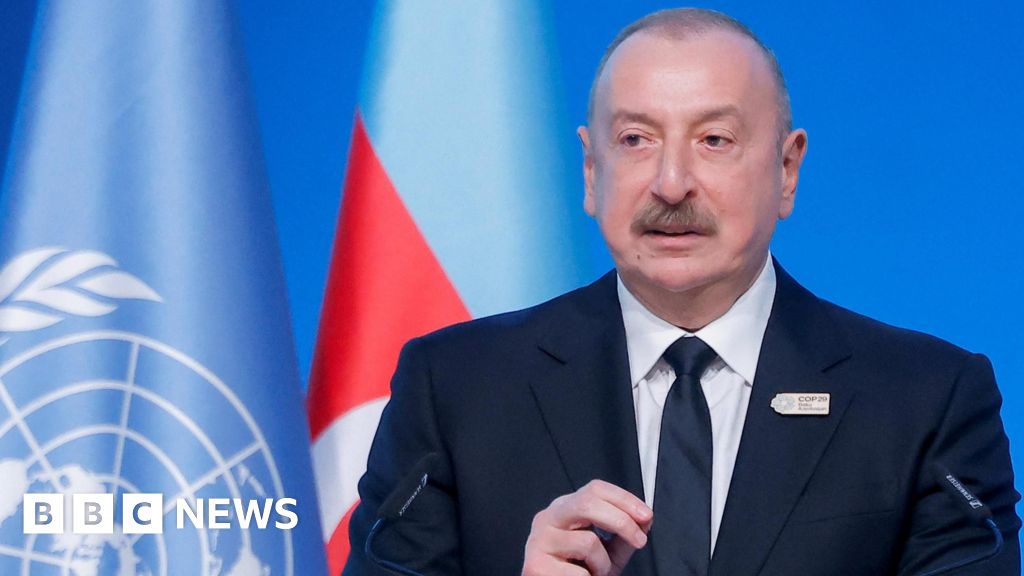
Azerbaijan’s appointment of an oil executive to head COP29 has sparked debate about fossil‑fuel influence, climate policy credibility, and the future of international climate negotiations.
Quick Answer
Azerbaijan, a major oil‑and‑gas producer, selected a senior executive from its state‑owned oil company to serve as the chief facilitator of the 29th United Nations Climate Change Conference (COP29). The move is seen as a political strategy to protect national economic interests while still participating in global climate talks. Scientific consensus holds that strong fossil‑fuel phase‑out policies are essential to limit warming to 1.5 °C, so the presence of an industry insider raises concerns about possible bias in agenda‑setting and negotiations. However, the exact impact of the appointment on the conference outcomes remains uncertain and will depend on the balance of civil‑society, vulnerable‑country, and industry voices during the summit.
Key Takeaways
- The appointed leader is a long‑time executive of Azerbaijan’s state oil company, reflecting the country’s reliance on hydrocarbon revenues.
- International climate science, as summarized by the IPCC, stresses rapid decarbonisation; any leadership tied to fossil fuels can create perceived conflicts of interest.
- Evidence shows that fossil‑fuel lobbying can shape negotiation language, but strong civil‑society participation can counterbalance such influence.
- Solutions focus on transparent governance, diversified energy portfolios, and just‑transition policies that protect workers while reducing emissions.
- Individuals can support climate‑aligned policies, while governments must safeguard negotiation integrity through conflict‑of‑interest rules.
What Is Azerbaijan Appoints Oil Executive to Lead COP29 Sparking Controversy?
The phrase refers to the decision by the Azerbaijani government, announced in 2023, to name a senior manager from the state‑owned oil company SOCAR as the chief facilitator for the United Nations Climate Change Conference scheduled for 2024 (COP29). The role involves steering the conference agenda, mediating between delegations, and representing the host nation in high‑level meetings. Because COP meetings are intended to accelerate global climate action, the appointment of a figure deeply embedded in the fossil‑fuel sector is viewed by many observers as contradictory to the summit’s purpose.
How Does It Work?
Leadership Structure of a COP
Each COP is overseen by a host‑country secretariat, which appoints a chief facilitator and a technical advisory team. The facilitator coordinates working groups, drafts the final conference decision text, and ensures procedural fairness. The process is governed by the United Nations Framework Convention on Climate Change (UNFCCC) rules, which require transparency but do not prescribe the professional background of the facilitator.
Decision‑Making Flow
- National governments submit their position papers to the secretariat.
- The facilitator organises plenary sessions and informal negotiations.
- Draft decisions are produced, then debated and voted on by the Conference of the Parties.
- Final outcomes are adopted and entered into the UNFCCC registry.
At each step, the facilitator can influence the framing of issues, the timing of discussions, and the language used in draft texts, which can affect the strength of climate commitments.
What Does the Evidence Show?
Multiple assessments, including the IPCC Sixth Assessment Report (2021) and the International Energy Agency’s World Energy Outlook (2023), confirm that limiting global warming to 1.5 °C requires net‑zero CO₂ emissions by around 2050. Historical analyses of previous COPs show that host‑country interests can shape agenda priorities; for example, the 2009 Copenhagen summit was heavily influenced by the United States’ position on emissions targets. A systematic review published in *Nature Climate Change* (2020) found that delegations from fossil‑fuel–rich nations tend to advocate for more gradual transition pathways. However, strong civil‑society coalitions have successfully pushed for more ambitious language, as seen in the inclusion of the “loss and damage” mechanism at COP27.
Main Causes or Drivers
Economic Dependency on Fossil Fuels
Azerbaijan derives over 80 % of its export revenue from oil and gas, according to the World Bank (2022). Protecting this revenue stream drives the government to keep industry leaders close to policy‑making processes.
Geopolitical Positioning
Hosting COP29 offers Azerbaijan a platform to showcase its energy expertise and to negotiate favorable terms in global climate finance, especially for projects that can include natural‑gas‑linked transition pathways.
Domestic Political Considerations
Appointing a familiar figure helps the government manage internal stakeholder expectations, particularly from powerful state‑owned enterprises and related labor unions.
Environmental and Human Impacts
Environmental Impacts
Should the facilitation favour weaker mitigation language, global emission reduction pathways could be delayed, increasing the risk of crossing climate thresholds identified by the IPCC (e.g., a 2 °C warming probability rising from 30 % to over 50 %). This would exacerbate sea‑level rise, extreme weather frequency, and biodiversity loss.
Human Health and Social Impacts
Continued reliance on oil and gas contributes to air‑quality‑related mortality. The WHO estimates that ambient particulate matter caused 4.2 million premature deaths worldwide in 2016, with a significant share linked to fossil‑fuel combustion. Delayed climate action also heightens heat‑related health risks, especially for vulnerable populations in low‑income regions.
Economic and Infrastructure Impacts
Maintaining fossil‑fuel subsidies can hinder investment in renewable energy infrastructure, slowing job creation in emerging green sectors. Conversely, a well‑managed transition can generate new employment opportunities, as highlighted by the International Labour Organization’s Just Transition framework.
Regional Differences
In the Caucasus, Azerbaijan’s oil‑centric economy contrasts with neighboring Georgia’s growing renewable portfolio, which has attracted EU climate‑finance support. Globally, countries with high fossil‑fuel dependence (e.g., Saudi Arabia, Nigeria) face similar governance dilemmas, while nations that have diversified their energy mix (e.g., Denmark, Costa Rica) experience fewer conflicts of interest in climate negotiations.
What Scientists Know With High Confidence
- Human activities, especially combustion of fossil fuels, are the dominant cause of recent global warming (IPCC, 2021).
- Limiting warming to 1.5 °C requires net‑zero CO₂ emissions by mid‑century and rapid reductions in methane and other short‑lived climate pollutants.
- Fossil‑fuel lobbying can influence climate policy language, but transparent negotiation processes and strong civil‑society participation can mitigate bias.
What Remains Uncertain
Key uncertainties include how much influence a single facilitator can exert over final COP decisions, the extent to which emerging technologies (e.g., carbon‑capture and storage) will be incorporated into official mitigation pathways, and how quickly Azerbaijan can diversify its energy mix without jeopardising economic stability. Improved monitoring of negotiation transcripts and stakeholder influence would help clarify these gaps.
Common Misconceptions
Misconception: The facilitator decides the final climate targets.
Reality: The facilitator guides discussions, but final decisions are voted on by all UNFCCC Parties, each retaining sovereign voting power.
Misconception: An oil executive will automatically block any climate ambition.
Reality: While personal interests may bias perspectives, the facilitator must work within UNFCCC rules that require consensus among diverse delegations, including vulnerable nations that can shape outcomes.
Misconception: Azerbaijan’s economy cannot shift away from oil.
Reality: Economic modelling by the World Bank (2022) suggests that strategic investment in renewable gas, solar, and wind could reduce oil‑related GDP share to below 50 % by 2035 without severe fiscal stress.
Solutions and Limitations
Effective responses combine governance reforms, energy diversification, and just‑transition policies:
- Governance reform: Implement conflict‑of‑interest rules for COP leadership positions, as recommended by the UNFCCC Secretariat in 2022.
- Energy diversification: Increase renewable capacity; Azerbaijan’s solar potential is estimated at 2,500 MW (International Renewable Energy Agency, 2021), but current installed capacity is under 100 MW.
- Just‑transition frameworks: Provide retraining programs for oil‑sector workers; the ILO’s 2020 guidelines show that such programs can reduce social resistance and maintain employment levels.
Limitations include the high upfront capital costs of renewable infrastructure, the need for stable policy incentives, and the risk that short‑term political cycles prioritize immediate revenue over long‑term climate benefits.
What Individuals, Communities, and Governments Can Do
What Individuals Can Do
Support policies that require transparency in climate‑negotiation appointments, reduce personal carbon footprints through energy‑efficient appliances, and engage in local advocacy for renewable projects.
What Communities and Organizations Can Do
Form coalitions that amplify voices of vulnerable groups, conduct community‑level climate vulnerability assessments, and partner with NGOs to monitor COP proceedings for bias.
What Governments Can Do
Adopt clear conflict‑of‑interest guidelines for hosting international climate events, invest public funds in renewable energy R&D, and negotiate climate finance that includes just‑transition clauses for fossil‑fuel‑dependent economies.
Closing Synthesis
The appointment of an oil executive to lead COP29 illustrates the tension between economic dependence on hydrocarbons and the urgent scientific call for rapid decarbonisation. While the facilitator’s background may shape agenda framing, the ultimate direction of the conference will depend on the collective weight of all parties, especially vulnerable nations and civil‑society groups. High‑confidence science underscores the necessity of swift emissions cuts, yet uncertainties remain about the precise influence of leadership choices on outcomes. Strengthening governance transparency, expanding renewable energy, and ensuring equitable transition pathways together offer the most viable route to align the summit’s goals with the climate imperative.
Frequently Asked Questions
Why did Azerbaijan choose an oil executive to lead COP29?
Azerbaijan selected a senior SOCAR executive because the country’s economy relies heavily on oil and gas revenues, and the government wanted a familiar figure to protect national economic interests while still participating in global climate talks.
What role does the COP facilitator play in the climate conference?
The facilitator coordinates agenda‑setting, mediates between delegations, organizes plenary sessions, and helps draft the final decision text, but final agreements are voted on by all UNFCCC Parties.
How could an oil‑industry leader affect COP outcomes?
While the facilitator cannot unilaterally set targets, their background may influence agenda framing and negotiation language, potentially biasing discussions toward less aggressive emission‑reduction pathways.
What evidence shows fossil‑fuel lobbying influences climate policy?
A systematic review in *Nature Climate Change* (2020) found that delegations from fossil‑fuel‑rich nations often advocate for more gradual transition pathways, and historical analyses of previous COPs reveal host‑country interests shaping agenda priorities.
What actions can governments take to reduce conflicts of interest in future COPs?
Governments can adopt clear conflict‑of‑interest rules for leadership appointments, increase transparency of negotiation processes, and ensure that civil‑society and vulnerable‑country representatives have equal speaking opportunities.






Leave a Comment