
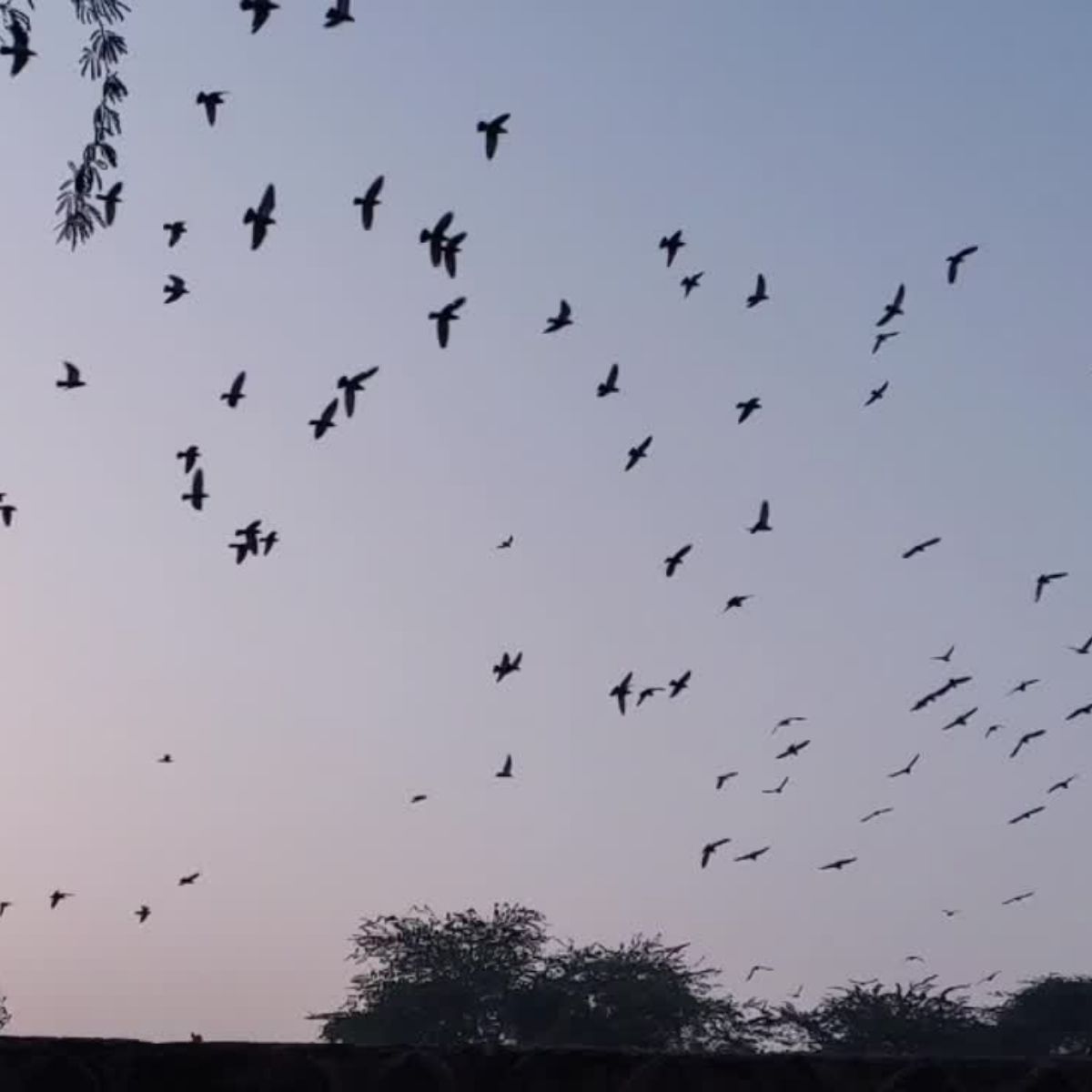
Avian flu outbreaks serve as a warning signal that viral spill‑over among birds can destabilize ecosystems, affect economies, and amplify human health risks.
Quick Answer
Avian flu, or bird flu, is an influenza A virus that circulates in wild waterfowl and domestic poultry. When infected birds migrate, trade or farm practices bring the virus into new habitats, creating spill‑over events that can reduce bird populations, disrupt seed dispersal and pollination, and trigger economic losses for poultry producers and tourism operators. Scientific assessments agree that the disease highlights broader ecosystem vulnerability, especially where habitat loss, intensive farming, and climate‑driven changes in bird migration overlap. Uncertainty remains around the probability of virus adaptation to humans and the precise magnitude of long‑term biodiversity loss.
Key Takeaways
- Avian influenza viruses naturally reside in wild waterfowl but can spread to domestic birds and, rarely, to humans.
- Outbreaks can trigger cascading ecological effects, including reduced seed dispersal and altered predator‑prey dynamics.
- Intensive poultry farming, wetland loss, and shifting migration patterns driven by climate change increase outbreak frequency.
- Effective biosecurity, wetland conservation, and coordinated surveillance are the most evidence‑based ways to lower risk.
- Individual actions matter when they support community monitoring, responsible consumption, and advocacy for stronger wildlife protection policies.
What Is Avian Flu Outbreaks Highlight Rising Risks to Ecosystems?
Avian flu refers to infections caused by influenza A viruses that primarily affect birds. An outbreak denotes a sudden increase in cases within a defined bird population, often spreading across farms, wild habitats, or regions. The term is distinct from seasonal human influenza because it involves different subtypes (e.g., H5N1, H7N9) and a natural reservoir in wild waterfowl. Understanding these outbreaks matters environmentally because birds play key roles in nutrient cycling, pollination, seed dispersal, and as prey for higher trophic levels. When disease reduces bird numbers or alters their behavior, the services they provide can weaken, exposing ecosystems to further stress.
How Does It Work?
1. Viral Reservoir in Wild Waterfowl
Wild ducks, geese, and swans carry low‑pathogenic influenza viruses in their intestines, shedding them in feces without severe illness. This creates a persistent environmental source, especially in wetlands.
2. Transmission to Domestic Poultry
When domestic birds share water, feed, or airspace with wild carriers, the virus can jump to poultry. High‑density farms amplify the pathogen because close contact facilitates rapid replication and mutation.
3. Mutation and Pathogenicity Shift
Influenza viruses have segmented RNA genomes that reassort when two strains infect the same host. This can produce highly pathogenic variants that cause severe disease and higher mortality in birds.
4. Spread Through Migration and Trade
Infected wild birds migrate thousands of kilometres, transporting the virus along flyways. International trade of live birds or eggs can also move the pathogen across borders.
5. Ecological Feedbacks
Large‑scale bird mortality reduces seed dispersal, affects insect control, and can alter water quality through changes in nutrient input. These feedbacks may exacerbate habitat degradation and further increase disease susceptibility.
What Does the Evidence Show?
Long‑term monitoring by the Food and Agriculture Organization (FAO) and the World Organisation for Animal Health (WOAH) documents a steady rise in reported avian‑influenza outbreaks since the early 2000s, particularly in Asia, Africa, and Europe. Systematic reviews of field studies (e.g., a 2021 meta‑analysis in *EcoHealth*) find consistent associations between intensive poultry production and higher outbreak frequency. Remote‑sensing analyses link wetland loss of >15 % in certain regions to increased contact between wild and domestic birds, supporting the hypothesis that habitat fragmentation raises spill‑over risk. Climate‑model studies (IPCC, 2022) indicate that warming temperatures shift migratory timing, potentially extending the period when susceptible birds congregate in shared stop‑over sites.
Main Causes or Drivers
Direct Causes
- Infection of domestic flocks by virus‑laden water or feces from wild waterfowl.
- High‑density poultry housing that reduces ventilation and increases stress.
Underlying Drivers
- Loss and degradation of natural wetlands, forcing wild birds into agricultural landscapes.
- Global trade of live birds, which bypasses quarantine safeguards.
- Climate‑induced changes in migration routes and breeding timing.
Environmental and Human Impacts
Environmental Impacts
Mass mortality events can remove key seed‑dispersing species, leading to reduced plant regeneration and altered forest composition. Declines in insect‑eating birds may allow pest outbreaks that stress crops and forests. Water bodies receiving large numbers of dead birds can experience nutrient spikes, promoting algal blooms that deplete oxygen and harm aquatic life.
Human Health and Social Impacts
While human infection from avian influenza remains rare, the World Health Organization notes that certain subtypes (e.g., H5N1) have a case‑fatality rate above 50 % when transmission occurs. Outbreaks also trigger culling of poultry, leading to loss of income for small‑scale farmers and disruptions to food security in rural communities.
Economic and Infrastructure Impacts
Control measures—including movement bans, market closures, and large‑scale culling—can cost billions of dollars annually, as seen in the 2014‑2015 H5N8 outbreak in Europe. Tourism dependent on bird‑watching suffers when restrictions limit access to wetlands.
Regional Differences
In Southeast Asia, dense backyard poultry systems and close proximity to wetlands create frequent low‑pathogenic outbreaks that occasionally mutate to high pathogenic forms. In Europe, intensive indoor farming dominates; outbreaks are often linked to breaches in biosecurity rather than wild‑bird contact. In sub‑Saharan Africa, limited surveillance means many events go undetected, but where data exist, the combination of pastoral livestock and migratory waterfowl along the Nile basin has been identified as a hotspot for virus exchange.
What Scientists Know With High Confidence
- The wild waterfowl reservoir is the primary source of avian‑influenza viruses worldwide.
- Intensive poultry production and inadequate biosecurity markedly increase outbreak risk.
- Habitat loss that forces wild birds into agricultural settings raises the likelihood of spill‑over.
- High‑pathogenic strains can cause severe mortality in birds and have a high case‑fatality rate in humans when transmission occurs.
What Remains Uncertain
Key uncertainties include the probability that current avian‑influenza subtypes will acquire sustained human‑to‑human transmission, the long‑term ecological consequences of repeated bird‑population crashes, and how future climate scenarios will reshape migratory pathways at a fine spatial scale. Improved longitudinal wildlife surveillance and integrated climate‑disease modelling are needed to narrow these gaps.
Common Misconceptions
Misconception: Avian flu only affects chickens.
Reality: Wild waterfowl are the natural reservoir, and many species—including geese, swans, and shorebirds—can be infected and act as carriers.
Misconception: All bird‑flu viruses are highly lethal to humans.
Reality: Most avian‑influenza strains cause mild or no illness in humans; only a few subtypes (e.g., H5N1, H7N9) have shown high mortality rates.
Misconception: Culling all birds in an area eliminates the virus.
Reality: Because the virus persists in water and wild birds, culling alone does not guarantee eradication without concurrent habitat and biosecurity measures.
Solutions and Limitations
Evidence‑based strategies fall into three groups:
- Prevention: Strengthening farm biosecurity—such as foot‑dip stations, controlled access, and regular health screening—has been shown to reduce farm‑level outbreaks by up to 70 % in European case studies. Limitations include cost for smallholders and compliance monitoring.
- Mitigation: Restoring wetlands creates alternative habitats for wild birds, decreasing contact with poultry. However, land‑use conflicts and long restoration timelines can limit immediate impact.
- Adaptation: Developing vaccination programs for poultry can lower mortality, yet vaccine strain matching is challenging due to rapid viral evolution, and widespread use may mask infection, complicating surveillance.
What Individuals, Communities, and Governments Can Do
What Individuals Can Do
- Choose poultry products from farms that certify biosecurity and humane practices.
- Support local wetland conservation groups through volunteering or donations.
- Report unusual bird deaths to wildlife agencies to aid early detection.
What Communities and Organizations Can Do
- Establish community‑based monitoring networks that train volunteers to identify sick birds.
- Promote integrated pest‑management that reduces reliance on dense indoor poultry operations.
- Develop educational campaigns about safe handling of wild birds and proper cooking of poultry.
What Governments Can Do
- Implement and enforce stringent farm biosecurity standards, with subsidies for small producers.
- Invest in wetland protection and restoration to maintain natural buffers.
- Enhance trans‑boundary surveillance systems that share data on virus genetics and outbreak locations.
- Fund research on vaccine development and on the ecological impacts of repeated avian‑flu events.
Synthesis of Key Points
Avian flu outbreaks illustrate how a virus that naturally circulates in wild birds can, under conditions of habitat loss, intensive farming, and climate‑driven migration changes, become a catalyst for ecosystem disruption and economic loss. High‑confidence evidence confirms the role of wild reservoirs and the amplifying effect of poor biosecurity. Uncertainties remain around long‑term biodiversity consequences and the potential for human adaptation. The most credible path forward combines stronger farm safeguards, wetland conservation, coordinated surveillance, and targeted vaccination—each with clear limitations that require sustained investment and collaborative governance.
Frequently Asked Questions
What is avian flu and how does it differ from human influenza?
Avian flu, also called bird flu, is an influenza A virus that primarily infects birds. Unlike seasonal human influenza, it includes subtypes such as H5N1 and H7N9 and usually spreads through waterfowl reservoirs, not human‑to‑human contact.
How do avian flu outbreaks affect wild bird populations and ecosystems?
Outbreaks can cause mass mortality in susceptible bird species, reducing seed dispersal, pollination, and insect control. The loss of these ecological functions can lead to altered plant communities, pest surges, and nutrient spikes in water bodies, weakening overall ecosystem resilience.
What evidence links climate change to increased avian flu risk?
Climate‑model studies show warming temperatures shift migratory timing and routes, extending periods when wild waterfowl congregate near farms. Observational data from the IPCC (2022) indicate that these altered patterns increase opportunities for virus spill‑over into domestic poultry.
Which biosecurity measures are most effective at preventing the spread of avian flu?
Key measures include controlling farm access, using foot‑dip stations, separating poultry from wild bird habitats, and conducting regular health screenings. European case studies report that comprehensive biosecurity can cut farm‑level outbreak rates by up to 70 %.
What actions can individuals take to help reduce the risk of avian flu outbreaks?
Individuals can buy poultry from farms with certified biosecurity, support wetland conservation projects, and promptly report unusual bird deaths to wildlife authorities. These steps aid early detection and reduce contact between wild and domestic birds.





Leave a Comment