
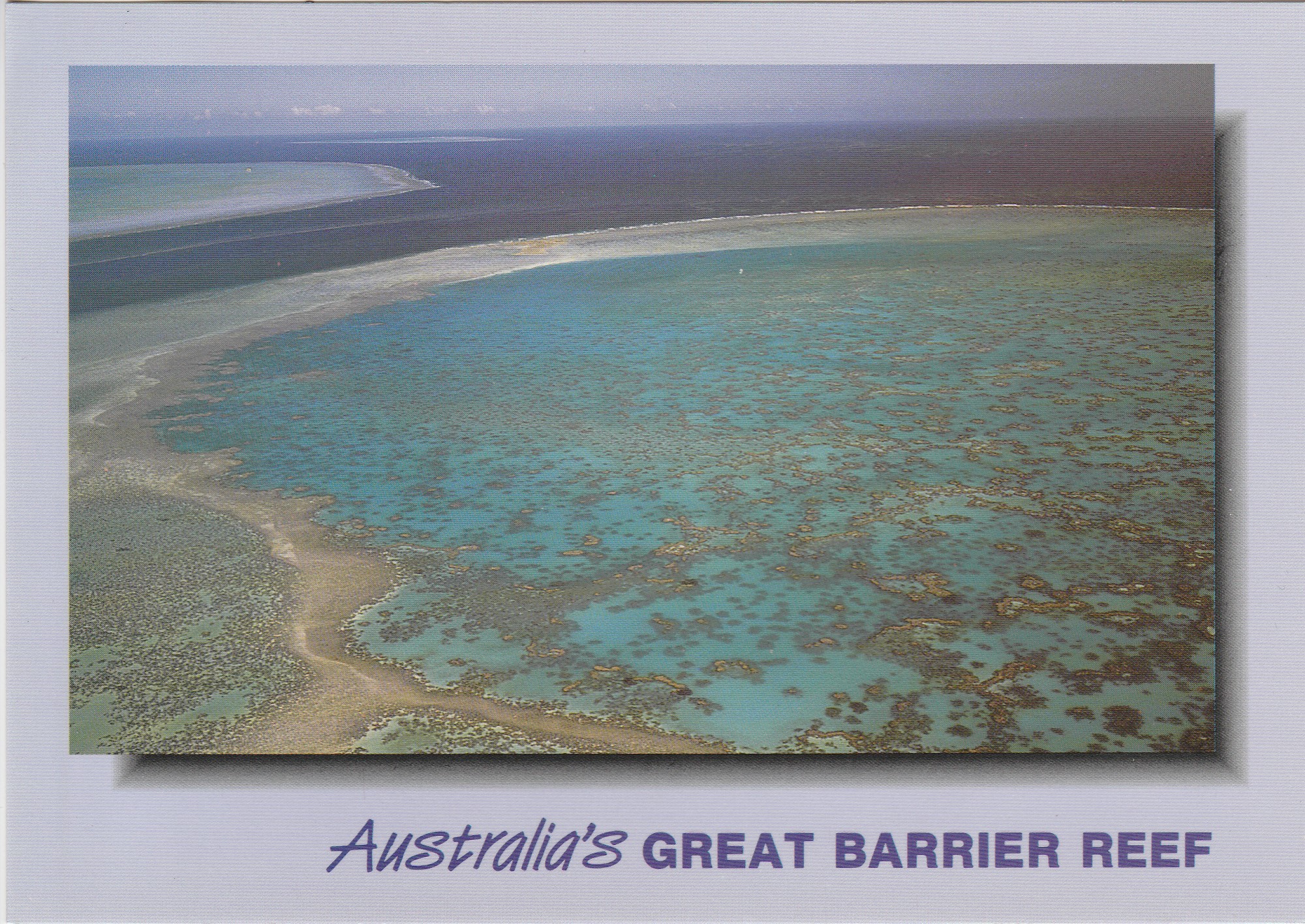
Australia’s decision to block UNESCO’s proposal to downgrade the Great Barrier Reef reflects a complex mix of scientific, economic, and cultural factors, even as the reef continues to face climate‑driven threats.
Quick Answer
Australia has formally rejected UNESCO’s recommendation to list the Great Barrier Reef as “in danger,” arguing that the World Heritage status should remain unchanged while the government pursues restoration and emissions‑reduction measures. The reef’s health is compromised by repeated coral‑bleaching events linked to rising sea‑surface temperatures, but the political response is driven by tourism revenue, Indigenous cultural values, and international reputation. Scientific consensus confirms that climate change is the dominant stressor, yet uncertainty remains about the reef’s capacity to recover under existing management actions.
Key Takeaways
- The Great Barrier Reef remains a World Heritage Site despite UNESCO’s call for an “in‑danger” listing.
- Mass bleaching events in 2016, 2017 and 2020 were caused primarily by ocean warming of 1–2 °C above long‑term averages.
- Tourism generates roughly AU$6 billion annually, making the reef a critical economic asset for Queensland.
- Indigenous custodians hold millennia‑old cultural connections that shape conservation priorities.
- High‑confidence science links climate change to reef decline, while uncertainties focus on local mitigation effectiveness.
- Effective solutions combine emissions cuts, water‑quality improvements, and targeted reef‑restoration projects.
What Is Australia Blocks UNESCO Downgrading of the Great Barrier Reef?
The phrase describes the Australian government’s diplomatic action in 2023–2024 to prevent UNESCO’s World Heritage Committee from changing the Great Barrier Reef’s status to “in danger.” The move does not alter the ecological reality of the reef; rather, it maintains the current designation while the government negotiates monitoring, funding, and policy responses. The issue differs from routine reef‑management activities because it involves an international heritage‑listing mechanism that can influence funding, tourism perception, and national prestige.
How Does It Work?
UNESCO World Heritage Assessment Process
- State parties submit periodic reports on the condition of World Heritage sites.
- The World Heritage Committee reviews scientific data, including satellite‑derived sea‑surface temperature trends and biodiversity surveys.
- If significant threats are identified, the Committee may recommend a status change, such as “in danger,” which triggers additional monitoring and potential funding.
Australia’s Diplomatic Response
- The Australian Department of Agriculture, Water and the Environment prepared a formal rebuttal, emphasizing ongoing restoration projects and economic importance.
- Australian officials engaged in bilateral discussions with UNESCO representatives, providing updated monitoring data from the Australian Institute of Marine Science (AIMS).
- The final vote in the Committee upheld the existing status, largely due to the Australian submission and support from several member states.
Key Institutional Actors
- UNESCO World Heritage Centre – oversees status designations.
- Australian Government – National Heritage Minister and Queensland State Government.
- Australian Institute of Marine Science – conducts long‑term reef monitoring.
- Traditional Owner groups – provide cultural perspectives and Indigenous knowledge.
What Does the Evidence Show?
Long‑term monitoring by AIMS demonstrates a 30 % decline in live coral cover between 2000 and 2022, with the most severe losses occurring after the 2016–2017 bleaching events (IPCC, 2021). Satellite records indicate that sea‑surface temperatures in the Coral Sea have risen by 0.9 °C on average since 1985 (NOAA, 2023). Peer‑reviewed assessments consistently rank climate‑induced heat stress as the primary driver of bleaching, while water‑quality degradation from agricultural runoff adds a secondary stressor (World Bank, 2022). However, recent field experiments show that localized shading and assisted gene flow can improve coral survival under heat stress, though scaling these techniques remains uncertain (Nature Climate Change, 2023).
Main Causes or Drivers
Direct Climate Drivers
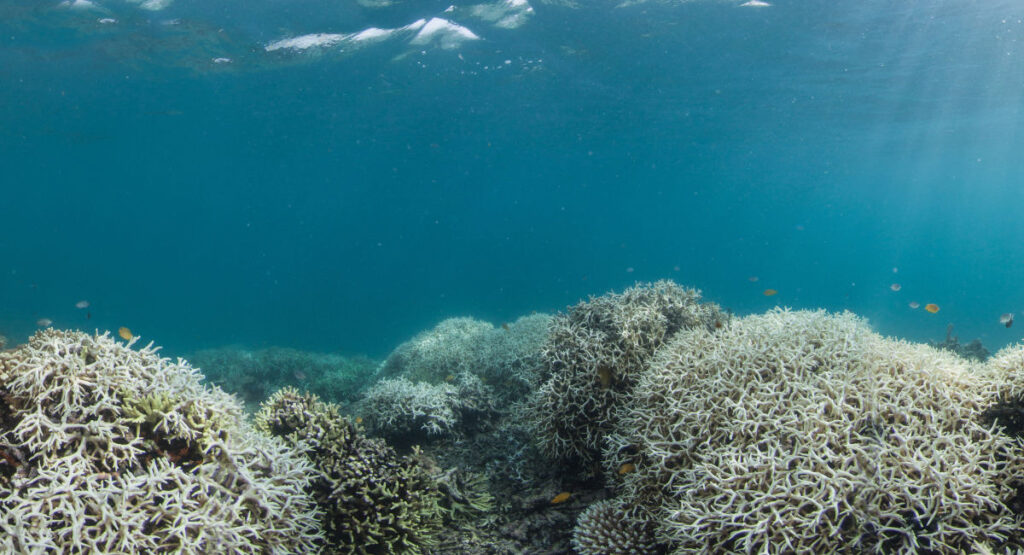
Elevated ocean temperatures cause the breakdown of the symbiotic relationship between coral polyps and zooxanthellae, leading to bleaching. The frequency of heat‑stress events exceeding the 4‑week threshold has increased from once per decade in the 1990s to three times per decade in the 2010s (IPCC, 2021).
Local Environmental Stressors
Runoff containing sediments, nutrients, and pesticides from the Queensland agricultural belt reduces water clarity and promotes algal overgrowth, which competes with corals for light and space. AIMS reports that coastal catchments contribute up to 30 % of total nitrogen loads entering the reef system (AIMS, 2022).
Political and Economic Drivers
The tourism sector, accounting for roughly 7 % of Queensland’s gross state product, creates strong incentives to preserve the reef’s image. Simultaneously, Australia’s reliance on coal‑export revenue creates policy tension between emission‑reduction targets and economic interests.
Environmental and Human Impacts
Environmental Impacts
Reduced coral cover diminishes habitat complexity, leading to declines in reef‑associated fish species. A 2021 systematic review linked a 10 % loss in live coral to a 5 % reduction in commercial fish catch within the reef’s exclusive economic zone.
Human Health and Social Impacts
Coastal communities that depend on reef‑based tourism experience income volatility when bleaching events reduce visitor numbers. Indigenous groups report cultural loss as traditional fishing grounds and ceremonial sites become degraded.
Economic and Infrastructure Impacts
Tourism revenue fell by an estimated AU$300 million during the 2016–2017 bleaching period (Queensland Tourism Industry Council, 2018). Infrastructure such as coastal resorts faces higher maintenance costs due to increased storm intensity, a trend linked to climate change.
Regional Differences
The northern section of the reef (e.g., Cairns‑Port Douglas) experiences higher exposure to tropical cyclones, while the southern portion (e.g., Hervey Bay) is more affected by freshwater influx from river discharge. Monitoring data show that bleaching severity is greatest in the central and northern sectors, whereas water‑quality issues are more pronounced in the southern sector. These patterns shape where restoration funding is allocated.
What Scientists Know With High Confidence
- Sea‑surface temperature rise is the principal cause of recent mass bleaching events.
- Coral loss reduces biodiversity and fisheries productivity.
- Tourism provides a major economic incentive for reef conservation.
- Indigenous cultural connections to the reef are integral to effective management.
What Remains Uncertain
Key uncertainties include the long‑term efficacy of large‑scale coral‑restoration techniques, the magnitude of future bleaching under different emissions pathways, and the degree to which improved water‑quality management can offset climate stress. Continued satellite monitoring and expanded in‑situ experiments are needed to refine these projections.
Common Misconceptions
Misconception: The downgrade would automatically provide more funding.
Reality: An “in‑danger” listing can attract attention and technical assistance, but funding is not guaranteed and depends on donor priorities and national policy choices.
Misconception: The reef is dead because of the downgrade.
Reality: The reef remains biologically active; many coral colonies continue to grow, and recovery has been observed in localized areas after heat stress subsides.
Misconception: Only climate change matters; local pollution is irrelevant.
Reality: While climate is the dominant driver, nutrient runoff and sedimentation exacerbate bleaching impacts and hinder recovery, making local management essential.
Solutions and Limitations
Effective responses must address both global emissions and local stressors.
- Emissions Reduction: Meeting Australia’s net‑zero target by 2050 would lower ocean warming, but the transition timeline means near‑term bleaching risk remains high.
- Water‑Quality Improvement: Implementing stricter agricultural runoff regulations can reduce nutrient loads, yet enforcement challenges and economic costs to farmers limit rapid adoption.
- Coral‑Restoration Projects: Techniques such as micro‑fragmentation and assisted gene flow show promise, but scalability and long‑term survival under warming oceans are uncertain.
- Protected Area Expansion: Increasing no‑take zones can safeguard resilient reef sections, though it may conflict with commercial fishing interests.
What Individuals, Communities, and Governments Can Do
What Individuals Can Do
- Support tourism operators that follow sustainable practices, such as reef‑friendly sunscreen bans.
- Advocate for stronger national climate policies by contacting local representatives.
- Reduce personal carbon footprints through energy efficiency and low‑carbon transportation choices.
What Communities and Organizations Can Do
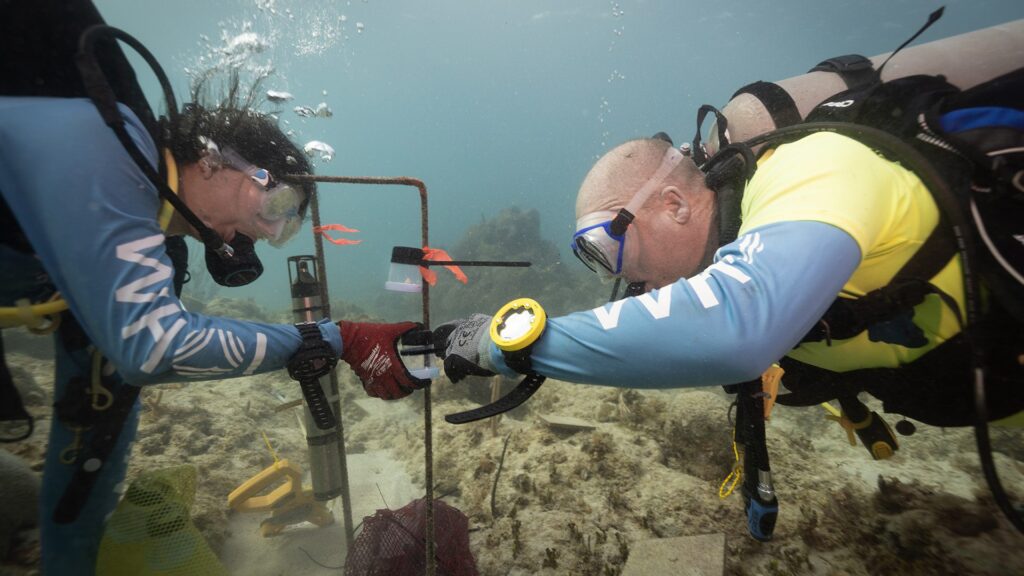
- Participate in citizen‑science water‑quality monitoring programs coordinated by AIMS.
- Develop community‑led reef‑restoration initiatives that incorporate Indigenous knowledge.
- Promote local agricultural best practices that limit fertilizer runoff.
What Governments Can Do
- Accelerate the national emissions‑reduction schedule to align with the Paris Agreement 1.5 °C pathway.
- Allocate dedicated funding for large‑scale reef‑restoration research and implementation.
- Enforce stricter water‑quality standards for the Great Barrier Reef catchments.
- Integrate Indigenous custodial rights into management plans, ensuring co‑governance structures.
Closing Synthesis
Australia’s refusal to accept a UNESCO “in‑danger” listing underscores the tension between scientific warnings and socioeconomic priorities. The reef’s degradation is driven primarily by climate‑induced heat stress, compounded by local pollution and governance choices. High‑confidence evidence confirms that warming oceans are the main threat, while uncertainties centre on the success of restoration and future emissions trajectories. Sustainable outcomes will require coordinated emissions cuts, improved water quality, targeted restoration, and inclusive governance that respects Indigenous connections. By addressing both global and local drivers, the Great Barrier Reef can retain its ecological function and cultural value for generations.
Frequently Asked Questions
What does it mean when UNESCO proposes an “in‑danger” listing for a World Heritage site?
An “in‑danger” listing signals that a World Heritage site faces significant threats to its values, prompting heightened monitoring, potential technical assistance, and increased international attention, but it does not automatically provide funding.
Why has the Australian government rejected UNESCO’s recommendation to downgrade the Great Barrier Reef?
The government argued that the reef’s management actions, economic importance, and cultural significance justify maintaining its current status, and it sought to avoid potential tourism losses and reputational damage.
What are the main scientific causes of recent coral bleaching on the Great Barrier Reef?
The dominant cause is elevated sea‑surface temperatures, which disrupt the coral‑algae symbiosis. Repeated heat‑stress events since the 1990s have increased in frequency and intensity, leading to widespread bleaching.
How does reef degradation affect local communities and economies?
Declines in coral health reduce fish abundance, lower tourism revenue—estimated at a loss of AU$300 million after the 2016‑2017 bleaching—and undermine cultural practices of Indigenous groups tied to the reef.
What actions can individuals take to help protect the Great Barrier Reef?
Individuals can choose reef‑friendly tourism operators, use sunscreen without harmful chemicals, support policies that cut greenhouse‑gas emissions, and reduce their own carbon footprints through energy‑saving habits.





Leave a Comment