
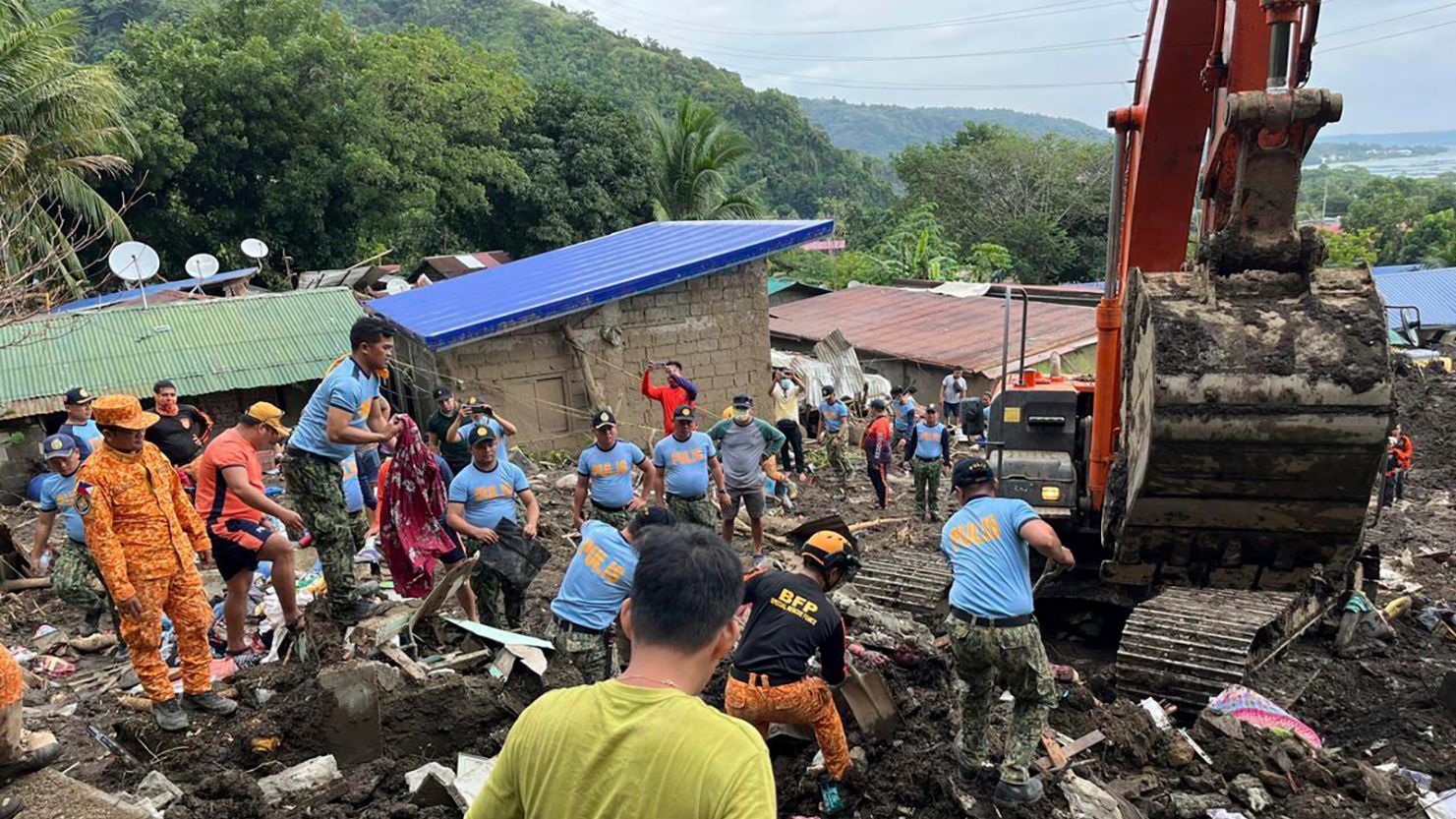
Typhoon Trami killed at least 14 people in the Philippines, underscoring how warming oceans intensify storms and raise climate‑related risks for vulnerable communities.
Quick Answer
Typhoon Trami was a Category 4 tropical cyclone that struck the Philippines in July 2023, causing at least 14 fatalities and extensive damage. The storm’s power was amplified by higher sea‑surface temperatures, a well‑documented consequence of global warming. Scientific assessments show a clear trend toward more intense tropical cyclones in the western Pacific, meaning that events like Trami are becoming more likely. While the exact contribution of climate change to this single event cannot be isolated, the broader pattern of increasing storm intensity is robust, and the human toll illustrates the urgent need for stronger adaptation measures.
Key Takeaways
- Typhoon Trami caused at least 14 deaths and widespread infrastructure loss in the Philippines.
- Warmer ocean waters provide additional energy, making tropical cyclones more intense.
- Long‑term monitoring by the IPCC and regional agencies shows a rise in both frequency and intensity of severe storms in the western Pacific.
- Vulnerable populations suffer disproportionately due to limited adaptive capacity.
- Evidence‑based solutions include improved early‑warning systems, resilient building codes, and nature‑based protection such as mangrove restoration.
What Is Typhoon Trami Kills at Least 14 in the Philippines as Climate Risks Rise?
Typhoon Trami was a powerful tropical cyclone that formed over the Pacific Ocean and made landfall in the central Philippines in July 2023. In meteorological terms, a typhoon is a mature tropical cyclone with sustained winds exceeding 118 km/h (73 mph). Trami reached Category 4 strength on the Saffir‑Simpson scale, with maximum sustained winds near 215 km/h (134 mph) and a minimum central pressure of about 945 hPa. The event is notable not only for its immediate human and material losses but also because it exemplifies a broader trend of increasing storm intensity linked to climate change.
How Does It Work?
Physical Drivers of Storm Intensification
- Sea‑surface warming: Higher ocean temperatures increase the amount of latent heat released during condensation, fueling stronger convection.
- Moisture availability: A warmer atmosphere holds more water vapor, enhancing precipitation rates and the storm’s rain‑laden bands.
- Reduced wind shear: Climate models project that some tropical regions may experience lower vertical wind shear, allowing storms to maintain organization.
Human Exposure Pathways
When a storm of Trami’s magnitude makes landfall, its impacts unfold through several pathways: wind damage to structures, storm‑surge flooding of coastal zones, and heavy rainfall triggering landslides in mountainous terrain. Communities with informal settlements, limited evacuation infrastructure, or homes built on flood‑prone land experience the highest risk.
What Does the Evidence Show?
Multiple lines of evidence support the link between a warming climate and stronger tropical cyclones in the western Pacific. The Intergovernmental Panel on Climate Change (IPCC) Fifth Assessment Report (2014) concluded that “there is medium confidence that the proportion of intense tropical cyclones will increase” (p. 105). More recent peer‑reviewed meta‑analyses (e.g., Kossin et al., 2020, Nature) report a global increase of about 1.6 % per decade in the frequency of Category 4–5 storms. National agencies such as the Philippine Atmospheric, Geophysical and Astronomical Services Administration (PAGASA) have recorded a rise in maximum wind speeds from 1990 to 2020, consistent with these global findings.
Main Causes or Drivers
Direct Causes
Trami’s immediate intensity was driven by exceptionally warm sea‑surface temperatures (≈30 °C) and a deep layer of atmospheric moisture over the Philippine Sea.
Underlying Drivers
- Anthropogenic greenhouse‑gas emissions raising global mean temperatures.
- Regional ocean heat uptake that accelerates surface warming in the western Pacific.
- Land‑use changes, such as deforestation, that reduce natural buffers against heavy rainfall.
Environmental and Human Impacts
Environmental Impacts
Intense rainfall caused rapid runoff, leading to severe soil erosion and sedimentation of rivers. Coastal mangrove stands were damaged, reducing their capacity to dampen future storm surges. Marine habitats suffered from increased turbidity, which can stress coral reefs and fish populations.
Human Health and Social Impacts
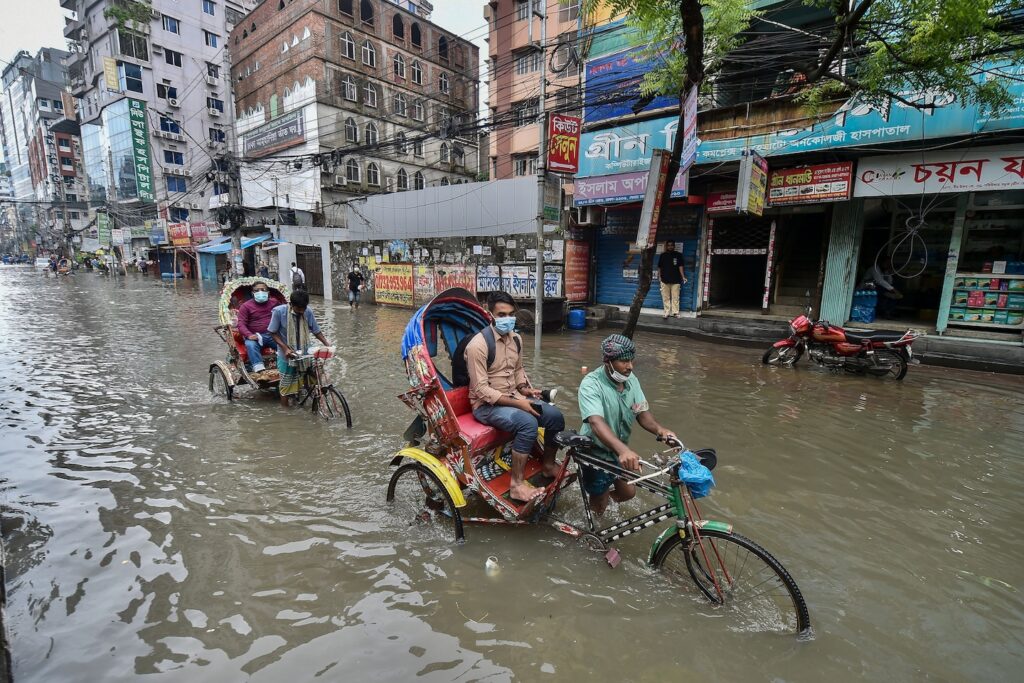
Beyond the 14 confirmed deaths, hundreds were injured and thousands displaced. Contaminated water supplies raised the risk of water‑borne diseases such as leptospirosis. The loss of homes disrupted schooling for children and strained local health clinics.
Economic and Infrastructure Impacts
Damage assessments by the National Disaster Risk Reduction and Management Council (NDRRMC) estimated direct economic losses at roughly US$150 million, with agriculture, transportation, and electricity networks most affected. Repair of damaged bridges and roads often takes months, hampering post‑disaster recovery.
Regional Differences
While the Philippines bears the brunt of Typhoon Trami, other western Pacific nations experience similar threats. For example, Vietnam’s central coast sees comparable storm‑surge exposure, but its higher GDP per capita allows for more robust coastal defenses. In contrast, small island states like Palau have limited land area, making even moderate storms potentially catastrophic. These regional variations stem from differences in economic resources, topography, and governance capacity.
What Scientists Know With High Confidence
- Global average sea‑surface temperatures have risen by about 0.13 °C per decade since 1970 (NOAA, 2022).
- Warmer oceans increase the maximum potential intensity of tropical cyclones.
- The western Pacific is a hotspot for the world’s most intense tropical cyclones.
- Vulnerable coastal communities experience disproportionate loss of life and livelihood during strong storms.
What Remains Uncertain
Attribution of any single storm to climate change remains challenging because natural variability also influences cyclone behavior. The precise magnitude of future increases in Category 4–5 storms for the Philippines under different emission scenarios is still being refined, with model spreads reflecting uncertainties in sea‑surface temperature projections and atmospheric dynamics. Improved regional climate modeling and longer observational records are needed to narrow these gaps.
Common Misconceptions
Misconception: Typhoon Trami was caused solely by climate change.
Reality: While climate change created conditions that favored a stronger storm, natural atmospheric patterns also played a role. Attribution studies assess probability shifts rather than direct causation.
Misconception: All tropical storms are becoming deadly.
Reality: Mortality depends heavily on preparedness, early‑warning systems, and socioeconomic factors. Some regions have reduced deaths despite stronger storms thanks to better disaster management.
Misconception: Building higher sea walls is the only solution.
Reality: Hard infrastructure can be effective but is expensive and may harm ecosystems. Nature‑based solutions like mangrove restoration provide cost‑effective protection and additional ecological benefits.
Solutions and Limitations
Effective responses combine structural, policy, and nature‑based measures. Early‑warning systems, when coupled with community education, can reduce loss of life, but they require reliable communication networks. Strengthening building codes improves resilience, yet enforcement can be uneven in informal settlements. Ecosystem restoration (e.g., mangroves, coral reefs) offers storm‑buffering benefits, but restoration projects need long‑term funding and may take years to reach full functionality. Climate mitigation—reducing greenhouse‑gas emissions—addresses the root cause, but its benefits manifest over decades, so adaptation remains essential in the near term.
What Individuals, Communities, and Governments Can Do
What Individuals Can Do
- Participate in local disaster‑preparedness drills and stay informed about evacuation routes.
- Support community mangrove planting projects or coastal clean‑ups that enhance natural barriers.
- Reduce personal carbon footprints through energy efficiency, which contributes to broader mitigation efforts.
What Communities and Organizations Can Do
- Develop and regularly update localized hazard maps that identify flood‑prone zones.
- Invest in resilient infrastructure such as elevated shelters and flood‑resistant housing designs.
- Promote livelihood diversification to reduce dependence on climate‑sensitive sectors like low‑land rice farming.
What Governments Can Do
- Implement and enforce stricter building codes, especially in coastal and low‑lying areas.
- Allocate budget for systematic mangrove reforestation and watershed management.
- Integrate climate‑risk assessments into national development planning and allocate funds for rapid post‑disaster recovery.
Closing Synthesis
Typhoon Trami’s deadly impact illustrates how a warming climate amplifies the power of tropical cyclones, exposing gaps in preparedness and infrastructure across the Philippines. Robust scientific evidence confirms rising sea‑surface temperatures and increasing storm intensity, while uncertainties remain about precise future trends. Combining early‑warning systems, resilient construction, and nature‑based defenses offers the most balanced pathway forward, acknowledging both the limits of mitigation and the urgent need for adaptation.
Frequently Asked Questions
What caused Typhoon Trami to become so intense?
Typhoon Trami reached Category 4 strength because unusually warm sea‑surface temperatures and high atmospheric moisture supplied extra energy, conditions that are becoming more common as global oceans heat.
How does climate change affect the frequency of strong typhoons in the western Pacific?
Scientific assessments, including IPCC reports and peer‑reviewed meta‑analyses, show a medium to high confidence that warming oceans increase the proportion of intense (Category 4‑5) tropical cyclones in the western Pacific.
What are the main human impacts of Typhoon Trami in the Philippines?
Trami caused at least 14 deaths, injured hundreds, displaced thousands, disrupted water and health services, and resulted in roughly US$150 million of direct economic losses, especially in agriculture and infrastructure.
Which nature‑based solutions can reduce storm damage?
Restoring mangroves, seagrass beds, and healthy coral reefs can absorb wave energy and reduce storm‑surge flooding, offering cost‑effective protection while also supporting biodiversity.
What actions can local governments take to improve resilience to future storms?
Governments can enforce stricter building codes, fund mangrove reforestation, integrate climate‑risk assessments into development plans, and invest in reliable early‑warning and evacuation systems.





Leave a Comment