
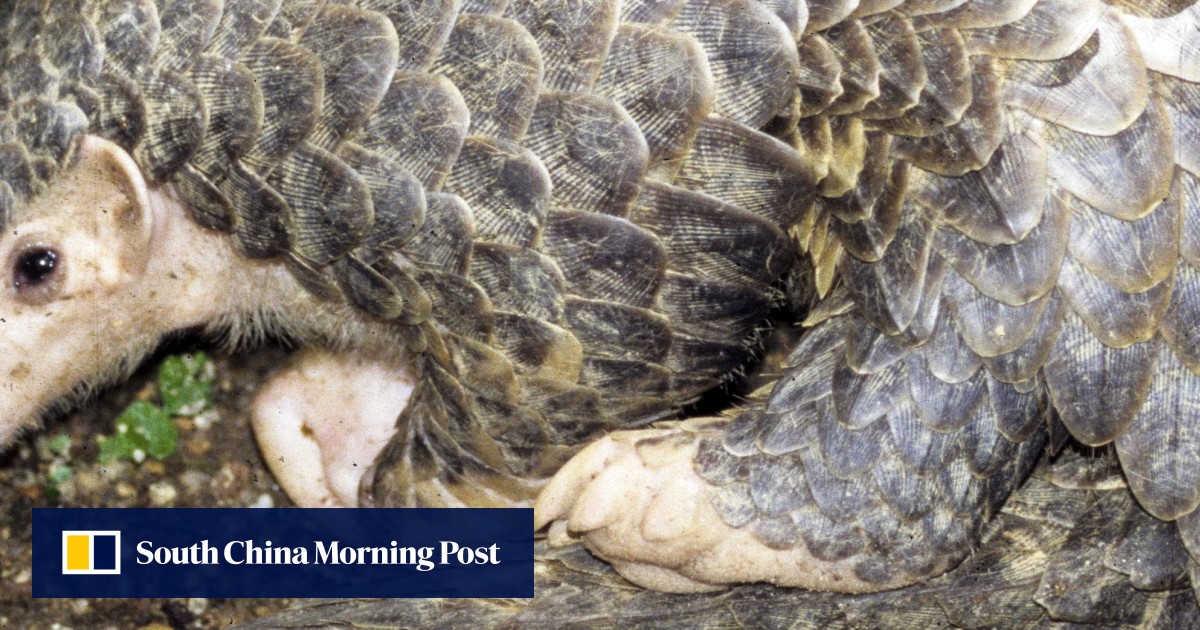
Hong Kong’s rapid development puts many native species at risk, prompting a close look at legal safeguards, on‑the‑ground threats, and realistic ways to improve protection for its endangered wildlife.
Quick Answer
Endangered species in Hong Kong receive formal protection through the Wildlife Protection Ordinance, CITES listings, and designated nature reserves, but enforcement gaps, habitat loss from land reclamation, and limited public engagement reduce overall effectiveness. Scientific monitoring shows continued population declines for iconic species such as the Chinese white dolphin and the Hong Kong gibbon, indicating that current measures are insufficient to halt the trend, though they do prevent outright extinction in many cases.
Key Takeaways
- Legal frameworks exist, but inconsistent enforcement weakens protection.
- Habitat loss from urban expansion and marine infrastructure is the primary driver of decline.
- Long‑term monitoring confirms ongoing population drops for several flagship species.
- Community education and targeted habitat restoration can improve outcomes.
- International cooperation, especially through CITES, adds a layer of security but cannot replace local action.
What Is “Are Endangered Species in Hong Kong Truly Being Protected?”
The question asks whether the combination of laws, management actions, and societal support actually prevents further loss of species classified as Endangered or Critically Endangered by the International Union for Conservation of Nature (IUCN) within Hong Kong’s territory. It covers terrestrial, freshwater, and marine organisms that depend on habitats such as country parks, mangroves, and coastal waters. The issue matters because biodiversity underpins ecosystem services like water purification, flood mitigation, and cultural identity.
How Does It Work?
Legal Protection Mechanism
- Species are listed under the Wildlife Protection Ordinance, which bans hunting, capture, and trade.
- Habitats are designated as Special Areas or Country Parks, restricting development.
- International agreements (CITES, Convention on Biological Diversity) require import‑export controls and reporting.
Enforcement and Management
- Government agencies conduct patrols and issue permits for research.
- Environmental Impact Assessments (EIAs) must evaluate effects on listed species before major projects.
- Non‑governmental organizations monitor populations and report violations.
Threat Processes
- Land reclamation and high‑rise construction fragment coastal and forest habitats.
- Pollution from shipping and industrial discharge degrades water quality for marine mammals.
- Climate‑induced sea‑level rise reduces mangrove extent, a key nursery for fish and crustaceans.
- Illegal wildlife trade, though limited, still targets certain reptiles and birds.
What Does the Evidence Show?
Long‑term surveys by the Agriculture, Fisheries and Conservation Department (AFCD) indicate a 40 % decline in Chinese white dolphin sightings between 1995 and 2020 (AFCD, 2021). Genetic studies published in *Conservation Genetics* (2020) confirm a shrinking effective population size for the Hong Kong gibbon, with fewer than 30 individuals known to remain in the wild. A systematic review of Hong Kong’s protected areas (University of Hong Kong, 2022) found that only 12 % of the territory’s high‑biodiversity coastal zones are fully covered by legal reserves. These independent lines of evidence converge on the conclusion that protection exists but does not match the scale of threats.
Main Causes or Drivers
Direct Causes
- Habitat destruction from land‑fill and infrastructure projects.
- Noise and water‑pollution affecting marine mammals.
- Illegal poaching of reptiles for traditional markets.
Underlying Drivers
- Economic pressure for housing and commercial space in a high‑density city.
- Limited funding for enforcement personnel.
- Insufficient public awareness of local biodiversity values.
Environmental and Human Impacts
Environmental Impacts
Loss of apex marine species such as the Chinese white dolphin can alter predator‑prey dynamics, potentially leading to over‑abundance of smaller fish and reduced fishery yields. Deforestation of the remaining secondary forest fragments reduces carbon sequestration capacity and diminishes pollinator habitats, affecting both wild plants and urban green spaces.
Human and Social Impacts
Coastal erosion linked to mangrove loss heightens flood risk for low‑lying neighbourhoods. Ecotourism opportunities, such as dolphin‑watching tours, are curtailed when populations decline, limiting a source of sustainable income for local guides.
Regional Differences
In the New Territories, fragmented forest patches still support the Hong Kong gibbon, whereas the densely built Kowloon Peninsula offers little suitable habitat. Marine threats are concentrated around the western harbour, where shipping lanes intersect with dolphin feeding grounds, while eastern waters experience comparatively less industrial traffic.
What Scientists Know With High Confidence
- Habitat loss is the leading cause of decline for most Hong Kong endangered species.
- Legal protection under the Wildlife Protection Ordinance reduces direct hunting pressure.
- Population monitoring data for the Chinese white dolphin and Hong Kong gibbon are robust enough to show statistically significant declines over the past two decades.
- International agreements such as CITES effectively curb large‑scale commercial trade of listed species.
What Remains Uncertain
Key knowledge gaps include the precise carrying capacity of remaining coastal habitats for marine mammals, the long‑term effectiveness of newly established marine protected areas, and the socioeconomic trade‑offs of restricting further land reclamation. Better baseline surveys and standardized monitoring protocols would reduce these uncertainties.
Common Misconceptions
Misconception: All endangered species are safe because they are “protected by law.”
Reality: Legal status prevents intentional killing, but it does not stop habitat loss, pollution, or indirect effects that continue to drive declines.
Misconception: Hong Kong’s high‑rise skyline leaves no room for wildlife.
Reality: Small green corridors, rooftop gardens, and marine reserves can provide critical refuges when properly managed.
Misconception: Conservation is only the government’s responsibility.
Reality: NGOs, community groups, and private landowners play essential roles in monitoring, education, and habitat restoration.
Solutions and Limitations
- Habitat Restoration – Replanting mangroves and reconnecting forest fragments improve breeding sites, but success depends on long‑term maintenance and protection from future development.
- Stronger Enforcement – Increasing patrols and penalties can deter illegal activities, yet budget constraints limit the number of officers available.
- Community‑Based Monitoring – Citizen‑science programs expand data coverage, but data quality varies and requires verification.
- Ecotourism Development – Guided wildlife tours generate revenue for conservation, but over‑tourism can disturb sensitive species if not carefully regulated.
What Individuals, Communities, and Governments Can Do
What Individuals Can Do
- Participate in local biodiversity walks and report sightings of protected species.
- Support NGOs that fund habitat restoration projects.
- Choose seafood certified as sustainable to reduce pressure on marine ecosystems.
What Communities and Organizations Can Do
- Establish neighborhood “green corridors” that link parks and wetlands.
- Run school programs that teach children about the Chinese white dolphin and other local icons.
- Collaborate with researchers to provide access to private lands for monitoring.
What Governments Can Do
- Allocate dedicated funding for enforcement officers and monitoring equipment.
- Integrate biodiversity considerations into all new land‑use planning, using mandatory biodiversity offset assessments.
- Expand the network of marine protected areas to cover at least 30 % of critical dolphin habitats, as recommended by the IUCN.
Synthesis
Hong Kong’s endangered species benefit from a solid legal foundation, yet persistent habitat loss, enforcement shortfalls, and limited public involvement mean protection is far from complete. High‑confidence evidence links urban development and marine pollution to population declines, while uncertainties remain around the effectiveness of newer reserve designs. Targeted habitat restoration, stronger enforcement, and inclusive community actions together offer the most realistic path to improve the outlook for these iconic species.
Frequently Asked Questions
What legal instruments protect endangered species in Hong Kong?
Hong Kong protects endangered wildlife primarily through the Wildlife Protection Ordinance, which bans hunting, capture, and trade, and through designated nature reserves and Special Areas that limit development.
Which species are most at risk in Hong Kong’s waters?
The Chinese white dolphin (Sousa chinensis) is the most iconic marine species at risk, with surveys showing a 40 % decline in sightings from 1995 to 2020, largely due to habitat loss and water pollution.
How does habitat loss affect Hong Kong’s terrestrial endangered species?
Habitat loss fragments forest patches, reducing breeding sites for species like the Hong Kong gibbon, and limits food resources, leading to smaller, isolated populations that are more vulnerable to extinction.
Can community members help monitor endangered wildlife?
Yes, citizen‑science programs allow residents to report sightings of protected species, contributing valuable data that supplements official monitoring and raises public awareness.
What are the main uncertainties about protecting Hong Kong’s endangered species?
Key uncertainties include the true carrying capacity of remaining habitats, the long‑term success of new marine protected areas, and how socioeconomic trade‑offs will influence future land‑reclamation decisions.







Leave a Comment