
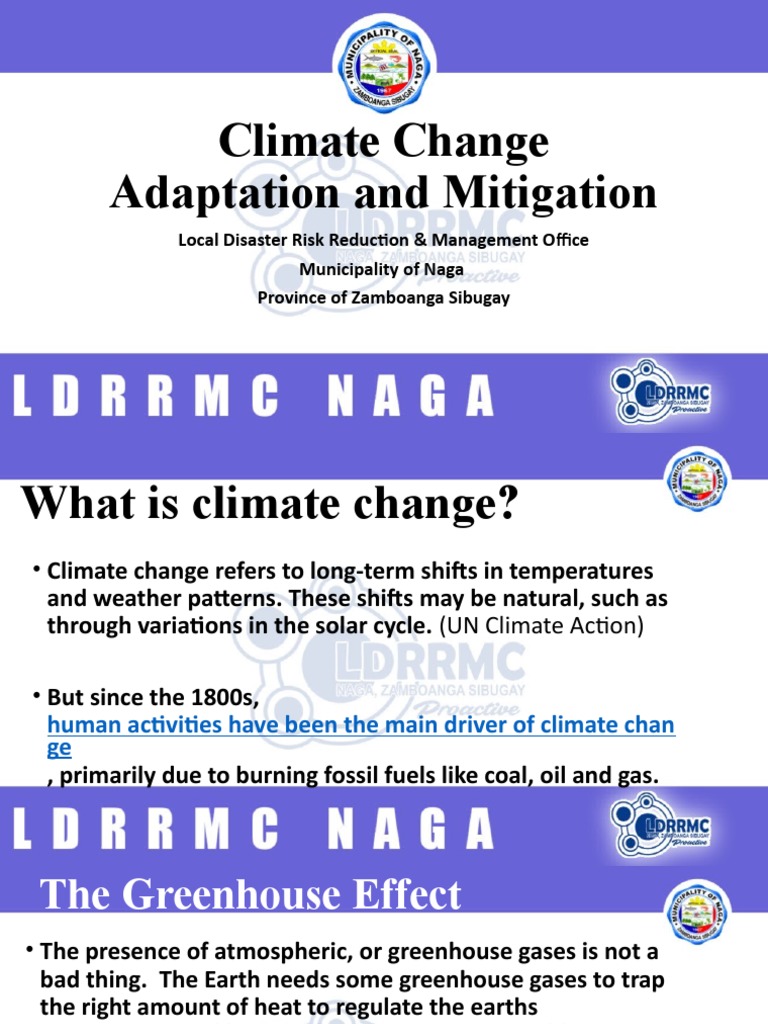
Effective climate action requires integrating mitigation—reducing greenhouse-gas emissions—with adaptation—adjusting societies and ecosystems to unavoidable changes—because each addresses different aspects of climate risk and together they build lasting resilience.
Quick Answer
Climate action must combine mitigation, which limits the amount of future warming by cutting emissions, with adaptation, which lowers vulnerability to the impacts that are already locked in. The two strategies reinforce each other: mitigation reduces the scale of future damage, while adaptation buys time for societies to transition to low‑carbon systems. Evidence from the Intergovernmental Panel on Climate Change (IPCC) shows that relying on either approach alone leaves large gaps in risk management. The main implication is that policies, financing, and planning need to address both emission reductions and resilience measures, while acknowledging uncertainties in climate projections and socioeconomic pathways.
Key Takeaways
- Mitigation cuts the root cause of climate change by lowering greenhouse‑gas emissions.
- Adaptation reduces exposure and sensitivity to climate impacts that are already occurring.
- Both strategies are mutually reinforcing; strong mitigation eases future adaptation needs.
- High‑confidence evidence shows that integrated approaches deliver the greatest risk reduction.
- Equity considerations are essential because vulnerable communities face the highest exposure.
What Is Climate Action’s Dual Approach of Adaptation and Mitigation?
Adaptation refers to adjustments in natural or human systems to lessen harm from climate‑related hazards such as sea‑level rise, heatwaves, or altered precipitation patterns. Mitigation involves actions that reduce the concentration of greenhouse gases (GHGs) in the atmosphere, primarily by shifting energy, transport, and industrial systems toward low‑carbon alternatives. While adaptation manages symptoms, mitigation addresses the underlying cause. The dual approach is distinct from generic “climate resilience” because it explicitly separates (and links) the reduction of future warming from the management of current and near‑future impacts.
How Does It Work?
Mitigation Pathways
- Transition to renewable electricity (solar, wind, hydro) reduces CO2 from fossil‑fuel power plants.
- Improve energy efficiency in buildings, industry, and transport to lower demand.
- Deploy carbon‑capture and storage (CCS) where emissions are hard to eliminate.
- Protect and restore carbon sinks such as forests and wetlands.
Adaptation Pathways
- Strengthen coastal defenses (levees, flood‑walls) and adopt managed retreat where risk is extreme.
- Upgrade water‑management infrastructure to handle more variable precipitation.
- Develop heat‑action plans, including early‑warning systems and cooling centers.
- Promote climate‑smart agriculture that uses drought‑tolerant crops and soil‑conservation practices.
Interaction and Feedbacks
Mitigation can reduce the magnitude of future adaptation needs, while adaptation can protect critical assets that enable continued emission reductions (e.g., resilient power grids). However, poorly designed adaptation—such as expanding coastal development behind levees—can lock in high‑emission pathways, creating a feedback loop that undermines mitigation.
What Does the Evidence Show?
The IPCC Sixth Assessment Report (2021) synthesizes thousands of peer‑reviewed studies and concludes that integrated mitigation‑adaptation strategies achieve up to 30% greater reduction in total climate‑related loss than either approach alone. Systematic reviews of urban climate policies find that cities combining renewable energy targets with flood‑risk zoning experience lower net emissions and fewer disaster losses. Long‑term monitoring by NOAA shows that regions with both emission cuts and adaptive infrastructure (e.g., the Netherlands) have slower temperature rise and fewer flood damages compared with regions focusing on a single pathway.
Main Causes or Drivers
Direct Drivers of Climate Change
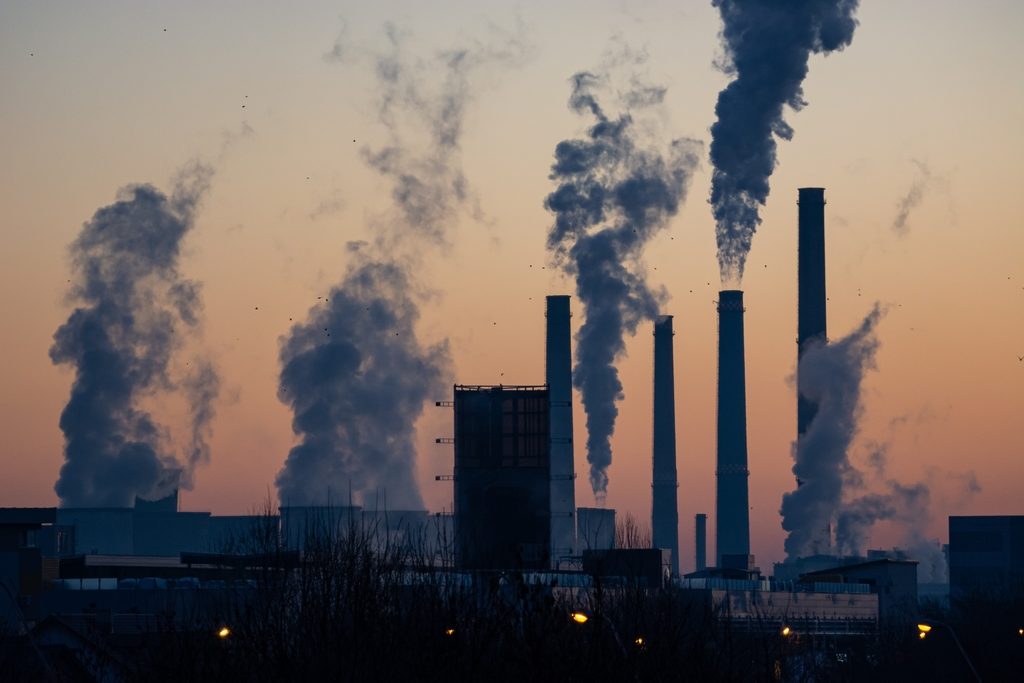
Combustion of coal, oil, and gas releases CO2 and methane, accounting for roughly 76% of global GHG emissions (IPCC, 2021). Deforestation and land‑use change add another 10% by reducing carbon sinks.
Drivers of Vulnerability
Socio‑economic factors—such as poverty, limited access to health services, and inadequate infrastructure—amplify exposure to climate hazards. Urbanisation in low‑lying coastal zones creates dense populations that are highly sensitive to sea‑level rise.
Environmental and Human Impacts
Environmental Impacts
Unmitigated warming accelerates glacier melt, shifts species ranges, and intensifies ocean acidification, threatening biodiversity and ecosystem services. Without adaptation, ecosystems lose the capacity to buffer extreme events, leading to higher erosion and reduced water quality.
Human Health and Social Impacts
Heatwaves increase mortality, especially among the elderly and outdoor workers. Flooding spreads water‑borne diseases and displaces communities, exacerbating mental‑health stressors. Adaptation measures such as early‑warning systems can cut heat‑related deaths by up to 20% (WHO, 2022).
Economic and Infrastructure Impacts
Storm‑related damages cost the global economy an estimated $150 billion per year (World Bank, 2020). Investing in resilient infrastructure can reduce these losses by 30–40% over the next three decades, according to a meta‑analysis of cost‑benefit studies.
Regional Differences
Low‑lying island nations like the Maldives face existential sea‑level threats and therefore prioritise both rapid renewable‑energy deployment (mitigation) and coastal‑defense construction (adaptation). In contrast, interior regions of the United States experience increased wildfire risk; here, mitigation through forest‑management carbon projects pairs with adaptation via community fire‑breaks and health‑response plans. These examples illustrate that the balance of actions varies with geography, exposure, and existing capacities.
What Scientists Know With High Confidence
- Human activities are the dominant cause of observed global warming since the mid‑20th century.
- Reducing CO2 emissions slows the rate of future climate change.
- Both mitigation and adaptation independently lower climate‑related risks.
- Integrated strategies provide greater overall risk reduction than isolated measures.
- Vulnerable populations bear disproportionate climate impacts.
What Remains Uncertain
Key uncertainties include the exact timing and magnitude of climate‑feedback processes such as permafrost thaw, which could release additional methane. Socio‑economic pathways—particularly future population growth and technology adoption—affect both mitigation potential and adaptation needs. These gaps mean precise regional projections retain a range of outcomes, but they do not overturn the core conclusion that combined action is essential.
Common Misconceptions
Misconception: Adaptation means surrendering to climate change.
Reality: Adaptation is proactive planning that reduces harm; it does not replace the need to curb emissions.
Misconception: Mitigation alone will protect everyone.
Reality: Even aggressive emission cuts cannot prevent some near‑term impacts, so adaptation remains necessary for vulnerable groups.
Misconception: Renewable energy automatically solves climate risk.
Reality: While renewables are a cornerstone of mitigation, they must be paired with grid resilience and climate‑aware siting to avoid new vulnerabilities.
Solutions and Limitations
Effective climate action blends the following pillars:
- Mitigation: Renewable energy, energy efficiency, and carbon pricing have strong evidence of emission reductions, but they require upfront investment and policy stability.
- Adaptation: Infrastructure upgrades, nature‑based solutions, and climate‑smart agriculture protect communities; however, they can be costly and may require land that competes with other uses.
- Cross‑cutting measures: Integrated land‑use planning can simultaneously enhance carbon sinks and reduce flood risk, yet success depends on coordinated governance across sectors.
Limitations include financing gaps in low‑income regions, technology transfer barriers, and the risk of maladaptive outcomes if measures are poorly designed.
What Individuals, Communities, and Governments Can Do
What Individuals Can Do
- Choose low‑carbon transportation (public transit, cycling, electric vehicles) where feasible.
- Support local climate‑resilience projects, such as community rain gardens.
- Engage in civic processes to advocate for strong climate policies.
What Communities and Organizations Can Do
- Develop integrated climate action plans that set both emission‑reduction targets and adaptation milestones.
- Invest in green infrastructure that provides flood protection and urban cooling.
- Partner with vulnerable groups to ensure equity in resource allocation.
What Governments Can Do
- Implement ambitious, enforceable GHG reduction commitments aligned with the Paris Agreement.
- Allocate dedicated funding streams for adaptation, especially in high‑risk regions.
- Create regulatory frameworks that prevent maladaptive development, such as restricting new construction in flood‑prone zones.
Closing Synthesis
Climate action succeeds only when mitigation and adaptation are treated as complementary strands of the same strategy. High‑confidence science confirms that emissions drive warming, while adaptation lowers the immediate harms already unfolding. Although uncertainties remain in feedback mechanisms and future socioeconomic trajectories, the evidence overwhelmingly supports integrated policies that cut emissions and build resilience together. By aligning mitigation goals with equitable adaptation measures, societies can safeguard ecosystems, protect public health, and sustain economic prosperity for current and future generations.
Frequently Asked Questions
What is the difference between climate mitigation and adaptation?
Mitigation aims to reduce greenhouse‑gas emissions that cause climate change, while adaptation focuses on adjusting systems to minimize harm from impacts that are already occurring or unavoidable.
Why can’t we rely on mitigation alone to protect vulnerable communities?
Even with rapid emission cuts, some climate impacts—like sea‑level rise and extreme heat—will occur in the near term, so adaptation is needed to protect those most exposed.
What evidence shows that combined mitigation‑adaptation strategies work better?
IPCC assessments and systematic reviews find that integrated approaches can reduce total climate‑related loss by up to 30% compared with using either mitigation or adaptation alone.
Which sectors offer the greatest potential for mitigation?
Energy production (shifting to renewables), transportation (electrification and efficiency), and industry (process improvements and carbon capture) provide the largest emission‑reduction opportunities.
How can local governments start implementing both mitigation and adaptation?
They can create climate action plans that set clear emission‑reduction targets, allocate funds for resilient infrastructure, and adopt land‑use policies that avoid high‑risk areas.






Leave a Comment