
The breakdown of the latest global plastic treaty negotiations has reignited activist outrage, underscoring persistent gaps between scientific consensus on plastic harms and political willingness to act.
Quick Answer
Global plastic treaty talks are multilateral negotiations aimed at establishing a binding framework that limits plastic production, improves waste management, and promotes recycling; the most recent round collapsed because major polluting nations could not agree on equitable responsibilities and enforcement mechanisms. Scientific evidence consistently shows that plastic debris harms marine life, contaminates food webs, and poses health risks, making the treaty’s failure a significant setback. However, uncertainties remain about the exact scale of future emissions and the effectiveness of voluntary measures, meaning the outcome is not irreversible if alternative policies are pursued.
Key Takeaways
- Plastic pollution is a global, cross‑ecosystem threat supported by decades of peer‑reviewed research.
- The treaty talks collapsed mainly over disputes on responsibility sharing and enforcement standards.
- High‑confidence science links plastic debris to biodiversity loss, microplastic ingestion, and potential human health impacts.
- Uncertainties focus on future production pathways, degradation rates in different environments, and socioeconomic trade‑offs of policy options.
- Effective solutions require coordinated regulation, corporate responsibility, and community‑level actions, not just voluntary pledges.
What Is Global Plastic Treaty Talks Collapse Again Sparking Outrage From Activists?
The term refers to the repeated failure of United Nations‑convened negotiations to adopt a comprehensive, legally binding agreement that would curb the life‑cycle impacts of plastic—from extraction of fossil‑based feedstocks to end‑of‑life waste management. The talks involve nearly 200 parties, including governments, intergovernmental organizations, and observer NGOs. Unlike voluntary industry pledges, a treaty would set measurable targets, reporting requirements, and compliance mechanisms. Activist outrage stems from the perception that political deadlock allows continued plastic overproduction despite clear scientific warnings.
How Does It Work?
Negotiation Process
- Preparatory workshops identify priority topics such as production caps, single‑use bans, and recycling standards.
- Draft language is circulated for comment; each country submits position papers reflecting national interests.
- Plenary sessions attempt to reconcile differences, often through compromise clauses or differentiated responsibilities.
- Consensus is required for adoption; a single dissenting bloc can block the treaty.
Key Mechanisms Within a Successful Treaty
- Production limits: caps on virgin plastic resin production measured in metric tonnes per year.
- Extended producer responsibility (EPR): legal obligations for manufacturers to finance collection and recycling.
- Standardized labeling: uniform symbols indicating recyclability and hazardous additives.
- Monitoring and reporting: mandatory national inventories submitted to a UN secretariat.
What Does the Evidence Show?
Multiple assessment reports, including the United Nations Environment Programme (UNEP) 2022 “Single‑Use Plastics” roadmap, document that annually about 360 million tonnes of plastic are produced worldwide, of which roughly 8 percent is recycled (UNEP, 2022). Long‑term monitoring by the International Union for Conservation of Nature (IUCN) links plastic debris to declines in seabird breeding success and coral‑reef health. A 2021 systematic review in *Science Advances* found that microplastics have been detected in the tissues of over 90 percent of marine species sampled, indicating pervasive exposure. Human health studies, such as a 2020 review by the World Health Organization, note that while definitive causal links are still emerging, ingestion of microplastics is associated with potential endocrine disruption.
Main Causes or Drivers
Direct Causes
- Mass production of single‑use items (e.g., packaging, straws, cutlery) driven by low‑cost fossil‑based polymers.
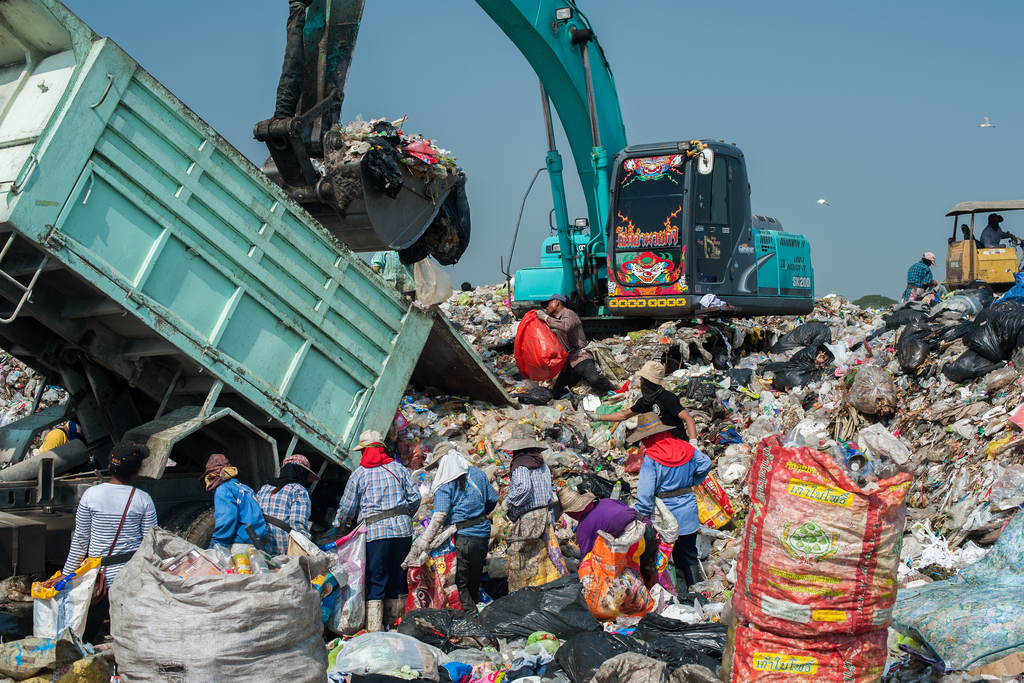
- Inadequate waste collection infrastructure, especially in low‑income coastal regions.
- Improper disposal practices, including open dumping and littering.
Underlying Drivers
- Economic incentives favoring cheap, disposable plastics over durable alternatives.
- Global trade patterns that export low‑value plastic waste from high‑income to lower‑income countries.
- Limited regulatory harmonization, leading to “regulatory arbitrage” where manufacturers locate production in jurisdictions with lax standards.
Environmental and Human Impacts
Environmental Impacts
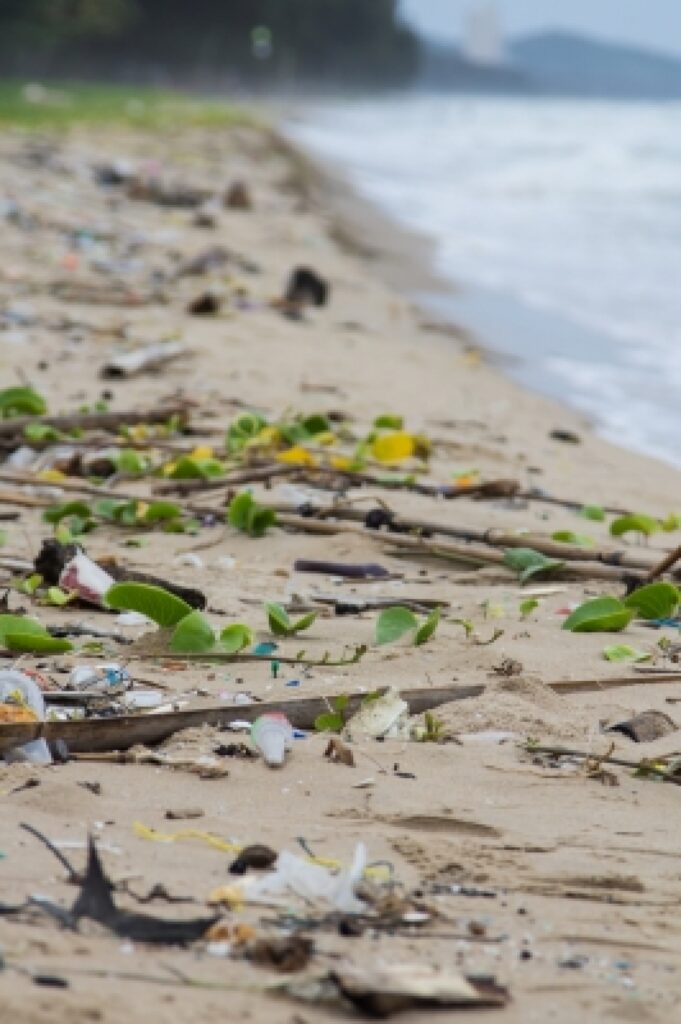
Plastic debris physically entangles marine mammals, turtles, and fish, causing injury or mortality. Chemical additives such as phthalates leach into water, disrupting endocrine systems of aquatic organisms. Microplastics act as vectors for invasive microbes and persistent organic pollutants, magnifying toxicity up the food chain.
Human Health and Social Impacts
Populations that rely on seafood are exposed to microplastics through diet; studies in the European Food Safety Authority (EFSA) report detectable microplastic particles in a majority of fish samples. Communities lacking formal waste services often experience clogged drainage, flooding, and reduced tourism revenue, disproportionately affecting low‑income households.
Economic and Infrastructure Impacts
The World Bank estimates that inadequate plastic waste management costs economies up to $2.5 trillion annually in lost tourism, fisheries, and cleanup expenses (World Bank, 2018). Conversely, recycling industries generate jobs; however, market volatility for recycled resin can undermine economic viability.
Regional Differences
In high‑income regions such as the European Union, collection rates exceed 50 percent, yet plastic packaging consumption remains high, leading to “down‑stream” waste challenges. In contrast, many Southeast Asian nations report collection rates below 30 percent, with large quantities of mismanaged waste entering the ocean via river discharge, as documented by the 2020 “Global River Plastic Emissions” study (Jambeck et al., 2020). Tropical coastal cities face compounded risks from both high plastic use and limited landfill space, while landlocked regions may experience different waste‑to‑energy dynamics.
What Scientists Know With High Confidence
- Plastic production has increased more than tenfold since the 1950s, and most of it is derived from fossil fuels.
- Marine litter composed of plastic is a leading source of wildlife mortality worldwide.
- Microplastics are present in virtually all marine environments, from surface waters to deep‑sea sediments.
- Extended producer responsibility policies in several OECD countries have demonstrably increased recycling rates.
What Remains Uncertain
Key knowledge gaps include the long‑term health effects of chronic microplastic ingestion in humans, the degradation pathways of emerging biodegradable polymers under real‑world conditions, and the socioeconomic impacts of strict production caps on low‑income manufacturers. Modeling studies differ on how quickly global plastic emissions could be halved under various policy scenarios, reflecting uncertainties in consumer behavior and technological adoption.
Common Misconceptions
Misconception: Recycling solves the plastic problem.
Reality: While recycling reduces demand for virgin resin, global recycling rates remain below 10 percent for many plastic types, and down‑cycling often yields lower‑value products.
Misconception: Biodegradable plastics disappear harmlessly in the environment.
Reality: Most “biodegradable” labels apply only under industrial composting conditions; in marine settings they can persist similarly to conventional plastics.
Misconception: Plastic pollution is only a coastal issue.
Reality: Plastic particles are now found in inland soils, freshwater systems, and even atmospheric dust, indicating a truly global distribution.
Solutions and Limitations
Effective responses combine regulatory, market, and community approaches.
- Regulation: Binding caps on single‑use items can reduce consumption, but enforcement requires robust monitoring infrastructure.
- Economic Instruments: Taxes on virgin plastic resin incentivize alternatives; however, such measures may raise costs for low‑income consumers if not paired with subsidies.
- Corporate Commitments: Extended producer responsibility schemes shift waste‑handling costs to manufacturers, yet voluntary targets often lack accountability.
- Innovation: Development of truly biodegradable polymers shows promise, but large‑scale production remains cost‑prohibitive and life‑cycle impacts are not fully quantified.
- Community Action: Cleanup campaigns raise awareness but cannot replace systemic waste‑management reforms.
What Individuals, Communities, and Governments Can Do
What Individuals Can Do
- Prefer reusable containers and avoid products with unnecessary plastic packaging.
- Support brands with transparent supply chains and verified EPR commitments.
- Participate in local waste‑sorting programs and report illegal dumping.
What Communities and Organizations Can Do
- Establish neighborhood collection points for hard‑to‑recycle items such as fishing gear.
- Partner with NGOs to conduct education campaigns on plastic alternatives.
- Advocate for municipal budgets that prioritize modern waste‑treatment facilities.
What Governments Can Do
- Adopt legally binding standards for product design, mandating minimum recycled content.
- Implement differentiated EPR schemes that reflect a producer’s share of global plastic output.
- Provide technical assistance and financing to low‑income countries to build collection and recycling infrastructure.
- Facilitate transparent data reporting to monitor progress against treaty‑level goals.
What Businesses and Industries Can Do
- Redesign packaging to eliminate single‑use plastics and incorporate circular‑economy principles.
- Invest in research for safe, degradable materials and share findings through open‑access platforms.
- Publish annual plastic‑footprint reports verified by third‑party auditors.
Closing Synthesis
The collapse of the global plastic treaty talks underscores the persistent clash between scientific urgency and political compromise. While high‑confidence evidence confirms that plastic pollution threatens ecosystems and human health, uncertainties about future pathways and socioeconomic impacts remain. Nevertheless, a suite of evidence‑backed solutions—ranging from enforceable regulations to corporate responsibility and community engagement—offers a pragmatic roadmap. Continued activist pressure, combined with coordinated policy action, can transform the current impasse into a catalyst for meaningful, long‑term change.
Frequently Asked Questions
What caused the recent collapse of the global plastic treaty negotiations?
The talks fell apart because major polluting countries could not agree on how to share responsibility, the stringency of production caps, and the enforcement mechanisms needed for a legally binding agreement.
How does plastic pollution affect marine wildlife?
Plastic debris can entangle animals, cause internal injuries when ingested, and release toxic additives that disrupt endocrine systems, leading to reduced reproductive success and higher mortality rates among marine species.
What are the high‑confidence scientific findings about plastic waste?
Scientists are confident that plastic production has surged tenfold since the 1950s, that marine litter is a leading cause of wildlife mortality, that microplastics are ubiquitous in oceans, and that extended producer responsibility policies boost recycling rates where applied.
Which solutions have proven effective in reducing plastic pollution?
Evidence‑backed solutions include binding bans on single‑use items, extended producer responsibility schemes that make manufacturers fund collection, targeted taxes on virgin resin, and well‑designed recycling programs supported by robust monitoring.
What actions can individuals take to help address plastic waste?
Individuals can cut personal use of disposable plastics, choose reusable containers, support brands with transparent supply chains, participate in local sorting programs, and report illegal dumping to authorities.





Leave a Comment