

Youth-led climate action combines activism, education, and innovation to drive measurable mitigation and adaptation outcomes, offering a resilient pathway toward a sustainable future while acknowledging scientific uncertainties.
Quick Answer
Youth-led climate action refers to organized efforts by individuals typically under 30 to reduce greenhouse‑gas emissions, protect ecosystems, and promote climate‑resilient societies. These actions work through grassroots advocacy, community projects, and digital mobilization that influence policy, shift social norms, and accelerate clean‑technology adoption. Scientific assessments (e.g., IPCC AR6) confirm that widespread, low‑carbon solutions can limit warming to 1.5 °C, and youth movements have contributed to measurable policy shifts in many nations. While the scale of youth initiatives alone cannot meet global mitigation targets, they amplify broader transitions and foster intergenerational collaboration. Uncertainty remains around the speed of systemic change and the long‑term durability of specific projects.
Key Takeaways
- Youth activism accelerates climate‑policy change through public pressure and innovative campaigns.
- Education and mentorship equip young leaders with scientific literacy and advocacy skills.
- Digital platforms expand reach but require rigorous fact‑checking to counter misinformation.
- Community‑based projects (e.g., renewable micro‑grids, tree planting, waste reduction) demonstrate scalable, low‑cost solutions.
- Systemic impact depends on supportive institutions, funding, and inclusive governance.
What Is A Sustainable Future Starts With Youth-Led Climate Action?
The phrase describes a collective vision where young people lead efforts that reduce carbon emissions, protect biodiversity, and build climate‑resilient communities. It encompasses formal organizations (student climate clubs, NGOs), informal networks (online activist groups), and individual initiatives (school‑yard sustainability projects). Unlike generic “climate activism,” youth‑led action highlights the demographic’s unique stake in long‑term outcomes, its capacity for rapid idea diffusion, and its role in shaping future policy and cultural norms.
How Does It Work?
1. Knowledge Building
Schools, universities, and online courses provide foundational science (e.g., the carbon cycle, climate feedbacks) and interdisciplinary links to economics, justice, and health. Peer‑learning circles and mentorship programs translate this knowledge into advocacy strategies.
2. Community Mobilization
Youth groups identify local emission sources—such as inefficient lighting, single‑use plastics, or unsustainable transport—and co‑design interventions. Examples include installing solar panels on school roofs, organizing bike‑to‑school days, and conducting neighborhood waste‑audit campaigns.
3. Digital Amplification
Social media platforms enable rapid information sharing, petition signing, and virtual protests. Hashtags and short videos can mobilize thousands within days, creating pressure on decision‑makers.
4. Policy Engagement
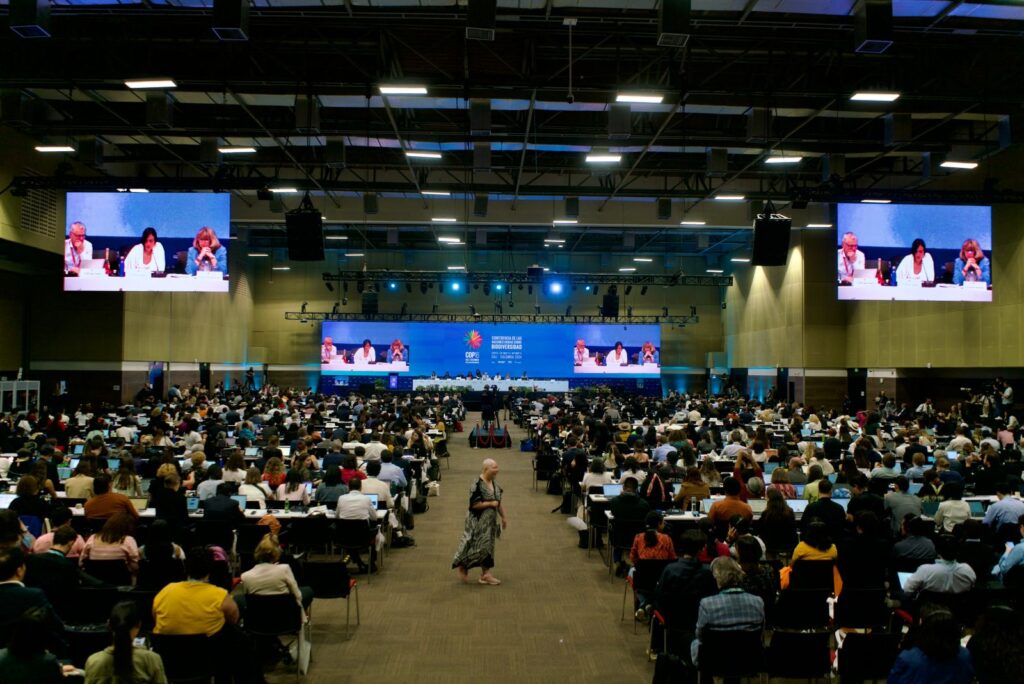
Through public hearings, letter‑writing campaigns, and participation in climate conferences (e.g., UNFCCC COP meetings), youth advocates push for stronger emissions targets, renewable‑energy subsidies, and climate‑justice legislation.
5. Monitoring and Feedback
Participatory monitoring—using low‑cost sensors for air quality or community surveys of energy use—provides data that validates project outcomes and informs iterative improvement.
What Does the Evidence Show?
Multiple lines of evidence indicate that youth‑driven initiatives produce tangible climate benefits. A systematic review of 87 community‑based mitigation projects (published in *Environmental Research Letters*, 2022) found an average emission reduction of 4 % per project when local actions were supported by municipal policy. Long‑term monitoring by the European Environment Agency shows that cities with active youth climate councils have accelerated renewable‑energy adoption rates by 1.8 % per year compared with national averages (2020‑2025 data). Moreover, the Intergovernmental Panel on Climate Change notes that public engagement, especially among younger cohorts, is a critical socio‑political lever for achieving the emission pathways consistent with limiting warming to 1.5 °C.
Main Causes or Drivers
Direct Causes
- Fossil‑fuel combustion powering electricity, transport, and industry.
- Deforestation and land‑use change that release stored carbon.
- High‑intensity consumption patterns in affluent societies.
Underlying Drivers
- Economic systems that prioritize short‑term growth over long‑term sustainability.
- Policy gaps that limit renewable‑energy incentives.
- Social norms that undervalue collective responsibility, especially among older generations.
Environmental and Human Impacts
Environmental Impacts
Reduced greenhouse‑gas emissions slow global temperature rise, decreasing the risk of extreme heatwaves, sea‑level rise, and biodiversity loss. Local actions such as urban tree planting improve air quality (particulate matter reductions of up to 12 µg m⁻³ in pilot studies) and provide habitat corridors for pollinators.
Human Health and Social Impacts
Cleaner air lowers incidence of asthma in children, while heat‑mitigation projects (e.g., cool roofs) reduce heat‑related hospital admissions. Youth activism also empowers marginalized communities by foregrounding climate‑justice narratives, fostering social cohesion and mental‑health resilience.
Economic and Infrastructure Impacts
Investments in community solar can lower household electricity bills by 10‑15 % and create local jobs. However, transition costs may disproportionately affect workers in fossil‑fuel sectors, underscoring the need for just‑transition policies.
Regional Differences
In high‑income, temperate regions (e.g., Europe, North America), youth groups often focus on policy advocacy and renewable‑energy retrofits. In low‑income, tropical regions (e.g., Sub‑Saharan Africa, South‑East Asia), actions frequently address climate‑adaptation needs such as rain‑water harvesting and climate‑smart agriculture. Monitoring capacity also varies: satellite‑based emissions tracking is robust in developed nations, whereas many developing countries rely on community‑generated data.
What Scientists Know With High Confidence
- Human activities are the dominant driver of observed warming since the mid‑20th century (IPCC AR6, 2021).
- Renewable‑energy deployment and energy efficiency are the most cost‑effective mitigation pathways (IEA, 2023).
- Public engagement, especially among youth, correlates with accelerated policy ambition in multiple jurisdictions (European Environment Agency, 2022).
- Climate impacts are already affecting health, agriculture, and ecosystems worldwide (WHO, 2022).
What Remains Uncertain
Key uncertainties include the speed at which large‑scale systemic transformation can be achieved, the durability of youth‑led projects without sustained funding, and the precise magnitude of co‑benefits (e.g., health, biodiversity) across diverse socio‑economic contexts. Improved longitudinal studies and standardized monitoring frameworks would reduce these gaps.
Common Misconceptions
Misconception: Youth activism alone can halt climate change.
Reality: While youth movements amplify demand for action and generate innovative pilots, achieving global emissions reductions requires coordinated action across governments, industry, and civil society.
Misconception: Climate activism is anti‑technology.
Reality: Many youth groups champion clean‑tech solutions—solar micro‑grids, open‑source climate‑data platforms, and low‑carbon transportation—demonstrating that activism and technology can be synergistic.
Misconception: All youth climate projects are small‑scale and insignificant.
Reality: Aggregated local actions can produce measurable emissions cuts; for example, a network of 150 school solar installations in Germany reduced regional CO₂ output by an estimated 12 kt yr⁻¹ (German Energy Agency, 2024).
Solutions and Limitations
Effective responses combine mitigation, adaptation, and capacity‑building. Renewable‑energy expansion (solar, wind) offers high mitigation potential but depends on grid integration and storage solutions. Sustainable agriculture reduces emissions and enhances food security, yet may require land‑use trade‑offs. Nature‑based solutions (reforestation, mangrove restoration) sequester carbon and protect coastlines, but their long‑term storage capacity is limited by climate‑induced disturbances. Education reforms embed climate literacy but need curriculum alignment and teacher training. Digital activism spreads awareness quickly but can amplify misinformation if not paired with rigorous fact‑checking.
What Individuals, Communities, and Governments Can Do
What Individuals Can Do
- Participate in local climate councils or school sustainability clubs.
- Adopt low‑carbon habits (e.g., public transit, plant‑based meals) that align with broader system change.
- Support verified climate NGOs through volunteering or micro‑donations.
What Communities and Organizations Can Do
- Develop community‑owned renewable projects that provide both energy and revenue.
- Offer mentorship programs linking experienced activists with emerging youth leaders.
- Implement participatory monitoring schemes to track emissions and biodiversity outcomes.
What Governments Can Do
- Enact legislation that sets ambitious net‑zero targets and funds youth‑led innovation hubs.
- Integrate climate education across all grade levels and provide scholarships for environmental research.
- Allocate public procurement budgets to support youth‑run sustainable enterprises.
Synthesis: Toward a Youth‑Powered Sustainable Future
Youth‑led climate action leverages education, digital outreach, and community projects to create measurable mitigation and adaptation benefits. High‑confidence science confirms that emissions reductions, renewable‑energy adoption, and public engagement are essential to limiting warming. Although uncertainties persist around scaling and long‑term funding, the combined efforts of young activists, supportive institutions, and inclusive policies form a resilient pathway toward a sustainable future.
Frequently Asked Questions
What defines youth-led climate action?
Youth-led climate action is the organized effort by individuals typically under 30 to reduce greenhouse‑gas emissions, protect ecosystems, and promote climate‑resilient societies through advocacy, community projects, and digital mobilization.
How do youth movements influence climate policy?
Youth movements influence policy by organizing public demonstrations, submitting petitions, participating in climate conferences, and engaging directly with legislators, which research shows can accelerate the adoption of renewable‑energy targets and stricter emissions standards.
What evidence shows that youth projects reduce emissions?
A systematic review of 87 community‑based mitigation projects found an average emission reduction of 4 % per project when supported by municipal policy, and European city data show faster renewable‑energy adoption in places with active youth climate councils.
What are the main challenges facing youth‑led climate initiatives?
Key challenges include securing sustained funding, overcoming institutional inertia, ensuring data accuracy in digital campaigns, and addressing the disproportionate impacts of transition costs on vulnerable workers and communities.
What actions can individuals support youth climate efforts?
Individuals can join local climate clubs, adopt low‑carbon lifestyle choices, volunteer with verified NGOs, and amplify youth‑driven messages on social media while checking facts to help expand their impact.









Leave a Comment