
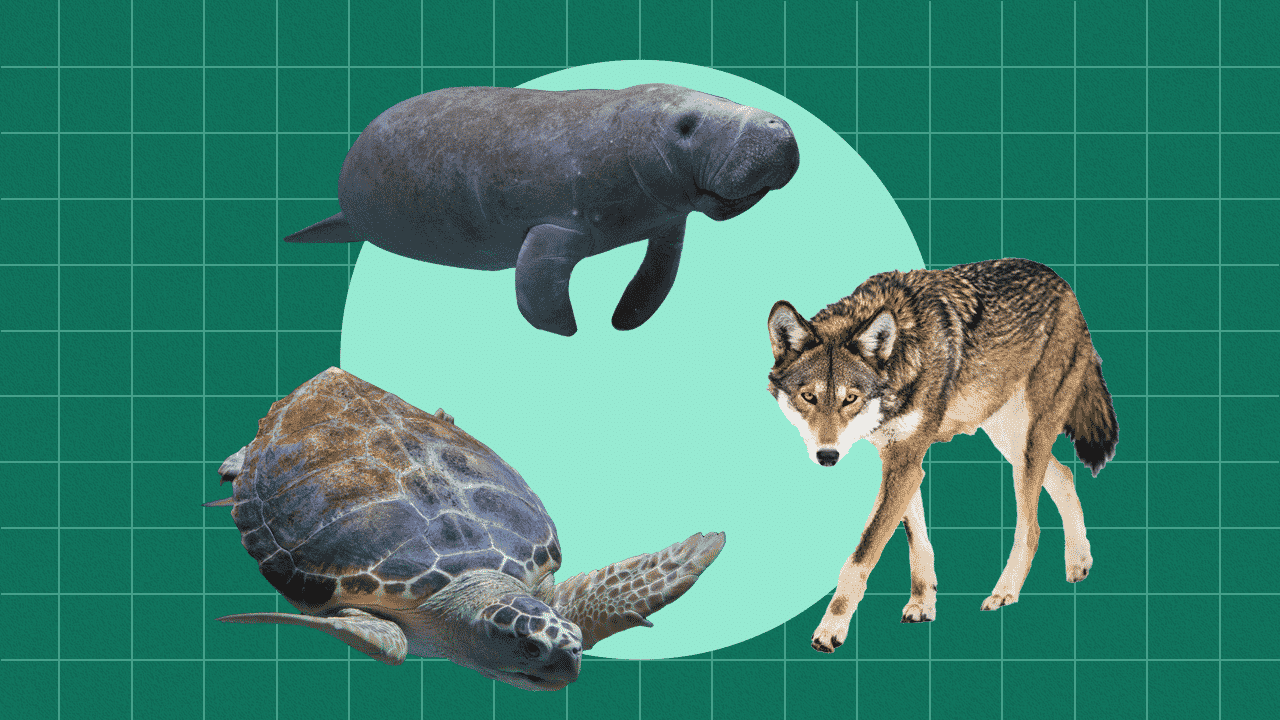
The United States is home to a range of species that are on the brink of extinction, and understanding their ecological roles, threats, and evidence‑based solutions is essential for long‑term biodiversity protection.
Quick Answer
Endangered species in the United States are wildlife whose populations have declined to the point where they face a very high risk of extinction in the near future, as classified by the IUCN Red List or the U.S. Endangered Species Act. The primary drivers are habitat loss, climate change, invasive species, and direct human pressures such as hunting or poisoning. These losses disrupt ecosystem functions—such as predator‑prey dynamics and pollination—affecting both natural systems and human wellbeing. While scientific confidence is strong that these drivers are linked to declines, uncertainties remain around population trends for less‑studied taxa and the long‑term effectiveness of some recovery programs.
Key Takeaways
- Habitat fragmentation and climate change are the leading causes of species endangerment in the U.S.
- Top predators like the red wolf provide ecosystem services that cannot be easily replaced.
- Recovery programs have succeeded for some species (e.g., California condor) but ongoing threats persist.
- Effective solutions combine habitat protection, threat mitigation, and community engagement.
- Data gaps for many invertebrates and small vertebrates limit precise assessment of extinction risk.
What Is A Closer Look at the Most Endangered Species in the United States?
The phrase refers to a systematic examination of wildlife that the U.S. Fish and Wildlife Service (USFWS) and the International Union for Conservation of Nature (IUCN) list as endangered or critically endangered. It includes mammals, birds, reptiles, amphibians, fish, and selected invertebrates whose populations have fallen to fewer than 2,500 mature individuals, occupy less than 20 % of their historic range, or experience rapid declines (>30 % over ten years). The term differs from “threatened,” which denotes a lower risk level, and from “historic extinction,” which describes species that have already disappeared.
How Does It Work?
Ecological Processes Underpinning Species Decline
- Habitat loss: Conversion of forests, wetlands, and grasslands to agriculture or urban uses removes the physical space species need for feeding, breeding, and shelter.
- Fragmentation: Remaining habitats become isolated, limiting gene flow and increasing vulnerability to stochastic events.
- Climate change: Shifts in temperature and precipitation alter the distribution of suitable habitats, often faster than species can disperse.
- Direct mortality: Illegal hunting, vehicle collisions, and poisoning (e.g., lead ammunition for scavengers) cause immediate population drops.
- Invasive species: Non‑native predators or competitors outcompete native species for resources.
Conservation Response Cycle
- Assessment – USFWS conducts status reviews using population surveys and threat analyses.
- Listing – Species meeting criteria are listed under the Endangered Species Act.
- Recovery Planning – Species‑specific plans set measurable goals, such as habitat restoration targets.
- Implementation – Agencies, NGOs, and landowners carry out actions like captive‑breeding, re‑introduction, and habitat corridors.
- Monitoring – Long‑term data inform adaptive management and potential delisting.
What Does the Evidence Show?
Long‑term monitoring by the USFWS and peer‑reviewed assessments indicate that 1,300 vertebrate species in the United States are listed as endangered or threatened (USFWS 2023). For iconic species, the evidence is robust:
- Red wolf (Canis rufus): The wild population fell below 20 individuals in 2020; genetic analyses confirm severe inbreeding (USFWS 2022).
- California condor (Gymnogyps californianus): A captive‑breeding program increased the total population from 27 in 1987 to roughly 500 individuals by 2022 (USFWS 2022).
- Eastern massasauga rattlesnake (Sistrurus catenatus): State surveys show a 30 % decline in occupancy across the Midwest between 2000 and 2020 (NatureServe 2021).
- Steller’s eider (Polysticta stelleri): Climate‑driven loss of Arctic sea‑ice has been linked to a 40 % reduction in breeding success over the past three decades (NOAA 2021).
These findings are supported by multiple independent data streams—field counts, satellite‑derived habitat change, and genetic studies—providing strong confidence in the observed trends.
Main Causes or Drivers
Direct Causes
- Land‑use conversion for agriculture, housing, and energy development.
- Poaching and unregulated hunting.
- Lead poisoning from spent ammunition, especially for scavengers such as the California condor.
Underlying Drivers
- Economic incentives that prioritize short‑term land productivity over long‑term ecosystem health.
- Policy gaps in protecting critical corridors that connect fragmented habitats.
- Climate change accelerating habitat shifts and increasing extreme weather events.
Environmental and Human Impacts
Environmental Impacts
Loss of apex predators like the red wolf can trigger trophic cascades, leading to overabundance of mesopredators and herbivores, which in turn reduces plant diversity. Declines in pollinator‑dependent species affect crop yields and wild plant reproduction, while the disappearance of scavengers hampers nutrient cycling.
Human Health and Social Impacts
Reduced biodiversity can diminish ecosystem services that buffer disease transmission; for example, intact predator communities help control rodent populations that carry hantavirus. Cultural values tied to iconic species—such as Indigenous spiritual connections to the condor—are also jeopardized.
Regional Differences
Endangerment patterns vary across the United States:
- Southeast: Habitat loss from rapid urban expansion threatens the red wolf and gopher tortoise.
- West Coast: Agricultural runoff and water diversions impact the California condor’s foraging range.
- Great Lakes region: Invasive species like the round goby compete with native fish, affecting the massasauga rattlesnake’s prey base.
- Arctic Alaska: Melting sea‑ice directly reduces breeding habitat for Steller’s eider.
What Scientists Know With High Confidence
What Scientists Know With High Confidence
- Habitat loss and fragmentation are the primary drivers of vertebrate endangerment in the United States.
- Climate change is already reducing suitable habitat for Arctic‑breeding waterfowl such as Steller’s eider.
- Conservation interventions (captive breeding, habitat protection) have demonstrably increased populations of the California condor and the black‑footed ferret.
- Apex predators provide irreplaceable ecosystem services that maintain biodiversity stability.
What Remains Uncertain
What Remains Uncertain
Key knowledge gaps include precise population estimates for many small‑mammal and insect taxa, long‑term effectiveness of genetic rescue for highly inbred populations, and the cumulative impact of multiple stressors (e.g., climate change plus invasive species) on species with limited ranges. Improved monitoring networks and climate‑adaptation modeling are needed to reduce these uncertainties.
Common Misconceptions
Common Misconceptions
Misconception: Endangered species are only “big” animals.
Reality: Many invertebrates, amphibians, and small fish meet endangerment criteria but receive less public attention, despite their critical ecological roles.
Misconception: Once a species is listed, it is protected everywhere.
Reality: Legal protection applies primarily to federal lands; private lands may lack strong safeguards unless voluntary agreements or incentives are in place.
Misconception: Captive‑breeding alone can save a species.
Reality: Without suitable wild habitat, re‑introduced individuals cannot establish self‑sustaining populations, as shown by limited success in some re‑introduction attempts.
Solutions and Limitations
Effective strategies combine several approaches:
- Habitat protection and restoration: Land acquisition and conservation easements preserve critical areas, but funding constraints limit large‑scale implementation.
- Threat mitigation: Banning lead ammunition in condor range reduces poisoning risk; however, compliance varies among hunters.
- Climate‑adaptation planning: Creating climate‑resilient corridors helps species shift ranges, yet predicting future suitable habitats carries uncertainty.
- Community engagement: Education reduces persecution of snakes, but cultural attitudes can change slowly.
- Policy and enforcement: Strengthening the Endangered Species Act’s provisions can improve outcomes, but political opposition may hinder amendments.
What Individuals, Communities, and Governments Can Do
What Individuals Can Do
- Support organizations that fund habitat acquisition and species recovery.
- Use non‑lead ammunition when hunting in areas inhabited by scavengers.
- Participate in citizen‑science monitoring programs (e.g., eBird, HerpMapper).
What Communities and Organizations Can Do
- Develop and maintain wildlife corridors on municipal lands.
- Adopt land‑use plans that limit development in high‑value habitats.
- Offer incentives for private landowners to implement conservation practices.
What Governments Can Do
- Allocate sufficient funding for USFWS recovery programs and long‑term monitoring.
- Enforce existing protections against illegal poaching and habitat destruction.
- Integrate climate‑adaptation scenarios into federal land‑management policies.
Closing Synthesis
The most endangered species in the United States illustrate how habitat loss, climate change, and direct human pressures intersect to threaten biodiversity. Strong evidence confirms that protecting and restoring habitats, mitigating specific threats, and engaging stakeholders are essential for recovery. Uncertainties remain around the future trajectories of less‑studied taxa and the compounded effects of multiple stressors. By aligning scientific knowledge with targeted, equitable actions across individual, community, and governmental levels, the nation can halt and reverse the decline of its most vulnerable wildlife.
Frequently Asked Questions
What criteria determine if a species is classified as endangered in the United States?
A species is classified as endangered when it meets any of the U.S. Endangered Species Act thresholds: fewer than 2,500 mature individuals, a decline of more than 30 % over ten years, or occupancy of less than 20 % of its historic range, as assessed by the USFWS.
How does habitat fragmentation affect the red wolf population?
Fragmentation isolates remaining red wolf packs, limiting gene flow and increasing inbreeding. Small, disconnected habitats also raise the risk of human‑wolf conflict, which further reduces survival rates.
Why is lead poisoning a major threat to the California condor?
California condors scavenge on carcasses that may contain fragments of lead bullets. Ingested lead causes kidney failure and death, accounting for a significant proportion of condor mortality despite captive‑breeding successes.
What role do apex predators play in ecosystem stability?
Apex predators regulate prey populations, preventing overgrazing and maintaining plant diversity. Their presence creates a cascade of effects that support higher overall biodiversity and ecosystem resilience.
What practical actions can individuals take to help endangered species?
Individuals can support conservation NGOs, use non‑lead ammunition in relevant hunting areas, and contribute to citizen‑science projects that monitor wildlife trends, thereby aiding data collection and awareness.








Leave a Comment