
A Fossil Fuel Non‑Proliferation Treaty (FFNPT) would legally bind nations to stop expanding coal, oil and gas extraction and to manage a phased‑out of existing production, aligning global energy systems with the Paris Agreement’s 1.5 °C pathway.
Quick Answer
The Fossil Fuel Non‑Proliferation Treaty is a proposed multilateral agreement that obliges signatory countries to halt new fossil‑fuel extraction projects and to pursue a managed phase‑out of existing coal, oil and gas operations. By setting legally binding caps, verification mechanisms and finance provisions, the treaty seeks to keep cumulative CO₂ emissions within the 1.5 °C limit identified by the Intergovernmental Panel on Climate Change. While the scientific case is strong, success depends on political will, equitable financing and the ability to address uncertainties around energy demand and technology deployment.
Key Takeaways
- The FFNPT would create universal limits on new coal, oil and gas projects, complementing existing climate accords.
- High‑confidence climate science links fossil‑fuel emissions to global warming, extreme weather and millions of premature deaths.
- Equity concerns arise because many low‑income nations sit on large undiscovered reserves while wealthier countries have historically driven emissions.
- Implementation faces powerful industry lobbying, financing gaps for a just transition, and divergent national energy needs.
- Success requires coupling the treaty with rapid renewable‑energy deployment, energy‑efficiency measures and robust monitoring.
What Is The Case for a Fossil Fuel Non‑Proliferation Treaty Explained?
The term “Fossil Fuel Non‑Proliferation Treaty” mirrors the language of the Nuclear Non‑Proliferation Treaty, framing uncontrolled fossil‑fuel extraction as a security and environmental threat that must be collectively restrained. Unlike voluntary pledges, the FFNPT would be a legally binding instrument that defines clear caps on new coal, oil and gas projects, sets timelines for phasing out existing production, and establishes verification protocols through satellite monitoring and independent audits. The treaty also envisions a dedicated finance mechanism to support developing nations in adopting clean‑energy alternatives, making it distinct from carbon‑pricing schemes that target only the demand side of emissions.
How Does It Work?
1. Negotiation of Global Production Caps
Participating states would agree on a collective ceiling for new fossil‑fuel reserves, derived from climate‑compatible pathways outlined in the IPCC’s 2021 Working Group III report. The cap would be expressed in gigatonnes of carbon‑equivalent (GtCO₂e) and allocated among regions based on historical responsibility, economic capacity and development needs.

2. National Implementation Plans
Each signatory would draft a detailed plan describing how it will meet its share of the global cap. Plans must include:
- Timelines for shutting down coal mines and coal‑fired power plants.
- Limits on offshore oil and gas drilling permits.
- Roadmaps for retiring high‑emission infrastructure and replacing it with renewable generation.
3. Verification and Reporting
Transparent data would be gathered through a combination of satellite‑based remote sensing, national production inventories and independent third‑party audits. Countries would submit annual reports to a treaty secretariat, which would cross‑check the information against the satellite database.
4. Finance and Technology Transfer
Wealthier nations would contribute to a dedicated fund, similar to the Green Climate Fund, to finance renewable‑energy projects, grid upgrades and workforce retraining in lower‑income countries. The fund would also support research on storage, green hydrogen and carbon‑capture technologies.
5. Enforcement Mechanisms
Non‑compliance could trigger trade‑related penalties, suspension of voting rights in treaty bodies, or mandatory corrective actions adjudicated by a dispute‑resolution panel. The enforcement framework is designed to be proportional, allowing for remedial action rather than punitive isolation.
What Does the Evidence Show?
Multiple, independent lines of evidence converge on the conclusion that limiting fossil‑fuel supply is essential to meet climate goals. Ice‑core records and modern atmospheric monitoring show that CO₂ concentrations have risen by roughly 50 % since pre‑industrial times, reaching 421 ppm in 2023 (NOAA, 2023). The IPCC’s Special Report on Global Warming of 1.5 °C (2021) estimates a remaining carbon budget of about 2,400 GtCO₂ for a 50 % chance of staying below 1.5 °C, implying that a substantial share of known reserves must stay unextracted.
Systematic health reviews by the World Health Organization (2022) link ambient particulate matter from fossil‑fuel combustion to an estimated 4.2 million premature deaths each year. Economic modelling by the International Energy Agency (2022) indicates that a rapid coal phase‑out could avoid up to 2 °C of warming while creating net‑positive employment in renewable‑energy sectors.
These findings are reinforced by peer‑reviewed assessments of climate‑risk pathways, which consistently show that demand‑side measures alone (such as carbon pricing) are insufficient without accompanying supply‑side constraints.
Main Causes or Drivers
Direct Causes
Extraction and combustion of coal, oil and natural gas release CO₂, methane and other greenhouse gases, directly driving anthropogenic climate change.
Underlying Drivers
- Historical reliance on cheap, dense energy carriers for industrialisation.
- Geopolitical competition for energy security and export revenues.
- Subsidies, tax incentives and royalty structures that lower the cost of fossil‑fuel projects.
Amplifying Factors
Technological lock‑in of long‑lived infrastructure (e.g., coal plants with 30–50 year lifespans) and the financial influence of multinational oil and gas corporations on policy decisions amplify the inertia of the fossil‑fuel system.
Environmental and Human Impacts
Environmental Impacts
Continued extraction accelerates climate change, leading to sea‑level rise, ocean acidification and more frequent heatwaves. Air‑quality monitoring shows that sulfur dioxide and nitrogen oxides from coal plants contribute to acid rain, which harms freshwater ecosystems and forest health. Moreover, methane leaks from oil and gas infrastructure add a potent short‑lived climate forcer, intensifying warming on decadal timescales.
Human Health and Social Impacts
Populations living near extraction sites experience higher rates of respiratory disease, cardiovascular problems and certain cancers, particularly in low‑income regions with limited health infrastructure. Climate‑related disasters, such as floods and droughts, disproportionately affect communities whose livelihoods depend on fossil‑fuel economies, creating migration pressures and social instability.
Economic and Infrastructure Impacts
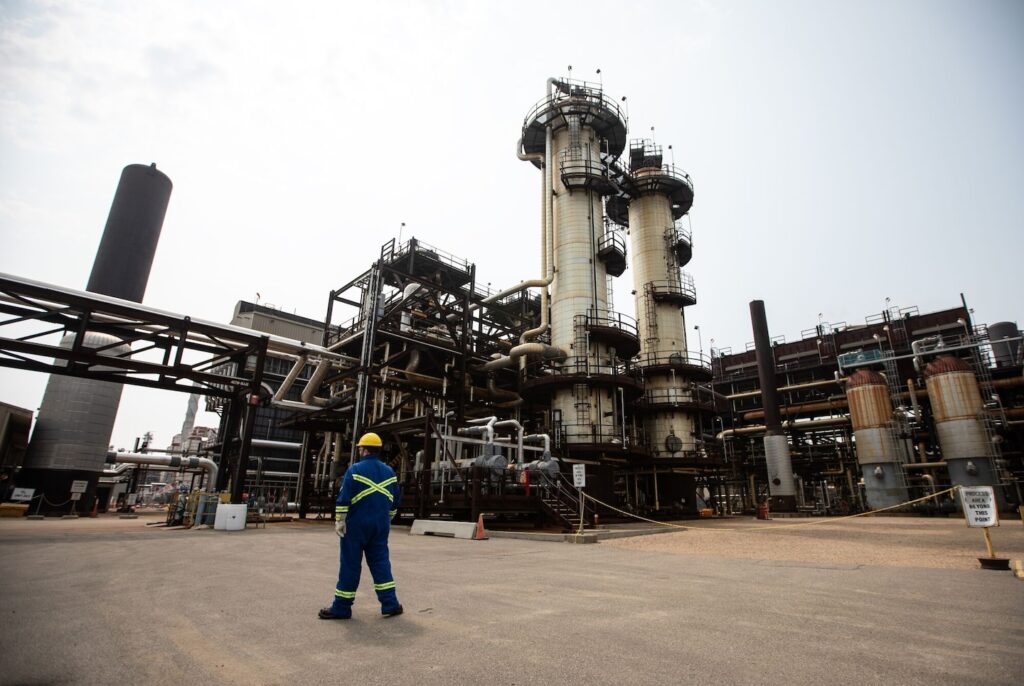
While fossil‑fuel industries generate significant revenue, they also expose economies to price volatility and stranded‑asset risk. Infrastructure built for oil transport—pipelines, refineries, ports—can become liabilities if demand collapses, necessitating costly repurposing or decommissioning.
Regional Differences
In the Middle East, oil and gas exports constitute over 30 % of GDP for several states, making a rapid phase‑out economically sensitive and requiring diversified development pathways. Europe’s energy mix already includes a higher share of renewables, allowing a smoother transition, though legacy coal plants in Eastern Europe still pose challenges. Sub‑Saharan Africa hosts large untapped coal reserves but lacks the capital to develop them; international finance could steer investment toward solar and wind instead, reducing the risk of lock‑in.
What Scientists Know With High Confidence
- Burning fossil fuels is the dominant source of anthropogenic CO₂ emissions.
- Global average temperature has risen about 1.1 °C since 1850, largely due to fossil‑fuel combustion.
- Air pollution from fossil‑fuel combustion causes millions of premature deaths each year.
- Limiting cumulative emissions to the IPCC 1.5 °C pathway requires leaving a substantial portion of known reserves unextracted.
What Remains Uncertain
Key uncertainties include the timing and scale of breakthroughs in long‑duration storage and green‑hydrogen production, the future trajectory of global energy demand, and the political feasibility of coordinated finance for just‑transition programs. Improved monitoring of underground methane emissions and better accounting of supply‑chain emissions would reduce data gaps that currently limit precise policy design. These uncertainties do not overturn the core conclusion that supply‑side constraints are essential, but they affect the speed and exact shape of the transition.
Common Misconceptions
Misconception: The treaty would instantly end all fossil‑fuel use.
Reality: The FFNPT focuses on stopping new extraction and managing a gradual phase‑out of existing assets over decades, allowing time for replacement with clean energy.
Misconception: Developed nations can keep using fossil fuels while poorer countries stop.
Reality: The treaty is built on equity; high‑emitting countries are required to lead reductions and provide financial and technical support to lower‑income nations.
Misconception: Renewable energy alone can replace fossil fuels without any trade‑offs.
Reality: Large‑scale renewables require land, rare‑earth minerals and extensive grid upgrades, creating environmental and social considerations that must be managed.
Solutions and Limitations
Effective climate action combines the FFNPT with a portfolio of complementary measures:
- Renewable‑energy expansion: Proven technologies can supply the majority of electricity demand, but intermittency and material supply chains limit immediate 100 % penetration.
- Energy efficiency: Low‑cost savings are abundant, yet upfront capital and regulatory inertia can slow adoption.
- Carbon‑capture and storage (CCS): Offers a pathway to mitigate emissions from remaining fossil‑fuel plants, but high costs and limited deployment hinder near‑term impact.
- Just‑transition policies: Workforce retraining, income support and regional diversification are essential, but financing gaps and political resistance are common obstacles.
Each strategy must be evaluated for scalability, cost, equity implications and potential environmental trade‑offs. No single measure can achieve the 1.5 °C goal; a coordinated, multi‑pronged approach is required.
What Individuals, Communities, and Governments Can Do
What Individuals Can Do
- Support policies that fund renewable‑energy projects and just‑transition programs.
- Reduce personal carbon footprints through energy‑efficient appliances and low‑carbon travel where feasible.
- Engage with local climate‑action groups that monitor fossil‑fuel projects and advocate for transparent reporting.
What Communities and Organizations Can Do
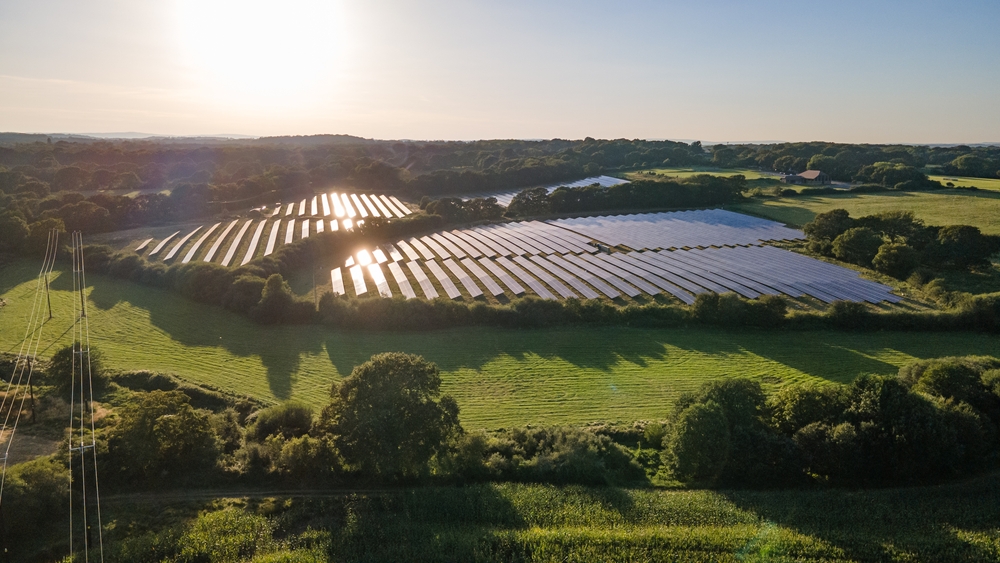
- Develop community‑owned solar or wind installations to demonstrate viable alternatives.
- Partner with vocational schools to create training pathways for clean‑energy jobs.
- Conduct local air‑quality monitoring to generate data that can inform treaty verification.
What Governments Can Do
- Negotiate, ratify and embed the FFNPT within national climate legislation.
- Phase out fossil‑fuel subsidies and redirect funds toward renewable‑energy incentives.
- Establish transparent reporting mechanisms, including satellite‑based tracking of extraction sites.
- Implement comprehensive just‑transition strategies that include income support, retraining and regional economic diversification.
Closing Synthesis
The case for a Fossil Fuel Non‑Proliferation Treaty rests on robust scientific consensus that uncontrolled fossil‑fuel extraction drives climate change, air pollution and associated health harms. While the treaty offers a clear legal pathway to limit new production, its success hinges on overcoming powerful industry opposition, securing equitable financing and addressing technical uncertainties around energy demand and storage. By coupling the treaty with rapid renewable‑energy deployment, energy‑efficiency measures and just‑transition policies, the global community can move toward a climate‑stable future that protects vulnerable populations and preserves ecosystem integrity.
Frequently Asked Questions
What is a Fossil Fuel Non‑Proliferation Treaty?
A Fossil Fuel Non‑Proliferation Treaty is a proposed international agreement that legally obliges signatory countries to stop expanding coal, oil and gas extraction and to follow a managed phase‑out of existing operations, with verification and finance mechanisms built in.
How does the treaty differ from carbon pricing?
Unlike carbon pricing, which targets the demand side by putting a cost on emissions, the treaty focuses on the supply side by setting caps on new fossil‑fuel projects and requiring phased reductions of current production.
What scientific evidence supports limiting fossil‑fuel supply?
Ice‑core records, atmospheric CO₂ monitoring, IPCC carbon‑budget analyses, WHO health reviews, and IEA economic modelling all indicate that keeping cumulative emissions within the 1.5 °C budget requires leaving a large share of known fossil‑fuel reserves unextracted.
What are the main challenges to implementing the FFNPT?
Key challenges include strong industry lobbying, financing gaps for just‑transition programs, divergent national energy needs, and uncertainties around future technology breakthroughs and energy demand.
What actions can governments take to support the treaty?
Governments can negotiate and ratify the treaty, embed it in national law, phase out fossil‑fuel subsidies, create transparent satellite‑based monitoring, and fund renewable‑energy projects and workforce retraining through a dedicated finance mechanism.









Leave a Comment