
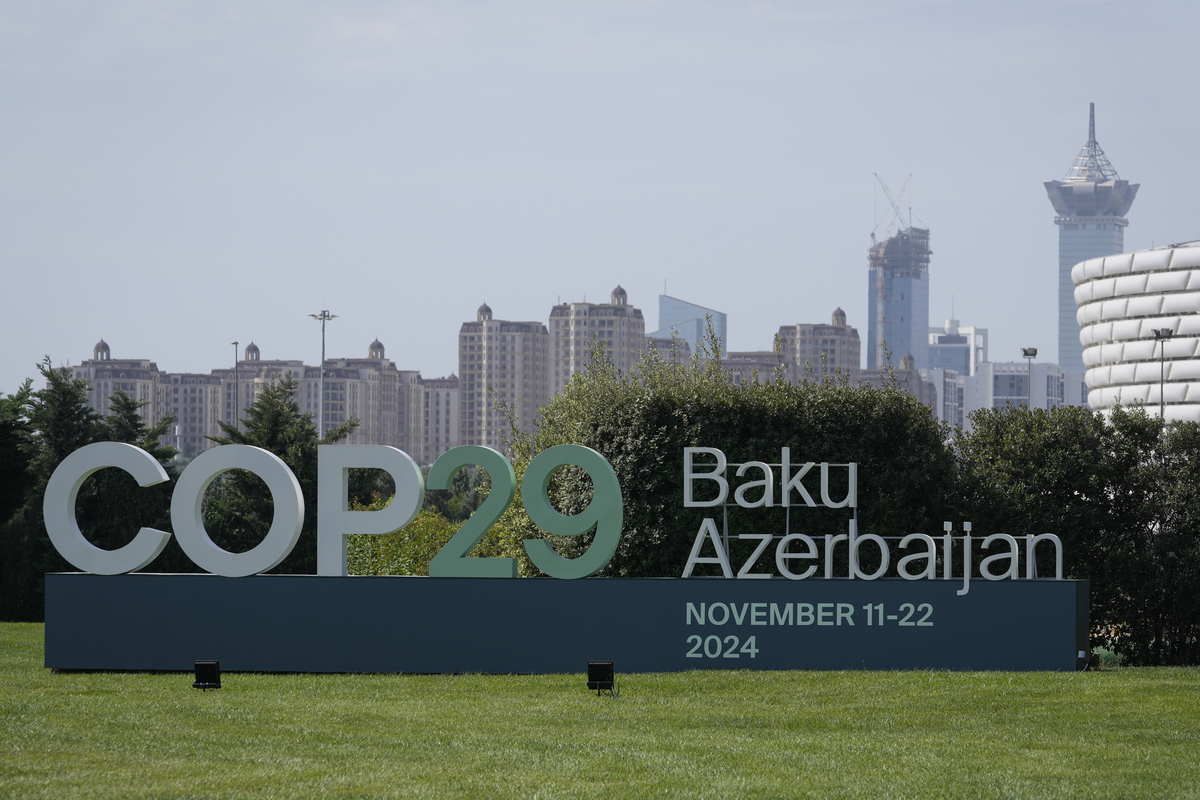
At COP30, a coalition of 83 nations formally called for a phased end to fossil‑fuel extraction and use, signalling a historic shift toward coordinated global decarbonisation.
\n\n
Quick Answer
\n
The 83‑country declaration at COP30 asks the international community to halt new fossil‑fuel projects and gradually phase out existing production, replacing them with renewable‑energy systems that can meet growing demand. The mechanism relies on coordinated policy signals, financial assistance for vulnerable economies, and technology transfer to accelerate clean‑energy deployment. Scientific assessments, including the Intergovernmental Panel on Climate Change (IPCC) Sixth Assessment Report, indicate that keeping global warming below 1.5 °C requires net‑zero CO₂ emissions by mid‑century, making a fossil‑fuel phase‑out essential. While the pledge represents strong political momentum, uncertainties remain around financing, grid integration, and the pace at which oil‑dependent economies can transition.
\n
\n\n
Key Takeaways
\n
- \n
- The coalition of 83 nations represents the largest joint call for a fossil‑fuel phase‑out in UN climate history.
- Scientific consensus says limiting warming to 1.5 °C requires ending net fossil‑fuel emissions by around 2050.
- Transition challenges include financing, grid modernization, and ensuring energy security for oil‑dependent countries.
- Equitable support—climate finance, technology transfer, and capacity‑building—is central to the declaration’s credibility.
- Implementation will depend on national policies, private‑sector investment, and sustained civil‑society pressure.
\n
\n
\n
\n
\n
\n
\n\n
What Is 83 Countries Join Call to End Fossil Fuels at COP30?
\n
The “83‑country call” is a joint statement submitted during the 30th session of the United Nations Climate Change Conference (COP30) in 2025. It obliges signatory governments to halt approval of new coal, oil, and gas projects and to develop roadmaps for phasing out existing fossil‑fuel infrastructure. The coalition includes both high‑income industrialised states and emerging economies, reflecting a recognition that climate risk and energy transition are shared challenges. Unlike voluntary pledges, the statement calls for concrete policy actions, transparent reporting, and internationally coordinated financing mechanisms.
\n\n
How Does It Work?
\n
Policy Alignment
\n
Each country is expected to integrate the phase‑out goal into its national energy strategy, updating Nationally Determined Contributions (NDCs) under the Paris Agreement. This creates a legal and regulatory framework that can restrict new fossil‑fuel licences and incentivise renewable investments.
\n
Financial Mechanisms
\n
Developed nations pledge to mobilise climate finance—estimated at US$100 billion annually—through the Green Climate Fund and bilateral programmes. These resources are earmarked for renewable‑energy projects, grid upgrades, and social safety nets for workers in the fossil‑fuel sector.
\n
Technology Transfer and Capacity Building
\n
Technology‑sharing agreements will facilitate the deployment of solar, wind, and storage solutions in regions lacking domestic expertise. Training programmes aim to re‑skill workers from coal mines and oil fields for jobs in clean‑energy industries.
\n
Monitoring and Reporting
\n
Signatories agree to submit biennial progress reports to a UN‑hosted transparency platform. Independent auditors will verify emissions reductions and the status of phase‑out milestones.
\n\n
What Does the Evidence Show?
\n
Multiple lines of evidence converge on the need for a rapid fossil‑fuel phase‑out. The IPCC Sixth Assessment Report (2022) concludes that to limit warming to 1.5 °C, global CO₂ emissions must fall by about 45 % from 2010 levels by 2030 and reach net zero by 2050. Observational data from the Global Carbon Project show that fossil‑fuel CO₂ emissions rose by 1.5 % in 2023, underscoring the gap between current trajectories and climate goals. Systematic reviews of renewable‑energy cost trends reveal that on‑shore wind and utility‑scale solar are now cheaper than new coal generation in most markets, reducing the economic justification for new fossil‑fuel projects.
\n\n
Main Causes or Drivers
\n
Direct Causes
\n
Continued investment in coal, oil, and gas extraction directly adds CO₂ and methane to the atmosphere, driving climate change.
\n
Underlying Drivers
\n
Economic dependence on fossil‑fuel revenues, geopolitical considerations of energy security, and historic subsidies create inertia that delays transition.
\n
Amplifying Factors
\n
Population growth, rising energy demand in developing regions, and limited access to financing for clean‑energy projects amplify the challenge of reducing fossil‑fuel use.
\n\n
Environmental and Human Impacts
\n
Environmental Impacts
\n
Fossil‑fuel combustion accounts for roughly 76 % of global CO₂ emissions, contributing to ocean acidification, sea‑level rise, and extreme weather events. Air pollutants such as particulate matter and sulfur dioxide cause ecosystem damage and reduce biodiversity, especially in forested and coastal areas.
\n
Human Health and Social Impacts
\n
Exposure to fine particulate matter from coal plants is linked to increased rates of respiratory and cardiovascular disease, according to the World Health Organization. Communities near extraction sites also face water contamination and loss of livelihoods.
\n
Economic and Infrastructure Impacts
\n
While fossil‑fuel industries provide jobs and tax revenue, reliance on them can expose economies to price volatility and stranded‑asset risk as global markets shift toward low‑carbon energy.
\n\n
Regional Differences
\n
In Europe and North America, the energy mix already includes a substantial share of renewables, making a phase‑out technically feasible within the next two decades. In contrast, many Sub‑Saharan African and South‑Asian nations still depend heavily on coal for electricity, and their renewable‑energy capacity is constrained by limited grid infrastructure. Oil‑producing regions such as the Middle East and parts of Latin America face the dual challenge of protecting fiscal stability while diversifying their economies.
\n\n
What Scientists Know With High Confidence
\n
- \n
- Burning fossil fuels is the primary driver of anthropogenic climate change.
- Limiting warming to 1.5 °C requires net‑zero CO₂ emissions by mid‑century.
- Renewable‑energy technologies are now cost‑competitive with new fossil‑fuel generation in most regions.
- Air pollutants from fossil‑fuel combustion have measurable adverse health effects.
\n
\n
\n
\n
\n
\n\n
What Remains Uncertain
\n
Key uncertainties involve the speed at which large‑scale energy storage can be deployed, the exact amount of climate finance that will materialise, and how quickly oil‑dependent economies can restructure without causing social upheaval. Additionally, the long‑term performance of emerging renewable‑technology pathways, such as green hydrogen, remains under active research.
\n
\n\n
Common Misconceptions
\n
Misconception: Renewable energy cannot meet baseload demand.
\n
Reality: Advances in battery storage, demand‑response programs, and diversified renewable portfolios have demonstrated reliable baseload provision in several grid‑operator studies.
\n
Misconception: Ending fossil fuels will cause immediate economic collapse.
\n
Reality: Transition models show that with targeted investment and social safety nets, economies can maintain growth while shifting to low‑carbon sectors.
\n
Misconception: All countries must cut fossil‑fuel use at the same rate.
\n
Reality: The COP30 declaration recognises differentiated responsibilities; timelines are calibrated to each nation’s development level and capacity.
\n
\n\n
Solutions and Limitations
\n
Key response strategies include:
\n
- \n
- Renewable‑energy expansion: Scalable but requires grid upgrades and storage; land use and material supply chains can create secondary impacts.
- Energy efficiency measures: Offer immediate emissions reductions with low cost, yet depend on policy incentives and behavioural change.
- Carbon‑price mechanisms: Can internalise fossil‑fuel externalities, but political acceptance varies and may affect low‑income households.
- Just transition policies: Retraining programs and community investment mitigate social disruption, though funding gaps persist.
\n
\n
\n
\n
\n\n
What Individuals, Communities, and Governments Can Do
\n
What Individuals Can Do
\n
Adopt energy‑efficient appliances, choose renewable electricity where available, and support political candidates with strong climate platforms. Personal travel choices—such as reducing air travel—can lower individual carbon footprints, though systemic change remains essential.
\n
What Communities and Organizations Can Do
\n
Local governments can implement building‑code upgrades, develop community solar projects, and create job‑training programmes for renewable‑energy technicians. NGOs can monitor implementation of the 83‑country pledge and hold authorities accountable.
\n
What Governments Can Do
\n
Set clear phase‑out timelines in legislation, allocate climate finance to vulnerable nations, and streamline permitting for renewable projects. Internationally, they can champion technology‑transfer agreements and enforce transparent reporting.
\n\n
Closing Synthesis
\n
The 83‑nation call at COP30 translates scientific consensus on the necessity of ending fossil‑fuel use into a coordinated political promise. Evidence shows that rapid decarbonisation is technically feasible, yet financing, equity, and infrastructural hurdles introduce uncertainty. High‑confidence findings confirm that continued fossil‑fuel combustion threatens climate stability and public health. By pairing ambitious policy with equitable support mechanisms, the global community can move from pledge to measurable emission reductions, keeping the 1.5 °C pathway within reach.
Frequently Asked Questions
What is the 83‑country call made at COP30?
The 83‑country call is a joint statement submitted at COP30 that commits the signatory nations to stop approving new coal, oil, and gas projects and to create roadmaps for phasing out existing fossil‑fuel infrastructure, with regular reporting and financial support for transition.
Why is ending fossil‑fuel use essential for limiting warming to 1.5 °C?
The IPCC Sixth Assessment Report shows that to keep global warming below 1.5 °C, net‑zero CO₂ emissions must be reached by mid‑century; continued fossil‑fuel combustion would exceed the carbon budget needed for that temperature target.
How does the declaration plan to support economies that rely heavily on oil and gas?
The declaration includes climate‑finance pledges of about US$100 billion per year, technology‑transfer agreements, and just‑transition programmes that provide retraining and social safety nets for workers moving from fossil‑fuel sectors to clean‑energy jobs.
What are the main uncertainties that could affect a global fossil‑fuel phase‑out?
Key uncertainties involve how quickly large‑scale energy storage can be deployed, the exact amount of climate finance that will materialise, the speed of economic restructuring in oil‑dependent nations, and the long‑term performance of emerging technologies such as green hydrogen.
What practical actions can individuals take to help the transition away from fossil fuels?
Individuals can improve home energy efficiency, switch to renewable electricity where available, reduce air travel, and support policies and candidates that prioritize climate action, thereby contributing to demand‑side pressure for a faster transition.







Leave a Comment