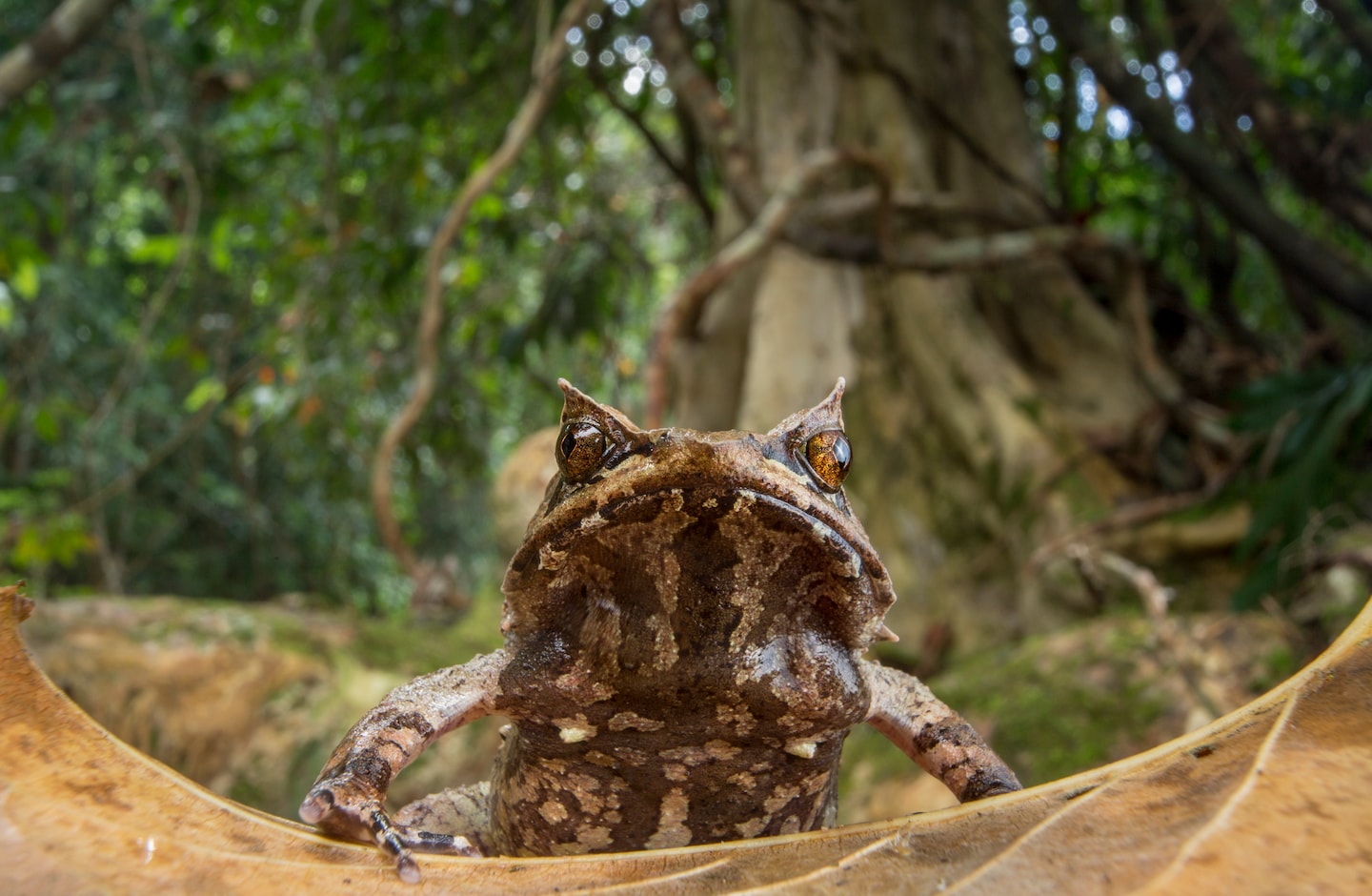
Around 41% of amphibian species are classified as threatened with extinction because rising temperatures, altered precipitation, and climate‑driven disease increase are reshaping their habitats and life cycles.
Quick Answer
Amphibians—frogs, toads, salamanders and newts—are losing suitable breeding and foraging environments as global temperatures rise and moisture patterns shift. These changes not only shrink the cool, wet habitats they need, but also boost the spread of chytrid fungus, a deadly disease. The International Union for Conservation of Nature (IUCN) reports that 41% of assessed amphibian species are now listed as Vulnerable, Endangered or Critically Endangered, a status directly linked to climate‑related pressures. While the trend is clear, uncertainties remain about how quickly species can adapt or migrate.
Key Takeaways
- 41% of amphibian species are threatened, primarily because climate change alters temperature and moisture regimes.
- Warmer conditions expand the geographic range of the chytrid fungus, intensifying disease‑driven declines.
- Habitat loss, fragmentation, and limited dispersal capacity make many species unable to track shifting climate zones.
- Evidence comes from long‑term monitoring, IUCN Red List assessments, and peer‑reviewed meta‑analyses.
- Conservation actions that restore wetlands, create climate corridors, and support captive‑breeding programs can reduce risk, but funding and land‑use conflicts limit scale.
What Is 41% of Amphibians Now Threatened With Extinction Due to Climate Change?
The figure refers to the proportion of amphibian species evaluated by the IUCN Red List that are listed in the threatened categories (Vulnerable, Endangered, or Critically Endangered) where climate change is identified as a major driver. Amphibians are ectothermic, meaning their body temperature follows the environment, and they rely on moist microhabitats for skin respiration and egg development. Because of these physiological constraints, even modest shifts in temperature or precipitation can push populations beyond their tolerance limits.
How Does It Work?
1. Temperature Rise Affects Metabolism and Development
Higher ambient temperatures accelerate amphibian metabolism, shortening larval periods but also increasing water loss. In many tropical species, a 2 °C rise can raise embryonic mortality by up to 30% (IPCC, 2021).

2. Altered Precipitation Reduces Breeding Sites
Amphibians often breed in temporary ponds that fill after rain. Climate models predict more intense droughts in subtropical regions, leading to fewer reliable ponds. Without these sites, reproductive success drops sharply.
3. Disease Amplification
The fungus Batrachochytrium dendrobatidis (Bd) thrives in cooler, moist conditions but can spread faster when temperature fluctuations create stress‑free windows for infection. Warmer winters have been linked to higher Bd prevalence in Central America (Science, 2020).
4. Limited Dispersal and Habitat Fragmentation
Many amphibians have small home ranges and cannot cross urban or agricultural landscapes. As climate zones shift uphill or poleward, isolated populations become trapped in unsuitable habitats.
What Does the Evidence Show?
Multiple lines of evidence converge on the climate‑amphibian link. The IUCN Red List (2022) lists climate change as a primary threat for 61% of threatened amphibians. A systematic review of 78 field studies (Conservation Biology, 2021) found that 73% reported population declines correlated with rising temperature or altered rainfall. Long‑term monitoring in the United States’ National Amphibian Monitoring Program shows a 15% average decline in breeding abundance over the past two decades, closely matching regional temperature trends.
Main Causes or Drivers
Direct Climate Drivers
- Global mean surface temperature increase of ~1.1 °C since pre‑industrial times (IPCC, 2021).
- Shifts in seasonal precipitation patterns, including more frequent droughts in the Mediterranean and increased storm intensity in the tropics.
Underlying Human Drivers
- Fossil‑fuel combustion and deforestation that raise greenhouse‑gas concentrations.
- Land‑use change that fragments amphibian habitats, reducing the ability to relocate.
- Agricultural runoff that compounds stress by lowering water quality.
Environmental and Human Impacts
Environmental Impacts
Amphibians control insect populations, recycle nutrients, and serve as prey for birds and mammals. Their decline can lead to insect outbreaks, altered nutrient cycling in wetlands, and reduced food availability for higher trophic levels.
Human Health and Social Impacts
Many amphibians consume disease‑carrying mosquitoes; fewer amphibians can increase vector‑borne disease risk. In Indigenous cultures of the Amazon, amphibians hold spiritual significance and are a traditional food source; loss threatens cultural heritage and nutrition.
Regional Differences
Threat levels vary by climate zone. In the Neotropics, 48% of species are climate‑threatened, largely because of rapid forest dieback and high species endemism. Temperate zones such as Europe show a lower proportion (28%) but face intense land‑use pressure that magnifies climate effects. Alpine salamanders in the European Alps are already disappearing from lower elevations, while high‑elevation species in the Himalayas have limited upward space to migrate.
What Scientists Know With High Confidence
- Amphibian physiology makes them highly sensitive to temperature and moisture changes.
- Climate change is a leading driver of habitat loss for amphibians worldwide.
- Warmer temperatures and altered precipitation increase the incidence and severity of chytrid disease.
- Habitat fragmentation limits amphibian ability to track shifting climate zones.
What Remains Uncertain
Key gaps include the capacity of individual species to adapt genetically or behaviorally to new climate regimes, and the effectiveness of large‑scale habitat corridors under future land‑use scenarios. Limited monitoring in tropical regions also hampers precise global risk quantification.
Common Misconceptions
Misconception: Amphibians will simply move to cooler areas.
Reality: Most species have limited dispersal ability and encounter fragmented landscapes, preventing successful range shifts.
Misconception: Only tropical amphibians are at risk.
Reality: Temperate and alpine species also face climate stress, often compounded by human land‑use.
Misconception: Disease is unrelated to climate.
Reality: Climate‑driven stress lowers immune function, and warmer winters create favorable conditions for the chytrid fungus.
Solutions and Limitations
Conservation strategies fall into three categories:
- Habitat restoration: Re‑creating wetlands and riparian buffers improves breeding sites, but requires long‑term land‑owner cooperation and funding.
- Climate corridors: Connecting fragmented habitats allows limited dispersal; however, corridor design is complex and may conflict with agriculture.
- Ex situ programs: Captive‑breeding and re‑introduction can rescue critically endangered species, yet genetic bottlenecks and high cost limit scalability.
All solutions must consider trade‑offs such as water allocation conflicts, potential invasive species spread, and the need for continuous monitoring.
What Individuals, Communities, and Governments Can Do
What Individuals Can Do
- Support organizations that fund amphibian habitat projects.
- Reduce pesticide use in gardens to protect local pond quality.
- Participate in citizen‑science programs like FrogWatch USA to improve monitoring data.
What Communities and Organizations Can Do
- Incorporate wetland buffers into urban planning and adopt green infrastructure.
- Partner with schools to create educational wetland gardens that serve as mini‑refuges.
What Governments Can Do
- Integrate climate‑risk assessments into protected‑area design, ensuring representation of amphibian habitats.
- Provide incentives for landowners to restore native wetlands and maintain connectivity.
- Fund long‑term monitoring networks, especially in data‑deficient tropical regions.
Closing Synthesis
The 41% threat figure reflects a robust consensus that climate change is reshaping the very conditions amphibians need to survive. Rising temperatures, erratic precipitation, and disease amplification act together, while habitat fragmentation limits adaptive movement. High‑confidence evidence underscores the urgency, yet uncertainties about species‑specific adaptation and regional data gaps remain. Effective responses blend habitat restoration, climate‑smart land‑use planning, and targeted ex situ programs, each with its own limitations. Collective action—from individuals protecting backyard ponds to governments embedding climate considerations into conservation policy—offers the best chance to keep amphibians out of the extinction pipeline.
Frequently Asked Questions
What does the 41% figure represent?
It indicates that 41% of amphibian species assessed by the IUCN Red List are classified as Vulnerable, Endangered, or Critically Endangered, with climate change identified as a primary driver of their threatened status.
How does climate change increase disease risk for amphibians?
Warmer temperatures and altered moisture patterns stress amphibian immune systems and create favorable conditions for the chytrid fungus, which spreads more easily and causes higher mortality rates.
Why can't amphibians simply move to cooler habitats?
Most amphibians have limited dispersal ranges and encounter fragmented landscapes, making it difficult to relocate to newly suitable climate zones without assisted movement or corridors.
What are the most effective conservation actions?
Restoring wetlands, establishing climate corridors, and supporting captive‑breeding programs are proven strategies, though each requires sustained funding, land‑use cooperation, and careful planning to avoid unintended impacts.
How can individuals help protect amphibians?
People can protect local ponds, reduce pesticide use, support amphibian‑focused NGOs, and join citizen‑science projects that provide valuable data for monitoring population trends.





Leave a Comment