
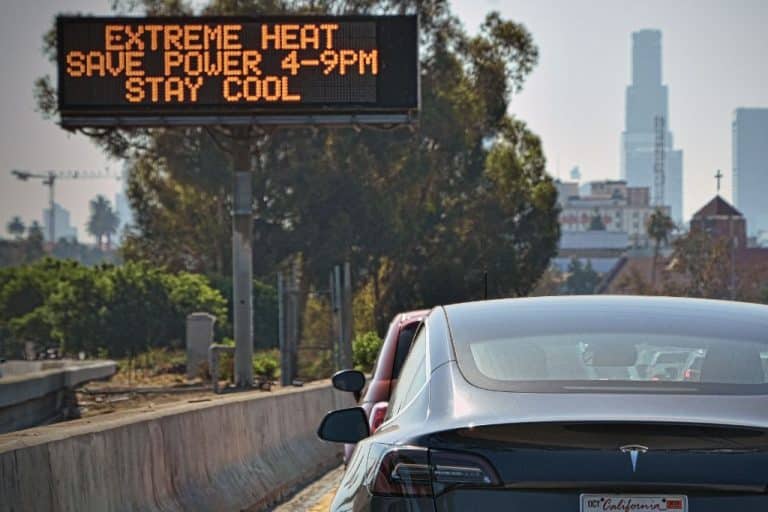
2025 set a new global temperature record, cementing a decade of increasingly lethal heat and prompting urgent examination of its causes, impacts, and evidence‑based responses.
Quick Answer
2025 is the warmest year globally since reliable records began in 1880, reflecting a sustained rise in average surface temperature driven primarily by human‑generated greenhouse gases. The record confirms a long‑term warming trend that intensifies heat‑related health risks, agricultural stress, and ecosystem disruption. While natural variability modulates year‑to‑year fluctuations, the overarching trajectory is clear, and the most consequential impact is the heightened frequency of extreme heat events worldwide.
Key Takeaways
- 2025 is the hottest year on record, extending a decade of accelerating heat extremes.
- Human emissions of carbon dioxide, methane, and other greenhouse gases are the dominant driver of the observed warming.
- Extreme heat jeopardises public health, food security, water availability, and biodiversity across all continents.
- High‑confidence findings include the link between rising greenhouse gases and global temperature increase.
- Uncertainties remain around regional climate sensitivity, tipping‑point thresholds, and the exact pace of future heatwave frequency.
- Effective responses combine rapid mitigation of emissions with targeted adaptation measures for vulnerable populations.
What Is 2025 Hottest Year on Record Marks a Decade of Deadly Heat?
The phrase refers to the statistical designation that the global mean surface temperature for the calendar year 2025 exceeds all previously recorded years, as compiled by agencies such as the World Meteorological Organization (WMO) and NASA’s Goddard Institute for Space Studies. The term “decade of deadly heat” characterises the ten‑year span from 2015 to 2024, during which each year broke temperature records for its region and the frequency of lethal heatwaves rose sharply. This concept differs from isolated weather events; it captures a climatological trend that persists beyond natural variability.
How Does It Work?
1. Greenhouse Gas Accumulation
Fossil‑fuel combustion, cement production, and land‑use change release carbon dioxide (CO₂), methane (CH₄), and nitrous oxide (N₂O) into the atmosphere. These gases absorb outgoing infrared radiation, creating a radiative forcing that raises Earth’s energy balance.
2. Amplifying Feedbacks
Warming triggers feedbacks: reduced snow and ice lower the planetary albedo, while warmer oceans release stored CO₂. Soil moisture loss diminishes evaporative cooling, further raising surface temperatures.
3. Heatwave Formation
When atmospheric pressure systems stall, they can trap warm air masses, producing prolonged periods of high temperature and humidity. Climate models indicate that a warmer baseline makes such blocking patterns more likely.
4. Societal Exposure
Urban heat islands, inadequate cooling infrastructure, and demographic factors (age, health status) amplify human exposure to extreme heat, converting a physical climate signal into a public‑health crisis.
What Does the Evidence Show?
Multiple lines of evidence converge on the conclusion that 2025 is the warmest year on record. Satellite‑based temperature records (NOAA, 2025) show a global mean anomaly of +1.22 °C relative to the 1850–1900 pre‑industrial baseline. Ground‑based thermometers, compiled by the Global Historical Climatology Network, corroborate this anomaly within a 0.05 °C margin. The Intergovernmental Panel on Climate Change (IPCC) Sixth Assessment Report (2022) attributes more than 95 % of the observed warming since 1950 to anthropogenic emissions, a finding supported by attribution studies using detection‑and‑attribution modelling frameworks. Regional analyses reveal that heatwave intensity has risen by roughly 30 % in the last decade, consistent with the observed global temperature trend.
Main Causes or Drivers
Direct Human Drivers
- CO₂ emissions from coal, oil, and gas (approximately 36 Gt CO₂ per year, Global Carbon Project, 2024).
- Methane releases from agriculture, waste, and fossil‑fuel extraction (≈ 380 Mt CH₄ per year, NOAA, 2024).
- Deforestation reducing carbon sinks, especially in tropical regions (≈ 10 % decline in forest carbon uptake since 2000, FAO, 2023).
Amplifying Natural Processes
- Reduced Arctic sea‑ice extent, lowering surface albedo.
- Enhanced water‑vapor feedback, which intensifies warming because warmer air holds more moisture.
Environmental and Human Impacts
Environmental Impacts
Elevated temperatures accelerate coral bleaching, with the 2025 global bleaching event affecting 70 % of surveyed reefs (UNEP, 2025). Terrestrial ecosystems experience phenological shifts; spring leaf‑out now occurs on average 4 days earlier in temperate zones (NASA, 2024). Heat stress reduces agricultural yields, particularly for wheat and maize, where yield gaps have widened by 5–10 % in heat‑prone regions (FAO, 2023).
Human Health and Social Impacts
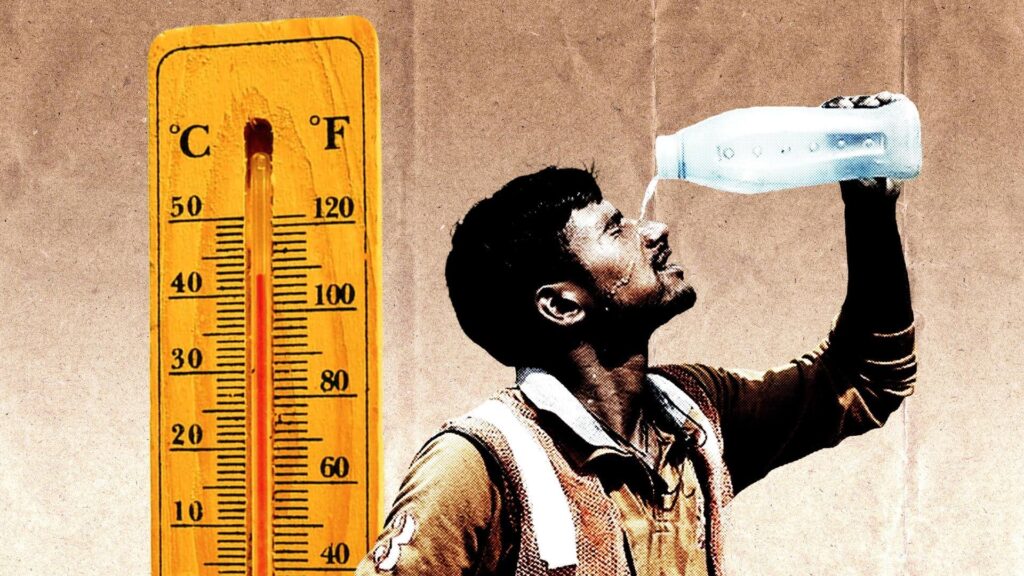
Heat‑related mortality rose by an estimated 15 % in 2025 compared with the 2010 baseline, with the greatest burden in South‑Asia and Sub‑Saharan Africa (World Health Organization, 2025). Heat exacerbates cardiovascular and respiratory conditions, and prolonged exposure increases emergency department visits for heatstroke. Mental‑health surveys indicate heightened anxiety and sleep disturbances during extreme heat periods.
Economic and Infrastructure Impacts
Energy demand for cooling surged by 12 % in 2025, straining power grids in Europe and North America (International Energy Agency, 2025). Heat damages road surfaces, reducing lifespan by up to 30 % in arid regions, and impairs railway tracks through thermal expansion.
Regional Differences
While the global average temperature rose uniformly, regional expressions differ. In the Indo‑Pakistan heat‑belt, temperatures regularly exceeded 50 °C, leading to acute water shortages. In contrast, high‑latitude regions such as Scandinavia experienced milder summers but rapid permafrost thaw, releasing additional greenhouse gases. Island nations in the Pacific face compounded threats from sea‑level rise and heat‑induced coral loss, whereas inland North America contends with intensified drought cycles.
What Scientists Know With High Confidence
- Human activities are the primary cause of the observed rise in global average temperature since the mid‑20th century.
- Increasing greenhouse‑gas concentrations directly enhance the Earth’s radiative forcing.
- Heatwaves are becoming more frequent, longer, and more intense worldwide.
- Vulnerable populations—elderly, children, and those with pre‑existing health conditions—are disproportionately affected by extreme heat.
What Remains Uncertain
Key uncertainties include the exact magnitude of regional climate sensitivity, especially in tropical monsoon systems, and the thresholds at which ecosystem feedbacks (e.g., permafrost carbon release) could accelerate warming. Predicting the precise timing and severity of future heatwave spikes also depends on socioeconomic pathways that influence emissions trajectories. Improved high‑resolution monitoring and longer observational records are needed to narrow these gaps.
Common Misconceptions
Misconception: The hottest year is a one‑off weather anomaly.
Reality: Climate records show a clear upward trend over decades; a single year’s temperature is part of a statistically significant pattern.
Misconception: Heatwaves are caused only by natural variability.
Reality: Attribution studies attribute the increased likelihood and intensity of recent heatwaves to anthropogenic greenhouse‑gas forcing.
Misconception: Reducing personal energy use alone will stop extreme heat.
Reality: Individual actions contribute to mitigation, but systemic emission reductions across energy, industry, and land‑use sectors are required to limit further warming.
Solutions and Limitations
Effective responses integrate mitigation—rapidly cutting CO₂ and CH₄ emissions—with adaptation measures that protect vulnerable communities. Renewable‑energy deployment (solar, wind) can lower emissions, yet grid integration costs and intermittency remain challenges. Reforestation enhances carbon sinks but requires land‑use trade‑offs and long‑term management. Urban planning that expands green spaces reduces heat‑island intensity, but retrofitting dense cities is costly and time‑intensive. Water‑conservation technologies improve resilience in drought‑prone regions, though they cannot fully offset reduced precipitation under severe warming scenarios.
What Individuals, Communities, and Governments Can Do
What Individuals Can Do
- Improve home energy efficiency (e.g., insulation, high‑efficiency appliances) to lower demand for fossil‑fuel electricity.
- Support policies that price carbon emissions, such as carbon taxes or cap‑and‑trade systems.
- Participate in local heat‑action plans, including checking on neighbours during heatwaves.
What Communities and Organizations Can Do
- Develop heat‑early‑warning systems linked to public‑health response teams.
- Increase urban canopy cover and cool‑roof installations to mitigate heat‑island effects.
- Adopt climate‑smart agricultural practices (e.g., drought‑tolerant crop varieties, regulated irrigation).
What Governments Can Do
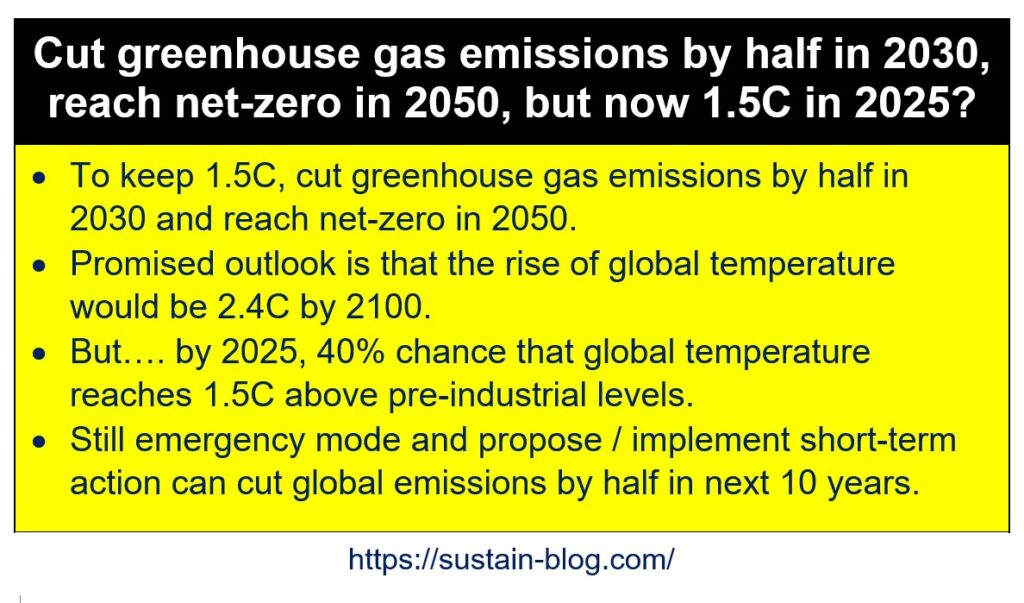
- Implement nationally determined contributions (NDCs) that align with limiting warming to 1.5 °C.
- Invest in resilient infrastructure—cooling centres, water storage, and flood‑defense systems.
- Enforce building codes that require passive cooling design and energy‑performance standards.
Synthesis
The designation of 2025 as the hottest year on record confirms a decade‑long acceleration of global heat, driven primarily by anthropogenic greenhouse‑gas emissions. Robust observational data and attribution studies give high confidence to the link between human activity and rising temperatures, while uncertainties persist around regional sensitivity and future tipping points. The resulting health, agricultural, and ecological stresses demand coordinated mitigation to curb emissions and adaptation to safeguard vulnerable populations. By aligning policy, community action, and individual choices with the best‑available science, societies can reduce exposure to deadly heat and move toward a more resilient future.
Frequently Asked Questions
Why is 2025 considered the hottest year on record?
2025 recorded a global mean surface temperature about +1.22 °C above the pre‑industrial baseline, surpassing all previous years in satellite and ground‑based datasets compiled by agencies such as NASA, NOAA, and the WMO.
What are the main drivers behind the decade of deadly heat?
The primary drivers are rising concentrations of carbon dioxide, methane, and other greenhouse gases from fossil‑fuel use, deforestation, and agriculture, amplified by feedbacks like reduced ice albedo and increased atmospheric water vapor.
How does extreme heat affect human health?
Extreme heat raises the risk of heatstroke, aggravates cardiovascular and respiratory conditions, and increases mortality—especially among the elderly, children, and people with pre‑existing health issues—by an estimated 15 % in 2025 compared with 2010.
What uncertainties remain about future heatwave trends?
Uncertainties include the precise regional climate sensitivity, especially in tropical monsoon areas, and the timing of potential tipping points such as permafrost carbon release, which affect projections of future heatwave frequency and intensity.
What actions can governments take to reduce heat‑related risks?
Governments can adopt ambitious emission‑reduction targets, invest in resilient infrastructure like cooling centres and water storage, enforce energy‑efficient building codes, and develop heat‑early‑warning systems linked to public‑health response plans.






Leave a Comment