
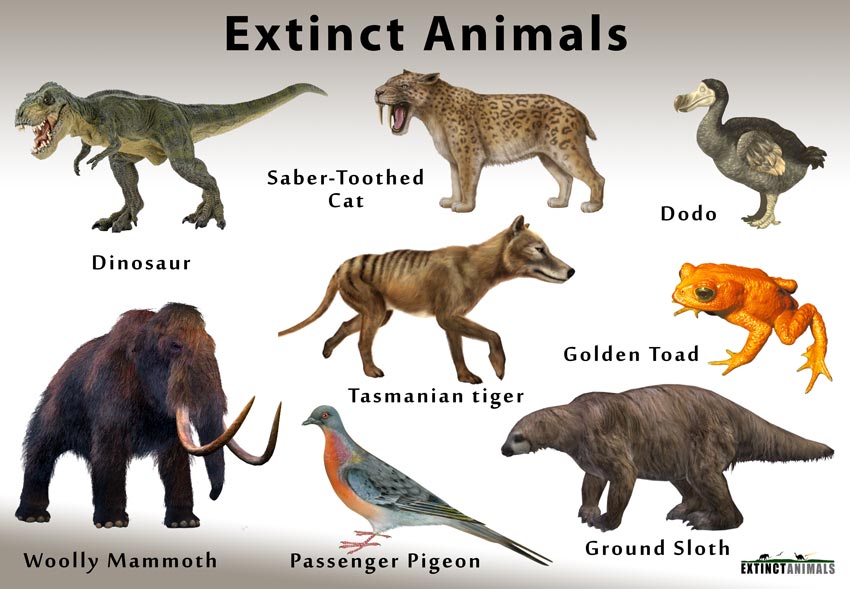
Preventing every animal species from disappearing is extremely challenging, but by tackling human‑driven drivers such as habitat loss, climate change, pollution and overexploitation, we can markedly reduce the global extinction rate.
\n\n
Quick Answer
\n
While it is unlikely that humanity can stop the extinction of every animal, scientific evidence shows that most recent losses are linked to preventable human activities. Reducing habitat destruction, curbing greenhouse‑gas emissions, eliminating unsustainable harvest and cleaning polluted ecosystems can lower the overall extinction rate. However, species with critically low populations or those confined to rapidly vanishing habitats may still be lost despite intensive effort.
\n
\n\n
Key Takeaways
\n
- \n
- Human‑driven pressures—habitat loss, climate change, pollution, and overexploitation—are the primary causes of modern animal extinctions.
- High‑confidence assessments estimate that roughly 1 million species face elevated extinction risk, with over 28,000 animal species listed as threatened on the IUCN Red List (2022).
- Well‑managed protected areas and targeted conservation actions can reduce local extinction rates by 20–30 % on average.
- Complete prevention of all extinctions is not feasible with current technology and resources; prioritisation based on feasibility, ecological role and social equity is essential.
- Combining habitat protection, climate mitigation, sustainable resource use and community‑led stewardship offers the most effective pathway to lower species loss.
\n
\n
\n
\n
\n
\n
\n\n
What Is “Can We Prevent Every Animal From Going Extinct?”
\n
The question asks whether humanity can halt the permanent loss of every animal species on Earth. In scientific terms, it refers to averting global, irreversible biodiversity loss across all taxonomic groups—including mammals, birds, reptiles, amphibians, fish, and invertebrates. Extinction denotes the complete disappearance of a species from the planet, not merely local extirpation. Addressing the issue requires systemic changes that target the root drivers of biodiversity decline rather than focusing solely on charismatic megafauna.
\n\n
How Does It Work?
\n
Four‑Step Extinction Cascade
\n
- \n
- Pressure Generation: Activities such as deforestation, fossil‑fuel combustion, chemical pollution and unsustainable harvest alter habitats and climate.
- Population Decline: Pressures shrink or fragment habitats, increase mortality, and reduce genetic diversity.
- Loss of Viability: Small, isolated populations become vulnerable to random events, inbreeding depression and Allee effects.
- Extinction Event: When a viable threshold is crossed and no reproductive individuals remain, the species is declared extinct.
\n
\n
\n
\n
\n
Feedback loops—such as climate‑induced habitat loss accelerating warming—can amplify each step, making reversal increasingly difficult.
\n\n
What Does the Evidence Show?
\n
Long‑term monitoring by the International Union for Conservation of Nature (IUCN) indicates that, as of the 2022 Red List, more than 28,000 animal species are threatened with extinction. The Intergovernmental Science‑Policy Platform on Biodiversity and Ecosystem Services (IPBES) Global Assessment (2019) estimates that about 1 million species—including many animals—face a high risk of extinction under current trajectories. Systematic reviews of protected‑area effectiveness (Geldmann et al., 2019, *Biological Conservation*) find that well‑funded reserves can lower local extinction rates by roughly 20–30 %. Experimental reintroduction programmes have succeeded for over 150 vertebrate species (IUCN Species Survival Commission, 2021). Conversely, meta‑analyses show that species with fewer than 50 mature individuals have less than a 5 % chance of recovery without intensive intervention (Frankham, 2015, *Conservation Biology*). The converging evidence suggests many extinctions are preventable, but success probabilities vary across taxa and contexts.
\n\n
Main Causes or Drivers
\n
Direct Human Causes
\n
- \n
- Habitat loss and fragmentation: Agriculture, urban expansion and logging have converted an estimated 75 % of terrestrial primary forests since 1990 (FAO, 2020).
- Climate change: Warming temperatures and altered precipitation shift species’ climatic niches; the IPCC (AR6, 2021) links increased extinction risk to projected warming above 1.5 °C.
- Overexploitation: Unsustainable hunting, fisheries and wildlife trade affect at least 30 % of threatened vertebrates (UNEP, 2022).
- Pollution: Plastics, chemical contaminants and eutrophication degrade aquatic and terrestrial habitats.
\n
\n
\n
\n
\n
Underlying Drivers
\n
- \n
- Economic incentives that reward commodity production such as palm oil, beef and timber.
- Governance gaps that limit enforcement of environmental regulations.
- Sociocultural practices that can both harm and protect biodiversity, depending on context.
\n
\n
\n
\n\n
Environmental and Human Impacts
\n
Environmental Impacts
\n
Loss of animal species weakens ecosystem services such as pollination, pest control, nutrient cycling and carbon sequestration. For example, declines in native pollinators are associated with a 5–10 % reduction in temperate crop yields (Klein et al., 2007, *Proceedings of the Royal Society B*). Reduced genetic diversity also limits ecosystems’ capacity to adapt to further climate change.
\n
Human Health and Social Impacts
\n
Diverse mammal communities can lower the prevalence of zoonotic pathogens—a concept known as the dilution effect. Species loss may therefore increase disease transmission risk. Indigenous and rural peoples who rely on wildlife for food, cultural identity and livelihoods face heightened food insecurity and cultural erosion when key species disappear.
\n
Economic and Infrastructure Impacts
\n
Wildlife‑based tourism generates billions of dollars annually; declines in charismatic species can erode tourism revenue, affecting national economies and local employment, especially in regions where ecotourism is a major income source.
\n\n
Regional Differences
\n
Extinction risk is highest in tropical regions, which harbour the greatest proportion of endemic species. The Amazon basin, for instance, lost an estimated 17 % of its forest cover between 2000 and 2018, threatening countless endemic amphibians and insects (INPE, 2020). Island ecosystems such as Madagascar and the Philippines exhibit extreme endemism and are disproportionately affected by invasive species and habitat fragmentation. Temperate regions experience slower habitat loss but face intense pressure from intensive agriculture and climate‑induced range shifts.
\n\n
What Scientists Know With High Confidence
\n
- \n
- Human activities are the dominant driver of the current wave of animal extinctions (IPBES, 2019).
- Well‑managed protected areas reduce local extinction risk for many species (Geldmann et al., 2019).
- Climate change is already altering species’ geographic ranges and increasing extinction risk for temperature‑sensitive taxa (IPCC, AR6, 2021).
- Genetic rescue and captive‑breeding can raise population viability when combined with habitat restoration (IUCN SSC, 2021).
\n
\n
\n
\n
\n
\n\n
What Remains Uncertain
\n
Key uncertainties include the exact number of species at imminent risk, especially among invertebrates and microorganisms that remain poorly documented. Predictive models of future species distributions vary with climate‑scenario assumptions and dispersal capacity, creating a range of possible outcomes. The speed at which climate‑driven habitat shifts will outpace conservation actions is also unclear. Improved long‑term monitoring and data sharing are needed to narrow these gaps.
\n
\n\n
Common Misconceptions
\n
Misconception: Extinction is a natural process, so human intervention is unnecessary.
\n
Reality: Although extinction has occurred over geological time, the current rate—estimated to be 100–1,000 times higher than background rates—is largely driven by humans (Barnosky et al., 2011, *Science*). Active intervention is required to halt this anthropogenic surge.
\n
Misconception: Only charismatic megafauna matter for conservation.
\n
Reality: Ecosystem function depends on the full web of life, including insects, soil microbes and small vertebrates. Their loss can destabilise food webs and diminish services such as pollination and decomposition.
\n
Misconception: Captive breeding can save any species.
\n
Reality: Captive programmes are costly and often succeed only when the species’ ecological niche can be restored in the wild; many highly specialised or habitat‑restricted species remain unrecoverable through breeding alone.
\n
\n\n
Solutions and Limitations
\n
Prevention
\n
- \n
- Habitat protection: Expanding and connecting protected areas safeguards critical ecosystems, but requires sustained financing and local community support.
- Policy and enforcement: Strengthening wildlife‑trade regulations (e.g., CITES) reduces overexploitation, yet enforcement gaps persist in many source countries.
\n
\n
\n
Mitigation
\n
- \n
- Climate action: Reducing greenhouse‑gas emissions limits temperature rise, directly lowering climate‑related extinction risk. Global coordination is required to achieve net‑zero targets.
- Pollution control: Banning harmful pesticides benefits pollinators, but may encounter resistance from agricultural stakeholders concerned about yields.
\n
\n
\n
Restoration
\n
- \n
- Ecological restoration: Reforestation and wetland rehabilitation rebuild habitats; success depends on appropriate species selection and long‑term management.
- Genetic tools: Emerging techniques such as CRISPR‑based gene drives are experimental and raise ethical and ecological risks, so they are not yet mainstream solutions.
\n
\n
\n\n
What Individuals, Communities, and Governments Can Do
\n
What Individuals Can Do
\n
- \n
- Support organizations that fund protected‑area management and community‑based conservation.
- Choose sustainably sourced products—certified timber, seafood and palm oil—to lessen habitat pressure.
- Reduce personal carbon footprints through energy efficiency, public transport and plant‑based diets, indirectly benefiting climate‑sensitive species.
\n
\n
\n
\n
What Communities and Organizations Can Do
\n
- \n
- Implement citizen‑science monitoring programs to improve data on local species trends.
- Develop land‑use plans that integrate biodiversity corridors with agricultural production.
- Promote traditional ecological knowledge that often aligns with sustainable resource use.
\n
\n
\n
\n
What Governments Can Do
\n
- \n
- Allocate stable budget lines for biodiversity monitoring and protected‑area enforcement.
- Incorporate biodiversity considerations into climate‑adaptation strategies and infrastructure planning.
- Provide incentives for agro‑ecological practices that preserve habitat while maintaining food security.
\n
\n
\n
\n\n
Closing Synthesis
\n
Human‑driven pressures are the primary cause of the modern animal extinction crisis, and many of those pressures are technically and economically addressable. While preventing every animal species from disappearing is beyond current capacity, coordinated actions—ranging from expanding protected areas and reducing emissions to supporting community stewardship—can dramatically lower the overall loss rate. Uncertainties remain around data gaps for less‑studied taxa and the speed of climate‑driven habitat change, but ongoing monitoring and research can improve our ability to act. By aligning individual choices, community initiatives and robust governmental policies, society can move toward a future where extinction is far less pervasive.
Frequently Asked Questions
What does it mean to prevent an animal species from going extinct?
Preventing extinction means ensuring a species continues to exist in the wild, maintaining viable, self‑sustaining populations across its natural range. It involves protecting habitats, reducing threats and, when needed, supporting recovery programmes such as captive breeding or habitat restoration.
Which human activities are the biggest drivers of modern animal extinctions?
The primary human drivers are habitat loss and fragmentation from agriculture and urban expansion, climate change caused by greenhouse‑gas emissions, overexploitation through hunting, fishing and wildlife trade, and pollution including plastics, chemicals and nutrient runoff. These pressures together accelerate species decline.
Can protected areas really stop species from disappearing?
Well‑managed protected areas can lower local extinction rates by about 20–30 % on average, according to systematic reviews. They safeguard critical habitats and reduce direct threats, but their success depends on adequate funding, strong enforcement and connectivity with surrounding landscapes.
How does climate change increase extinction risk for animals?
Climate change shifts temperature and precipitation patterns, moving the climatic niches that species can occupy. When suitable habitat moves faster than species can disperse, populations become trapped in shrinking or degraded environments, leading to smaller numbers, genetic bottlenecks and higher extinction risk.
What actions can individuals take to help reduce animal extinctions?
Individuals can support reputable conservation organisations, choose sustainably sourced products that minimise habitat loss, and lower their carbon footprints through energy efficiency, public transport and plant‑based diets. These personal choices collectively reduce the key drivers of animal extinction.








Leave a Comment