
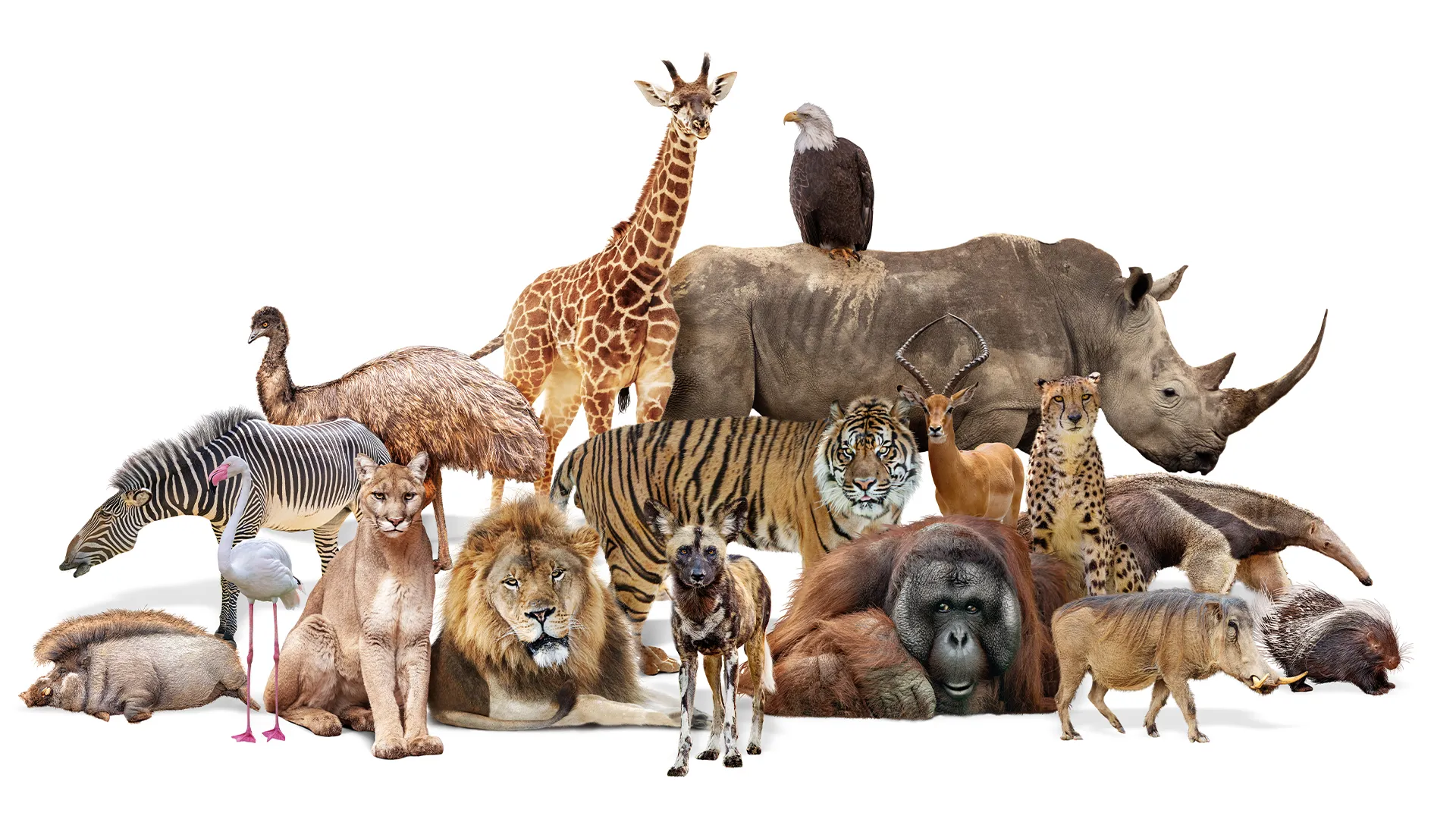
Many animal species are facing imminent extinction because of habitat loss, climate change, illegal trade, and other human pressures, threatening ecosystems and human well‑being worldwide.
Quick Answer
Animals on the edge of extinction are species whose populations have declined to the point where they are classified as Critically Endangered or Endangered by the International Union for Conservation of Nature (IUCN). The primary mechanisms driving this decline are large‑scale habitat destruction, climate‑related stressors, poaching, and invasive species. Scientific assessments consistently show that biodiversity loss reduces ecosystem resilience and can undermine services such as pollination, water purification, and climate regulation. While uncertainties remain about exact future trajectories, the evidence strongly indicates that coordinated conservation actions can halt or reverse many declines.
Key Takeaways
- Habitat loss and fragmentation are the leading direct cause of species decline worldwide.
- Climate change amplifies existing threats by altering temperature, precipitation, and sea‑ice patterns.
- Poaching and illegal wildlife trade remain major drivers for large mammals and reptiles.
- Invasive species can outcompete or prey on native fauna, accelerating extinctions.
- Evidence‑based conservation—such as protected areas, wildlife corridors, and community stewardship—has proven success in several cases.
What Is Animals on the Edge of Extinction—and What’s Pushing Them There?
The phrase refers to species whose risk of disappearing from the planet is extremely high, as measured by the IUCN Red List categories Critically Endangered (CR) and Endangered (EN). These classifications are based on criteria such as rapid population decline, very small geographic range, or severe fragmentation. The term differs from “threatened” (a broader category) and from “extinct in the wild,” which describes species that survive only in captivity. Understanding why species reach this brink is essential because each loss can trigger cascading effects throughout ecosystems.
How Does It Work?
1. Habitat Loss and Fragmentation
When forests, wetlands, or grasslands are cleared for agriculture, mining, or urban expansion, the physical space that species need to feed, breed, and migrate disappears. Fragmented habitats isolate populations, reducing genetic diversity and making them more vulnerable to stochastic events.
2. Climate Change Stressors
Rising global temperatures shift species’ suitable climate envelopes. For example, polar bears rely on sea ice to hunt seals; the Arctic sea‑ice extent has declined by about 13% per decade since 1979 (National Snow and Ice Data Center, 2023). Species that cannot migrate quickly enough face increased mortality.
3. Poaching and Illegal Trade
Demand for ivory, rhino horn, tiger parts, and exotic pets fuels illegal killing. The Convention on International Trade in Endangered Species (CITES) reports that illegal wildlife trade generates an estimated US$20 billion annually, directly removing thousands of individuals from wild populations each year.
4. Invasive Species
Non‑native predators, competitors, or pathogens can decimate native fauna. The brown tree snake (Boiga irregularis) introduced to Guam caused the extinction of most native bird species within three decades, illustrating how a single invasive predator can reshape an entire ecosystem.
5. Synergistic Interactions
These drivers often interact. Climate‑induced drought can weaken forest health, making trees more susceptible to logging, which in turn reduces habitat for forest‑dependent animals. Such feedback loops accelerate declines.
What Does the Evidence Show?
Long‑term monitoring by the IUCN indicates that roughly 28,000 species are currently threatened, representing about 27% of all assessed vertebrates (IUCN Red List, 2022). Meta‑analyses of population trends across taxa reveal average declines of 68% over the past 50 years for mammals and 45% for birds (World Wildlife Fund, 2021). Climate‑impact studies attribute 23% of recent range contractions in amphibians to temperature and precipitation changes (IPCC Special Report on Biodiversity, 2022). Systematic reviews of anti‑poaching initiatives show that well‑enforced protected areas can increase tiger numbers by up to 50% over a decade (Science Advances, 2020).
Main Causes or Drivers
Direct Causes
- Land‑use conversion (agriculture, infrastructure)
- Overharvesting (hunting, fishing)
- Pollution (plastic ingestion, chemical runoff)
Underlying Drivers
- Global demand for commodities such as palm oil, soy, and beef
- Economic incentives for wildlife trafficking
- Weak governance and insufficient law enforcement
Amplifying Factors
- Climate‑induced habitat shifts
- Inadequate funding for conservation
- Social conflicts over land rights
Environmental and Human Impacts
Environmental Impacts
Loss of keystone species—such as large herbivores that shape vegetation structure—can lead to overgrowth of certain plants, altered fire regimes, and reduced carbon storage. Declines in pollinators affect crop yields; the Food and Agriculture Organization estimates that pollinator‑dependent crops provide 35% of global food production.
Human Health and Social Impacts
Reduced biodiversity can increase disease transmission. Research published in Nature (2020) links deforestation‑driven wildlife stress to higher spillover risk of zoonotic pathogens, exemplified by the emergence of Nipah virus in Southeast Asia.
Economic and Infrastructure Impacts
Ecotourism revenue depends on charismatic wildlife. The World Bank reports that wildlife‑related tourism contributed US$77 billion to global GDP in 2019; declines in flagship species directly affect livelihoods in many rural communities.
Regional Differences
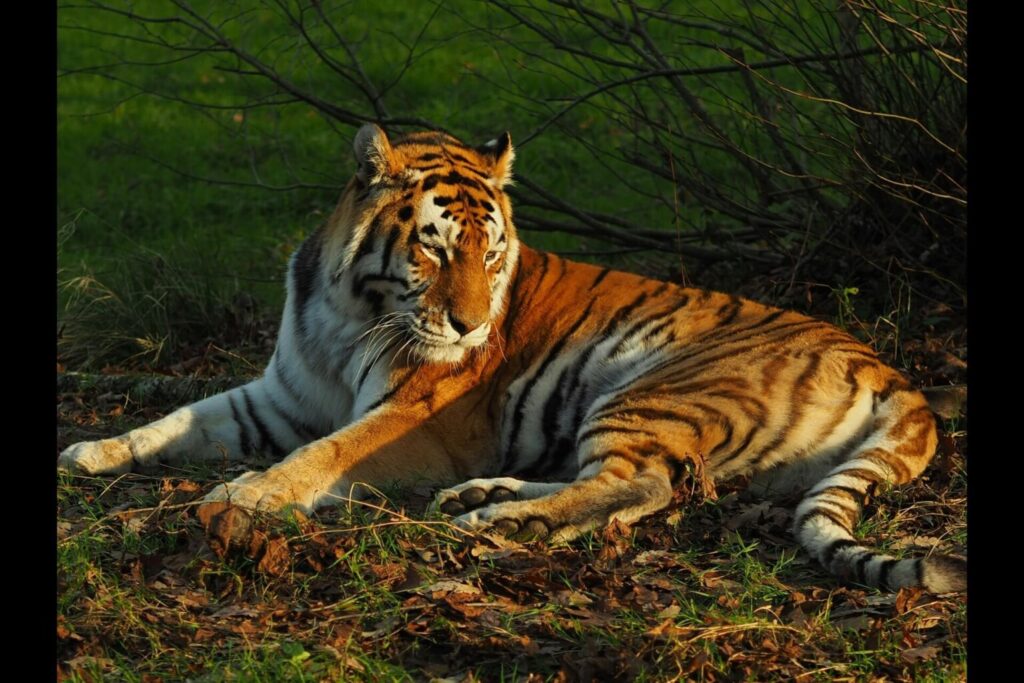
In tropical Asia, rapid palm‑oil expansion drives forest loss, endangering orangutans and Sumatran tigers. In the Arctic, melting sea ice threatens polar bears and ringed seals. African savannas face combined pressures of poaching and climate‑induced drought, putting African elephants and lions at heightened risk. These patterns illustrate that while the overarching drivers are global, the specific species and socioeconomic contexts differ markedly.
What Scientists Know With High Confidence
- Habitat destruction is the primary driver of global species decline (IUCN, 2022).
- Climate change is already shifting species distributions and reducing reproductive success for many taxa (IPCC, 2022).
- Illegal wildlife trade is a major threat to large mammals and reptiles, with measurable population impacts (CITES, 2021).
- Protected areas that are adequately funded and managed can stabilize or increase populations of target species (Science Advances, 2020).
What Remains Uncertain
Key uncertainties include the exact thresholds at which climate‑induced habitat loss becomes irreversible for specific species, and the long‑term effectiveness of emerging technologies such as gene‑drive population control. Data gaps in remote regions—particularly in the deep ocean and high‑altitude ecosystems—limit our ability to assess full extinction risk. Improved monitoring and standardized reporting are needed to reduce these uncertainties.
Common Misconceptions
Misconception: “Extinction is a natural process, so human impact is irrelevant.”
Reality: While extinction is a natural part of evolution, the current rate—estimated at up to 1,000 times the background rate—is driven largely by anthropogenic activities (IPCC, 2022).
Misconception: “Only large, charismatic animals are at risk.”
Reality: Small and inconspicuous species, such as amphibians and insects, comprise the majority of threatened taxa; their loss can destabilize food webs and ecosystem services (WWF, 2021).
Misconception: “Conservation is too expensive for most countries.”
Reality: Cost‑effectiveness analyses show that every US$1 million invested in protected areas can prevent up to US$10 million in ecosystem service losses (World Bank, 2020).
Solutions and Limitations
Effective responses combine prevention, mitigation, and restoration. Protected‑area expansion works best when coupled with community co‑management, but requires sustained financing and political will. Wildlife corridors reconnect fragmented habitats, yet land‑acquisition costs and competing land uses can limit implementation. Climate‑adaptation strategies—such as assisted migration—are scientifically promising but raise ecological and ethical concerns about unforeseen impacts. Anti‑poaching technologies (e.g., drones, DNA forensics) improve detection, yet illegal markets adapt quickly, demanding parallel demand‑reduction efforts.
What Individuals, Communities, and Governments Can Do
What Individuals Can Do
- Choose products certified as sustainably sourced (e.g., FSC timber, RSPO palm oil).
- Reduce meat consumption, which lowers demand for livestock‑driven habitat conversion.
- Support reputable conservation NGOs that fund protected‑area management.
What Communities and Organizations Can Do
- Develop community‑led monitoring programs that provide early warnings of population declines.
- Implement habitat restoration projects—such as native tree planting—to improve connectivity.
- Engage in citizen‑science platforms (e.g., iNaturalist) to broaden data coverage.
What Governments Can Do
- Enforce and strengthen wildlife protection laws, including higher penalties for trafficking.
- Allocate at least 10% of national budgets to biodiversity conservation, as recommended by the Convention on Biological Diversity.
- Integrate biodiversity considerations into land‑use planning and climate‑policy frameworks.
What Businesses and Industries Can Do
- Adopt zero‑deforestation supply‑chain commitments and undergo third‑party verification.
- Invest in habitat offsets that are scientifically validated and locally managed.
- Support research and development of sustainable alternatives to wildlife‑derived products.
Looking Ahead
The extinction crisis is a complex, multi‑scale challenge rooted in human activity. High‑confidence evidence shows that habitat loss, climate change, poaching, and invasive species are the dominant drivers. While uncertainties persist regarding precise future trajectories, the consensus is clear: coordinated, evidence‑based actions can halt and even reverse many declines. By aligning policy, finance, and community stewardship, societies can safeguard the planet’s irreplaceable animal heritage for future generations.
Frequently Asked Questions
What does it mean when a species is classified as Critically Endangered?
A Critically Endangered (CR) classification by the IUCN means the species faces an extremely high risk of extinction in the wild, based on criteria such as rapid population decline, very small range, or severe fragmentation.
How does habitat loss directly affect animal populations?
Habitat loss removes the physical space animals need for food, shelter, and breeding, while fragmentation isolates groups, reduces genetic diversity, and makes populations more vulnerable to random events.
Can climate change alone push a species toward extinction?
Climate change can shift temperature and precipitation patterns, altering suitable habitats. For many species, especially those with limited mobility like polar bears, these changes increase mortality and can combine with other threats to drive extinction.
What are some proven conservation strategies that have worked?
Well‑managed protected areas, community‑run wildlife corridors, and anti‑poaching technologies such as drones and DNA forensics have all shown measurable successes in stabilising or increasing populations of threatened species.
What realistic actions can individuals take to help endangered animals?
Individuals can choose sustainably certified products, reduce meat consumption, support reputable conservation NGOs, and participate in citizen‑science projects that expand monitoring data for vulnerable species.







Leave a Comment