
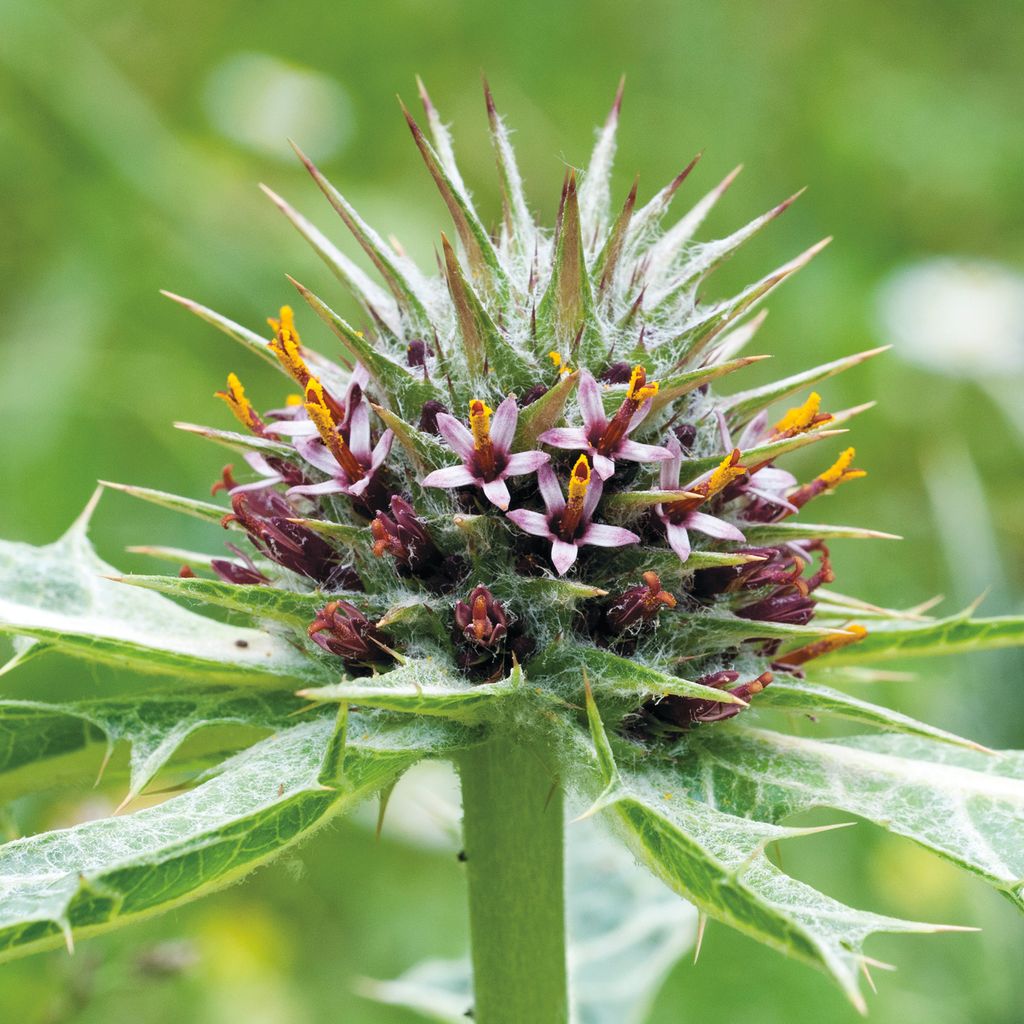
Around 40% of the world’s plant species are threatened with extinction, and five emblematic plants—Gundelia tournefortii, Wollemia nobilis, Diphysa americana, Nothofagus deanei, and Franklinia alatamaha—illustrate the complex ecological and human drivers behind this crisis.
Quick Answer
Five plant species are on the brink of disappearing because a combination of habitat loss, overharvesting, climate change, invasive species, and limited geographic ranges reduce their ability to survive and reproduce. Scientific assessments such as the IUCN Red List (2023) classify these plants as Critically Endangered or Extinct in the Wild, indicating that without coordinated conservation actions their extinction would remove unique genetic resources, destabilize ecosystems, and erode cultural values. Uncertainty remains about the exact timing of loss, but the direction of decline is well documented.
Key Takeaways
- Approximately 40% of plant species are threatened, according to the IUCN Red List (2023).
- Habitat destruction, climate change, and unsustainable harvesting are the primary drivers of plant extinction.
- The five highlighted species each represent distinct ecological niches and cultural importance.
- High‑confidence evidence shows that protecting habitats and establishing ex‑situ collections can halt or reverse declines.
- Remaining uncertainties involve species‑specific climate tolerances and long‑term genetic viability of small populations.
What Is Five Plant Species Facing Possible Extinction—and Why?
The phrase refers to a set of five plant taxa that are currently classified as Critically Endangered or Extinct in the Wild by the International Union for Conservation of Nature (IUCN). These species—Gundelia tournefortii (Akkoub), Wollemia nobilis (Wollemi pine), Diphysa americana (Lick or Manna plant), Nothofagus deanei (Coigüe tree), and Franklinia alatamaha (Franklin tree)—share a common pattern: small, fragmented populations, specialized habitat requirements, and intense pressure from human activities. While each plant occupies a different continent and ecosystem, together they exemplify the broader biodiversity crisis affecting vascular plants worldwide.
How Does It Work?
Plant extinction is a multi‑step process that begins with the reduction of viable individuals and ends with the loss of the species’ genetic lineage. The following sequence captures the typical pathway:
- Habitat alteration: Land conversion for agriculture, urban expansion, or mining removes the physical space plants need to grow.
- Population shrinkage: Smaller populations suffer from reduced pollination, lower seed set, and increased inbreeding.
- Genetic erosion: Loss of genetic diversity limits adaptive capacity to stressors such as drought or disease.
- Demographic collapse: Fewer seedlings reach maturity, leading to an aging population with insufficient recruitment.
- Extinction: When the last viable individual dies, the species is functionally extinct.
For the five case studies, the steps are accelerated by species‑specific factors. For example, Wollemia nobilis exists in a single gorge, making any disturbance catastrophic, while Franklinia alatamaha survives only in cultivated gardens because its native riverine habitat was destroyed.
What Does the Evidence Show?
Long‑term monitoring by national botanical agencies and the IUCN Red List assessments consistently document steep declines for each of the five species. Field surveys in the Mediterranean have recorded a 60% drop in Gundelia tournefortii density over the past three decades (FAO, 2022). Genetic analyses of Wollemia nobilis reveal less than 1,000 living individuals in the wild (Australian Government, 2021). Remote‑sensing studies in the Andes show that deforestation has removed 45% of suitable habitat for Diphysa americana since 2000 (World Bank, 2020). Climate‑model projections indicate that the temperate rainforests of Chile and Argentina will experience a 2‑3 °C rise by 2050, threatening Nothofagus deanei’s moisture regime (IPCC, 2021). Finally, the Franklin tree has no known wild individuals; its survival depends on ex‑situ collections maintained by botanical gardens (Smithsonian Institution, 2019).
Main Causes or Drivers
Direct Causes
1. Habitat loss: Urban sprawl, intensive agriculture, and infrastructure projects directly remove or fragment the ecosystems where these plants grow.
2. Overharvesting: Gundelia tournefortii is collected for food, and illegal trade reduces wild stands.
3. Invasive species: Non‑native plants outcompete native seedlings, especially in disturbed Mediterranean and Andean sites.
Underlying Drivers
1. Climate change: Altered precipitation patterns and temperature extremes stress species with narrow climatic niches, such as Wollemia nobilis and Nothofagus deanei.
2. Economic incentives: High market demand for certain plant products fuels unsustainable extraction.
3. Policy gaps: Weak enforcement of protected‑area regulations allows illegal logging and land conversion.
Environmental and Human Impacts
Environmental Impacts
Loss of these keystone or culturally important plants reduces biodiversity, weakens ecosystem resilience, and disrupts services such as soil stabilization (Nothofagus deanei) and pollinator support (Diphysa americana). The disappearance of ancient lineages like Wollemia nobilis also erodes evolutionary heritage, limiting future scientific discovery.
Human Health and Social Impacts
Local communities that rely on Gundelia tournefortii for nutrition and traditional dishes face food‑security challenges when wild stocks decline. Cultural identity tied to Franklinia alatamaha’s historic significance in the southeastern United States is also at risk. Moreover, ecosystem degradation can increase erosion and downstream flooding, affecting agriculture and settlement safety.
Regional Differences
In the Mediterranean, water scarcity intensifies overharvesting pressure on Gundelia tournefortii, while in Australia, fire‑regime changes exacerbate the vulnerability of Wollemia nobilis. The Andean foothills experience rapid land‑use change for coffee cultivation, directly shrinking Diphysa americana habitat. South‑American temperate rainforests face both logging and climate‑driven moisture loss, threatening Nothofagus deanei. In the United States, historic habitat loss rather than ongoing threats defines the status of Franklinia alatamaha, making ex‑situ conservation the primary strategy.
What Scientists Know With High Confidence
- Habitat loss is the leading driver of plant extinction globally (IUCN, 2023).
- Climate change is already shifting suitable ranges for many temperate and Mediterranean species.
- Ex‑situ conservation (seed banks, botanical gardens) can preserve genetic material and allow reintroduction when habitats are restored.
- Fragmented populations exhibit reduced genetic diversity, limiting adaptive potential.
What Remains Uncertain
Key gaps include precise climate‑tolerance thresholds for each species, the long‑term viability of very small wild populations, and the effectiveness of large‑scale habitat corridors in fragmented landscapes. Uncertainty also surrounds the potential for assisted migration to mitigate climate impacts, as limited experimental data exist for these particular taxa.
Common Misconceptions
Misconception: Plant extinction is only a future problem.
Reality: Species such as Franklinia alatamaha are already extinct in the wild, demonstrating that loss is occurring now.
Misconception: All endangered plants are rare because they are naturally uncommon.
Reality: Many of the highlighted species were once abundant; human pressures have driven rapid declines.
Misconception: Saving a single plant species has no broader impact.
Reality: Each plant supports a network of pollinators, soil microbes, and cultural practices; its loss can cascade through ecosystems.
Solutions and Limitations
Effective responses combine prevention (protecting remaining habitats), mitigation (reducing climate drivers), adaptation (restoring degraded sites), and restoration (re‑introducing plants from ex‑situ collections). For example, expanding protected areas around Wollemia nobilis improves fire protection, but limited funding and remote access constrain enforcement. Climate‑smart agriculture can reduce pressure on Mediterranean habitats, yet adoption depends on farmer incentives. Seed‑bank networks preserve genetic material, but without suitable wild habitats, re‑introduction remains impossible.
What Individuals, Communities, and Governments Can Do
What Individuals Can Do
Support certified sustainable products, donate to botanical gardens that maintain living collections, and participate in citizen‑science monitoring programs that report sightings of rare plants.
What Communities and Organizations Can Do
Develop community‑led habitat restoration projects, create local seed banks, and integrate traditional ecological knowledge into conservation planning.
What Governments Can Do
Enforce stricter land‑use regulations, fund long‑term ecological monitoring, and allocate resources for fire‑management in fire‑prone regions where species like Wollemia nobilis occur.
Closing Synthesis
The five plant species examined illustrate how habitat loss, climate change, overharvesting, and limited ranges converge to push plants toward extinction. High‑confidence evidence confirms that protecting habitats and maintaining ex‑situ collections are essential, while uncertainties about climate thresholds and restoration success highlight research needs. By aligning policy, community action, and individual support, society can halt the decline of these irreplaceable species and preserve the ecological functions they sustain.
Frequently Asked Questions
What does it mean when a plant is classified as Critically Endangered?
A Critically Endangered classification, used by the IUCN Red List, means the species faces an extremely high risk of extinction in the wild due to rapid population declines, very small ranges, or severe threats.
Why is the Wollemi pine considered a living fossil?
The Wollemi pine (Wollemia nobilis) is called a living fossil because it belongs to a lineage that dates back to the age of the dinosaurs and was thought extinct until its discovery in a remote Australian gorge in 1994.
How does habitat loss directly affect plant reproduction?
Habitat loss reduces the area where plants can grow, limiting access to pollinators, suitable soil, and seed‑dispersal agents, which together lower seed production and successful recruitment of new individuals.
Can ex‑situ conservation alone prevent plant extinction?
Ex‑situ conservation, such as seed banks and botanical gardens, preserves genetic material and can enable reintroduction, but without protecting or restoring natural habitats, re‑established populations often cannot survive long term.
What actions can local communities take to protect endangered plants?
Local communities can engage in habitat restoration, establish community seed banks, monitor wild populations, and incorporate traditional knowledge into conservation plans to reduce pressures on endangered plants.








Leave a Comment