

Melting ice from glaciers, ice caps, and the polar ice sheets adds water to the oceans and, together with thermal expansion, raises global sea levels, a process supported by decades of observations and climate‑model assessments.
Quick Answer
When solid ice on land—such as glaciers, the Greenland ice sheet, or the Antarctic ice sheet—melts, the water flows into the ocean, directly increasing sea level. At the same time, a warming ocean expands (thermal expansion), amplifying the rise. The Intergovernmental Panel on Climate Change (IPCC) reports that land‑based ice loss contributed about 0.9 mm yr⁻¹ to global sea‑level rise between 2000 and 2020, while thermal expansion added roughly 0.4 mm yr⁻¹. Although uncertainties remain about the future rate of Antarctic ice loss, the basic mechanism is well‑established and the observed rise is unmistakable.
Key Takeaways
- Land‑based ice melt and ocean thermal expansion are the two dominant contributors to modern sea‑level rise.
- Glaciers worldwide have been losing mass at an accelerating pace since the 1990s.
- Greenland loses about 280 billion tons of ice per year; Antarctica’s contribution is increasing as warm water reaches its base.
- Rising seas threaten low‑lying coastal communities, increase flood risk, and can trigger migration.
- High‑confidence findings include the link between global warming and accelerated ice loss; key uncertainties involve the timing of potential Antarctic ice‑sheet instability.
What Is How Melting Ice Causes Sea Level Rise Science Explained?
The phrase refers to the physical process by which solid freshwater stored on land converts to liquid water that joins the world’s oceans, thereby raising the average height of the sea surface. It encompasses melt from mountain glaciers, the Greenland and Antarctic ice sheets, and the contribution of thermal expansion caused by warming seawater. Understanding this process matters because sea‑level rise affects coastal ecosystems, human settlements, and global climate feedbacks.
How Does It Work?
1. Ice Melt on Land Adds Water to the Ocean
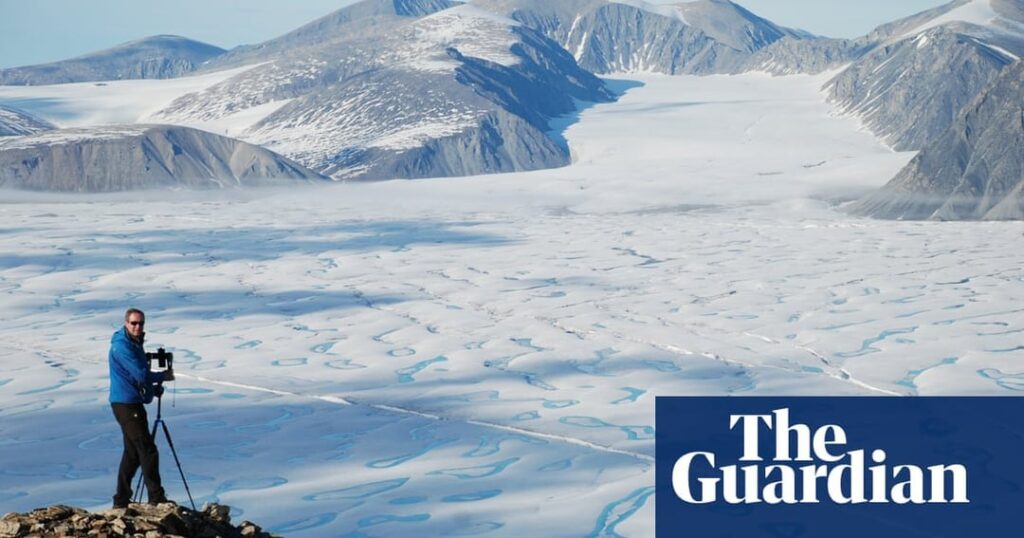
- Surface melting. Higher air temperatures melt the exposed surface of glaciers and ice sheets.
- Basal melting. Warmer ocean water erodes the underside of marine‑terminating ice shelves, especially around Antarctica.
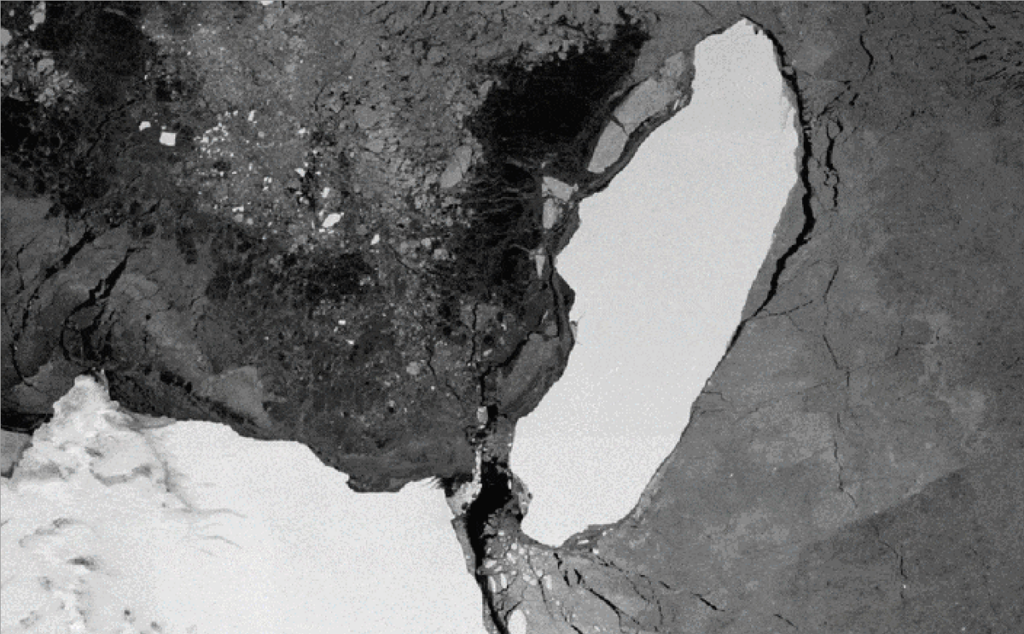
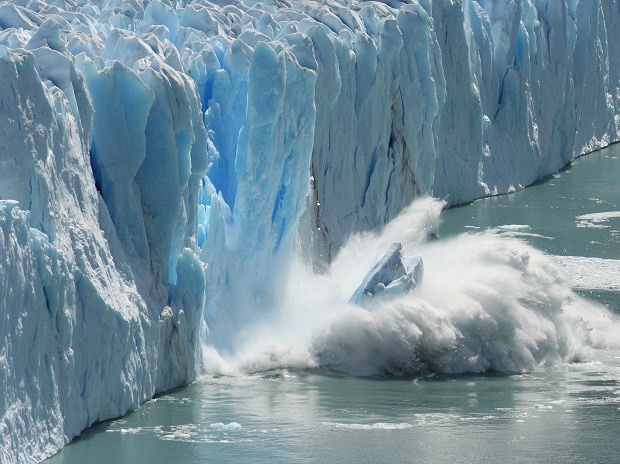
- Calving. Large chunks of ice break off as icebergs; once they melt, they contribute the same volume of water.
- Runoff. Meltwater travels via rivers and streams to the sea, directly increasing ocean volume.
2. Thermal Expansion of Seawater
Water expands as it warms because molecules occupy slightly more space. As the upper ocean absorbs heat, its density decreases, raising sea level even without additional water input. This effect accounts for roughly one‑third of observed sea‑level rise over recent decades (IPCC AR6, 2021).
3. Feedbacks and Thresholds
- Albedo feedback: Less ice means lower reflectivity, leading to further warming.
- Ice‑sheet dynamics: Once certain grounding lines retreat, ice loss can accelerate.
What Does the Evidence Show?
Multiple, independent lines of evidence converge on the same conclusion:
- Satellite altimetry. Since 1993, satellite missions such as TOPEX/Poseidon and Jason‑3 have measured a global mean sea‑level rise of about 3.3 mm yr⁻¹ (NASA, 2022).
- GRACE gravimetry. The Gravity Recovery and Climate Experiment (GRACE) satellites detect a loss of roughly 300 Gt yr⁻¹ of land ice, consistent with sea‑level contributions (NASA JPL, 2020).
- In‑situ tide‑gauge records. Tide‑gauge networks worldwide confirm the satellite trend and show regional variations linked to ocean currents and land motion.
- Ice‑core and geological records. Past interglacial periods with higher temperatures show sea levels several meters higher, indicating the long‑term sensitivity of sea level to ice melt.
These observations are reinforced by climate‑model simulations that reproduce the observed rise when both melt and thermal expansion are included.
Main Causes or Drivers
Direct Causes
- Rising atmospheric temperatures increase surface melt on glaciers and ice sheets.
- Warmer ocean waters erode the undersides of marine‑terminating ice shelves, especially around West Antarctica.
Underlying Drivers
- Anthropogenic greenhouse‑gas emissions, primarily CO₂, which trap heat and raise global temperatures (IPCC, 2021).
- Feedback mechanisms such as reduced surface albedo from ice loss.
Amplifying Factors
- Changes in atmospheric circulation that bring warm, moist air to polar regions.
- Oceanic heat transport that brings warm water into contact with ice‑sheet margins.
Environmental and Human Impacts
Environmental Impacts
- Coastal habitat loss: Mangroves, salt‑marshes, and coral reefs experience increased inundation and erosion.
- Saltwater intrusion into freshwater aquifers, affecting drinking water and agriculture.
- Altered ocean circulation patterns that can influence regional climate.
Human Health and Social Impacts
- Increased frequency of coastal flooding and storm‑surge events, threatening lives and property.
- Displacement of low‑lying populations, potentially creating climate‑related migration.
- Economic losses in sectors such as tourism, fisheries, and real‑estate.
Economic and Infrastructure Impacts
- Higher costs for flood defenses, sea walls, and adaptation measures.
- Damage to critical infrastructure—roads, ports, sewage systems—requiring costly retrofits.
Regional Differences
Sea‑level rise is not uniform. Regions such as the western Pacific experience higher-than-average rise due to ocean‑dynamic effects, while parts of the Indian Ocean see lower rates because of gravitational adjustments from ice‑mass loss in the Northern Hemisphere. Small island states like the Maldives face existential threats, whereas high‑latitude coasts (e.g., Alaska) may experience amplified rise from local glacial melt.
What Scientists Know With High Confidence
What Scientists Know With High Confidence
- Global temperatures have risen approximately 1.1 °C above pre‑industrial levels, primarily due to human emissions (IPCC AR6, 2021).
- Land‑based ice loss is a major contributor to observed sea‑level rise since the late 20th century.
- Thermal expansion of seawater contributes substantially to sea‑level rise and will continue as the ocean warms.
- Sea‑level rise will continue for centuries, even if greenhouse‑gas emissions were halted today, because of thermal inertia and committed ice melt.
What Remains Uncertain
What Remains Uncertain
The timing and magnitude of potential rapid Antarctic ice‑sheet collapse remain the largest source of uncertainty. While models agree that warming ocean waters threaten the stability of the West Antarctic Ice Sheet, the exact threshold at which irreversible retreat occurs is still under investigation. Improved observations of sub‑ice‑shelf ocean temperatures and ice‑sheet grounding‑line dynamics are needed to narrow this gap.
Common Misconceptions
Common Misconceptions
Misconception: Only sea‑ice melt raises sea level.
Reality: Sea ice is already floating; when it melts, it does not change ocean volume. Only ice that was previously on land adds water to the sea.
Misconception: Sea‑level rise is solely caused by melting ice.
Reality: Thermal expansion accounts for about one‑third of the observed rise, and changes in land water storage (e.g., groundwater extraction) also play a role.
Misconception: Sea‑level rise will stop once temperatures stabilize.
Reality: Even with a stable climate, the ocean continues to expand and ice sheets will keep losing mass for centuries due to inertia.
Solutions and Limitations
Addressing sea‑level rise requires both mitigation of climate change and adaptation to the rising water.
Mitigation
- Rapid reduction of CO₂ emissions can limit future warming, thereby slowing ice‑sheet melt. However, mitigation alone cannot prevent near‑term sea‑level rise already locked in.
Adaptation
- Coastal defenses (sea walls, surge barriers) provide protection but are costly and may have ecological trade‑offs.
- Nature‑based solutions such as mangrove restoration buffer wave energy and store carbon, yet they require suitable space and long‑term maintenance.
Limitations
- Engineering solutions may be overwhelmed by extreme events or long‑term high sea‑level scenarios.
- Nature‑based approaches cannot protect dense urban centers without complementary infrastructure.
What Individuals, Communities, and Governments Can Do
What Individuals Can Do
- Support policies that accelerate decarbonisation, such as renewable‑energy incentives.
- Reduce personal carbon footprints through energy efficiency, sustainable transportation, and responsible consumption.
What Communities and Organizations Can Do
- Implement local flood‑risk assessments and develop community‑based adaptation plans.
- Invest in green infrastructure—restoring wetlands, creating buffer zones, and improving storm‑water management.
What Governments Can Do
- Set ambitious net‑zero targets and enforce emissions standards.
- Fund long‑term monitoring of glaciers, ice sheets, and ocean heat content (e.g., through NASA, ESA, and national agencies).
- Allocate resources for resilient coastal planning, including managed retreat where protection is not feasible.
Closing Synthesis
Melting land ice adds water to the oceans, while warming seawater expands, together driving the steady rise of global sea level. Decades of satellite, gravimetric, and tide‑gauge data provide high confidence in this mechanism, and the observed trend aligns with robust climate‑model projections. Uncertainties remain around the pace of potential rapid Antarctic ice‑sheet loss, but the overall trajectory is clear: sea levels will keep climbing, reshaping coastlines and affecting societies worldwide. Effective action combines rapid greenhouse‑gas mitigation with strategic, equity‑focused adaptation to safeguard vulnerable communities and ecosystems for the generations ahead.
Frequently Asked Questions
Why does melting sea ice not raise sea level?
Sea ice already floats on the ocean, so when it melts it displaces the same amount of water it already occupies, resulting in no net change in sea level.
How much of recent sea‑level rise is caused by thermal expansion?
Thermal expansion accounts for roughly one‑third of the observed global sea‑level rise since the year 2000, adding about 0.4 mm per year according to the IPCC AR6 assessment.
Which region is experiencing the fastest sea‑level rise?
The western Pacific region shows higher-than-average sea‑level rise due to ocean‑dynamic effects, while low‑lying island nations face the most immediate risk from even modest increases.
What are the main uncertainties about future sea‑level rise?
The biggest uncertainty lies in how quickly the West Antarctic Ice Sheet might undergo rapid collapse, as the exact temperature and ocean‑water thresholds that trigger irreversible retreat are still being studied.
What actions can communities take to adapt to rising seas?
Communities can conduct flood‑risk assessments, restore mangroves and wetlands for natural buffering, upgrade storm‑water systems, and develop managed‑retreat plans where protection is not viable.



Leave a Comment