
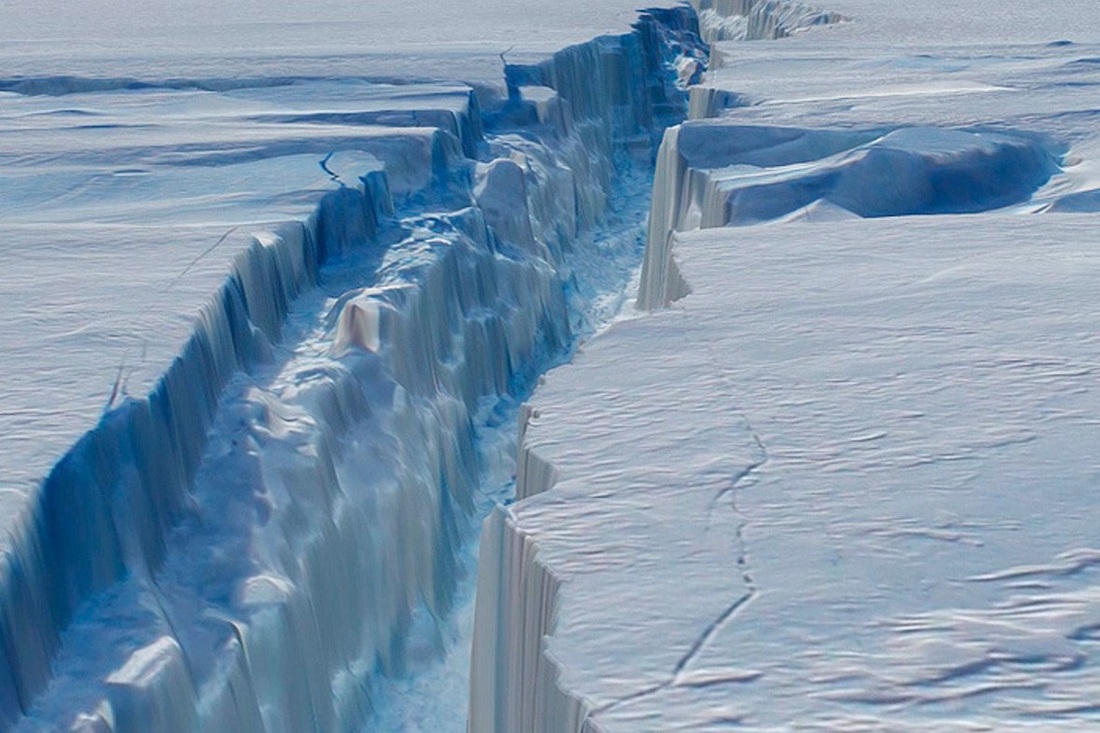
Glaciers worldwide are losing mass at an accelerating rate, a trend driven primarily by rising temperatures, and this loss threatens freshwater supplies, sea‑level stability, and ecosystems across continents.
Quick Answer
Glaciers are large, persistent bodies of ice that gain mass from snowfall and lose it through melting, sublimation, and iceberg calving. Over the period 2000‑2020, global glacier mass balance was negative by roughly –267 gigatons per year, according to the Intergovernmental Panel on Climate Change (IPCC) Sixth Assessment Report, contributing about 0.7 mm to sea‑level rise annually. The primary driver is atmospheric warming, amplified by feedbacks such as reduced surface albedo. While the overall trend of loss is robust, uncertainties remain in regional projections and in the response of the largest ice sheets.
Key Takeaways
- Glaciers have lost an estimated 267 gigatons of ice per year from 2000‑2020, accelerating sea‑level rise.
- Atmospheric temperature rise is the dominant cause, with black‑carbon deposition and precipitation changes acting as amplifiers.
- Impacts span water security for two‑billion people, ecosystem disruptions, and increased natural‑hazard risk.
- Regional trends vary: the Himalayas and Andes show >50 % projected loss by 2100 under high‑emissions scenarios, while some Antarctic outlet glaciers are already destabilising.
- Mitigation of greenhouse gases, improved monitoring, and locally‑focused adaptation are essential but have limits.
What Is The Global State of the World’s Glaciers Today?
Glaciers are defined as perennial ice masses larger than 0.01 km² that move under their own weight. The “global state” refers to the aggregate health of all such ice bodies, encompassing mountain glaciers, ice caps, and the peripheral portions of the Greenland and Antarctic ice sheets that behave like glaciers. Monitoring networks such as the World Glacier Monitoring Service (WGMS) and satellite gravimetry (e.g., NASA’s GRACE mission) provide consistent measurements of mass change, surface elevation, and flow speed. Understanding this state matters because glaciers act as freshwater reservoirs, sea‑level regulators, and climate indicators.
How Does It Work?
Surface Mass Balance
Glacier mass balance is the net difference between accumulation (mainly snowfall) and ablation (melting, sublimation, calving). Positive balance leads to growth; negative balance causes retreat. Temperature controls melt rates, while precipitation determines accumulation. The balance is typically expressed in meters water equivalent per year (m w.e. yr⁻¹).
Ice Dynamics
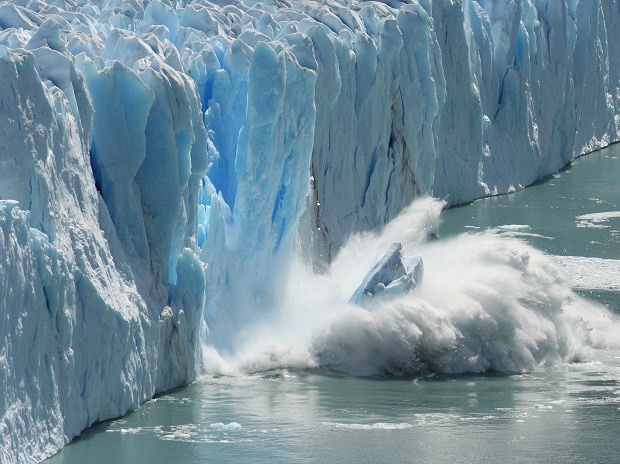
When the basal ice becomes sufficiently lubricated—by meltwater, sediment, or warm ocean water—glaciers flow faster. This dynamic thinning can outpace surface melt, especially for marine‑terminating glaciers where oceanic warming drives basal melting and iceberg calving.
Feedback Mechanisms
Ice loss reduces surface albedo, allowing more solar absorption and further warming—a positive feedback. Additionally, retreat exposes darker rock, enhancing the same effect. In some regions, meltwater percolates to the glacier base, increasing lubrication and accelerating flow.
What Does the Evidence Show?
Multiple independent lines of evidence converge on a clear picture of worldwide glacier decline:
- Long‑term monitoring: WGMS records indicate that since the 1960s, the average annual mass balance of surveyed glaciers has been –0.5 m w.e. yr⁻¹, with accelerating loss after 1990.
- Satellite gravimetry: GRACE data (2002‑2017) estimate a net loss of 267 ± 30 gigatons per year, consistent with IPCC AR6 findings.
- Altimetry: Ice‑satellite altimeters (ICESat‑2, CryoSat‑2) show surface lowering of 0.5–1.0 m per decade for many mountain glaciers.
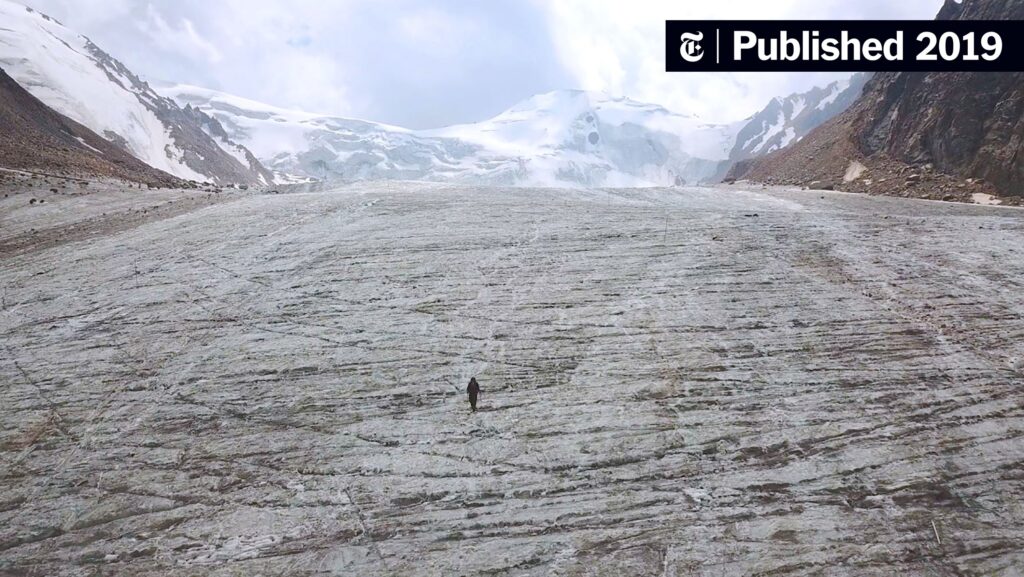
- Field studies: Direct stakes and GPS surveys in the Himalaya, Andes, and Alps confirm retreat rates of 10–30 m yr⁻¹ for many outlet glaciers.
These observations are corroborated by climate‑model attribution studies that link >80 % of observed glacier loss since the 1990s to anthropogenic warming.
Main Causes or Drivers
Atmospheric Warming
Global mean surface temperature has risen about 1.1 °C since pre‑industrial times (IPCC AR6, 2021). Higher air temperatures increase melt rates and shift precipitation from snow to rain, reducing accumulation.
Black‑Carbon Deposition
Particulate matter from combustion settles on glacier surfaces, darkening them and lowering albedo. Field measurements in the Himalaya estimate that black‑carbon can increase melt rates by up to 30 % during peak summer.
Changes in Precipitation Patterns
Some glaciers experience reduced snowfall due to shifting storm tracks, while others see more intense rain events that accelerate surface melt. The WGMS notes a net decline in annual snowfall for many mid‑latitude glaciers since the 1980s.
Oceanic Warming of Marine‑Terminating Glaciers
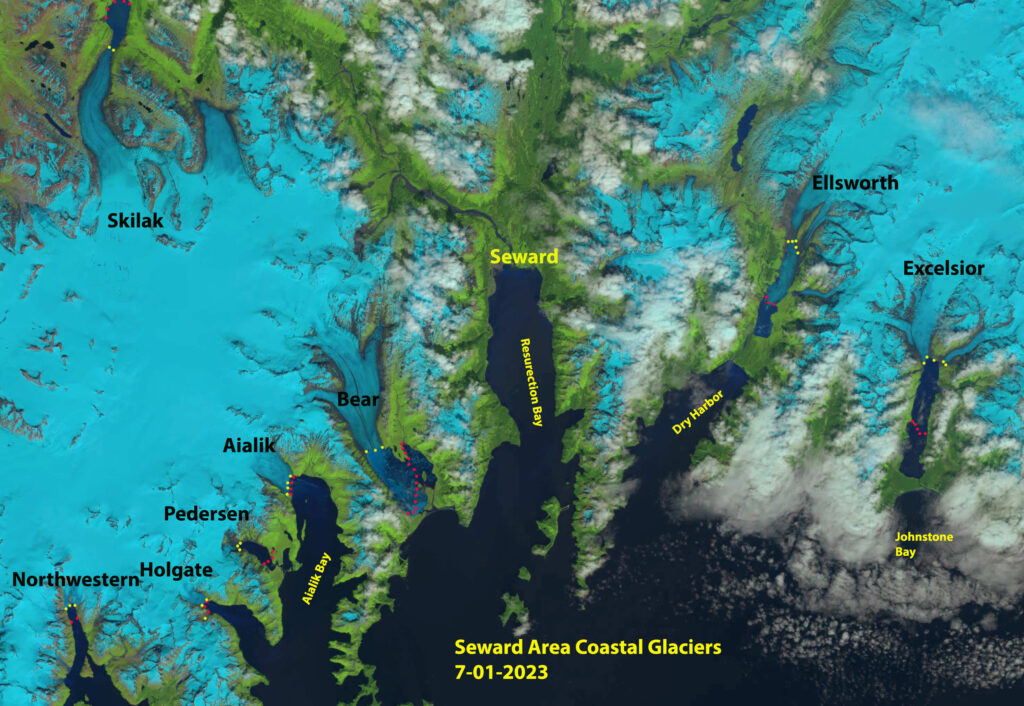
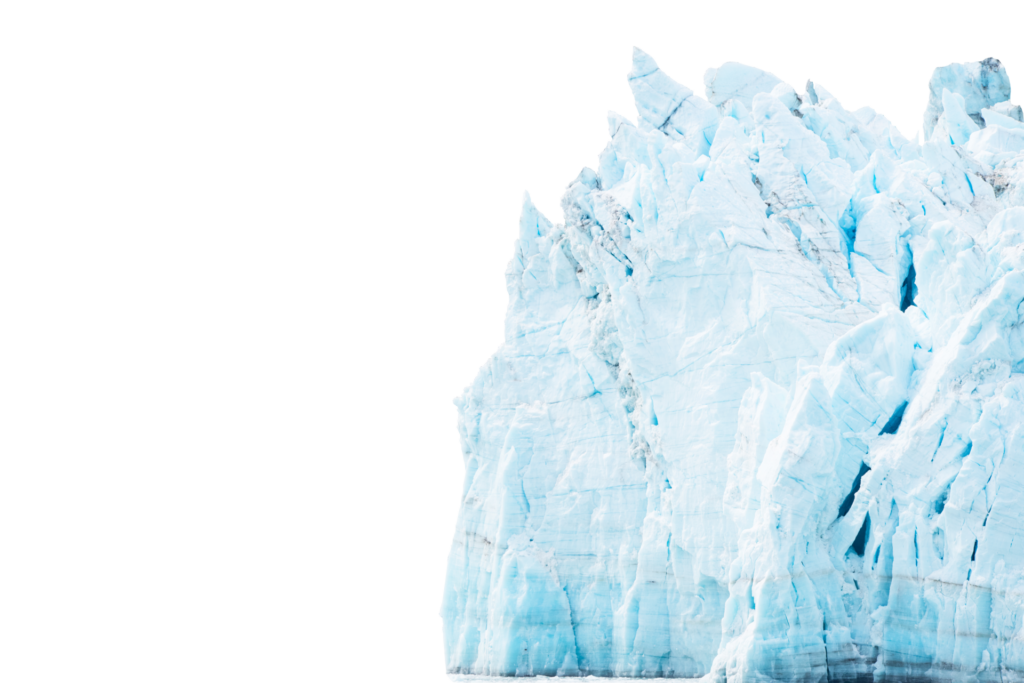
Warmer ocean waters erode the undersides of tidewater glaciers in Greenland, the Antarctic Peninsula, and Alaska, leading to rapid calving. Observations from the Amundsen Sea sector show grounding‑line retreat rates exceeding 1 km per year in recent decades.
Environmental and Human Impacts
Environmental Impacts
Glacier melt contributes directly to sea‑level rise, accounting for roughly 25 % of the observed increase since 1993. Freshwater input alters downstream river temperature and chemistry, affecting aquatic species such as salmon in the Pacific Northwest. Loss of glacier‑fed wetlands reduces habitat for migratory birds.
Human Health and Social Impacts
Reduced meltwater flow threatens drinking‑water supplies for up to two‑billion people dependent on the Himalaya and Andes water towers. Seasonal water scarcity can exacerbate agricultural stress, potentially increasing food‑security risks in arid downstream regions.
Economic and Infrastructure Impacts
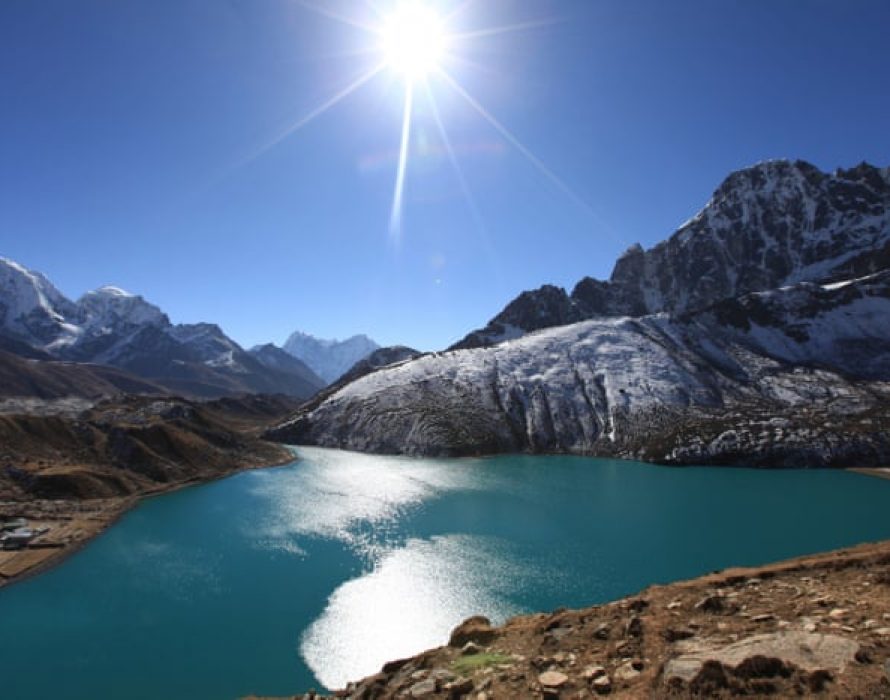
Glacier retreat destabilises slopes, raising the likelihood of landslides and glacial lake outburst floods (GLOFs). The World Bank estimates that GLOFs caused $2 billion in damages worldwide between 2000 and 2015, with the highest risk in Nepal and Bhutan.
Regional Differences
Glacier response varies with climate, topography, and ice dynamics:
- Himalayas (“Third Pole”): WGMS projects >50 % loss of glacier volume by 2100 under high‑emissions pathways, threatening water for 1.5 billion people.
- Arctic: Small alpine glaciers and ice caps have lost an average of 0.6 m w.e. yr⁻¹ since the 1990s, contributing to regional sea‑level rise and permafrost thaw.
- Antarctica: The West Antarctic Ice Sheet’s Pine Island and Thwaites glaciers are experiencing grounding‑line retreat, with potential multi‑meter sea‑level contributions over centuries.
- Patagonia (Southern Andes): Glaciers have retreated >10 km in total length since the 1970s, serving as visible indicators of climate change.
- European Alps: Alpine glaciers have shrunk by 60 % in volume since 1850, with some small glaciers disappearing entirely in the last decade.
What Scientists Know With High Confidence
- Glacier mass loss has accelerated globally since the 1990s, as shown by multiple independent monitoring systems.
- Atmospheric warming driven by greenhouse‑gas emissions is the primary driver of observed glacier retreat.
- Glacier melt contributes measurably to global sea‑level rise, accounting for roughly one‑quarter of the observed increase since the early 1990s.
- The loss of glacier‑fed freshwater threatens water security for billions of people in mountainous regions.
What Remains Uncertain
Key uncertainties include the precise timing and magnitude of nonlinear ice‑sheet dynamics in West Antarctica and Greenland, the future evolution of precipitation patterns in high‑altitude basins, and the socio‑economic pathways that will determine regional water demand. Improved high‑resolution modeling and expanded in‑situ observations are needed to narrow these gaps.
Common Misconceptions
Misconception: All glaciers are melting at the same rate.
Reality: Retreat rates differ widely; some high‑latitude glaciers are relatively stable, while many tropical and mid‑latitude glaciers are losing mass rapidly due to local climate and topographic factors.
Misconception: Glaciers will rebound if temperatures temporarily cool.
Reality: Once a glacier has lost substantial ice and its geometry changes, recovery is slow and may require sustained cooling over decades, which is unlikely under current emission trajectories.
Misconception: Glacier melt is the only cause of sea‑level rise.
Reality: Thermal expansion of seawater and loss from the Greenland and Antarctic ice sheets are also major contributors; glacier melt accounts for about 25 % of the total rise.
Solutions and Limitations
Addressing glacier loss requires both mitigation of global warming and adaptation to unavoidable changes:
- Mitigation: Rapid decarbonisation of energy systems can limit temperature rise to below 2 °C, reducing future melt rates. Limitations include geopolitical challenges and the time lag between emissions reductions and climate response.
- Adaptation: Developing water‑storage infrastructure, early‑warning systems for GLOFs, and ecosystem‑based management can reduce vulnerability. However, adaptation cannot restore lost ice.
- Monitoring and Research: Expanding satellite missions, installing more automatic weather stations, and supporting community‑based glacier observations improve data quality but require sustained funding.
- Conservation: Protecting upstream catchments limits sediment and black‑carbon deposition, modestly preserving glacier albedo. Yet, local actions have limited effect on large‑scale temperature trends.
What Individuals, Communities, and Governments Can Do
What Individuals Can Do
Support policies that reduce greenhouse‑gas emissions, reduce personal carbon footprints (e.g., energy efficiency, low‑carbon travel), and contribute to citizen‑science projects that monitor local glaciers.
What Communities and Organizations Can Do
Invest in water‑conservation infrastructure, develop GLOF risk maps, and promote sustainable tourism that funds glacier monitoring.
What Governments Can Do
Implement ambitious climate‑mitigation targets aligned with the Paris Agreement, fund national glacier monitoring programs, and integrate glacier‑related risks into water‑resource planning and disaster‑risk reduction strategies.
Looking Ahead
The global state of glaciers reflects a clear, high‑confidence signal of a warming planet. While the overall direction of loss is well established, uncertainties remain about the pace of change in specific regions and the societal responses required. Continued mitigation, robust monitoring, and targeted adaptation can lessen the most severe impacts on water security, sea level, and ecosystems, but decisive action is essential to preserve these critical components of the Earth system.
Frequently Asked Questions
What defines a glacier and how is its health measured?
A glacier is a perennial ice mass larger than 0.01 km² that moves under its own weight. Scientists assess its health mainly through surface mass balance – the net gain or loss of ice measured in meters water equivalent per year – using field stakes, satellite gravimetry, and altimetry.
How much ice have glaciers lost in recent decades?
Global monitoring by the IPCC and satellite gravimetry shows that glaciers lost an average of 267 ± 30 gigatons of ice per year between 2000 and 2020, which translates to about 0.7 mm of sea‑level rise each year.
Which regions are experiencing the fastest glacier retreat?
The Himalayas (often called the Third Pole), the Andes of South America, and parts of West Antarctica are seeing the most rapid loss, with projected volume reductions exceeding 50 % by 2100 under high‑emission scenarios. Smaller Arctic ice caps also retreat quickly, but at lower absolute rates.
How does glacier melt contribute to sea‑level rise?
Meltwater from glaciers adds fresh water to the oceans, accounting for roughly one‑quarter of the observed global sea‑level rise since the early 1990s. The remaining rise comes from thermal expansion of seawater and loss from the Greenland and Antarctic ice sheets.
What actions can individuals take to help reduce glacier loss?
Individuals can lower their carbon footprint by improving home energy efficiency, choosing low‑carbon transportation, and supporting renewable energy policies. Participating in citizen‑science glacier monitoring projects and advocating for strong climate legislation also amplifies collective impact.





Leave a Comment