
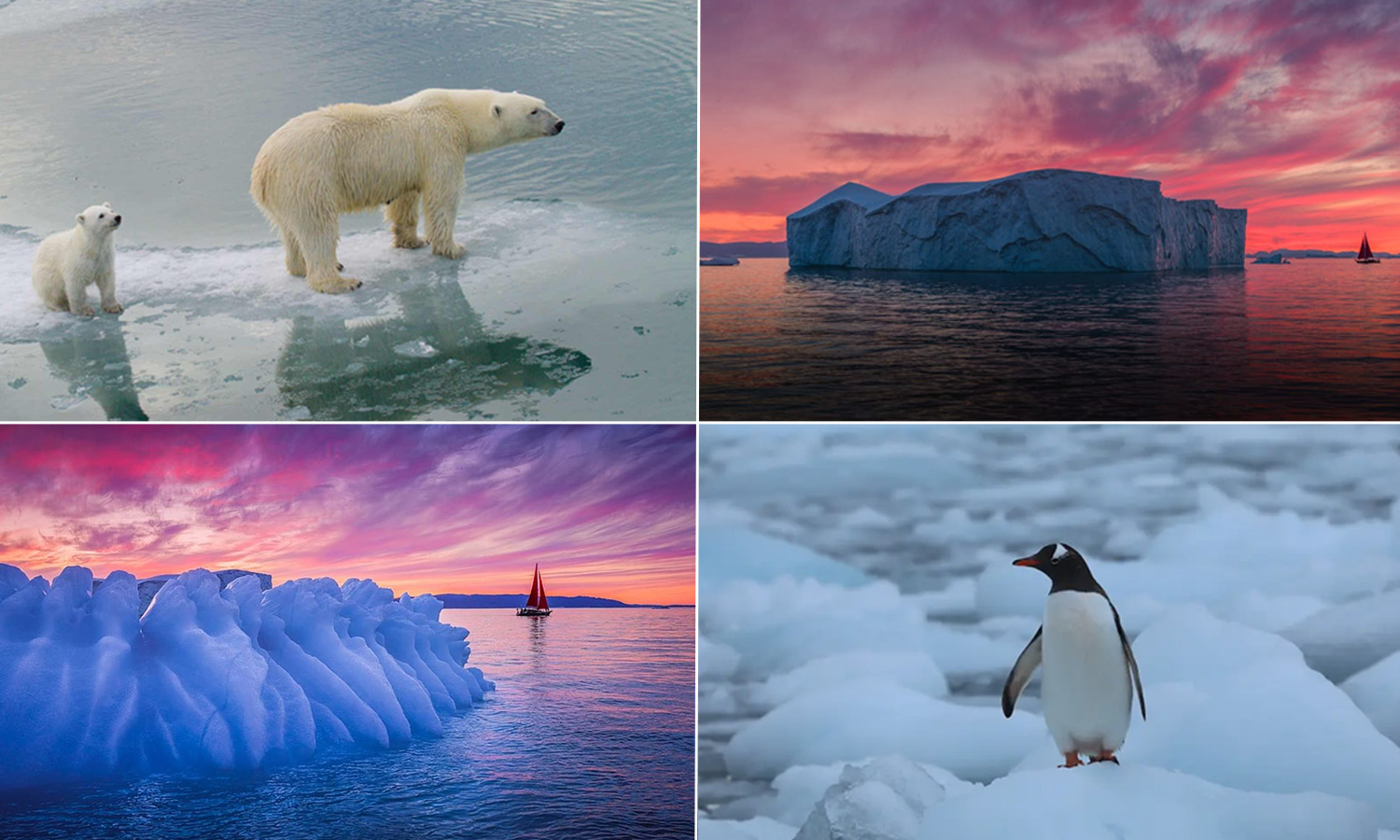
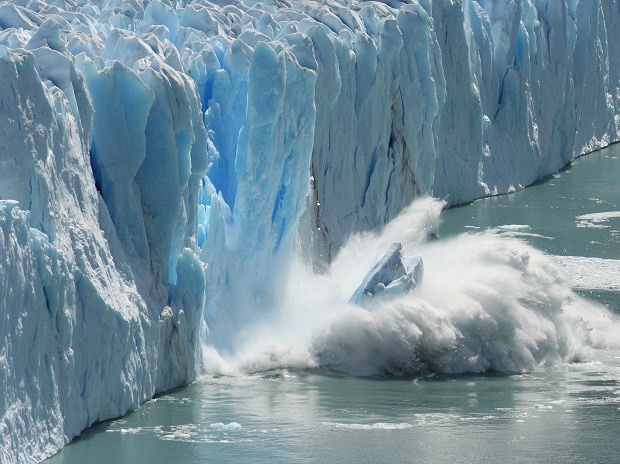
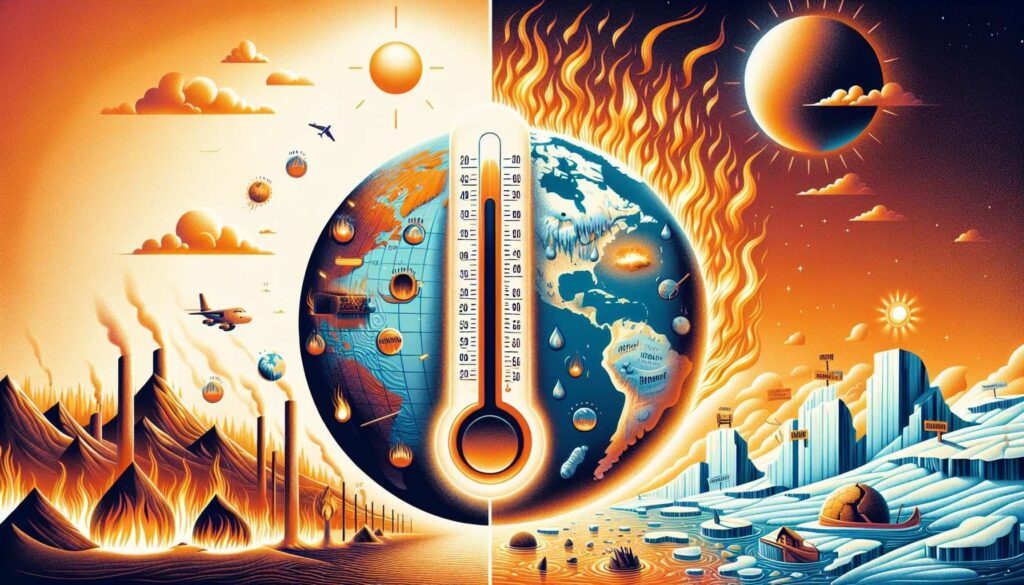
Rising global temperatures accelerate glacier melt, reshaping landscapes, threatening water supplies, and providing a clear illustration of climate change impacts.
Quick Answer
Glaciers are large, persistent bodies of ice that lose mass when surface melt exceeds snowfall accumulation. Global warming raises air and ocean temperatures, intensifying melt, thinning ice, and speeding the flow of ice toward the sea. Observations from the World Glacier Monitoring Service and satellite missions show a consistent, accelerating loss of glacier volume worldwide. The most immediate implication is rising sea level, but melt also reduces freshwater availability for millions of people downstream. While the broad pattern of loss is well established, precise regional projections remain uncertain because of limited long‑term measurements and complex local climate interactions.
Key Takeaways
- Glaciers worldwide have been losing mass at an accelerating rate since the late 20th century.
- Surface melt driven by higher air temperatures is the primary mechanism of loss, reinforced by feedbacks such as reduced albedo.
- Melting glaciers contribute roughly 0.8 mm per year to global sea‑level rise and jeopardize freshwater supplies for agriculture, drinking, and hydropower.
- High‑altitude mountain ranges (Himalayas, Andes, Alps) and polar ice sheets (Greenland, Antarctica) show the fastest retreat.
- Scientific confidence is high that human‑driven greenhouse‑gas emissions are the dominant driver of recent glacier decline.
- Uncertainties remain around regional melt rates, future precipitation patterns, and the timing of irreversible thresholds.
What Is Illustrating Global Warming Effects on Glaciers?
The phrase refers to the use of observed glacier change—photographs, timelapse imagery, and quantitative measurements—to demonstrate how rising global temperatures affect the cryosphere. It encompasses the physical process of glacier melt, the visual documentation of retreat, and the communication of those changes to the public and policymakers. This illustration differs from a generic discussion of climate change because it focuses on a concrete, measurable component of the Earth system that is both visible and directly linked to human water resources.
How Does It Work?
1. Surface Energy Balance
Glacier melt begins when the net energy flux at the ice surface becomes positive. Solar radiation, long‑wave radiation from the atmosphere, and sensible and latent heat all contribute. Warmer air increases sensible heat, while higher atmospheric moisture enhances latent heat flux, both accelerating melt.
2. Albedo Feedback
Fresh snow reflects up to 90 % of incoming solar radiation (high albedo). As melt exposes darker ice or debris, albedo drops to 30–50 %, allowing more solar energy to be absorbed and further increasing melt—a positive feedback loop.
3. Ice Dynamics
Thinner ice reduces basal friction, allowing glaciers to flow faster toward lower elevations or the ocean. This dynamic thinning can double the discharge of icebergs from tidewater glaciers, contributing additional sea‑level rise.
4. Ocean‑Driven Melting
In marine‑terminating glaciers, warmer ocean waters erode the glacier front from below, a process documented around Greenland and West Antarctica. Oceanic warming thus adds a second pathway for mass loss.
What Does the Evidence Show?
Long‑term observations from the World Glacier Monitoring Service indicate a net loss of about 267 gigatonnes per year between 2000 and 2019, equivalent to roughly 0.8 mm of global sea‑level rise each year. Satellite missions such as NASA’s ICESat‑2 and ESA’s CryoSat‑2 have measured surface elevation declines across most glacierized regions, confirming the ground‑based records. A synthesis in the IPCC Sixth Assessment Report (2021) concludes that glacier mass loss has accelerated in every major mountain range and polar region over the past three decades. Attribution studies using climate models attribute more than 90 % of this acceleration to anthropogenic greenhouse‑gas forcing.
Main Causes or Drivers
Direct Causes
- Increased atmospheric temperature from rising CO₂, CH₄, and N₂O concentrations.
- Warmer ocean temperatures that enhance submarine melting of tidewater glaciers.
Underlying Drivers
- Fossil‑fuel combustion and deforestation that raise greenhouse‑gas concentrations.
- Positive feedbacks such as albedo loss and ice‑flow acceleration.
Environmental and Human Impacts
Environmental Impacts
- Sea‑level rise, increasing coastal flooding risk worldwide.
- Loss of cold‑water habitats that support unique alpine and polar species.
- Altered downstream river temperatures, affecting freshwater biodiversity.
Human Health and Social Impacts
- Reduced summer meltwater for irrigation and drinking water in the Andes, Himalayas, and Central Asia.
- Higher flood risk during rapid melt events, threatening settlements in glacier‑fed valleys.
- Loss of cultural heritage for indigenous peoples whose identities are tied to glacier landscapes.
Regional Differences
In the Himalayas, glacier retreat threatens the water security of over one‑billion people who rely on the Indus, Ganges, and Brahmaputra basins. The Andes experience earlier onset of melt, leading to seasonal water shortages for agriculture in Peru and Bolivia. Greenland’s ice sheet is losing mass at a rate of about 280 Gt per year (NASA, 2022), contributing significantly to global sea‑level rise, while smaller alpine glaciers in Europe have shrunk by 40–60 % since the 1970s. These patterns illustrate how geography, altitude, and local climate modulate the pace and consequences of glacier loss.
What Scientists Know With High Confidence
- Global average temperatures have risen by about 1.1 °C since pre‑industrial times (IPCC, 2021).
- Human‑induced greenhouse‑gas emissions are the dominant cause of the observed increase in glacier melt.
- All monitored glaciers worldwide have shown a net negative mass balance over the past three decades.
- Glacier melt contributes measurably to global sea‑level rise and to regional freshwater availability.
What Remains Uncertain
Key uncertainties include the future trajectory of precipitation in high‑altitude basins, which can offset or amplify melt, and the timing of potential irreversible collapse of large ice sheets such as Greenland. Limited long‑term monitoring in remote regions also hampers precise regional projections. Improved satellite coverage and expanded ground‑based observations are needed to narrow these gaps.
Common Misconceptions
Misconception: Glaciers only melt during summer heat waves.
Reality: While summer melt is visible, glaciers lose mass year‑round through processes such as basal sliding, winter melt, and iceberg calving driven by ocean warming.
Misconception: All glacier loss is reversible if temperatures cool.
Reality: Some glaciers have crossed thresholds where thinning leads to irreversible dynamic acceleration; even if temperatures stabilize, the loss may continue for decades.
Misconception: Glacier melt is a minor contributor to sea‑level rise compared with ice sheets.
Reality: Although ice sheets dominate long‑term sea‑level rise, glacier melt currently accounts for about 20 % of the observed rise, a proportion that is growing.
Solutions and Limitations
Mitigation strategies focus on reducing greenhouse‑gas emissions through rapid decarbonisation of energy, transport, and industry—a prerequisite for slowing glacier melt. Adaptation measures include investing in water‑storage infrastructure, diversifying water supplies, and developing early‑warning systems for glacial lake outburst floods. Conservation actions such as protecting upstream catchments can preserve remaining snowpack that replenishes glaciers. Limitations arise from the long response time of the cryosphere; even aggressive mitigation will not instantly halt melt, and adaptation requires substantial financial resources, especially in low‑income mountain communities.
What Individuals, Communities, and Governments Can Do
What Individuals Can Do
- Reduce personal carbon footprints by using renewable energy, minimizing air travel, and adopting energy‑efficient appliances.
- Support organizations that monitor glaciers and advocate for climate‑policy reforms.
- Conserve water at home to lessen the overall demand on freshwater systems.
What Communities and Organizations Can Do
- Implement watershed management plans that protect upstream glaciers and snowfields.
- Develop local water‑storage projects (e.g., reservoirs, rainwater harvesting) to buffer seasonal melt variability.
- Educate residents about glacier‑related hazards such as glacial lake outburst floods.
What Governments Can Do
- Set and enforce ambitious net‑zero emissions targets aligned with the Paris Agreement.
- Fund long‑term glacier monitoring networks and share data openly.
- Invest in climate‑resilient infrastructure in glacier‑dependent regions, including flood defenses and diversified water supplies.
Closing Synthesis
Glacier retreat provides a vivid, measurable indicator of global warming. Rising temperatures increase melt through direct heating, albedo loss, and dynamic thinning, leading to sea‑level rise and reduced freshwater for billions. High‑confidence evidence links these changes to human‑driven greenhouse‑gas emissions, while uncertainties remain about regional precipitation trends and long‑term ice‑sheet stability. Mitigation, adaptation, and conservation each play essential roles, but no single action suffices. Coordinated effort across individuals, communities, and governments—rooted in robust science—offers the best path to preserve remaining glaciers and the ecosystems and societies that depend on them.
Frequently Asked Questions
How does global warming cause glaciers to shrink?
Higher air and ocean temperatures increase the energy reaching glacier surfaces, boosting melt, thinning ice, and accelerating ice flow toward the sea. These processes together lead to a net loss of glacier mass.
How much ice have glaciers lost in recent decades?
The World Glacier Monitoring Service reports an average loss of about 267 gigatonnes per year between 2000 and 2019, which adds roughly 0.8 mm to global sea level each year.
Which regions are experiencing the fastest glacier retreat?
High mountain ranges such as the Himalayas, Andes, and European Alps, as well as polar regions like the Greenland Ice Sheet, show the most rapid and extensive glacier loss.
How does glacier melt affect downstream communities?
Meltwater supplies drinking water, irrigation, and hydropower; reduced glacier volume can cause seasonal water shortages and increase flood risk during rapid melt events, impacting livelihoods and food security.
What actions can individuals take to help protect glaciers?
Individuals can lower their carbon footprints, support renewable energy, advocate for strong climate policies, and protect local watersheds that depend on glacier-fed rivers.






Leave a Comment