
Glacial melting, driven by a warming climate, reshapes sea levels, water supplies, ecosystems and human societies, creating both immediate challenges and long‑term feedbacks that amplify global change.
Quick Answer
Glacial melting occurs when rising atmospheric and ocean temperatures exceed the energy balance that keeps ice masses stable, causing ice to convert to liquid water. The process contributes directly to sea‑level rise, reduces seasonal freshwater runoff, and lowers Earth’s albedo, which in turn accelerates warming. Scientific assessments show that continued melt will raise global sea level by several centimeters by 2100 and threaten millions who depend on glacier‑fed rivers. Uncertainty remains around the timing of rapid ice‑sheet collapse and regional water‑availability outcomes.
Key Takeaways
- Glacial melt adds measurable water to the oceans, driving sea‑level rise and increasing coastal flood risk.
- Mountain glaciers supply up to 40% of dry‑season flow for many major rivers, so their loss threatens water security for agriculture and drinking water.
- Loss of ice reduces planetary albedo, creating a positive climate feedback that amplifies warming.
- Permafrost thaw linked to glacial melt releases methane and carbon dioxide, further enhancing greenhouse‑gas concentrations.
- Adaptation measures—such as improved water storage, ecosystem restoration, and international water‑governance—are essential but must be paired with rapid emissions reductions.
What Are the Consequences of Glacial Melting for the Planet?
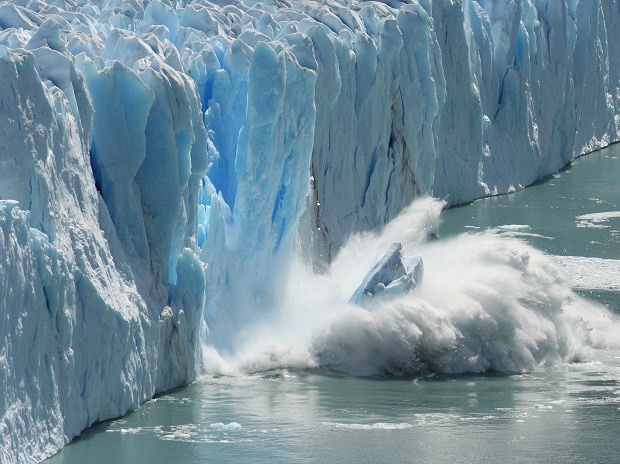
Glacial melting refers to the net loss of ice mass from mountain glaciers, ice caps, and the peripheral margins of the Greenland and Antarctic ice sheets. It is measured in terms of mass balance (the difference between snowfall accumulation and melt‑induced loss). The phenomenon is a key indicator of climate change because glaciers respond quickly to temperature shifts, yet they store the majority of Earth’s fresh water in solid form. When glaciers shrink, the water that was once locked in ice enters rivers, lakes and the ocean, altering hydrological cycles, sea level, and the energy balance of the planet.
How Does It Work?
1. Energy Imbalance and Melt
Solar radiation and long‑wave infrared energy from the atmosphere heat glacier surfaces. When the net energy gain exceeds the energy required to melt ice (latent heat of fusion), meltwater forms and runs off.
2. Contribution to Sea Level
Water from melting glaciers flows into the ocean. The Intergovernmental Panel on Climate Change (IPCC) AR6 (2021) attributes roughly 30% of observed sea‑level rise since 1993 to glacier melt, with the remainder coming from thermal expansion and ice‑sheet loss.
3. Albedo Feedback
Ice reflects about 80% of incoming solar radiation (high albedo). As ice recedes, darker rock, soil or open water absorb more sunlight, increasing regional and global temperatures—a classic positive feedback loop.
4. Permafrost Interaction
Glacial melt can raise local ground temperatures, accelerating permafrost thaw. Thawing permafrost releases stored carbon as CO₂ and CH₄, adding greenhouse gases that further warm the climate.
What Does the Evidence Show?
Long‑term monitoring by the World Glacier Monitoring Service (WGMS) records a global average glacier mass loss of 0.5 m water‑equivalent per year between 2000 and 2020. Satellite gravimetry from the GRACE mission (2002‑2020) confirms that the Greenland Ice Sheet lost about 3,800 Gt of ice, contributing ~10 mm to sea level. Field studies in the Himalayas, Andes and the Alps consistently show reduced summer runoff and earlier peak flows, indicating a shift in river seasonality. Model intercomparisons (CMIP6) project that, under a high‑emissions scenario (SSP5‑8.5), combined glacier and ice‑sheet melt could raise sea level by 0.6‑1.0 m by 2100.
Main Causes or Drivers
Direct Climate Forcing
Rising greenhouse‑gas concentrations increase atmospheric temperatures and alter precipitation patterns, directly raising melt rates.
Atmospheric Circulation Changes
Shifted jet streams and altered monsoon dynamics can bring warmer air masses to high‑altitude basins, intensifying melt events.
Black Carbon Deposition
Absorptive particles from industrial emissions settle on snow and ice, lowering surface albedo and accelerating melt, especially in the Himalayas.
Land‑Use Change
Deforestation and agricultural expansion near glacier forefields can modify local albedo and increase runoff, indirectly influencing melt dynamics.
Environmental and Human Impacts
Environmental Impacts
Glacial melt alters freshwater temperature, sediment load and nutrient fluxes, affecting downstream aquatic habitats. Cold‑water fish such as salmon and trout rely on stable, oxygen‑rich meltwater; rising temperatures and increased turbidity can reduce spawning success. In coastal zones, higher sea level intensifies shoreline erosion, saltwater intrusion into wetlands, and loss of habitat for mangroves and nesting birds.
Human Health and Social Impacts
Communities that depend on glacier‑fed rivers—estimated at 300 million people worldwide—face water‑security challenges. Reduced summer flow can limit irrigation, increasing food‑price volatility. In some regions, meltwater‑induced floods have damaged infrastructure and displaced residents, raising mental‑health stress and increasing the risk of water‑borne diseases.
Economic and Infrastructure Impacts
Hydropower plants in the Andes, Himalayas and Central Asia derive up to 70% of annual generation from glacier runoff. Declining melt reduces generation capacity, threatening energy security and economic growth. Coastal cities such as Jakarta, New York and Lagos may incur billions of dollars in adaptation costs (e.g., sea walls, managed retreat) if sea‑level rise accelerates.
Regional Differences
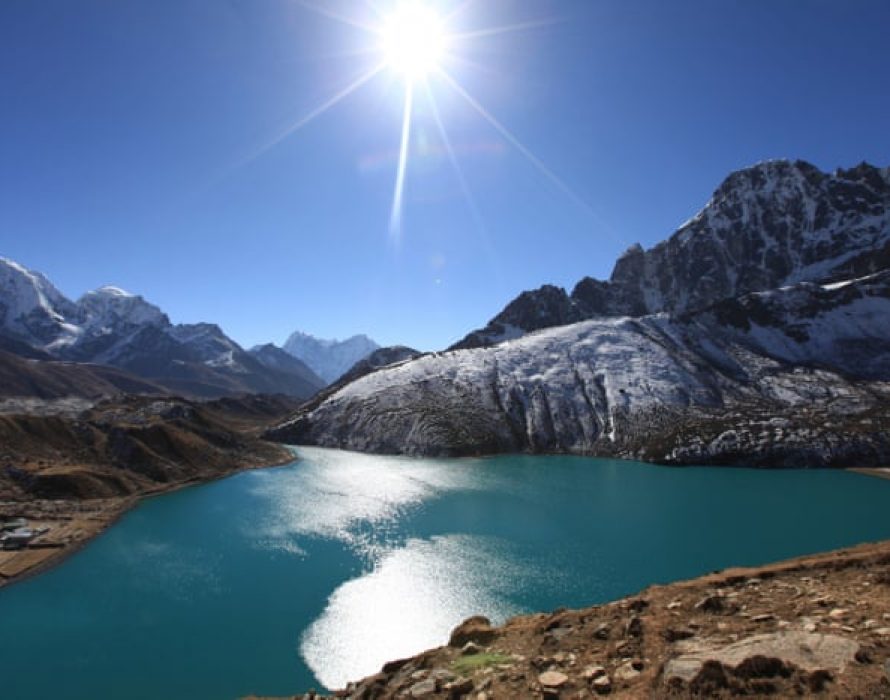
In the High Himalaya, glaciers have receded up to 40% since the 1970s, threatening the Ganges‑Brahmaputra basin that supports over 500 million people. In the Andes, melt has advanced the timing of peak river flow by several weeks, challenging traditional agricultural calendars. In the European Alps, glacier loss has reduced summer tourism revenue linked to skiing and mountaineering. Conversely, polar regions experience slower relative melt but contribute disproportionately to sea‑level rise due to the sheer volume of the Greenland and Antarctic ice sheets.
What Scientists Know With High Confidence
- Global average temperatures have risen by ~1.1 °C since pre‑industrial times, and this warming is the primary driver of accelerated glacier melt.
- Glacier melt accounts for roughly one‑third of observed sea‑level rise since the early 1990s.
- Loss of glacier‑derived freshwater reduces late‑summer river flow, affecting agriculture, drinking water and hydropower in many mountainous regions.
- Albedo reduction from ice loss creates a measurable positive feedback that amplifies regional warming.
What Remains Uncertain
Key uncertainties include the timing and magnitude of rapid ice‑sheet collapse in Greenland and Antarctica, which depend on complex ice dynamics and ocean‑temperature thresholds that are still being refined in models. The exact contribution of black‑carbon deposition to melt rates varies regionally and is difficult to quantify globally. Finally, the socioeconomic pathways that societies will adopt—particularly water‑governance and adaptation investments—will shape the ultimate human impact, but these future decisions are inherently uncertain.
Common Misconceptions
Misconception: Glaciers will disappear within a few years.
Reality: While many small alpine glaciers are projected to vanish by the end of this century under high‑emission scenarios, the massive ice sheets of Greenland and Antarctica will persist for centuries, though they will continue to lose mass.
Misconception: All sea‑level rise comes from melting glaciers.
Reality: About 30% of observed rise is from glacier melt; the majority stems from thermal expansion of warming ocean water and mass loss from the Greenland and Antarctic ice sheets.
Misconception: Meltwater always benefits downstream water users.
Reality: Initial melt can increase river flow, but as glaciers shrink the long‑term water supply declines, leading to shortages during dry seasons.
Solutions and Limitations
Mitigation requires rapid reduction of CO₂ and short‑lived climate forcers to limit further warming. Renewable‑energy deployment, energy efficiency and carbon‑pricing policies have demonstrated emissions‑reduction potential, but global implementation remains uneven. Adaptation strategies include expanding water‑storage capacity (e.g., reservoirs, rainwater harvesting), improving irrigation efficiency, and restoring upstream wetlands to buffer flood peaks. Coastal defenses such as sea walls buy time but are costly and may shift risk elsewhere. Permafrost‑thaw mitigation is limited; the most effective approach is to curb warming, as once released, greenhouse gases amplify the problem.
What Individuals, Communities, and Governments Can Do
What Individuals Can Do
Support policies that accelerate the transition to clean energy, reduce personal carbon footprints through efficient travel and home energy use, and advocate for sustainable water‑management practices in local watersheds.
What Communities and Organizations Can Do
Implement integrated water‑resource management plans that account for declining glacier contributions, invest in early‑warning flood systems, and promote climate‑resilient agriculture (e.g., drought‑tolerant crops).
What Governments Can Do
Adopt nationally determined contributions (NDCs) that target net‑zero emissions by mid‑century, fund glacier‑monitoring networks, and develop transboundary water‑sharing agreements for rivers that originate in glaciated basins.
Closing Synthesis
Glacial melting is a clear symptom of a warming planet, linking atmospheric physics, hydrology and human livelihoods. Robust evidence shows that melt contributes to sea‑level rise, reduces freshwater availability and triggers feedbacks that accelerate warming. While uncertainties remain about the pace of ice‑sheet collapse and regional water outcomes, the direction of change is unmistakable. Effective responses combine rapid greenhouse‑gas mitigation with targeted adaptation—improving water storage, protecting vulnerable ecosystems and strengthening international water governance. By addressing both the causes and the consequences, societies can reduce exposure and preserve the essential services that glaciers provide.
Frequently Asked Questions
What causes glaciers to melt faster today?
Glaciers melt faster primarily because rising greenhouse‑gas concentrations warm the atmosphere and oceans, increasing the energy balance at ice surfaces. Additional drivers include black‑carbon deposition, which darkens ice, and changes in atmospheric circulation that bring warmer air to high‑altitude regions.
How does glacial melt contribute to sea‑level rise?
When glacier ice turns into liquid water, it flows into the oceans, adding to the total volume of seawater. According to the IPCC AR6, glacier melt accounts for about 30 % of the observed sea‑level rise since the early 1990s.
Which regions rely most on glacier‑fed water?
Mountainous regions such as the Himalayas, the Andes, the Rockies, the Alps and East Africa depend heavily on glacier runoff for drinking water, irrigation and hydropower, supporting hundreds of millions of people.
What are the main uncertainties about future glacier loss?
Key uncertainties involve the timing of rapid ice‑sheet collapse in Greenland and Antarctica, the regional impact of black‑carbon on melt rates, and how societies will manage water resources and adapt to changing river flows.
Can individual actions help reduce glacial melting?
Individual actions alone cannot stop glacial melt, but reducing personal carbon footprints, supporting clean‑energy policies and advocating for sustainable water management contribute to the broader societal effort needed to limit warming.





Leave a Comment