
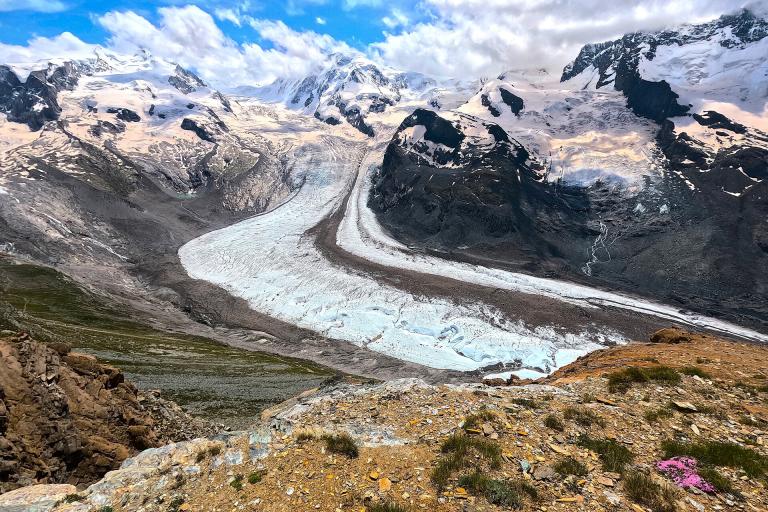
Glacier melt, driven by a warming climate, triggers a cascade of environmental and societal impacts that reshape water resources, sea levels, biodiversity, and economies worldwide.
Quick Answer
Glacier melt is the accelerated loss of ice from glaciers and ice caps caused primarily by rising global temperatures. As meltwater adds to oceans and reduces seasonal runoff, sea levels rise and freshwater supplies become less reliable. Scientists agree that continued warming will intensify these effects, though the exact timing of regional water shortages remains uncertain.
Key Takeaways
- Glaciers store about 69% of the world’s fresh water; their loss directly alters sea level and river flow.
- Glacier‑derived runoff currently contributes roughly 0.27 mm per year to global sea‑level rise (IPCC AR6, 2021).
- Downstream communities may face initial water surpluses followed by long‑term deficits as glaciers retreat.
- Loss of cold‑water habitats threatens specialized alpine species and can disrupt downstream ecosystems.
- Adaptation measures—such as integrated water management and resilient infrastructure—are essential but must be tailored to local conditions.
What Is Glacier Melt and the Avalanche of Cascading Impacts?
Glacier melt refers to the net loss of ice mass from mountain glaciers, valley glaciers, and the peripheral ice caps that are not part of the polar ice sheets. The term “cascading impacts” describes the chain of environmental and human effects that follow the initial melt, including sea‑level rise, altered hydrology, biodiversity loss, and socio‑economic challenges. Unlike seasonal snow melt, glacier melt represents a long‑term reduction in stored freshwater, often measured in meters of ice thickness per decade.
How Does It Work?
Physical Processes
- Increased air temperatures raise the surface energy balance, causing more ice to melt during the ablation season.
- Warmer summers deepen meltwater infiltration, reducing the albedo (reflectivity) of the glacier surface and accelerating further melt.
- Reduced snowfall limits accumulation, decreasing the glacier’s ability to replenish lost mass.
- Ice flow dynamics can respond to thinning, sometimes speeding up ice discharge into downstream rivers.
Hydrological Connections
During melt, water flows into river basins that rely on glaciers for dry‑season discharge. Early in a warming trajectory, this can increase summer flows, but as glacier volume shrinks, the seasonal buffer disappears, leading to lower winter and spring flows.
Feedback Loops
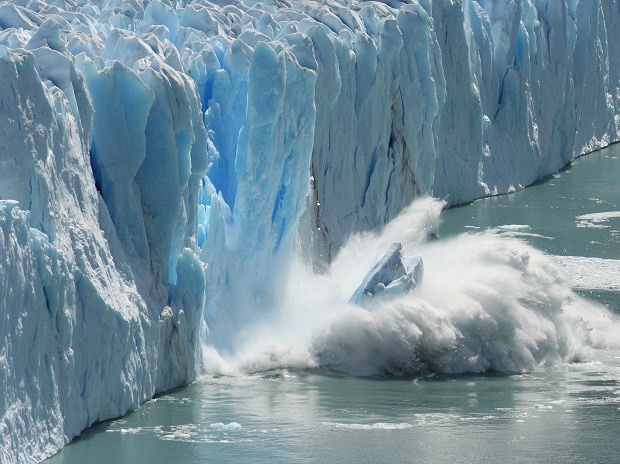
Lower glacier altitude exposes darker rock, which absorbs more solar radiation—a positive feedback that further enhances melt. Additionally, meltwater can lubricate the glacier bed, causing rapid ice movement and calving events in some regions.
What Does the Evidence Show?
Long‑term monitoring by the World Glacier Monitoring Service (WGMS) shows that the global glacier mass balance has been negative for more than four decades. Satellite gravimetry from the GRACE mission indicates a loss of approximately 267 Gt of ice per year between 2003 and 2019, equivalent to about 0.74 mm of sea‑level rise per year (NASA, 2020). The IPCC Sixth Assessment Report (2021) synthesises these observations and projects that, under a high‑emissions scenario (RCP8.5), glacier contribution to sea level could reach 0.4 mm yr⁻¹ by 2100.
Main Causes or Drivers
Direct Causes
- Rising atmospheric temperatures due to increased greenhouse‑gas concentrations.
- Changes in precipitation patterns that reduce snowfall and increase rain‑on‑snow events.
Underlying Drivers
- Global fossil‑fuel combustion and land‑use change, which elevate CO₂ and other heat‑trapping gases.
- Feedbacks from reduced albedo and increased water vapor, both of which amplify warming.
Environmental and Human Impacts
Environmental Impacts
- Sea‑level rise threatens low‑lying coastal habitats and contributes to saltwater intrusion into freshwater aquifers.
- Loss of cold‑water melt streams endangers alpine flora and fauna, such as the Himalayan snow leopard’s prey base and cold‑adapted invertebrates.
- Changes in sediment transport affect downstream river morphology and floodplain fertility.
Human Health and Social Impacts
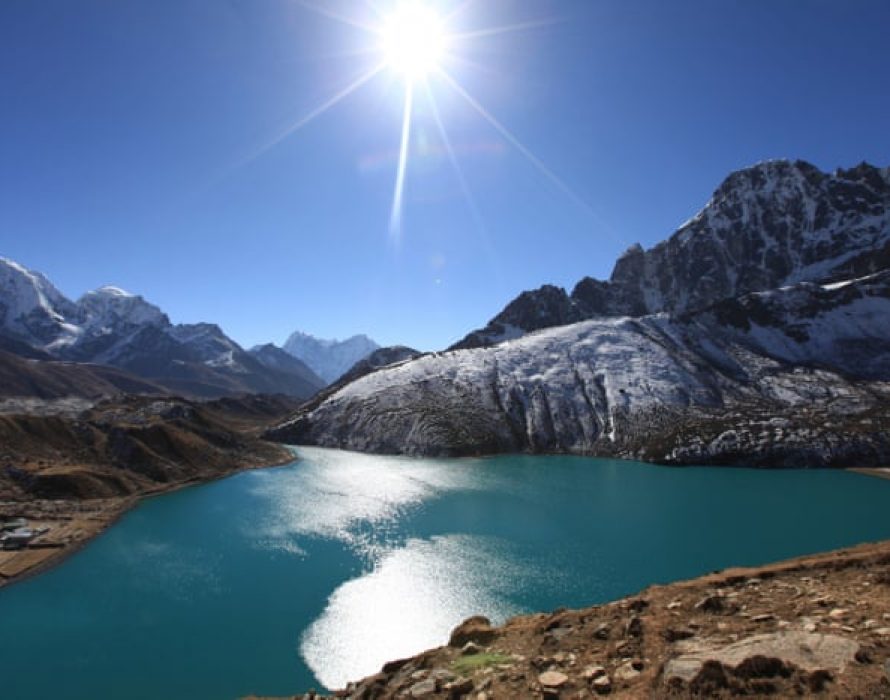
Reduced glacier runoff can limit drinking‑water supplies for millions of people in the Andes, Himalayas, and East Africa, increasing the risk of water‑borne diseases during scarcity periods. Altered flood regimes may heighten exposure to landslides and glacial lake outburst floods (GLOFs), which have caused fatalities in Nepal and Kyrgyzstan.
Economic and Infrastructure Impacts
Hydropower plants that depend on steady glacier melt—such as those in the Swiss Alps and the Peruvian Andes—face reduced generation capacity over the coming decades. Tourism economies built around glacier vistas and ski resorts also suffer as ice recedes, leading to job losses and lower regional GDP.
Regional Differences
In the High Mountains of Asia, more than 60% of the population depends on glacier‑fed rivers for irrigation; melt‑induced flow changes are already observed in the Indus and Ganges basins. In contrast, the European Alps experience earlier peak runoff, affecting summer water storage in reservoirs. South American Andean glaciers have retreated an average of 30 % since the 1990s, altering the water balance for cities like La Paz. Each region’s exposure reflects local climate, glacier size, and socio‑economic reliance on meltwater.
What Scientists Know With High Confidence
- Global temperatures are rising due to anthropogenic greenhouse‑gas emissions.
- Glaciers worldwide have been losing mass consistently since the 1970s.
- Glacier melt contributes measurably to global sea‑level rise.
- The timing of water‑scarcity impacts will vary by basin, but most mid‑latitude mountain ranges will see reduced dry‑season flows within this century.
What Remains Uncertain
Key uncertainties include the precise rate at which individual glaciers will respond to future warming, the extent of regional precipitation changes, and the likelihood of abrupt ice‑dynamic events such as rapid glacier surges or large GLOFs. Improved high‑resolution modeling and expanded in‑situ monitoring are needed to narrow these gaps.
Common Misconceptions
Misconception: All glacier melt is a short‑term seasonal phenomenon.
Reality: While seasonal melt occurs annually, the long‑term net loss of ice mass—measured over decades—is what drives sea‑level rise and water‑resource changes.
Misconception: Only polar ice sheets affect sea level.
Reality: Mountain glaciers and ice caps contributed about 0.27 mm yr⁻¹ to sea‑level rise in the 2000s, accounting for roughly one‑third of the total glacial contribution.
Misconception: Glacier melt will always increase river flow.
Reality: Initial melt can boost summer discharge, but as glacier volume declines, the seasonal buffer disappears, often leading to lower overall river flows.
Solutions and Limitations
Addressing glacier‑related challenges requires both mitigation of climate change and adaptation to its effects.
- Mitigation: Rapid decarbonisation of energy systems can limit future warming, thereby slowing glacier loss. However, even with stringent mitigation, some melt is already locked in due to past emissions.
- Adaptation – Water Management: Implementing integrated river‑basin planning, expanding reservoir capacity, and promoting water‑use efficiency can buffer communities against reduced meltwater. These measures demand substantial investment and may be constrained by geographic and political factors.
- Adaptation – Hazard Reduction: Monitoring glacial lakes and establishing early‑warning systems can reduce loss of life from GLOFs, yet technology transfer and community engagement are essential for effectiveness.
- Ecosystem Conservation: Protecting alpine habitats and facilitating species migration corridors help preserve biodiversity, though success depends on broader climate outcomes.
What Individuals, Communities, and Governments Can Do
What Individuals Can Do
- Support policies that accelerate the transition to renewable energy, thereby reducing the greenhouse‑gas drivers of glacier melt.
- Conserve water at home to lessen demand on shared freshwater resources.
- Participate in citizen‑science programs that monitor local glacier changes.
What Communities and Organizations Can Do
- Develop basin‑wide water‑allocation frameworks that account for decreasing glacier contributions.
- Invest in early‑warning systems and emergency preparedness for GLOFs.
- Promote sustainable tourism that funds glacier conservation and local economies.
What Governments Can Do
- Implement and strengthen Nationally Determined Contributions (NDCs) under the Paris Agreement to limit warming to well‑below 2 °C.
- Fund long‑term glaciological monitoring networks and climate‑resilient infrastructure.
- Facilitate transboundary water agreements that address shared glacier‑fed rivers.
Synthesis
Glacier melt is a clear indicator of a warming planet, and its cascading impacts—rising seas, altered water supplies, biodiversity loss, and socio‑economic strain—are increasingly evident. High‑confidence science confirms that continued emissions will amplify these effects, while uncertainties remain around the timing of regional water shortages and the magnitude of abrupt ice‑dynamic events. Mitigation can curb the worst outcomes, but adaptation—through resilient water management, hazard mitigation, and ecosystem protection—is already required. Collective action across individuals, communities, and governments offers the most robust path to safeguard both the icy reservoirs and the societies that depend on them.
Frequently Asked Questions
What is glacier melt and why does it matter?
Glacier melt is the net loss of ice from mountain glaciers and ice caps caused mainly by rising temperatures. It matters because it adds to sea‑level rise, alters freshwater availability, and triggers ecological and socio‑economic changes.
How does glacier melt contribute to sea‑level rise?
When glaciers lose mass, the meltwater flows into the oceans, raising sea level. According to the IPCC AR6 (2021), glaciers and ice caps together contributed about 0.27 mm of sea‑level rise per year in the early 2000s.
Will all regions experience less water as glaciers disappear?
Not immediately. Some basins see higher summer flows at first, but as glacier volume declines, the seasonal water buffer disappears, leading to lower dry‑season flows in many mid‑latitude mountain regions.
What are the main uncertainties about future glacier impacts?
Key uncertainties include how quickly individual glaciers will respond to warming, future precipitation patterns, and the likelihood of sudden ice‑dynamic events like large glacial lake outburst floods. Better monitoring and modeling are needed.
What actions can governments take to address glacier‑related risks?
Governments can strengthen climate mitigation commitments, fund long‑term glacier monitoring, develop water‑allocation policies that consider shrinking melt contributions, and support transboundary agreements for shared glacier‑fed rivers.





Leave a Comment