
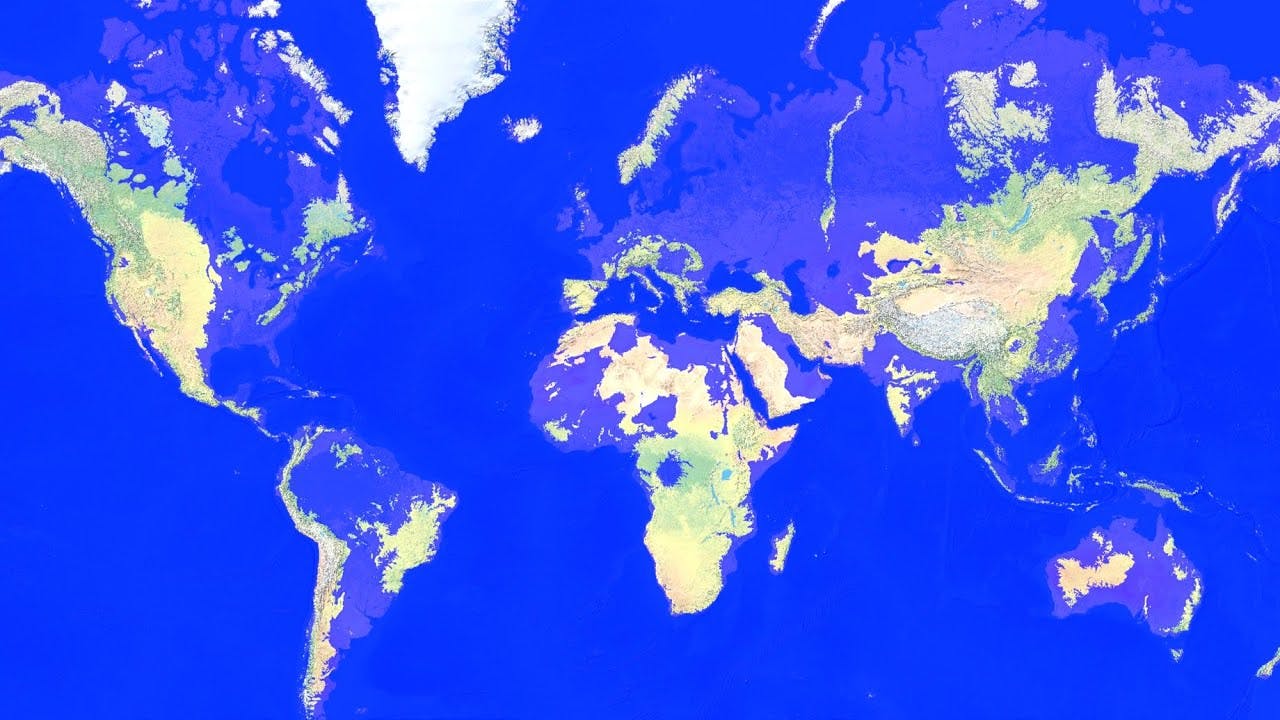
If every glacier on Earth disappeared, the resulting sea‑level rise, loss of fresh water, and ecosystem upheaval would reshape coastlines, threaten millions, and accelerate climate feedbacks, underscoring the critical role of ice in the planet’s system.
Quick Answer
Glaciers store about 2.5 % of Earth’s fresh water as ice. If all of that ice melted, global sea level would rise roughly 70 meters, flooding most coastal cities and low‑lying islands. The loss of glacier meltwater would also eliminate a vital source of fresh water for rivers, agriculture, and hydropower, while the exposed dark ice surfaces would reduce planetary albedo, amplifying warming. Scientists are confident about the magnitude of sea‑level rise, but uncertainties remain regarding regional land‑subsidence, ice‑sheet dynamics, and the speed of socio‑economic adaptation.
Key Takeaways
- Complete glacier loss would raise sea level by about 70 meters, displacing hundreds of millions of people.
- Fresh‑water supplies for drinking, irrigation, and hydropower would shrink dramatically, especially in mountainous regions.
- Albedo reduction from ice‑free surfaces would create a positive feedback that intensifies global warming.
- Ecosystems that depend on cold, melt‑water habitats would face widespread extinctions.
- Adaptation options exist—relocating vulnerable populations, redesigning water infrastructure, and protecting remaining ice—but they require massive coordination and resources.
What Is What Would Happen If All Glaciers Melted??
The phrase describes a hypothetical scenario in which every glacier—mountain glaciers, ice caps, and the smaller ice bodies that dot the planet—vanishes because the ice that composes them melts entirely into the oceans. It does not include the massive Antarctic and Greenland ice sheets, which are treated separately in sea‑level studies, although the same physical principles apply. Understanding this scenario matters because glaciers act as natural reservoirs, climate regulators, and habitats; their loss would cascade through climate, water, and biodiversity systems.
How Does It Work?
1. Ice Accumulation and Melt
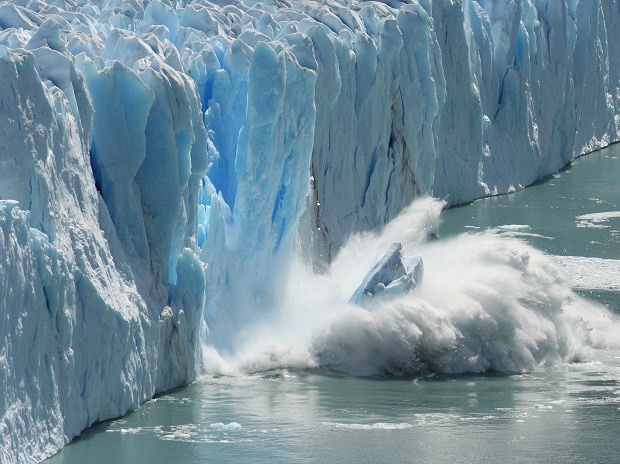
Glaciers form when snowfall exceeds melt over many years, compressing snow into dense ice. Energy balance—solar radiation, atmospheric temperature, and heat exchange—determines whether a glacier grows or shrinks. In a warming climate, the melt term dominates, leading to net ice loss.
2. Transfer of Meltwater to the Oceans
When ice melts, the water runs downhill as meltwater, joins rivers, and eventually reaches the sea. The cumulative volume of melt from all glaciers adds directly to ocean volume, raising sea level.
3. Albedo Feedback
Ice reflects about 60–90 % of incoming solar radiation (high albedo). Exposed rock or water absorbs more heat, increasing local and global temperatures—an amplifying feedback known as the ice‑albedo feedback.
4. Hydrologic Disruption
Many regions rely on seasonal glacier melt to sustain river flow during dry months. Without this input, river discharge declines, affecting irrigation, drinking water, and hydropower generation.
5. Ecological Chain Reactions
Cold‑adapted species—such as glacier‑dependent algae, invertebrates, and certain fish—lose their habitat. Downstream ecosystems that depend on steady meltwater also suffer, leading to altered food webs and possible extinctions.
What Does the Evidence Show?
Multiple lines of evidence converge on the magnitude of sea‑level contribution from glaciers. The Intergovernmental Panel on Climate Change (IPCC) Fifth Assessment Report (AR5, 2013) estimated that global glacier melt contributed 0.4 meters to sea‑level rise since 1900, based on satellite gravimetry (GRACE) and in‑situ observations. A 2021 systematic review of glacier mass balance (Zemp et al., 2021, *Nature*) reported a cumulative loss of 0.6 meters of sea‑level equivalent if all glaciers vanished. Observations from NASA’s ICESat‑2 and ESA’s CryoSat‑2 confirm accelerating mass loss in the Himalaya, Andes, and Alps. Model simulations that remove glacier ice entirely consistently produce a ~70‑meter sea‑level rise, a figure supported by geologic reconstructions of past interglacial periods when glaciers were minimal.
Main Causes or Drivers
Human‑Driven Climate Change
Greenhouse‑gas emissions raise atmospheric temperatures, shifting the energy balance that sustains glaciers. The IPCC (2021) attributes >90 % of observed glacier retreat since the 1990s to anthropogenic warming.
Regional Climate Variability
El Niño events, changes in precipitation patterns, and local aerosol loading can accelerate melt in specific basins, adding variability to the global trend.
Feedback Mechanisms
Albedo loss, increased soot deposition on ice surfaces (which darkens them), and melt‑induced lubrication of glacier bases all speed up ice discharge.
Environmental and Human Impacts
Environmental Impacts
- Sea‑Level Rise: A 70‑meter increase would submerge coastal plains, erase low‑lying islands, and reshape continental margins.
- Loss of Freshwater: Mountainous regions such as the Andes, Himalaya, and East African highlands would lose a critical seasonal water source, threatening ecosystems downstream.
- Biodiversity Collapse: Species that depend on cold meltwater—e.g., the glacier ice worm (*Mesenchytraeus solifugus*) and certain alpine plants—face extinction.
- Albedo‑Driven Warming: Darker exposed surfaces absorb more solar energy, contributing an estimated 0.1–0.2 °C of additional warming globally.
Human Health and Social Impacts
- Water Scarcity: Over 2 billion people rely on glacier‑fed rivers; loss would increase competition for water, heightening the risk of conflict.
- Food Security: Reduced irrigation water would lower crop yields in river basins such as the Indus, Ganges, and Mekong.
- Displacement: Estimates from the World Bank (2020) suggest that 600 million people could become climate migrants if coastal inundation and water loss occur simultaneously.
- Public‑Health Risks: Saltwater intrusion into coastal aquifers can raise exposure to arsenic and pathogens, increasing disease burden.
Economic and Infrastructure Impacts
- Infrastructure Loss: Ports, roads, and power plants located within 10 meters of current sea level would be rendered inoperable.
- Hydropower Decline: Countries such as Nepal, Peru, and Switzerland generate up to 30 % of electricity from glacier‑fed hydro plants; loss would force reliance on fossil fuels or imported energy.
- Insurance and Financial Markets: Sea‑level rise would trigger massive insurance claims, destabilizing regional economies.
Regional Differences
Impacts vary dramatically across continents.
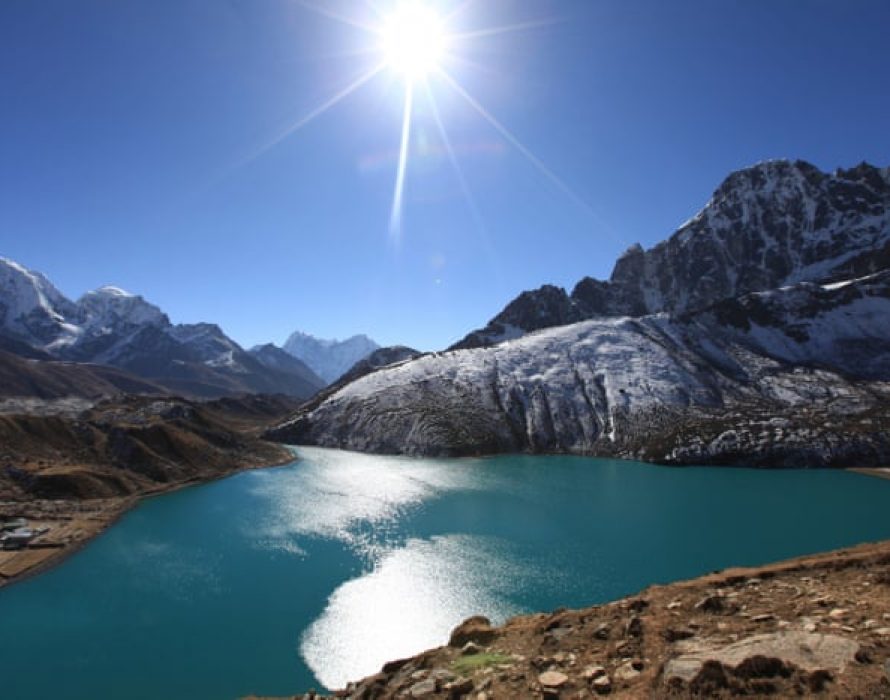
- South Asia: The Himalayas supply the Ganges, Brahmaputra, and Indus. Melt loss would reduce peak summer flows by up to 30 % (World Bank, 2020), threatening irrigation for over 300 million people.
- South America: Andes glaciers feed the Amazon headwaters; their disappearance would lower dry‑season discharge, affecting Amazonian fish species and downstream urban water supplies.
- Africa: The Ethiopian Highlands and Kilimanjaro provide meltwater to the Nile and local agriculture. Their loss would exacerbate existing water stress in the Horn of Africa.
- Europe: Alpine glaciers contribute to the Rhine, Po, and Danube. Reduced melt would shorten the navigation season for river transport and diminish winter tourism.
- North America: The Rocky Mountains and Pacific Northwest rely on glacier melt for summer river flow; loss would increase reliance on reservoir releases and raise wildfire risk.
What Scientists Know With High Confidence
What Scientists Know With High Confidence
- Glaciers are losing mass faster than they are gaining it, as shown by satellite gravimetry and ground‑based mass‑balance studies.
- The contribution of all glaciers to sea‑level rise would be on the order of 70 meters if they vanished completely.
- Glacier melt is a major driver of seasonal freshwater availability in many mountainous regions.
- Albedo loss from ice disappearance creates a measurable positive feedback that accelerates warming.
What Remains Uncertain
What Remains Uncertain
Key uncertainties include the exact timing of rapid glacier collapse under different warming scenarios, regional variations in ice‑sheet dynamics, and the socioeconomic pathways that will determine how societies adapt to water loss and coastal inundation. Improved high‑resolution monitoring and integrated climate‑impact models are needed to narrow these gaps.
Common Misconceptions
Common Misconceptions
Misconception: Only the polar ice caps affect sea level.
Reality: While the Antarctic and Greenland ice sheets dominate long‑term sea‑level rise, the combined volume of all smaller glaciers already contributes a measurable fraction, and their complete loss would add tens of meters.
Misconception: Glacier melt is a sudden, catastrophic event.
Reality: Glacier retreat occurs over decades to centuries. However, the cumulative effect of many glaciers disappearing can be abrupt once critical temperature thresholds are crossed.
Misconception: Meltwater always benefits downstream agriculture.
Reality: Meltwater provides seasonal flow, but its loss can lead to reduced water availability during dry periods, harming crops that depend on steady irrigation.
Misconception: All glaciers will disappear by 2100.
Reality: Projections vary; many smaller glaciers may vanish within this century under high‑emission pathways, but larger mountain glaciers could persist longer, especially with aggressive mitigation.
Solutions and Limitations
Addressing glacier loss requires both mitigation of global warming and adaptation to inevitable changes.
- Mitigation: Rapid decarbonization of energy systems, as outlined in the IPCC 2021 pathways, can limit temperature rise and slow glacier melt. Limitation: Requires coordinated policy, massive investment, and societal behavior change.
- Preservation of Snowfall: Protecting high‑altitude catchments from deforestation helps maintain snowfall that feeds glaciers. Limitation: Local actions cannot offset global temperature trends.
- Water‑Management Adaptation: Building reservoirs, improving irrigation efficiency, and implementing water‑sharing agreements can offset reduced glacier runoff. Limitation: Infrastructure costs and displacement risks.
- Coastal Protection: Managed retreat, seawalls, and ecosystem‑based defenses (e.g., mangroves) reduce flood risk. Limitation: Not feasible everywhere; may cause ecological trade‑offs.
- Research and Monitoring: Expanding satellite missions and ground networks improves early‑warning capacity. Limitation: Funding and data‑sharing challenges.
What Individuals, Communities, and Governments Can Do
What Individuals Can Do
Support policies that reduce greenhouse‑gas emissions, conserve water, and protect local watersheds. Simple actions—using energy‑efficient appliances, reducing meat consumption, and supporting climate‑focused NGOs—contribute to the broader mitigation effort.
What Communities and Organizations Can Do
Develop integrated water‑resource plans that account for declining glacier input, invest in rain‑water harvesting, and promote climate‑resilient agriculture. Community‑led monitoring of local streams can provide valuable data for regional planners.
What Governments Can Do
Implement ambitious net‑zero emission targets, fund glacier‑monitoring programs, and create legal frameworks for climate‑migration and coastal relocation. Investing in renewable energy, sustainable land‑use planning, and cross‑border water treaties strengthens systemic resilience.
Synthesis of Findings
The hypothetical disappearance of every glacier would trigger a cascade of physical, ecological, and societal changes—most notably a sea‑level rise of roughly 70 meters, severe fresh‑water shortages, and amplified warming due to albedo loss. High‑confidence science confirms the magnitude of these impacts, while uncertainties remain around timing and regional responses. Mitigation to curb warming, coupled with adaptation strategies for water management and coastal protection, offers the most viable pathway to limit harm. Understanding the science behind glacier loss clarifies why protecting the remaining ice is essential for the stability of both natural systems and human societies.
Frequently Asked Questions
How much would global sea level rise if all glaciers melted?
If every glacier on Earth melted, scientific estimates indicate a sea‑level rise of roughly 70 meters, based on the total ice volume stored in glaciers according to IPCC assessments and glacier‑mass studies.
Why do glaciers affect global temperature?
Glaciers have a high albedo, reflecting most incoming solar radiation. When they disappear, darker surfaces absorb more heat, creating a positive feedback that amplifies global warming.
Which regions rely most on glacier meltwater?
Mountainous regions such as the Himalayas, Andes, East African highlands, and the European Alps depend heavily on glacier melt for river flow, irrigation, drinking water, and hydropower.
What are the main uncertainties about a total glacier loss?
Key uncertainties include the precise timing of rapid glacier collapse under different warming scenarios, regional variations in ice dynamics, and how societies will adapt to water scarcity and coastal flooding.
What actions can governments take to reduce glacier loss impacts?
Governments can set net‑zero emission targets, fund glacier monitoring, develop water‑resource plans that account for reduced melt, and create policies for coastal relocation and climate‑migration.





Leave a Comment