

The greenhouse effect, a natural atmospheric process amplified by human‑made emissions, traps heat and is the primary driver of observed climate change, with well‑documented evidence and clear implications for ecosystems and societies.
\n\n
Quick Answer
\n
The greenhouse effect is the warming of Earth’s surface caused by atmospheric gases—principally carbon dioxide, methane, and nitrous oxide—that let sunlight in but absorb and re‑emit infrared radiation. Human activities since the Industrial Revolution have increased these gases, thickening the atmospheric “blanket” and raising global average temperatures. The IPCC reports high confidence that this enhanced greenhouse effect is the dominant cause of recent climate change, leading to hotter extremes, sea‑level rise, and ecosystem disruption, though exact regional outcomes retain some uncertainty.
\n
\n\n
Key Takeaways
\n
- \n
- The greenhouse effect is a natural process; anthropogenic emissions intensify it, driving modern warming.
- Carbon dioxide, methane, and nitrous oxide are the three most influential long‑lived greenhouse gases.
- Multiple lines of evidence—instrumental records, satellite data, and paleoclimate reconstructions—converge on the conclusion that human‑driven greenhouse gases are the primary driver of warming since the mid‑20th century.
- Impacts include higher heat‑wave frequency, intensified precipitation extremes, ocean warming, and sea‑level rise, with disproportionate effects on vulnerable communities.
- Mitigation requires rapid reductions in fossil‑fuel combustion, protection of carbon sinks, and scaling of renewable energy, while adaptation addresses unavoidable changes.
\n
\n
\n
\n
\n
\n
\n\n
What Is How the Greenhouse Effect Drives Climate Change?
\n
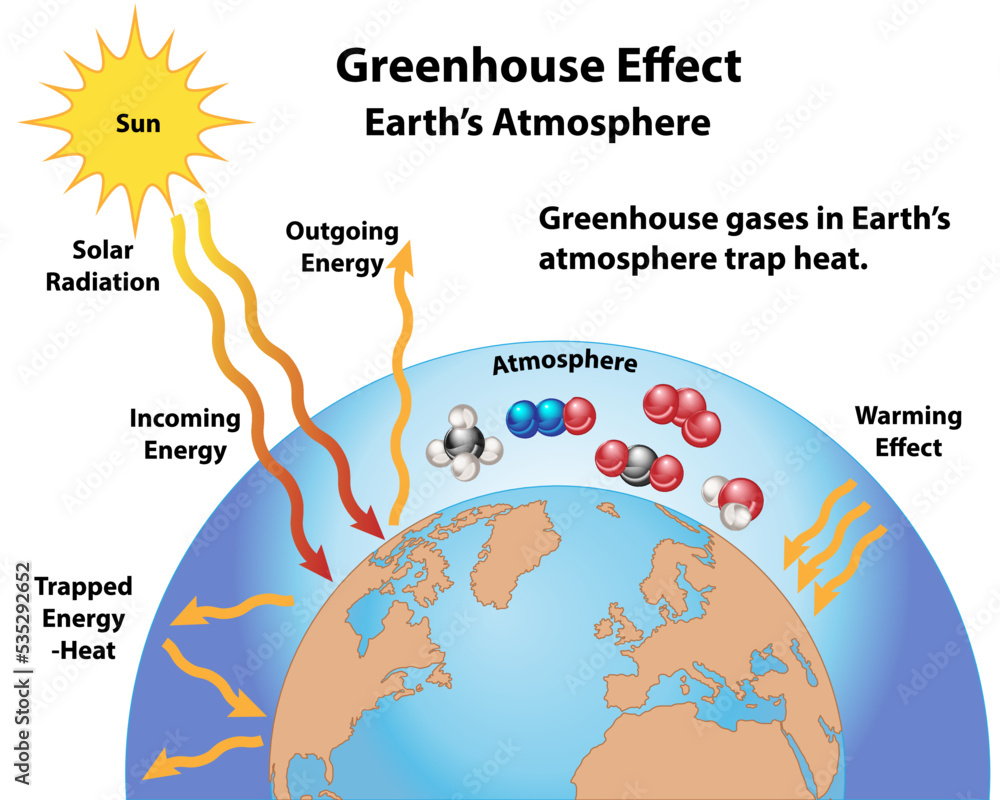
The term describes the chain of physical processes whereby greenhouse gases (GHGs) absorb outgoing long‑wave infrared radiation and re‑emit it in all directions, including back toward the surface. This creates a net energy gain that raises surface temperature. The natural greenhouse effect maintains an average global temperature near 15 °C; without it, Earth would average about -18 °C. Human activities have added roughly 1.1 °C of warming above pre‑industrial levels by increasing atmospheric GHG concentrations.
\n\n
How Does It Work?
\n
1. Solar Radiation Enters the Atmosphere
\n
Shortwave solar photons pass through clear air and are absorbed by land, oceans, and vegetation, warming them.
\n
2. Surface Emits Infrared Radiation
\n
Warm surfaces re‑radiate energy as long‑wave infrared photons. In a vacuum, this energy would escape to space.
\n
3. Greenhouse Gases Absorb Infrared
\n
Molecules of CO₂, CH₄, and N₂O have vibrational modes that match infrared wavelengths, allowing them to capture a portion of the outgoing radiation.
\n
4. Re‑Emission in All Directions
\n
Absorbed energy is re‑emitted isotropically. The downward component adds to surface heating, while the upward component still reaches space but at a reduced intensity.
\n
5. Positive Feedbacks Amplify Warming
\n
- \n
- Melting Arctic sea ice reduces surface albedo, allowing more solar absorption.
- Permafrost thaw releases additional CH₄ and CO₂.
- Warmer air holds more water vapour, a potent greenhouse gas.
\n
\n
\n
\n
These feedbacks are documented in the IPCC (2021) and contribute to non‑linear climate responses.
\n\n
What Does the Evidence Show?
\n
Long‑term surface temperature records from the Global Historical Climatology Network indicate a global mean increase of about 1.1 °C between 1880 and 2020 (NOAA, 2022). Satellite observations of outgoing longwave radiation confirm that the spectral “fingerprint” of CO₂ absorption has deepened over the past four decades. Ice‑core analyses reveal that current CO₂ concentrations (~420 ppm in 2023) exceed pre‑industrial levels by more than 100 ppm, a magnitude not seen in at least 800,000 years. Attribution studies using climate models consistently reproduce observed warming only when human GHG emissions are included, establishing a causal link with high confidence.
\n\n
Main Causes or Drivers
\n
Direct Human Sources
\n
- \n
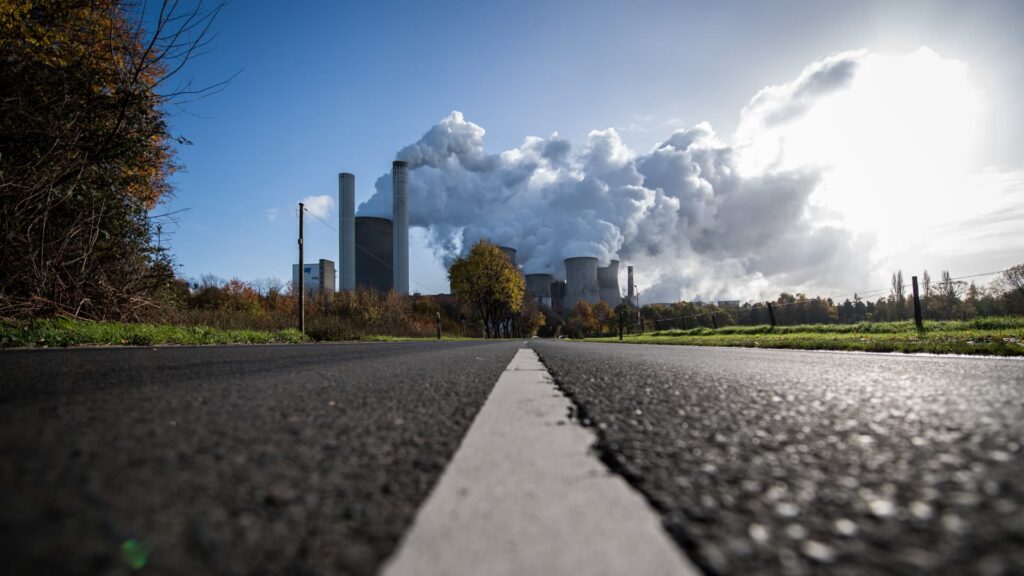
- Combustion of coal, oil, and natural gas for electricity, transport, and industry – responsible for ~75 % of global CO₂ emissions (IEA, 2023).
- Agricultural livestock and rice paddies emit CH₄ through enteric fermentation and anaerobic decomposition.
- Fertilizer application and industrial processes release N₂O.
\n
\n
\n
\n
Underlying Drivers
\n
- \n
- Economic growth and energy demand in developing regions.
- Urbanization that concentrates fossil‑fuel use and reduces carbon‑sequestering land.
- Policy environments that favour inexpensive but carbon‑intensive energy sources.
\n
\n
\n
\n\n
Environmental and Human Impacts
\n
Environmental Impacts
\n
- \n
- Increased frequency of heatwaves and droughts in temperate and tropical zones.
- More intense precipitation events and flooding in mid‑latitude regions.
- Ocean heat uptake leading to coral bleaching and shifts in marine species distributions.
- Accelerated glacier and ice‑sheet melt contributing to sea‑level rise, currently estimated at 3.4 mm per year (NASA, 2023).
\n
\n
\n
\n
\n
Human Health and Social Impacts
\n
- \n
- Heat‑related mortality rises, especially among elderly and outdoor workers.
- Air‑quality degradation from higher temperatures increases respiratory illnesses.
- Food‑security threats as staple crop yields become more variable in rain‑fed agriculture.
- Displacement of coastal populations due to sea‑level rise and extreme storm surge.
\n
\n
\n
\n
\n\n
Regional Differences
\n
High‑latitude regions experience amplified warming (up to 2–3 °C above the global mean) because of ice‑albedo feedbacks, while the Arctic sees the fastest temperature rise. Tropical regions face heightened heat‑stress and declining precipitation in some basins, affecting smallholder farms. Small island developing states confront sea‑level rise that threatens entire land areas, whereas arid zones may experience expanded desertification. These patterns reflect variations in geography, baseline climate, and adaptive capacity.
\n\n
What Scientists Know With High Confidence
\n
- \n
- Human activities have increased atmospheric CO₂, CH₄, and N₂O concentrations beyond natural variability.
- The enhanced greenhouse effect is the dominant driver of global warming since the mid‑20th century.
- Warming is causing sea‑level rise, more frequent heatwaves, and changes in precipitation patterns.
- Reducing GHG emissions can limit the magnitude of future warming.
\n
\n
\n
\n
\n
\n\n
What Remains Uncertain
\n
Key uncertainties involve the magnitude of climate sensitivity to CO₂ (the temperature increase expected from a doubling of CO₂), the future trajectory of methane emissions from permafrost, and the regional timing of extreme‑event shifts. These gaps stem from limited long‑term observations, complex feedback interactions, and divergent socioeconomic pathways. Improving satellite monitoring of methane and expanding high‑resolution climate models are priorities for narrowing these uncertainties.
\n
\n\n
Common Misconceptions
\n
Misconception: The greenhouse effect is “bad” and should be eliminated.
\n
Reality: The natural greenhouse effect is essential for life; the problem is the additional warming caused by excessive human‑derived gases.
\n
Misconception: Individual lifestyle changes alone can stop climate change.
\n
Reality: Personal actions matter, but systemic shifts in energy production, industry, and land use are required to achieve the emission reductions needed for climate stabilization.
\n
Misconception: Climate change is only a future issue.
\n
Reality: Observable impacts—heatwaves, glacier retreat, and sea‑level rise—are already occurring, and their frequency and intensity are projected to increase.
\n
\n\n
Solutions and Limitations
\n
Effective responses combine mitigation (cutting emissions) and adaptation (preparing for unavoidable changes). Renewable electricity—solar, wind, and hydro—offers low‑carbon power but requires grid upgrades and storage solutions to address intermittency. Energy efficiency in buildings and industry can reduce demand, yet retrofitting costs can be high in existing stock. Protecting and restoring forests enhances natural carbon sinks, but land‑competition and permanence concerns limit scale. Carbon‑capture technologies show promise but remain costly and unproven at gigatonne scales. All strategies involve trade‑offs in economics, land use, and social acceptance, underscoring the need for integrated policy frameworks.
\n\n
What Individuals, Communities, and Governments Can Do
\n
What Individuals Can Do
\n
- \n
- Choose low‑carbon travel options—public transit, cycling, or electric vehicles where infrastructure exists.
- Improve home energy efficiency through insulation, efficient appliances, and smart thermostats.
- Support policies and companies that prioritize renewable energy and transparent emissions reporting.
\n
\n
\n
\n
What Communities and Organizations Can Do
\n
- \n
- Develop local renewable projects (e.g., community solar) and micro‑grids.
- Implement climate‑resilient planning—green infrastructure, flood‑plain management, and heat‑island mitigation.
- Engage in education campaigns that link personal actions to collective outcomes.
\n
\n
\n
\n
What Governments Can Do
\n
- \n
- Set ambitious, enforceable emission‑reduction targets aligned with the Paris Agreement.
- Phase out coal subsidies and incentivize clean‑energy investments.
- Fund climate‑research, monitoring networks, and early‑warning systems for extreme events.
- Ensure climate policies address equity, providing resources for vulnerable populations.
\n
\n
\n
\n
\n\n
Synthesis
\n
The greenhouse effect, amplified by human‑generated gases, is the central engine of contemporary climate change. Robust, multi‑disciplinary evidence confirms that rising CO₂, methane, and nitrous oxide drive global warming, with cascading effects on ecosystems, health, and economies. While uncertainties remain around feedback magnitudes and regional timelines, the core scientific consensus is clear. Mitigation, adaptation, and equitable policy action together offer the most credible path to limit warming and protect societies worldwide.
Frequently Asked Questions
What is the greenhouse effect?
The greenhouse effect is the natural process by which certain gases in Earth’s atmosphere trap infrared radiation, keeping the planet warm enough to support life. Human‑derived increases in these gases enhance the effect, leading to additional warming.
Which gases contribute most to the enhanced greenhouse effect?
Carbon dioxide, methane, and nitrous oxide are the three longest‑lived greenhouse gases responsible for most of the human‑driven warming. CO₂ accounts for roughly three‑quarters of total emissions, while methane and nitrous oxide, though present in smaller amounts, have a higher heat‑trapping capacity per molecule.
How do scientists know that the greenhouse effect is causing recent climate change?
Multiple independent lines of evidence—instrumental temperature records, satellite measurements of infrared absorption, ice‑core reconstructions of past CO₂ levels, and climate‑model attribution studies—converge on the conclusion that the increase in greenhouse gases from human activities is the dominant driver of warming since the mid‑20th century.
What are the most significant impacts of an enhanced greenhouse effect?
The amplified greenhouse effect leads to higher global average temperatures, more frequent heatwaves, intensified precipitation extremes, rising sea levels, ocean warming, and shifts in ecosystems—all of which affect human health, food security, water resources, and infrastructure.
What actions can effectively reduce greenhouse‑gas emissions?
The most impactful actions involve transitioning to renewable energy, improving energy efficiency, protecting and restoring forests, and implementing policies that price carbon or set strict emission limits. While individual lifestyle changes help, systemic shifts in energy production and land use are essential for large‑scale emission reductions.






Leave a Comment