
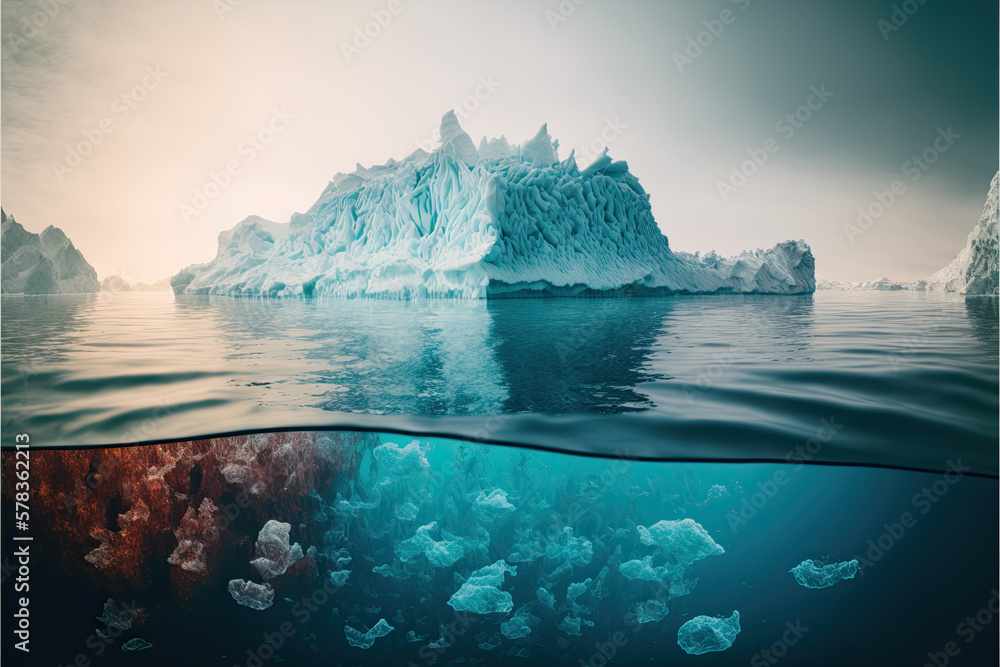
Glacier melt contributes roughly one‑third of the observed global sea‑level rise, a figure supported by satellite observations, mass‑balance studies, and the IPCC assessment, highlighting both the importance of glaciers and the uncertainties that remain.
Quick Answer
Glaciers—mountain‑ice bodies distinct from the massive ice sheets of Greenland and Antarctica—account for about 30% of the measured global sea‑level rise since the early 1990s. The primary mechanism is the conversion of solid ice to liquid water that flows into the oceans, a process accelerated by rising air temperatures and, in some regions, by oceanic warming at glacier termini. While the contribution is well documented, uncertainties persist in regional melt rates, especially for remote or poorly monitored glaciers.
Key Takeaways
- Glaciers contribute approximately one‑third of total sea‑level rise, with the remainder coming mainly from Greenland, Antarctica, and thermal expansion of seawater.
- Satellite gravimetry (GRACE) and ground‑based mass‑balance networks provide the strongest evidence for glacier contributions.
- Temperature‑driven melt is the dominant driver, but precipitation changes and glacier dynamics also play roles.
- Impacts are uneven: mountain communities lose freshwater resources, while coastal zones face higher flood risk.
- Future projections depend heavily on greenhouse‑gas emission pathways and on improving glacier monitoring.
What Is How Much of Sea Level Rise Comes From Melting Glaciers?
The phrase refers to the proportion of observed global sea‑level increase that can be directly attributed to the loss of mass from glaciers—ice bodies typically less than 50,000 km² that flow down from mountain ranges. It excludes the much larger ice sheets of Greenland and Antarctica, which are measured separately. Quantifying this share requires converting glacier mass loss (measured in gigatonnes of water) into an equivalent sea‑level equivalent (SLE) expressed in millimetres per year.
How Does It Work?
1. Energy Balance at the Glacier Surface
Solar radiation, long‑wave radiation, sensible heat, and latent heat together determine how much melt occurs each day. Warmer air temperatures increase the melt energy, while fresh snow can reflect more solar energy (high albedo) and temporarily reduce melt.
2. Ice Flow and Calving
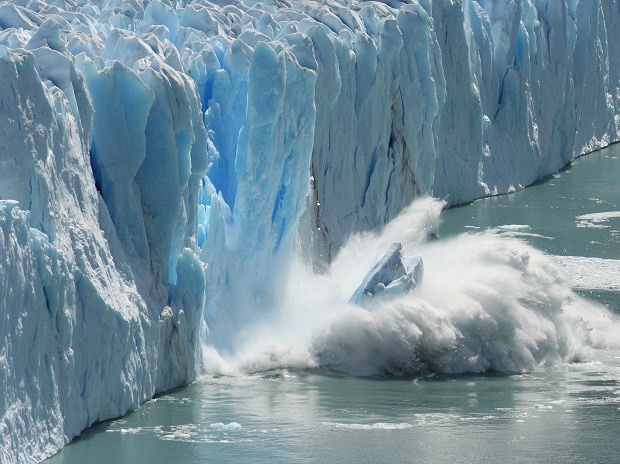
Glaciers transport ice from accumulation zones to lower elevations. When a glacier reaches a lake or the ocean, it may break off (calve), directly adding ice mass to the water body.
3. Conversion to Sea‑Level Equivalent
One gigatonne of melted ice raises global sea level by about 0.28 mm (IPCC, 2021). Summing the annual mass loss from all monitored glaciers yields the glacier‑derived SLE.
What Does the Evidence Show?
Multiple lines of evidence converge on the ~30 % figure. The Intergovernmental Panel on Climate Change (IPCC) Sixth Assessment Report (2021) cites satellite gravimetry from the GRACE mission, which measured a net loss of 267 ± 30 Gt yr⁻¹ from glaciers between 2003 and 2019, equivalent to 0.75 mm yr⁻¹ of sea‑level rise. Ground‑based mass‑balance observations compiled by the World Glacier Monitoring Service (WGMS) report a similar average loss of 0.8 mm yr⁻¹ for the period 2000–2020. Together these data sets represent about one‑third of the total observed rise of ~3.3 mm yr⁻¹ over the same period (NOAA, 2022).
Main Causes or Drivers
Direct Atmospheric Warming
Rising global mean surface temperature increases melt energy. The IPCC attributes 85 % of glacier mass loss since 1980 to atmospheric warming.
Changes in Precipitation
Reduced snowfall or a shift from snow to rain lessens accumulation, amplifying net loss, especially in the Himalaya and Andes.
Oceanic Warming at Glacier Fronts
For tide‑water glaciers in Alaska and the Patagonian region, warmer seawater erodes ice fronts, accelerating calving and submarine melt.
Albedo Feedback
As ice retreats, darker rock or water surfaces absorb more solar energy, further enhancing melt rates.
Environmental and Human Impacts
Environmental Impacts
Glacier melt adds freshwater to the oceans, altering salinity gradients that can affect ocean circulation. Freshwater influx also changes coastal ecosystem dynamics, influencing species composition in estuaries.
Human Health and Social Impacts
Millions of people depend on glacier‑fed rivers for drinking water, irrigation, and hydropower. Declining glacier volume threatens water security in the Hindu Kush‑Karakoram‑Himalaya region, potentially increasing competition for scarce resources.
Economic and Infrastructure Impacts
Higher sea levels exacerbate coastal flooding, erosion, and storm‑surge impacts, raising repair costs for ports, roads, and housing. The added melt water can also increase sediment load in rivers, affecting dam operations.
Regional Differences
Glacier contributions vary widely. The Asian High Mountains host over 30 % of the world’s glacier area, yet many of these glaciers are small and poorly monitored, leading to larger uncertainty. In contrast, the European Alps have an extensive monitoring network, showing an average loss of 0.5 mm yr⁻¹ SLE from 2000 to 2020. In the Andes, rapid retreat of tropical glaciers contributes roughly 0.1 mm yr⁻¹, but the local water‑use implications are outsized because many communities lack alternative supplies.
What Scientists Know With High Confidence
- Glaciers have been losing mass globally for at least the past four decades.
- Satellite gravimetry and in‑situ mass‑balance records consistently indicate that glacier melt accounts for about 30 % of observed sea‑level rise since the early 1990s.
- Air‑temperature rise is the primary driver of increased melt across most mountain ranges.
- The contribution from glaciers, while smaller than that from the Greenland and Antarctic ice sheets, is a major source of freshwater for many densely populated regions.
What Remains Uncertain
Key uncertainties include the exact melt rates of small, remote glaciers that lack continuous monitoring, the future response of glacier dynamics to extreme precipitation events, and how rapidly glacier‑fed river systems will adjust to reduced meltwater. Improving satellite coverage, expanding ground‑based networks, and integrating regional climate models will reduce these gaps.
Common Misconceptions
Misconception: All sea‑level rise comes from melting glaciers.
Reality: Glaciers contribute about one‑third of the rise; the majority comes from the Greenland and Antarctic ice sheets and from thermal expansion of warming seawater.
Misconception: Only tropical glaciers matter for sea level.
Reality: Mid‑latitude and high‑latitude glaciers together provide the bulk of the glacier‑derived contribution, even though tropical glaciers are critical for regional water supplies.
Misconception: Glacier melt is a short‑term, seasonal phenomenon.
Reality: The observed mass loss reflects a long‑term trend linked to climate change, not merely inter‑annual variability.
Solutions and Limitations
Mitigating glacier loss hinges on limiting global warming. Reducing greenhouse‑gas emissions can slow atmospheric warming, thereby decreasing melt rates. However, even under stringent mitigation, some glacier loss is already locked in due to thermal inertia. Adaptation measures—such as improving water‑storage infrastructure in glacier‑dependent valleys and enhancing early‑warning systems for glacial lake outburst floods—address near‑term risks but do not reverse mass loss. Nature‑based solutions like reforestation can modestly improve local albedo but have limited impact on high‑altitude ice.
What Individuals, Communities, and Governments Can Do
What Individuals Can Do
Support policies that reduce carbon emissions, conserve water, and fund glacier monitoring programs. Personal actions such as reducing energy consumption and choosing low‑carbon transportation contribute to the broader mitigation effort.
What Communities and Organizations Can Do
Invest in diversified water‑resource management (e.g., reservoirs, rainwater harvesting) to lessen reliance on glacier melt. Participate in citizen‑science projects that report local glacier changes to databases like the WGMS.
What Governments Can Do
Implement ambitious climate‑mitigation targets consistent with the Paris Agreement, expand national glacier monitoring networks, and integrate glacier‑water projections into regional water‑security planning. Funding for research on glacier dynamics and for adaptation infrastructure is essential.
Closing Synthesis
Glacier melt is a well‑documented driver of sea‑level rise, responsible for roughly one‑third of the observed increase over recent decades. The evidence—satellite gravimetry, mass‑balance records, and comprehensive assessment reports—provides high confidence in this figure, while uncertainties remain around small, remote glaciers and future melt trajectories. Addressing the challenge requires both aggressive emissions reductions to limit further melt and targeted adaptation strategies to protect water‑dependent societies. By understanding the contribution and its limits, policymakers and the public can focus on actions that most effectively safeguard both coastal and mountainous regions.
Frequently Asked Questions
What percentage of sea-level rise is caused by melting glaciers?
Melting glaciers account for roughly 30 % of the observed global sea-level rise since the early 1990s, according to satellite gravimetry and glacier mass‑balance records.
How do scientists measure glacier contribution to sea level?
Scientists use satellite gravimetry (e.g., GRACE), ground‑based mass‑balance networks, and remote‑sensing observations to estimate glacier mass loss and convert it to sea‑level equivalent.
Why do glaciers melt faster now than in the past?
Rising air temperatures increase melt energy, while reduced snowfall, oceanic warming at glacier fronts, and albedo feedback together accelerate glacier loss.
What are the main uncertainties in estimating glacier‑derived sea-level rise?
Uncertainties stem from limited data on small or remote glaciers, the future response of glacier dynamics to extreme precipitation, and regional variations in melt rates.
Can individual actions help reduce glacier melt?
Individual actions that lower carbon emissions—such as conserving energy and supporting clean‑energy policies—contribute to the broader mitigation effort that can slow glacier melt over time.




Leave a Comment