
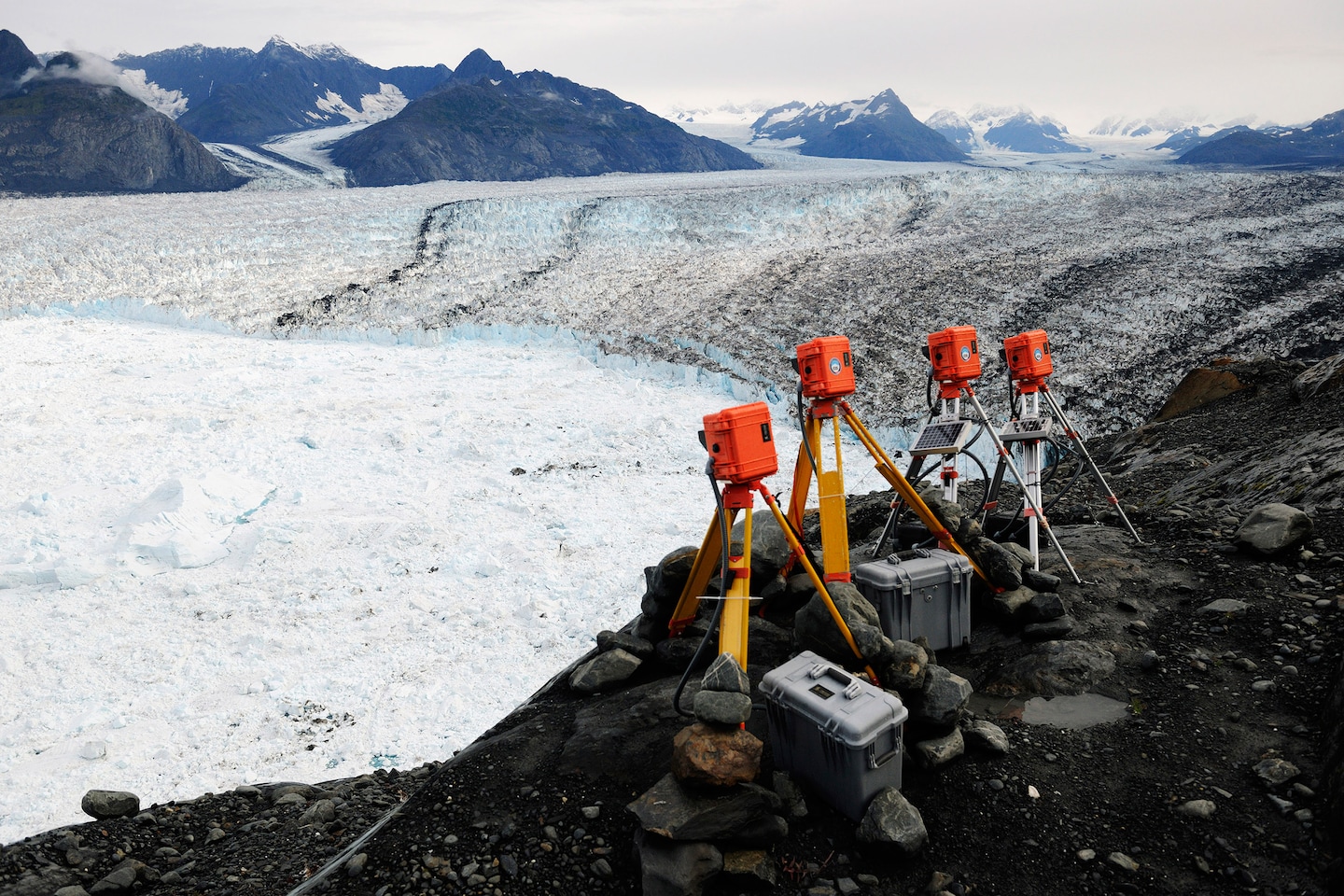
Rapid glacier melting threatens freshwater supplies, accelerates sea‑level rise, and triggers feedbacks that amplify climate change, prompting scientists to warn of widespread ecological and societal impacts.
\n\n
Quick Answer
\n
Glaciers are losing mass at an accelerating rate because rising atmospheric temperatures increase surface melt and promote ice‑sheet instability. The most robust evidence—long‑term satellite gravimetry, in‑situ mass balance records, and the IPCC’s Sixth Assessment Report (2021)—shows that global glacier volume has declined by roughly 9 % since the 1960s, contributing about 0.27 mm per year to global sea‑level rise. This loss jeopardizes downstream water resources and creates a positive albedo feedback that can hasten further warming, although the exact timing of regional impacts remains uncertain.
\n
\n\n
Key Takeaways
\n
- \n
- Glaciers store about 75 % of the planet’s fresh water, making their melt a critical water‑security issue.
- Mass loss has accelerated: the World Glacier Monitoring Service reports a three‑fold increase in loss rate since the 1990s.
- Melting ice adds directly to sea level and reduces the Earth’s albedo, amplifying warming.
- Impacts vary widely: some mountain communities face water shortages, while low‑lying coasts confront higher flood risk.
- Mitigation (emissions cuts) and adaptation (water‑management planning) are both required, but each faces technical, economic, and equity challenges.
\n
\n
\n
\n
\n
\n
\n\n
What Is Why Scientists Are Alarmed by Rapid Glacier Melting?
\n
The phrase refers to the growing concern among climate researchers that the observed and modelled acceleration of glacier mass loss exceeds natural variability and poses systemic risks. Glaciers are not merely scenic ice masses; they act as natural reservoirs that release meltwater seasonally, regulate river flows, and reflect solar radiation. When melt accelerates beyond historic ranges, the balance of water availability, sea‑level stability, and climate feedbacks is disrupted.
\n\n
How Does It Work?
\n
1. Surface Energy Imbalance
\n
Warmer air raises the amount of solar and longwave radiation absorbed by the ice surface. When incoming energy exceeds the energy lost through melting and sublimation, the glacier loses mass. Satellite‑derived energy‑balance models (e.g., NASA’s MODIS) show that surface melt days have increased by 30 % in the Himalayas since the 1990s.
\n
2. Ice‑Sheet Dynamics
\n
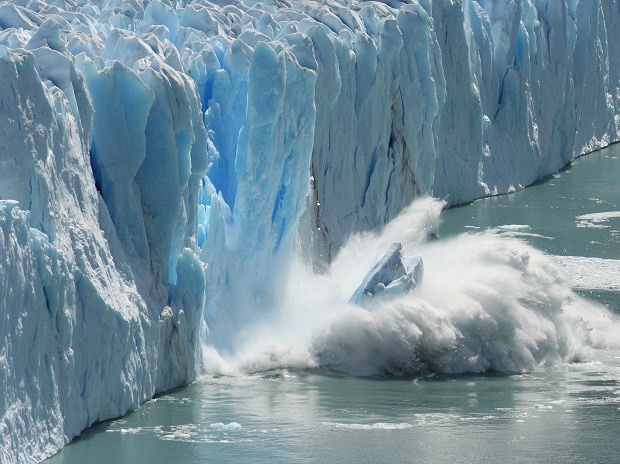
Higher meltwater percolates through crevasses, reaching the glacier bed and lubricating its motion. This basal sliding can trigger rapid glacier retreat, as documented in Greenland’s Jakobshavn Glacier, which has thinned by up to 800 m since the early 2000s.
\n
3. Albedo Feedback
\n
Exposed rock and meltwater have a lower albedo (reflectivity) than clean ice. As bright surfaces darken, they absorb more solar energy, further accelerating melt. Studies published in *Nature Climate Change* (2020) estimate that albedo loss contributes roughly 0.05 mm per year to sea‑level rise.
\n
4. Sea‑Level Contribution
\n
When glaciers discharge freshwater into the ocean, the added volume raises global sea level. The IPCC AR6 quantifies the contribution from glaciers and ice caps at 0.27 mm yr⁻¹ for the period 2000‑2019, representing about 20 % of total observed sea‑level rise.
\n\n
What Does the Evidence Show?
\n
Multiple independent lines of evidence converge on the conclusion that glacier mass loss is accelerating:
\n
- \n
- Satellite gravimetry: The GRACE mission (2002‑2017) measured a net loss of 267 ± 30 Gt yr⁻¹ from all glaciers worldwide.
- In‑situ mass‑balance stations: The World Glacier Monitoring Service (WGMS) records show that 89 % of monitored glaciers have negative mass balances over the past three decades.
- Historical reconstructions: Ice‑core and moraine dating indicate that the current rate of retreat exceeds the maximum observed during the Little Ice Age (≈1300‑1850 AD).
- Model intercomparison: CMIP6 climate‑model ensembles reproduce observed melt trends only when greenhouse‑gas forcing is included, reinforcing the attribution to anthropogenic warming.
\n
\n
\n
\n
\n\n
Main Causes or Drivers
\n
Direct Causes
\n
- \n
- Rising air temperatures linked to increased greenhouse‑gas concentrations.
- Enhanced precipitation of rain rather than snow at higher elevations, reducing accumulation.
\n
\n
\n
Underlying Drivers
\n
- \n
- Global carbon emissions from fossil‑fuel combustion and land‑use change.
- Regional atmospheric circulation changes that bring warmer air masses to mountain ranges.
\n
\n
\n
Amplifying Factors
\n
- \n
- Black carbon deposition on snow and ice, which lowers albedo.
- Feedbacks from meltwater‑induced glacier acceleration.
\n
\n
\n\n
Environmental and Human Impacts
\n
Environmental Impacts
\n
- \n
- Sea‑level rise: Contributes to coastal erosion, salt‑water intrusion, and habitat loss in mangroves and tidal wetlands.
- Hydrological changes: Seasonal shift from glacier‑fed summer flows to earlier peak runoff, affecting downstream ecosystems.
- Biodiversity stress: Cold‑water fish species such as salmon and trout rely on stable meltwater temperatures; altered flows increase thermal stress.
\n
\n
\n
\n
Human Health and Social Impacts
\n
- \n
- Reduced water availability for agriculture and drinking water in the Andes, Himalayas, and Central Asia threatens food security for over 2 billion people.
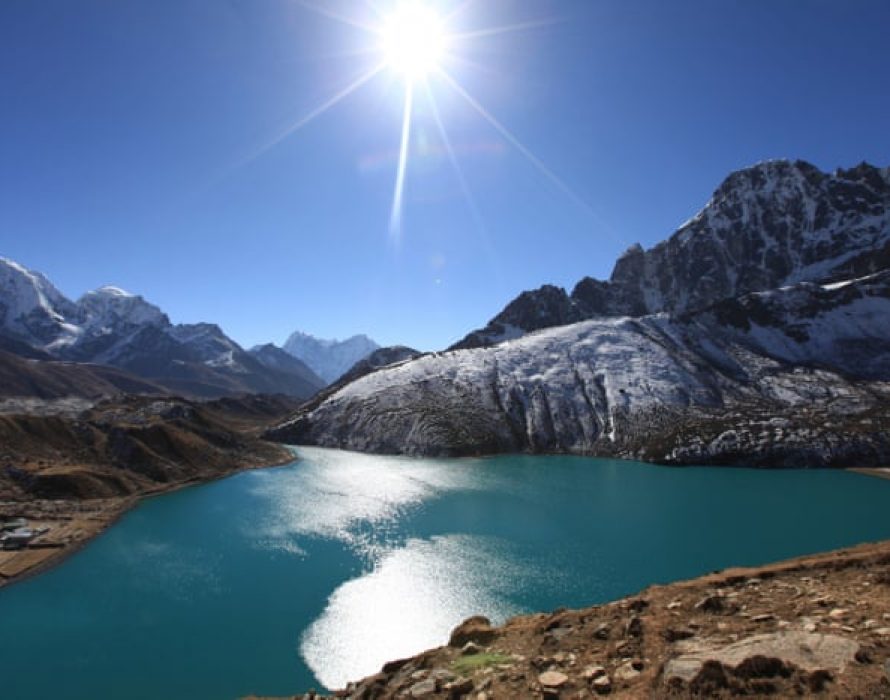
- Increased flood risk from sudden glacial lake outburst floods (GLOFs) endangers settlements in Nepal, Bhutan, and the Pacific Northwest.
- Loss of culturally significant ice landscapes undermines the identity of indigenous peoples, including the Quechua and Sherpa communities.
\n
\n
\n
\n
Economic and Infrastructure Impacts
\n
- \n
- Hydropower generation in the Alps and the Andes may decline as summer meltwater diminishes, reducing renewable energy capacity.
- Coastal infrastructure in low‑lying megacities faces higher adaptation costs as sea level rises.
\n
\n
\n\n
Regional Differences
\n
Glacier response varies with latitude, elevation, and local climate:
\n
- \n
- High‑latitude Arctic: Ice‑sheet discharge dominates sea‑level contribution; temperatures have risen >2 °C above pre‑industrial levels.
- Mid‑latitude mountain ranges (e.g., Himalayas, Andes): Rapid retreat threatens water supplies for agriculture and urban centers; melt rates are 1.5–2 times global average.
- Temperate glaciers (e.g., European Alps): Some smaller glaciers have disappeared entirely, leading to reduced summer streamflow.
\n
\n
\n
\n\n
What Scientists Know With High Confidence
\n
- \n
- Global average temperatures have risen by about 1.1 °C since 1850, driving glacier melt.
- Glacier mass loss contributes measurably to sea‑level rise, as quantified by satellite gravimetry.
- Albedo feedbacks from ice loss amplify regional warming.
- The majority of the world’s major river basins (e.g., Indus, Ganges, Yangtze) depend partially on glacier meltwater.
\n
\n
\n
\n
\n
\n\n
What Remains Uncertain
\n
Key gaps include the precise timing of threshold crossings for individual glacier basins, the future frequency of large‑scale GLOFs, and the interaction between black‑carbon deposition and melt rates in remote regions. Improved high‑resolution monitoring and coupled climate‑glacier models are needed to narrow these uncertainties.
\n
\n\n
Common Misconceptions
\n
Misconception: Glaciers only melt during hot summers.
\n
Reality: While summer melt is the primary driver, rising winter temperatures reduce snow accumulation, and meltwater can flow year‑round, especially at lower elevations.
\n
Misconception: All glacier loss is natural variability.
\n
Reality: Instrumental records and climate‑model attribution studies show that the recent acceleration exceeds natural oscillations and aligns with anthropogenic warming.
\n
Misconception: Sea‑level rise from glaciers is negligible compared with ice sheets.
\n
Reality: Although ice sheets dominate total sea‑level rise, glacier melt accounts for roughly one‑fifth of the observed increase since 2000, a non‑trivial contribution.
\n
\n\n
Solutions and Limitations
\n
Addressing rapid glacier melt requires both mitigation of climate forcing and adaptation to unavoidable changes:
\n
- \n
- Mitigation: Rapid decarbonisation of energy systems can limit temperature rise; however, even stringent pathways (e.g., SSP1‑1.9) still predict continued glacier loss for centuries.
- Adaptation: Investing in water‑storage infrastructure, revising irrigation schedules, and developing early‑warning systems for GLOFs can reduce vulnerability, but such measures demand significant capital and governance capacity.
- Conservation: Protecting high‑altitude catchments from deforestation helps preserve snow accumulation, yet land‑use policies often conflict with local livelihoods.
- Research and Monitoring: Expanding satellite missions (e.g., SWOT) and ground‑based observations improves forecasting, but data gaps remain in politically unstable or remote regions.
\n
\n
\n
\n
\n\n
What Individuals, Communities, and Governments Can Do
\n
What Individuals Can Do
\n
- \n
- Support policies that accelerate renewable‑energy deployment and carbon pricing.
- Participate in citizen‑science programs that monitor local glacial streams.
- Reduce personal carbon footprints through energy efficiency and low‑carbon travel.
\n
\n
\n
\n
What Communities and Organizations Can Do
\n
- \n
- Develop integrated water‑resource plans that account for declining glacier contributions.
- Implement early‑warning networks for glacial lake outburst floods.
- Promote sustainable tourism that funds glacier monitoring.
\n
\n
\n
\n
What Governments Can Do
\n
- \n
- Enact and enforce ambitious emissions‑reduction targets consistent with the Paris Agreement.
- Fund long‑term glacier observation networks and share data openly.
- Invest in climate‑resilient infrastructure in downstream floodplains and water‑scarce regions.
\n
\n
\n
\n\n
Synthesis
\n
Rapid glacier melting is a clear indicator that the climate system is being forced beyond historic bounds. Robust observations and model evidence show that warming temperatures, altered precipitation, and feedback mechanisms are driving unprecedented ice loss, which in turn threatens freshwater security, accelerates sea‑level rise, and endangers ecosystems and cultures. While uncertainties remain about the exact timing of regional impacts, the high‑confidence findings provide a solid basis for urgent mitigation and targeted adaptation. Coordinated action across individuals, communities, and governments offers the most effective path to safeguard the services that glaciers provide for present and future generations.
Frequently Asked Questions
What is causing glaciers to melt faster now?
Glaciers are melting faster because rising global temperatures increase surface melt, and warmer winters reduce snow accumulation. Additional factors such as black‑carbon deposition on ice and meltwater‑driven glacier sliding amplify the loss.
How does glacier melt contribute to sea‑level rise?
When glaciers lose ice, the water flows into the oceans, adding volume directly to sea level. According to the IPCC AR6, glaciers and ice caps contributed about 0.27 mm per year to global sea‑level rise between 2000 and 2019.
Which regions are most affected by glacier loss?
Mid‑latitude mountain ranges like the Himalayas, Andes, and the European Alps experience rapid retreat that threatens water supplies. High‑latitude Arctic ice sheets dominate sea‑level contributions, while temperate glaciers in Europe have already disappeared in some locations.
What are the main uncertainties scientists face about future glacier melt?
Key uncertainties include when individual glacier basins will cross critical melt thresholds, how often large glacial lake outburst floods will occur, and how black‑carbon deposition will interact with melt rates in remote areas.
What actions can individuals take to help address rapid glacier melting?
Individuals can support strong climate policies, reduce personal carbon footprints through energy efficiency and low‑carbon travel, and join citizen‑science projects that monitor local glacial streams, helping improve data for scientists.





Leave a Comment