

Melting glaciers reshape freshwater availability, sea levels, health risks, and economies, linking climate change directly to everyday human wellbeing.
Quick Answer
Glacier melt reduces the long‑term storage of freshwater, contributes to rising sea levels, alters local climates, and can trigger health and economic stresses. The process is driven by higher atmospheric temperatures that accelerate ice loss, which initially increases river flow but eventually leads to water shortages and greater flood risk. Scientists are confident that continued warming will intensify these impacts, though the exact timing for specific regions remains uncertain.
Key Takeaways
- Glaciers act as natural reservoirs; their loss threatens water security for billions.
- Sea‑level rise from meltwater adds to coastal flooding and displacement.
- Changing melt patterns affect agriculture, hydropower, and ecosystem services.
- Health risks rise from water‑borne diseases and reduced air‑quality cooling.
- Adaptation, sustainable water management, and emission reductions can reduce vulnerability.
What Is How Melting Glaciers Directly Affect Human Lives?
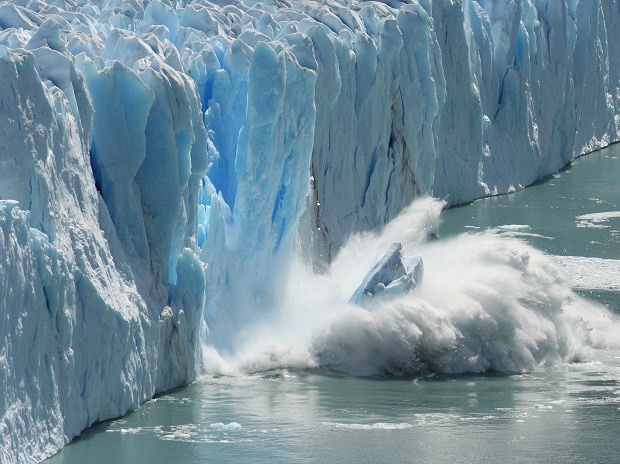
Glacier melt refers to the process by which solid ice stored in mountain and polar glaciers converts to liquid water under warming temperatures. This water feeds rivers, lakes, and groundwater systems, supports agriculture, supplies drinking water, and powers hydroelectric facilities. When glaciers shrink, the balance between seasonal meltwater and long‑term storage is disturbed, creating cascading effects on natural and human systems. The term differs from seasonal snow melt because glacier ice represents centuries‑old ice that releases water over decades to centuries, making its loss a slow‑acting but profound driver of change.
How Does It Work?
Physical and Hydrological Pathway
- Rising air temperatures increase surface melt on glacier tongues.
- Melting accelerates ice flow and creates meltwater streams that join downstream rivers.
- During early stages, higher summer discharge can boost water availability.
- Over time, the glacier’s ice volume declines, reducing the seasonal buffer that sustains dry‑season flows.
- Reduced base‑flow leads to lower river levels, affecting irrigation, drinking water, and hydropower.
Feedback to Climate System
Ice surfaces reflect solar radiation (high albedo). When ice disappears, darker land or ocean surfaces absorb more heat, amplifying regional warming—a positive feedback loop documented by the Intergovernmental Panel on Climate Change (IPCC, 2021).
What Does the Evidence Show?
Long‑term monitoring by national agencies in the Himalaya, Andes, and Alps shows a consistent retreat of glacier termini since the 1970s (World Glacier Monitoring Service, 2022). Satellite gravimetry indicates that global glacier mass loss contributed about 0.27 mm per year to sea‑level rise between 2003 and 2019 (NASA, 2020). Field studies in the Ganges‑Brahmaputra basin report a 10‑15 % increase in summer discharge in the 1990s followed by a plateau and decline in the 2010s, linking reduced glacier volume to decreasing dry‑season flows (FAO, 2021). These observations are reinforced by climate‑model ensembles that project continued glacier shrinkage under all Representative Concentration Pathways (RCPs).
Main Causes or Drivers
Direct Causes
- Elevated surface air temperatures due to greenhouse‑gas‑driven warming.
- Changes in precipitation patterns that shift snowfall to rain, reducing accumulation.
Underlying Drivers
- Global fossil‑fuel combustion increasing atmospheric CO₂ concentrations.
- Land‑use change that alters regional albedo and heat fluxes.
Environmental and Human Impacts
Environmental Impacts
- Loss of cold‑water habitats threatens native fish species such as the Himalayan snow trout.
- Reduced seasonal runoff alters downstream wetland dynamics, affecting biodiversity.
- Accelerated sea‑level rise increases coastal erosion and saltwater intrusion.
Human Health and Social Impacts
- Water scarcity heightens competition for irrigation, potentially leading to food insecurity.
- Reduced river flow limits hydroelectric generation, affecting energy reliability.
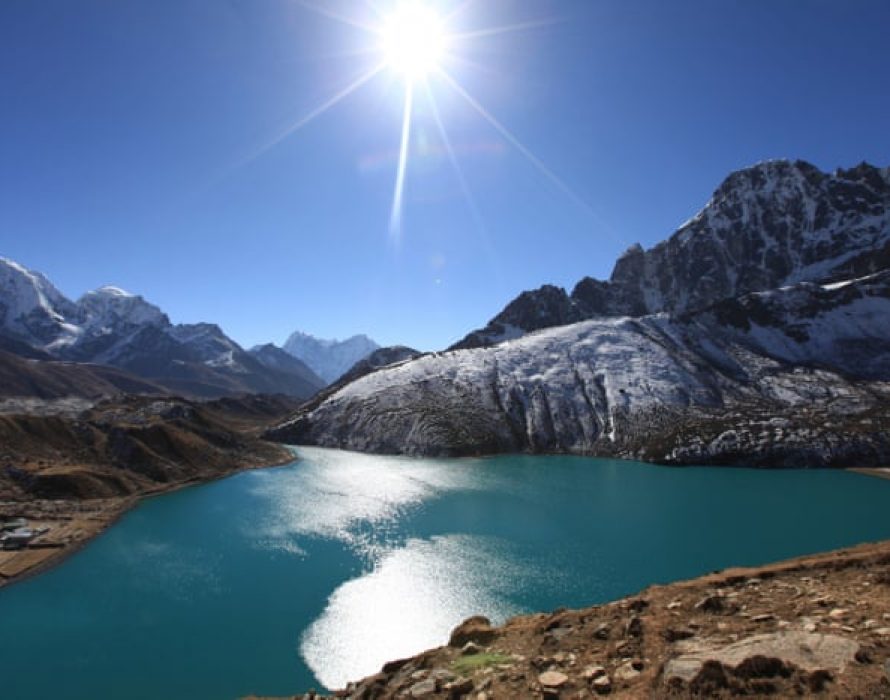
- Increased flood risk from sudden glacial lake outburst floods (GLOFs) endangers mountain communities.
- Warmer river temperatures can foster water‑borne pathogens, raising disease risk.
Economic and Infrastructure Impacts
- Agricultural yields in the Indo‑Gangetic plain depend on glacier‑fed irrigation; declining flows threaten livelihoods of millions.
- Tourism in glacier regions faces reduced scenic value and safety hazards.
- Infrastructure built on permafrost or near glacial valleys becomes vulnerable to landslides as meltwater lubricates slopes.
Regional Differences
In the Himalaya, over 1 billion people rely on glacier‑derived water, and observed melt has already shortened the monsoon‑recharge window (IPCC, 2021). In the Andes, glacier retreat has cut summer streamflow by up to 20 % in some basins, affecting Chile’s hydroelectric system (UNESCO, 2020). Alpine Europe experiences earlier snowmelt, shifting peak river flow to spring and reducing summer water availability for agriculture and tourism. Conversely, some mid‑latitude regions (e.g., parts of the western United States) have seen temporary water gains, but models project net losses by mid‑century.
What Scientists Know With High Confidence
- Global average temperatures have risen by about 1.1 °C since pre‑industrial times, driving glacier melt (IPCC, 2021).
- Glaciers contribute roughly one‑third of observed sea‑level rise since 2000.
- Glacier melt initially increases river discharge but leads to long‑term water scarcity.
- Loss of albedo from ice accelerates regional warming.
What Remains Uncertain
Key uncertainties include the precise timing of critical water‑shortage thresholds for specific river basins, the frequency and magnitude of future glacial lake outburst floods under different climate scenarios, and how socio‑economic adaptation will offset water stress. Improved high‑altitude monitoring networks and integrated climate‑hydrology models are needed to narrow these gaps.
Common Misconceptions
Misconception: Glacial melt only matters for remote mountain areas.
Reality: Meltwater feeds major river systems that supply water to billions of people downstream.
Misconception: All glacier melt is a short‑term benefit for water supplies.
Reality: The initial increase in flow is temporary; once ice volume declines, dry‑season water becomes scarce.
Misconception: Sea‑level rise is driven solely by ocean thermal expansion.
Reality: Ice loss from glaciers and ice sheets accounts for about one‑third of observed sea‑level rise, making glacier melt a significant contributor.
Solutions and Limitations
Effective responses combine mitigation (reducing greenhouse‑gas emissions) with adaptation (managing water resources, protecting vulnerable communities). Renewable‑energy transitions can lower the temperature driver, but large‑scale decarbonisation requires decades to affect glacier melt rates. Water‑storage infrastructure (e.g., reservoirs, managed aquifer recharge) can buffer seasonal variability, yet construction can disrupt ecosystems and displace people. Early‑warning systems for glacial lake outburst floods improve safety, but they require sustained funding and community training.
What Individuals, Communities, and Governments Can Do
What Individuals Can Do
- Support policies that accelerate clean‑energy adoption.
- Conserve water at home to reduce pressure on shared supplies.
- Participate in local watershed monitoring or citizen‑science projects.
What Communities and Organizations Can Do
- Develop integrated water‑resource plans that incorporate glacier‑melt projections.
- Invest in flood‑early‑warning systems for glacial lakes.
- Promote climate‑resilient crops and diversified livelihoods in mountain regions.
What Governments Can Do
- Implement and tighten emissions‑reduction targets consistent with the Paris Agreement.
- Fund long‑term glaciological monitoring networks.
- Provide financing for climate‑smart infrastructure and disaster‑risk reduction in vulnerable basins.
Closing Synthesis
Melting glaciers link climate change directly to water availability, sea‑level rise, health risks, and economic stability. High‑confidence research confirms that warming drives ice loss, which in turn reshapes human systems. While uncertainties remain about regional timing and adaptation effectiveness, the evidence points to a clear need for combined mitigation and adaptation strategies. By reducing emissions, improving water management, and strengthening community resilience, societies can lessen the adverse human impacts of glacier melt while preserving the vital services these icy reservoirs provide.
Frequently Asked Questions
How does glacier melt affect freshwater availability?
Glacier melt initially increases river flow during summer, but as the ice mass shrinks, the long‑term storage that sustains dry‑season streams diminishes, leading to water shortages for drinking, irrigation, and hydropower.
What role do melting glaciers play in sea‑level rise?
When glaciers lose ice, the water adds directly to the ocean. Scientists estimate that glacier melt contributes about one‑third of the observed sea‑level rise since 2000, amplifying coastal flooding and erosion.
Which regions are most vulnerable to glacier‑related water stress?
Mountain ranges such as the Himalaya, Andes, and the European Alps support major river basins; millions of people downstream rely on glacier‑fed water, making these regions especially vulnerable to reduced summer flows.
Can adaptation measures offset the impacts of glacier melt?
Adaptation—like building reservoirs, improving water‑use efficiency, and establishing early‑warning systems for glacial lake outburst floods—can reduce vulnerability, but they cannot fully replace the lost water storage provided by glaciers.
What are the main uncertainties about future glacier impacts?
Uncertainties include the exact timing of water‑shortage thresholds for individual basins, future frequencies of glacial lake outburst floods, and how socio‑economic adaptations will interact with physical changes.




Leave a Comment