
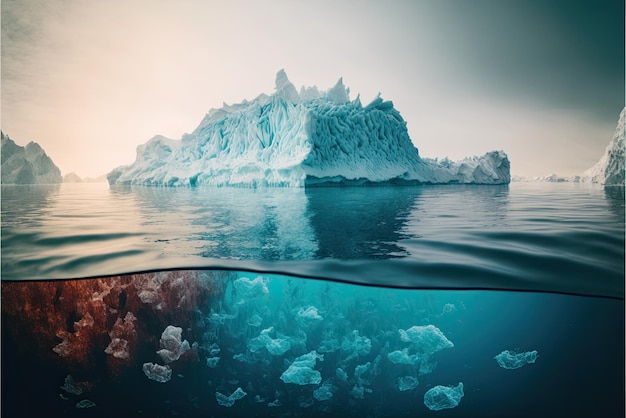
The accelerating melt of sea ice and glaciers amplifies global warming, raises sea levels, disrupts ecosystems, and jeopardizes water and food security for societies worldwide.
Quick Answer
Melting sea ice and glaciers is the loss of frozen water from the Arctic, Antarctic and mountain regions due to rising temperatures. The process reduces the Earth’s albedo, releases fresh water that contributes to sea‑level rise, and alters ocean circulation. Scientific assessments (IPCC, 2021) show that this melt is a direct response to anthropogenic greenhouse‑gas emissions and is already affecting coastal flooding, freshwater supplies, and marine habitats. While the exact timing of future impacts carries uncertainty, the overall trend and its global reach are well established.
Key Takeaways
- Sea‑ice and glacier melt lowers planetary reflectivity, accelerating warming.
- Glacial melt contributes about one‑third of observed global sea‑level rise since 1993.
- Freshwater influx changes ocean salinity, affecting currents and marine ecosystems.
- Communities dependent on glacial meltwater face growing water‑security risks.
- Mitigation of greenhouse gases and targeted adaptation are both essential.
What Is the Melting of Sea Ice and Glaciers and Why It Is a Global Problem?
Sea ice is frozen seawater that forms and melts each year in polar oceans, while glaciers are land‑based ice masses that persist for centuries or millennia. Both store vast quantities of solar energy in solid form; when they melt, that stored energy is released as heat, and the exposed darker surface absorbs more sunlight—a feedback known as the albedo effect. The term “global problem” reflects the fact that melt in one region can influence climate, sea level, and ecosystems far beyond its geographic boundaries.
How Does It Work?
1. Temperature‑Driven Melting
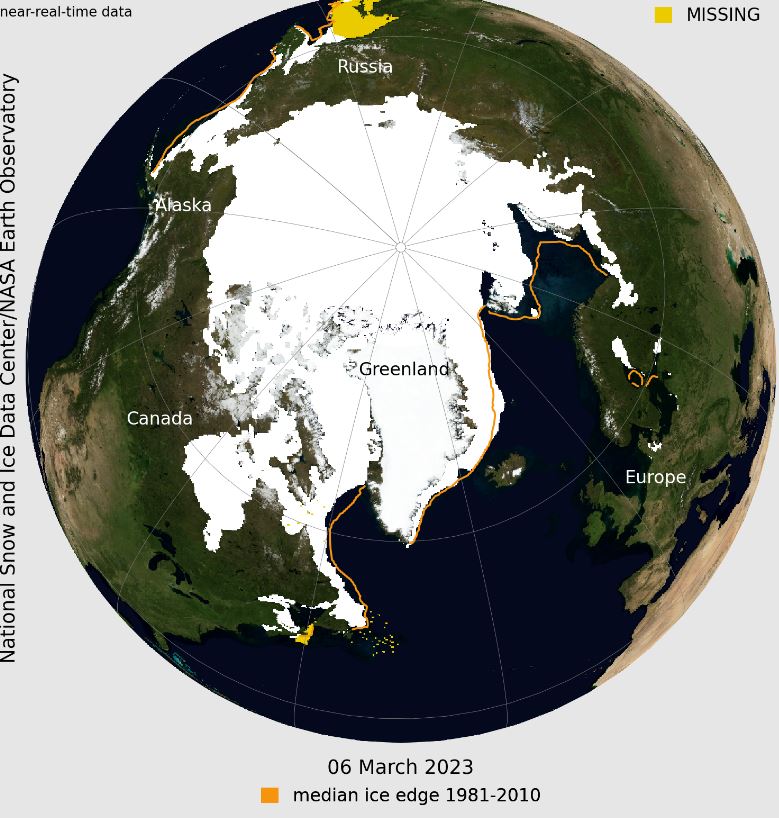
Rising atmospheric temperatures increase heat fluxes to ice surfaces. In the Arctic, average summer temperatures have risen about 2 °C since the 1970s (National Snow and Ice Data Center, 2023), pushing sea‑ice extent below the long‑term average.
2. Albedo Feedback
Ice reflects roughly 60–90 % of incoming solar radiation, whereas open water reflects less than 10 %. When ice disappears, more solar energy is absorbed, further warming the ocean and atmosphere—a positive feedback loop confirmed by multiple climate‑model intercomparison studies (IPCC, 2021).
3. Ocean Heat Uptake
Warmer oceans transport heat to polar margins through currents such as the Atlantic Meridional Overturning Circulation. This basal melting thins ice shelves from below, accelerating glacier discharge into the sea.
4. Glacier Dynamics
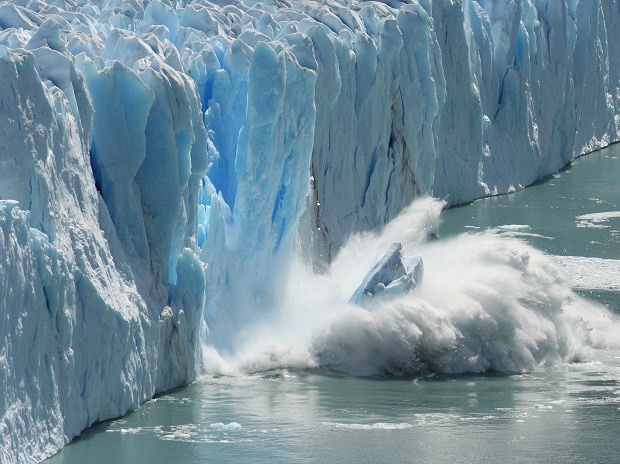
Glaciers lose mass through surface melt, calving of icebergs, and basal sliding. Warmer meltwater can lubricate the glacier bed, increasing flow speed. Satellite gravimetry (GRACE) shows that the Greenland Ice Sheet lost an average of 279 Gt yr⁻¹ between 2003 and 2019.
What Does the Evidence Show?
Long‑term satellite records indicate that Arctic sea‑ice extent in September has declined by about 13 % per decade since 1979 (NSIDC, 2023). The Antarctic sea‑ice trend is more variable, with a modest overall increase until 2014 followed by a sharp decline of 2.5 % per decade (IPCC, 2021). Glacier inventories reveal that the world’s glaciers lost roughly 0.6 m of sea‑level equivalent water per year between 2000 and 2019, accounting for roughly one‑third of the observed 3.3 mm yr⁻¹ global sea‑level rise (IPCC, 2021).
Attribution studies using climate models attribute more than 95 % of the observed Arctic sea‑ice loss to human‑induced greenhouse‑gas forcing (IPCC, 2021). Independent ice‑core and sediment records confirm that current melt rates far exceed natural variability over the past several thousand years.
Main Causes or Drivers
Direct Human Drivers
- Increased concentrations of carbon dioxide, methane, and nitrous oxide from fossil‑fuel combustion, agriculture, and industry.
- Black carbon deposition on snow and ice, which reduces albedo and speeds melt.
Amplifying Natural Factors
- Arctic amplification: the polar regions warm faster than the global average due to feedbacks.
- Variability in oceanic circulation that can temporarily enhance heat delivery to ice margins.
Environmental and Human Impacts
Environmental Impacts
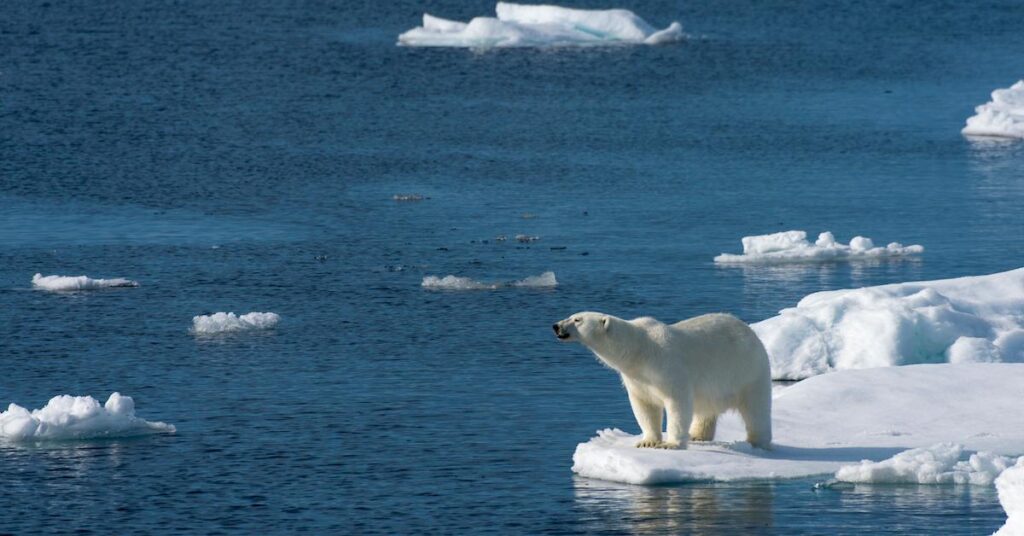
Reduced albedo accelerates regional warming, altering precipitation patterns and expanding the permafrost zone. Freshwater input lowers surface salinity, which can weaken thermohaline circulation and shift marine species distributions. Loss of ice habitats threatens polar bears, seals, and krill‑dependent food webs.
Human Health and Social Impacts
Coastal communities face higher flood risk; the Intergovernmental Panel on Climate Change projects that sea‑level rise could affect 280 million people by 2100 under high‑emission scenarios. In the Himalayas, glacier retreat reduces dry‑season river flow, jeopardizing drinking‑water supplies for over 500 million people.
Economic and Infrastructure Impacts
Increased flooding can damage ports, roads, and energy infrastructure, leading to economic losses estimated at $1 trillion per degree Celsius of warming (World Bank, 2022). Fisheries that rely on cold, nutrient‑rich waters may experience declining catches, affecting food security and livelihoods.
Regional Differences
Arctic regions experience the most rapid sea‑ice loss, with summer extent now roughly 40 % lower than in the 1980s. The Greenland Ice Sheet contributes about 0.7 mm yr⁻¹ to sea‑level rise, whereas Antarctic ice loss is dominated by the West Antarctic Ice Sheet, adding roughly 0.2 mm yr⁻¹. Mountain glaciers in the Andes, East Africa, and the Himalaya are shrinking, affecting local water resources, while tropical glaciers on volcanoes such as Kilimanjaro have largely disappeared, illustrating the worldwide reach of the phenomenon.
What Scientists Know With High Confidence
- Global temperatures have risen by about 1.1 °C since pre‑industrial levels (IPCC, 2021).
- Anthropogenic greenhouse‑gas emissions are the primary driver of recent warming.
- Arctic sea‑ice extent is decreasing at a rate of roughly 13 % per decade.
- Glacial melt contributes a measurable portion of observed sea‑level rise.
- Albedo feedbacks amplify warming in polar regions.
What Remains Uncertain
Key uncertainties involve the timing and magnitude of future ice‑sheet dynamical responses, especially for the West Antarctic Ice Sheet, where basal processes are difficult to observe directly. The extent to which meltwater will disrupt the Atlantic Meridional Overturning Circulation remains an active research area. Improved satellite gravimetry and ice‑penetrating radar are expected to reduce these uncertainties over the next decade.
Common Misconceptions
Misconception: Sea‑ice melt directly raises sea level.
Reality: Sea‑ice is already floating, so its melt does not add water to the ocean. The concern is the loss of reflective surface and the indirect effects on ocean circulation.
Misconception: Glacial melt is a natural cycle and not linked to humans.
Reality: While glaciers have receded in past warm periods, the rapid acceleration observed since the mid‑20th century aligns closely with the rise in anthropogenic greenhouse gases, as shown by attribution studies.
Misconception: Reducing personal carbon footprints will stop ice melt.
Reality: Individual actions are valuable but insufficient alone; systemic reduction of emissions through policy and technology is required to curb the primary driver of melt.
Solutions and Limitations
Mitigation strategies focus on rapid decarbonisation: transitioning to renewable electricity, improving energy efficiency, and limiting methane emissions. These actions can slow temperature rise, thereby reducing future melt rates, but the inertia of the climate system means some additional melt is inevitable.
Adaptation measures include coastal‑zone planning (elevated infrastructure, managed retreat), water‑resource management in glacier‑fed basins (reservoirs, efficient irrigation), and protecting marine habitats through marine‑protected areas. Such measures can reduce vulnerability but do not address the root cause.
Conservation of existing ice through geoengineering concepts (e.g., marine cloud brightening) remains speculative, with uncertain side‑effects and no proven large‑scale efficacy. Therefore, the primary focus remains on emissions reduction combined with resilient planning.
What Individuals, Communities, and Governments Can Do
What Individuals Can Do
- Support policies that price carbon and fund renewable‑energy projects.
- Reduce personal energy consumption (e.g., home insulation, efficient appliances).
- Advocate for climate‑resilient water management in local watersheds.
What Communities and Organizations Can Do
- Develop and enforce climate‑adaptive zoning that limits development in high‑risk flood zones.
- Invest in early‑warning systems for glacial lake outburst floods.
- Promote sustainable tourism that minimizes ice‑impact footprints.
What Governments Can Do
- Implement and strengthen Nationally Determined Contributions under the Paris Agreement.
- Fund long‑term monitoring networks (satellite, in‑situ) for ice mass balance.
- Provide financial assistance for relocation of communities at imminent sea‑level risk.
Synthesis
The melting of sea ice and glaciers is a clear indicator of a warming planet, driven chiefly by human greenhouse‑gas emissions. Robust observations and model assessments confirm that melt amplifies warming, raises sea level, and reshapes ecosystems worldwide. While uncertainties remain regarding the precise response of the largest ice sheets, the overarching risk is well understood. Effective action requires rapid mitigation to curb emissions, coupled with adaptation strategies that protect vulnerable societies and preserve the remaining cryosphere.
Frequently Asked Questions
What is the difference between sea‑ice melt and glacier melt?
Sea‑ice melt refers to the seasonal loss of frozen seawater that floats on the ocean surface, while glacier melt involves the thinning and retreat of land‑based ice masses. Only glacier melt adds water to the ocean and contributes to sea‑level rise.
How does the loss of sea ice affect global temperatures?
When sea ice disappears it exposes darker ocean water that absorbs more solar radiation, a process known as the albedo effect. This increased absorption accelerates regional warming and creates a feedback loop that raises global temperatures.
Why does melting ice threaten water supplies for people?
Many regions depend on meltwater from glaciers for drinking, irrigation and hydro‑electric power, especially during dry seasons. As glaciers shrink, the timing and volume of runoff decline, creating water‑security challenges for millions of people.
What is the projected contribution of glacier melt to sea‑level rise by 2100?
The IPCC Sixth Assessment Report (2021) projects that glaciers will add roughly 0.3 to 0.5 mm per year to global sea level under high‑emission scenarios, amounting to about 3–5 cm of additional rise by the end of the century.
What actions can governments take to address ice melt?
Governments can set ambitious emissions‑reduction targets, invest in satellite and ground monitoring of ice mass, fund coastal‑adaptation projects, and support research and financing for resilient water‑management practices in glacial‑dependent communities.





Leave a Comment