
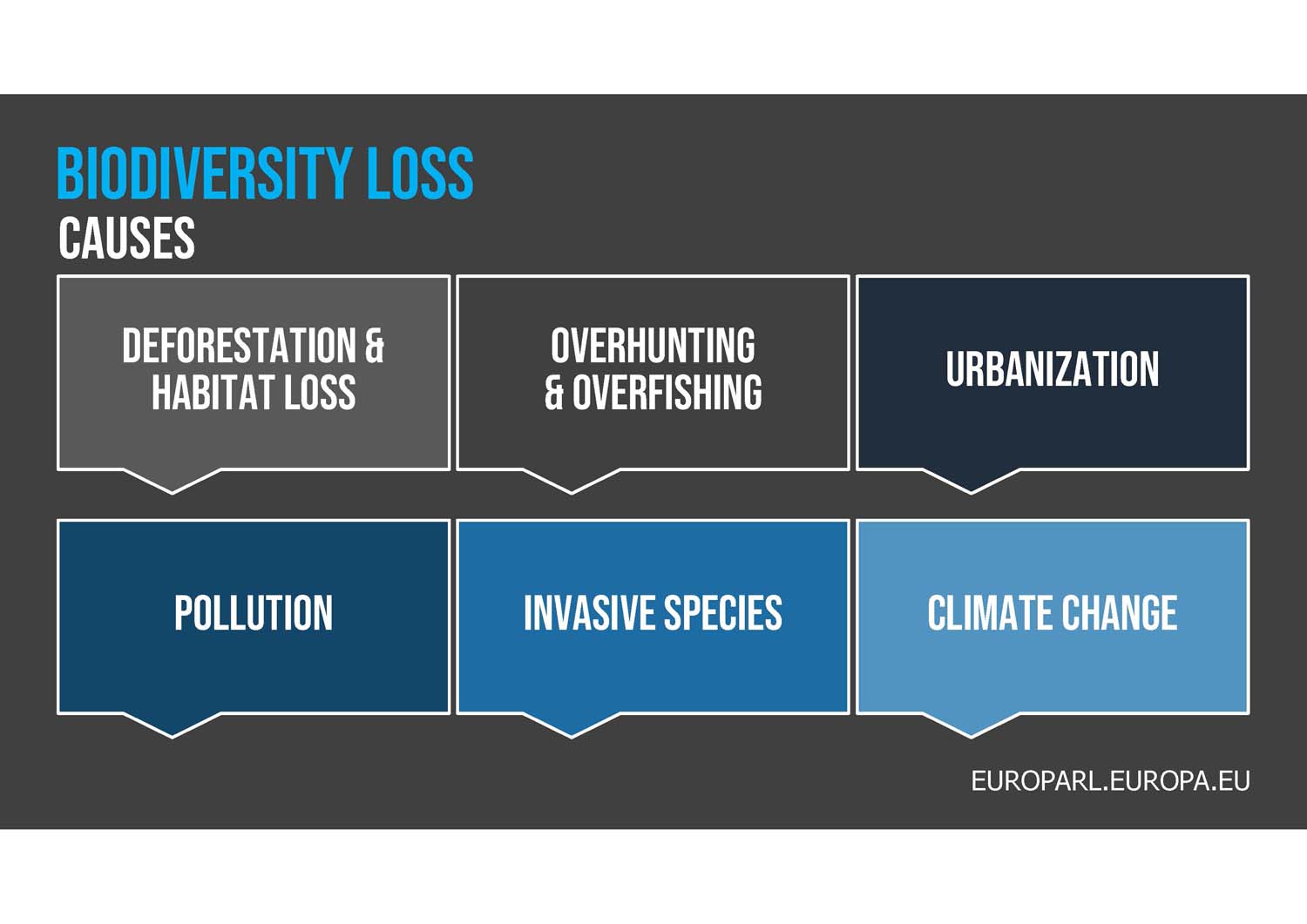
Low biodiversity worldwide is primarily driven by habitat loss and degradation, a process amplified by land‑use change, climate change, invasive species, and pollution, all of which are documented in major scientific assessments.
Quick Answer
Biodiversity loss is most directly caused by the destruction and fragmentation of natural habitats, especially forests, wetlands, and coral reefs. Human activities such as urban expansion, intensive agriculture, and logging remove the physical space species need to survive, while climate change, invasive species, and pollution intensify the stress on remaining ecosystems. Scientists are confident that habitat loss is the leading driver, but uncertainties remain about the relative importance of secondary pressures in different regions.
Key Takeaways
- Habitat loss accounts for roughly 80% of recent global species declines, according to the IPBES Global Assessment (2019).
- Land‑use change, especially conversion to agriculture and urban areas, is the primary mechanism of habitat loss.
- Climate change, invasive species, and pollution act as amplifying factors that worsen biodiversity loss.
- Impacts are uneven: tropical regions and low‑income communities experience the greatest exposure.
- Effective solutions combine habitat protection, sustainable land management, and targeted mitigation of secondary drivers.
What Is the Main Cause of Low Biodiversity?
The phrase “low biodiversity” refers to a reduced variety of species, genetic variation, and ecosystem types within a given area. It is measured using metrics such as species richness, abundance, and functional diversity. While many stressors affect biodiversity, the scientific consensus identifies habitat loss and degradation as the principal cause because it directly eliminates the living space required for species to maintain viable populations.
How Does It Work?
1. Land‑Use Change Removes Habitat
When forests are cleared for soy, palm oil, or cattle, the structural complexity that supports insects, birds, mammals, and microorganisms disappears. Urban sprawl replaces permeable soils with concrete, fragmenting habitats into isolated patches that limit gene flow.
2. Fragmentation Reduces Viability
Smaller, disconnected patches support fewer individuals, increasing extinction risk through demographic stochasticity and inbreeding depression. Edge effects—changes in light, temperature, and predation at habitat boundaries—further degrade interior conditions.
3. Climate Change Alters Suitability
Rising temperatures and shifting precipitation patterns move climatic niches poleward or upward. Species that cannot disperse fast enough face “climatic debt,” leading to local extinctions that compound habitat loss.
4. Invasive Species Outcompete Natives
Non‑native plants, animals, and pathogens exploit disturbed habitats, often outcompeting or preying on endemic species. For example, the introduction of the brown tree snake to Guam caused the loss of most native bird species.
5. Pollution Degrades Habitat Quality
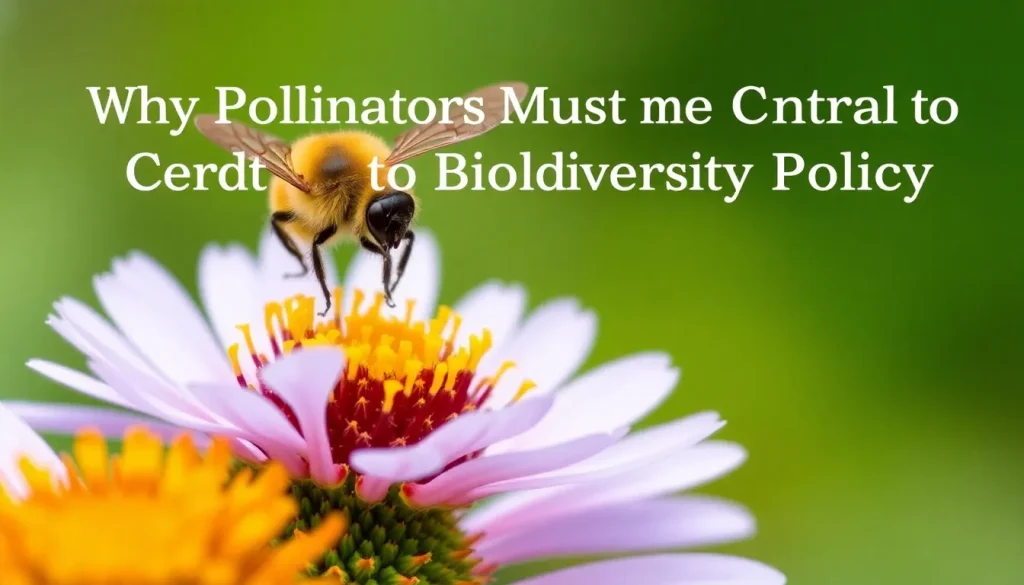
Excess nutrients cause algal blooms that create dead zones in coastal waters, while pesticides reduce pollinator populations, weakening plant reproduction and the food web that depends on it.
What Does the Evidence Show?
Long‑term monitoring by the Intergovernmental Science‑Policy Platform on Biodiversity and Ecosystem Services (IPBES) shows that 75% of assessed species are threatened, with habitat loss identified as the dominant driver in 94% of terrestrial cases. A systematic review of 1,700 field studies (published in *Science* 2020) found that conversion of natural land to agriculture reduced species richness by an average of 30% across biomes. Satellite‑derived forest loss maps (FAO, 2020) indicate that the world lost about 10 million ha of forest each year from 2015‑2020, directly correlating with declines in forest‑dependent taxa.
Main Causes or Drivers
Direct Causes
- Habitat destruction through deforestation, wetland drainage, and coastal reclamation.
- Habitat fragmentation caused by road networks and urban sprawl.
Underlying Drivers
- Global demand for agricultural commodities and timber.
- Population growth and urbanization trends.
- Economic incentives that favor short‑term land conversion over conservation.
Amplifying Factors
- Climate change accelerating range shifts and increasing disturbance frequency.
- Invasive species exploiting disturbed sites.
- Pollution degrading water and soil quality.
Environmental and Human Impacts
Environmental Impacts
Loss of habitat reduces ecosystem services such as pollination, carbon sequestration, and water regulation. Coral reef degradation, for instance, diminishes fisheries that support millions of people and erodes natural coastal protection.
Human Health and Social Impacts
Reduced pollinator diversity lowers crop yields, threatening food security especially in low‑income regions. Diminished wetland functions increase flood risk, disproportionately affecting vulnerable communities. Moreover, cultural identities tied to specific species or landscapes suffer when biodiversity declines.
Economic and Infrastructure Impacts
Forests provide timber, non‑timber forest products, and tourism revenue; their loss translates into billions of dollars of economic loss annually, as estimated by the World Bank (2021).
Regional Differences
In tropical regions such as the Amazon and Southeast Asia, rapid agricultural expansion drives the highest rates of forest loss, leading to steep declines in amphibian and bird diversity. In contrast, temperate regions experience more fragmentation than outright loss, with edge effects influencing species composition. Island ecosystems, exemplified by the Hawaiian archipelago, are especially sensitive to invasive species and climate‑induced sea‑level rise.
What Scientists Know With High Confidence
- Habitat loss and fragmentation are the primary drivers of global species declines.
- Land‑use change accounts for the majority of biodiversity loss in terrestrial ecosystems.
- Climate change, invasive species, and pollution exacerbate the effects of habitat loss.
- Conservation of intact habitats yields the greatest biodiversity benefits per unit cost.
What Remains Uncertain
Uncertainties include the precise thresholds at which habitat fragmentation leads to irreversible species loss, the synergistic effects of multiple stressors in specific ecosystems, and the capacity of species to adapt genetically to rapid climate change. Improved long‑term monitoring and integrated modelling are needed to narrow these gaps.
Common Misconceptions
Misconception: Biodiversity loss is caused mainly by climate change.
Reality: Climate change is a significant stressor, but habitat loss directly removes the physical space species need and is responsible for the majority of documented declines.
Misconception: Invasive species are the sole cause of low biodiversity on islands.
Reality: While invasive species are a major threat, habitat destruction from development and tourism also critically reduces native populations.
Misconception: Protecting a single charismatic species will save entire ecosystems.
Reality: Species‑specific protection can be beneficial, but ecosystem‑wide habitat preservation is required to maintain the complex interactions that support overall biodiversity.
Solutions and Limitations
Effective responses combine prevention, mitigation, and restoration:
- Protected area expansion—creates refuges but may face enforcement challenges and can displace local livelihoods if not inclusive.
- Sustainable land‑use practices—agroforestry and reduced‑till farming preserve habitat structure, yet adoption depends on market incentives and farmer knowledge.
- Restoration of degraded ecosystems—reforestation and wetland rehabilitation improve habitat connectivity, but restored areas often lack the full functional diversity of primary forests for decades.
- Invasive species management—early detection and rapid response limit spread, but eradication can be costly and technically difficult on large scales.
- Pollution control—regulating nutrient runoff and pesticide use benefits water quality, yet requires coordinated policy across agricultural and industrial sectors.
What Individuals, Communities, and Governments Can Do
What Individuals Can Do
- Support certified sustainable products (e.g., FSC timber, RSPO palm oil) to reduce demand for habitat‑destructive commodities.
- Reduce food waste, which lessens pressure on agricultural expansion.
- Participate in citizen‑science monitoring programs that help track local biodiversity trends.
What Communities and Organizations Can Do
- Develop community‑based forest management plans that balance livelihoods with conservation.
- Implement local invasive‑species removal projects and habitat restoration initiatives.
- Advocate for green infrastructure that preserves natural corridors within urban planning.
What Governments Can Do
- Set and enforce legally binding targets for habitat protection, such as conserving at least 30% of terrestrial and marine areas by 2030.
- Provide subsidies or tax incentives for farmers adopting biodiversity‑friendly practices.
- Invest in monitoring networks (e.g., Global Biodiversity Information Facility) to improve data availability.
- Integrate biodiversity considerations into climate‑adaptation and development policies.
Closing Synthesis
The dominant cause of low biodiversity is the loss and fragmentation of natural habitats driven by human land‑use change. This primary pressure is amplified by climate change, invasive species, and pollution, producing widespread ecological and social consequences. High‑confidence research underscores the urgency of protecting intact ecosystems while restoring degraded ones. Although uncertainties remain regarding interaction thresholds and adaptive capacities, the evidence‑based pathway forward is clear: prioritize habitat conservation, adopt sustainable land‑use practices, and address secondary stressors through coordinated policy and community action.
Frequently Asked Questions
What is the primary cause of low biodiversity worldwide?
The primary cause of low biodiversity is habitat loss and fragmentation, mainly from land‑use changes such as deforestation, urban expansion, and agriculture, which directly remove the space species need to survive.
How does climate change influence biodiversity loss?
Climate change shifts temperature and precipitation patterns, moving species’ suitable habitats faster than many can disperse. This adds stress to already reduced habitats, increasing extinction risk, especially when combined with habitat loss.
Why are invasive species a problem for native biodiversity?
Invasive species often thrive in disturbed environments, outcompeting or preying on native organisms that lack defenses. Their spread can dramatically reduce native species richness, as seen on islands like Guam.
What are effective actions governments can take to protect biodiversity?
Governments can set legally binding habitat protection targets, provide incentives for sustainable agriculture, fund restoration projects, and strengthen monitoring systems to track biodiversity trends.
Can individuals help reduce biodiversity loss?
Yes. Individuals can choose sustainably sourced products, reduce food waste, and join citizen‑science programs that contribute valuable data for monitoring species and habitats.





Leave a Comment