
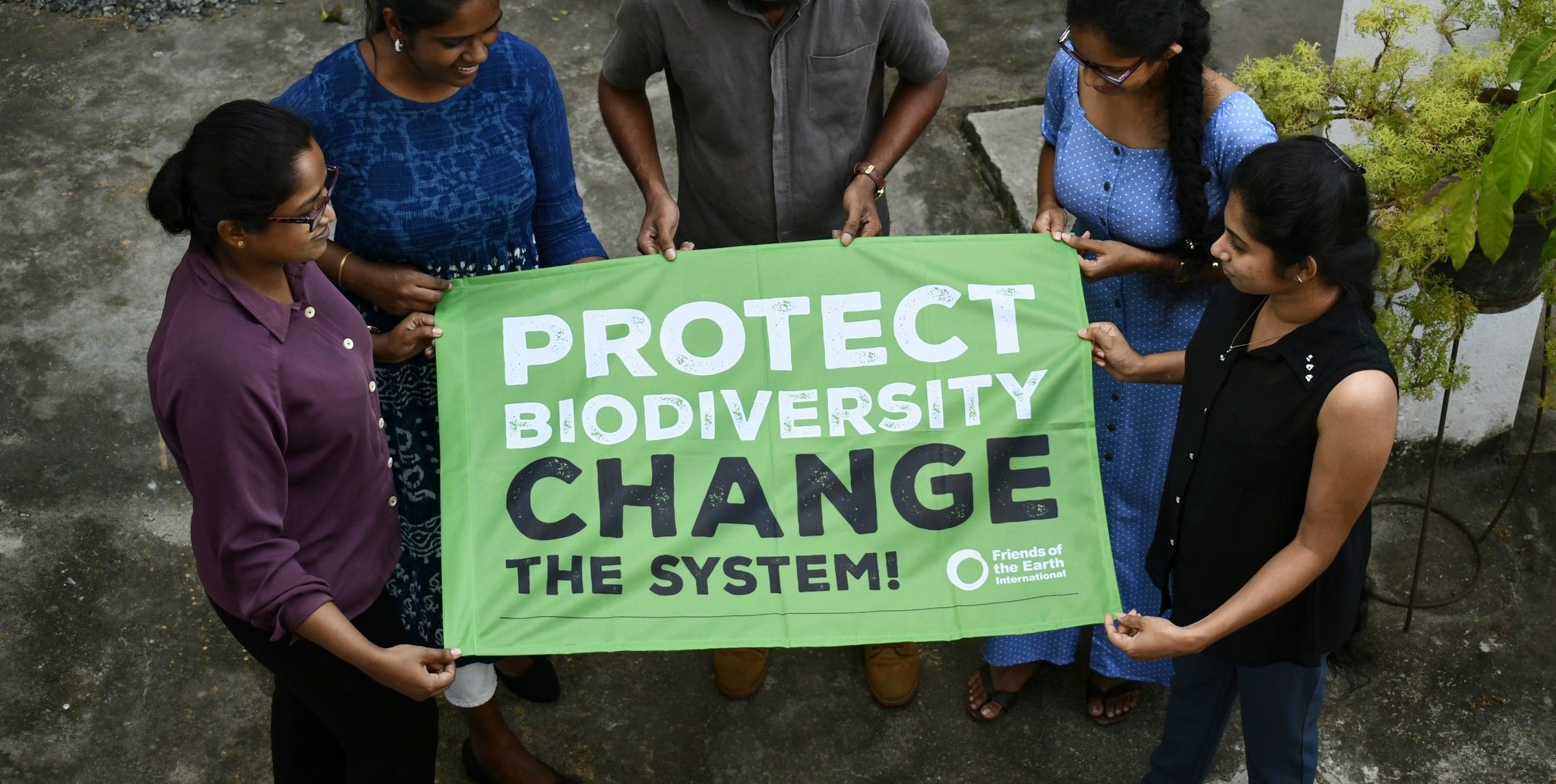
Protecting biodiversity requires immediate, evidence‑based actions that individuals, communities, and governments can adopt now to preserve ecosystems, species, and the services they provide.
Quick Answer
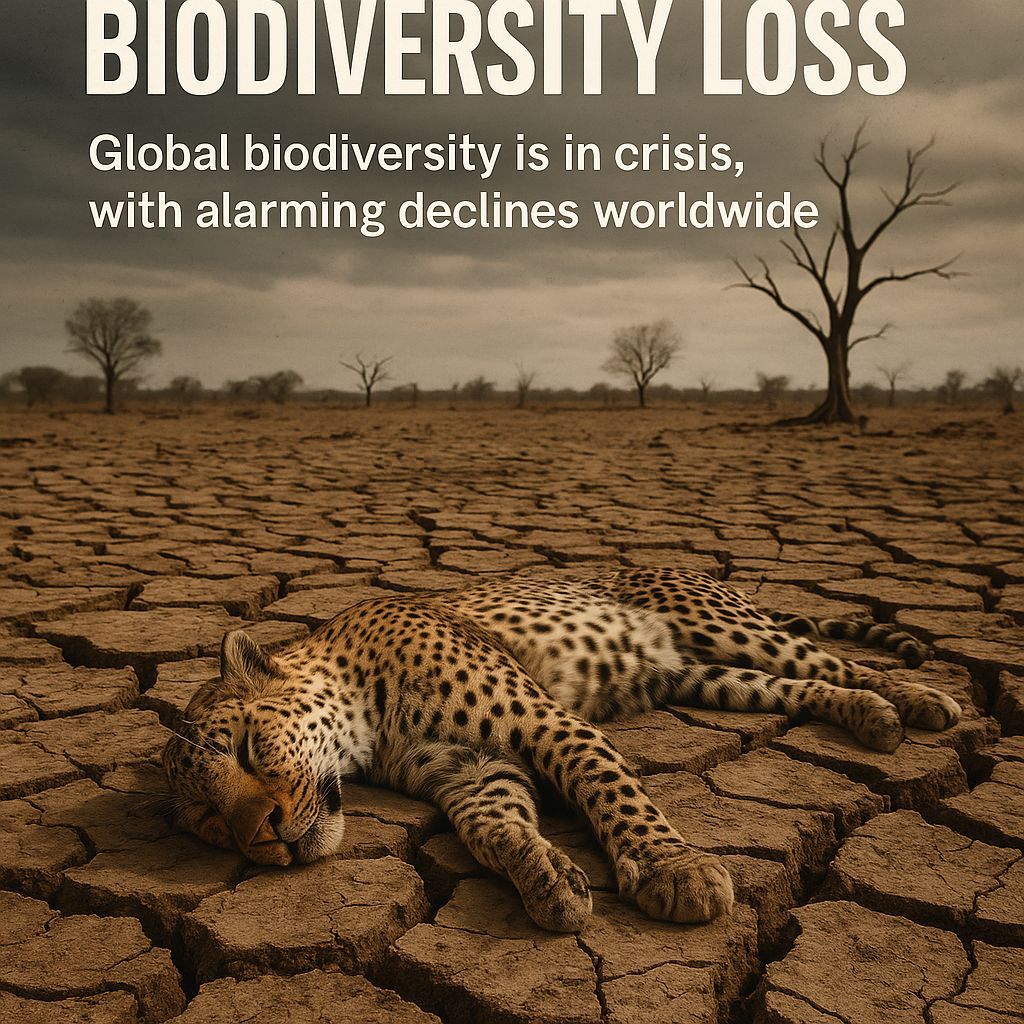
Biodiversity is the variety of life at genetic, species, and ecosystem levels, and it underpins food, water, climate regulation, and cultural values. Scientific assessments, such as the IPBES Global Assessment 2019, show that about one million species face elevated extinction risk because of habitat loss, overexploitation, pollution, invasive species, and climate change. Immediate steps—ranging from sustainable consumption and waste reduction to supporting protected‑area networks and citizen‑science monitoring—can lower pressures on habitats and help species recover. While individual actions alone cannot reverse systemic drivers, coordinated efforts across scales can meaningfully reduce biodiversity loss, though uncertainties remain about the speed of ecosystem recovery.
Key Takeaways
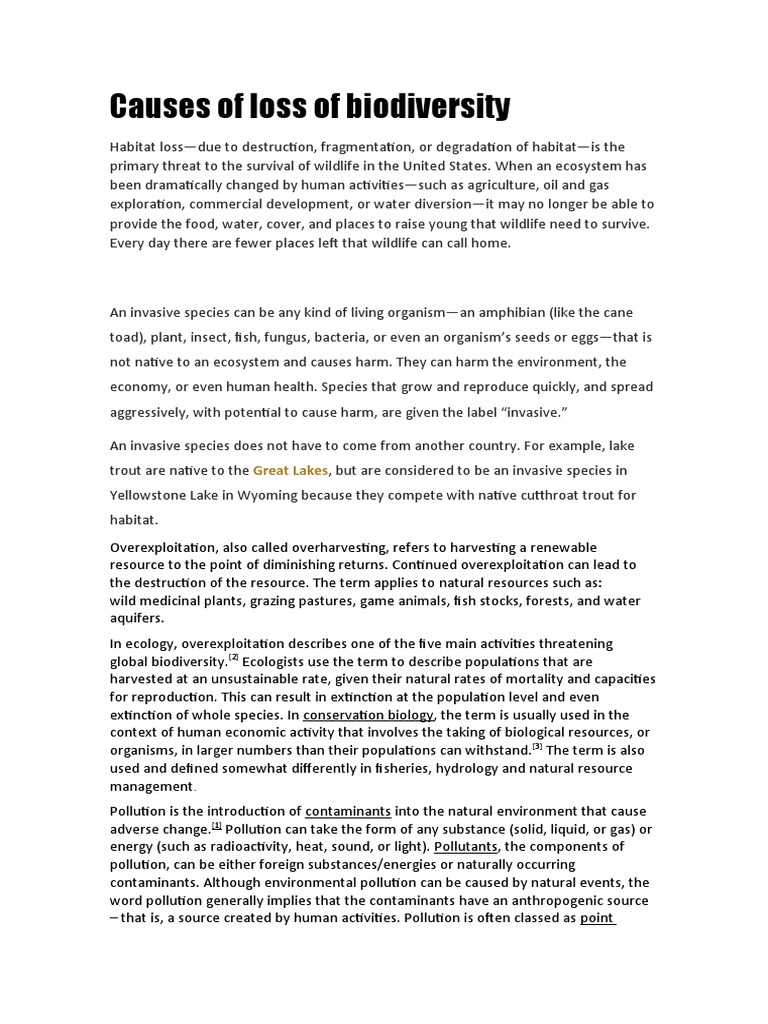
- Habitat loss, overexploitation, and climate change are the primary drivers of the current biodiversity crisis.
- Evidence from long‑term monitoring shows that protected areas and native‑plant restoration can increase species abundance.
- Consumer choices, waste reduction, and support for conservation NGOs have measurable, though modest, impacts.
- Policy advocacy, citizen science, and community‑led habitat restoration amplify individual efforts.
- Uncertainties persist around the exact thresholds for ecosystem recovery and the long‑term effects of climate change on species distributions.
What Is Practical Steps We Can Take Right Now to Protect Biodiversity?
The phrase refers to concrete, evidence‑backed actions that can be implemented today without waiting for large‑scale policy shifts. These actions span personal behavior (e.g., buying sustainably sourced food), community initiatives (e.g., native‑plant gardens), and governmental measures (e.g., expanding protected‑area networks). The scope includes terrestrial, freshwater, and marine ecosystems, and it differs from broader concepts like “sustainability” by focusing specifically on actions that directly reduce pressures on biological diversity.
How Does It Work?
1. Reduce Direct Habitat Pressure
Choosing products that avoid deforestation—such as certified timber, palm‑oil‑free foods, and low‑impact fisheries—decreases demand for land conversion. This reduces the loss of breeding and foraging habitats, which is a leading cause of species decline (IPBES, 2019).
2. Lower Pollution and Waste
Recycling, composting, and minimizing single‑use plastics prevent habitat contamination and reduce extraction of raw materials. Soil and water quality improvements support invertebrate and amphibian populations that are sensitive to chemical runoff.
3. Enhance Habitat Quality
Planting native species restores ecological functions by providing food and shelter for pollinators, birds, and soil microbes. Native vegetation also improves water infiltration and reduces invasive‑species spread.
4. Support Conservation Governance
Financial contributions, volunteer time, or advocacy for protected‑area legislation increase resources for monitoring, enforcement, and habitat restoration, thereby strengthening the effectiveness of biodiversity policies.
5. Generate Data Through Citizen Science
Participating in projects such as eBird or iNaturalist creates large datasets that researchers use to track species trends, identify emerging threats, and guide management actions.
What Does the Evidence Show?
Multiple lines of evidence converge on the effectiveness of the actions above. Long‑term studies in Europe show that protected‑area coverage above 17 % of land area, a target of the Convention on Biological Diversity, correlates with higher species richness (European Environment Agency, 2022). Meta‑analyses of restoration projects indicate that native‑plant gardens can increase pollinator abundance by 30–50 % compared with lawns (Kremen et al., 2020). Waste‑reduction programs in coastal cities have been linked to measurable declines in marine plastic ingestion by sea turtles (NOAA, 2021). Citizen‑science datasets have identified range expansions of several bird species, informing adaptive management (BirdLife International, 2023). While the magnitude of impact varies, the collective evidence supports these actions as beneficial for biodiversity.
Main Causes or Drivers
Direct Causes
- Habitat destruction from agriculture, urban expansion, and logging.
- Unsustainable harvest of wildlife and fish stocks.
- Pollution from pesticides, plastics, and heavy metals.
- Invasive species outcompeting native flora and fauna.
- Climate‑induced shifts in temperature and precipitation patterns.
Underlying Drivers
- Global demand for commodities linked to deforestation (e.g., soy, beef).
- Economic incentives that favor short‑term extraction over long‑term stewardship.
- Weak governance and insufficient enforcement of environmental regulations.
- Population growth and consumption patterns in high‑income regions.
Environmental and Human Impacts
Environmental Impacts
Loss of pollinator species reduces crop yields, threatening food security. Declines in forest‑dependent mammals diminish seed‑dispersal services, affecting forest regeneration. Coral‑reef degradation lowers coastal protection, increasing erosion risk. Overall, ecosystem‑service valuation studies estimate that biodiversity loss could cost up to 2 % of global GDP annually by 2050 (World Bank, 2020).
Human Health and Social Impacts
Reduced biodiversity can increase disease transmission, as diverse ecosystems often dilute pathogen vectors (Keesing et al., 2010). Indigenous and rural communities that rely on wild foods and medicines experience cultural and nutritional losses when local species disappear.
Regional Differences
In tropical regions such as the Amazon basin, habitat loss from soy and cattle expansion drives the highest rates of deforestation, accounting for roughly 70 % of forest loss between 2000 and 2020 (FAO, 2022). In temperate Europe, agricultural intensification and pesticide use are the main pressures on pollinators. In marine environments, overfishing is most acute in the Indo‑Pacific, while plastic pollution dominates in the North Pacific gyre. These patterns illustrate that while the drivers are globally shared, their relative importance varies with local economies, governance, and ecosystem types.
What Scientists Know With High Confidence
- Habitat loss is the single largest driver of species extinction worldwide.
- Protected areas and native‑plant restoration improve local biodiversity when properly managed.
- Overexploitation of fisheries and wildlife has caused measurable population declines across taxonomic groups.
- Climate change is already shifting species ranges, especially for marine and alpine organisms.
- Citizen‑science data are scientifically valuable for monitoring trends and informing policy.
What Remains Uncertain
Key knowledge gaps include the exact thresholds at which ecosystem functions collapse under combined stressors, the long‑term effectiveness of newly established protected areas in the face of climate change, and the socioeconomic trade‑offs of large‑scale land‑use transitions. Additionally, the degree to which restored habitats can fully replace the ecological complexity of primary ecosystems remains under active research.
Common Misconceptions
Misconception: Individual consumer choices have no impact on biodiversity.
Reality: While systemic change is essential, aggregated consumer demand shapes market incentives. Choosing certified sustainable products has been shown to reduce deforestation pressure in supply chains (World Wildlife Fund, 2021).
Misconception: All recycling is equally beneficial for wildlife.
Reality: Recycling reduces raw‑material extraction, but the energy intensity of some recycling processes can offset benefits. Prioritizing reduction and reuse yields the greatest biodiversity gains.
Misconception: Protected areas alone can stop species loss.
Reality: Protected areas are effective when coupled with surrounding land‑use planning, enforcement, and climate‑adaptation measures. Isolated reserves may become ecological islands.
Solutions and Limitations
Effective responses combine prevention, mitigation, and restoration. Sustainable agriculture mitigates habitat loss but may require yield reductions or higher costs, potentially affecting food security in low‑income regions. Marine protected areas protect fish stocks, yet enforcement challenges can limit outcomes. Native‑plant landscaping restores habitat but may be limited by land availability in dense urban settings. Policy instruments such as biodiversity offsets can generate funding for conservation, yet they risk greenwashing if offset quality is not rigorously evaluated.
What Individuals, Communities, and Governments Can Do
What Individuals Can Do
- Buy certified sustainable products (e.g., FSC timber, MSC seafood).
- Reduce meat consumption, especially beef, to lower land‑use pressure.
- Participate in citizen‑science projects like iNaturalist.
- Plant native species in gardens and support local seed banks.
- Advocate for stronger environmental policies through petitions or contacting representatives.
What Communities and Organizations Can Do
- Establish community‑managed reserves or wildlife corridors.
- Run education campaigns on pollinator-friendly gardening.
- Partner with NGOs to fund habitat restoration projects.
- Implement local waste‑reduction programs, such as zero‑plastic initiatives.
What Governments Can Do
- Expand and adequately fund protected‑area networks to meet the 30 % by 2030 target.
- Introduce subsidies for regenerative agriculture and penalize illegal logging.
- Mandate biodiversity impact assessments for major infrastructure projects.
- Support national citizen‑science platforms that feed data to biodiversity monitoring agencies.
- Integrate biodiversity considerations into climate‑adaptation planning.
Closing Synthesis
Protecting biodiversity today hinges on reducing habitat loss, pollution, and overexploitation while enhancing ecosystem resilience through restoration and sound governance. High‑confidence science confirms that protected areas, native‑plant restoration, and sustainable consumption yield measurable benefits, though uncertainties remain about recovery timelines under climate change. By aligning individual habits, community initiatives, and policy frameworks, society can create a coordinated front that slows species decline and preserves the ecosystem services essential for human well‑being.
Frequently Asked Questions
What is biodiversity and why is it important?
Biodiversity refers to the variety of life at genetic, species, and ecosystem levels. It supports food production, water purification, climate regulation, and cultural values, making it essential for human well‑being and planetary health.
Which actions have the strongest scientific support for protecting biodiversity?
Scientific assessments highlight protected‑area expansion, native‑plant restoration, sustainable consumption (e.g., certified timber and seafood), and waste reduction as actions that consistently improve species abundance and ecosystem health.
How does citizen science contribute to biodiversity conservation?
Citizen‑science platforms like eBird collect large‑scale observations that researchers use to track species trends, detect emerging threats, and inform management decisions, providing valuable data that would be impossible to gather otherwise.
What are the main drivers of biodiversity loss?
The primary drivers are habitat loss from agriculture and urbanization, overexploitation of wildlife and fisheries, pollution, invasive species, and climate change, each contributing to species declines worldwide.
Can individual lifestyle changes really make a difference?
Yes. Individual choices such as buying sustainably sourced products, reducing meat consumption, and supporting native‑plant gardens collectively shift market demand and reduce pressures on habitats, complementing larger policy and community actions.






Leave a Comment