
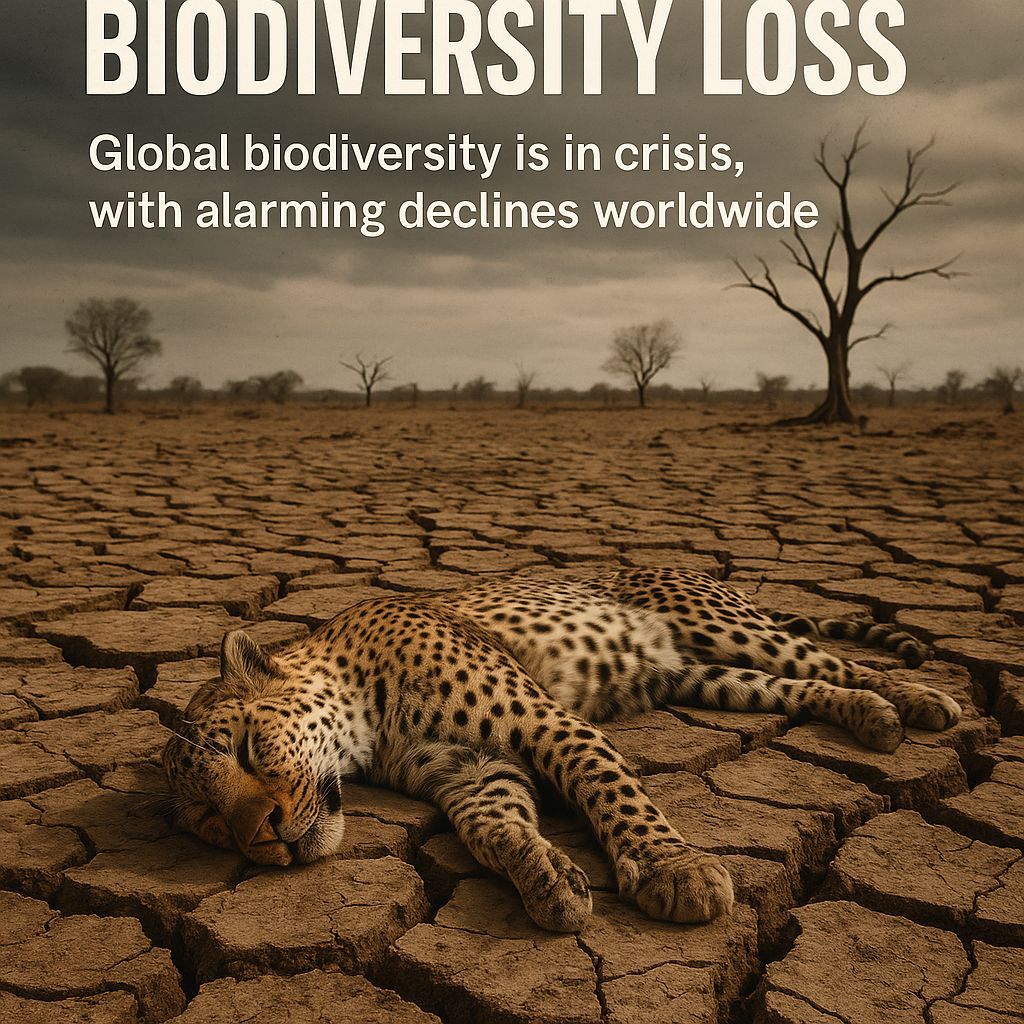
Local biodiversity declines when habitats are altered, climate conditions shift faster than species can adapt, invasive organisms outcompete natives, pollutants accumulate, and resources are harvested unsustainably.
Quick Answer
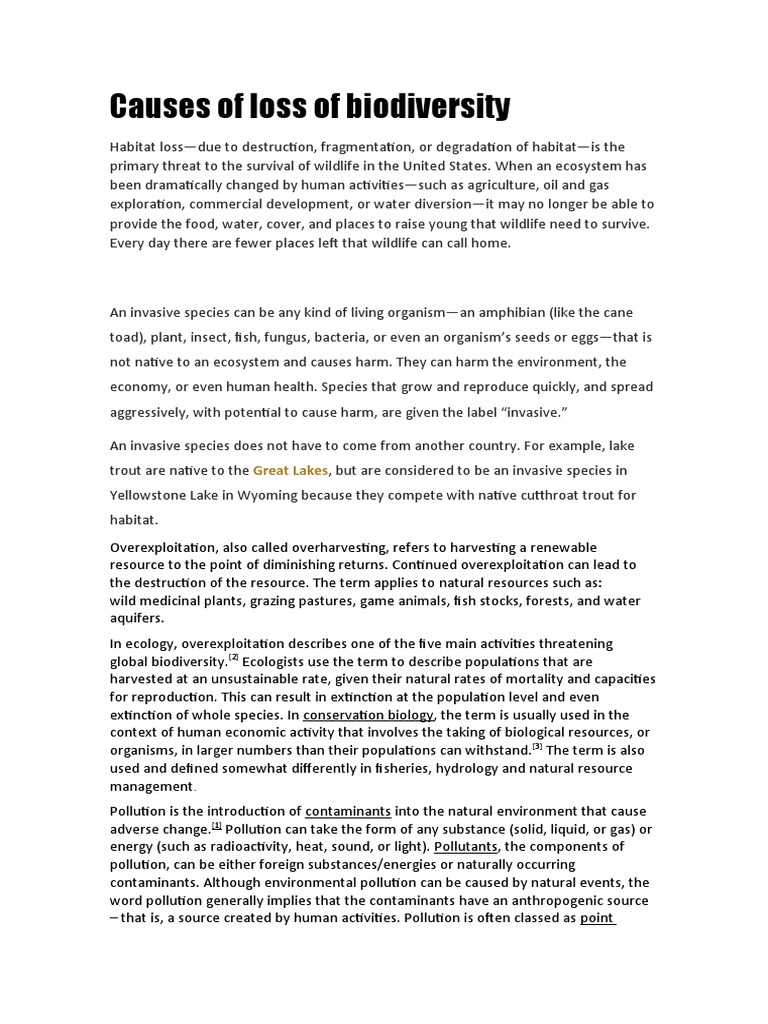
Biodiversity in a defined locality—such as a city, watershed, or county—declines primarily because natural habitats are destroyed or fragmented, climate change alters temperature and precipitation patterns, non‑native species spread unchecked, chemicals and plastics pollute soils and waters, and overharvesting removes individuals faster than populations can replace them. High‑confidence assessments (e.g., IPBES 2019, IUCN Red List) show these drivers act together, reducing ecosystem services and increasing vulnerability of human communities, although exact thresholds for many species remain uncertain.
Key Takeaways
- Habitat loss and fragmentation are the single largest cause of local species decline.
- Climate change intensifies existing stresses and creates timing mismatches across trophic levels.
- Invasive species often outcompete natives, reshaping food webs.
- Pollution and overexploitation add chemical and demographic pressures that further erode resilience.
- Effective responses combine protection, restoration, sustainable management, and community engagement.
What Is The Biggest Threats to Biodiversity in Your Local Area?
The phrase refers to the most significant pressures that reduce the number, variety, and ecological roles of species within a defined geographic unit—such as a municipality, river basin, or county. It includes direct actions (e.g., land clearing) and indirect forces (e.g., global climate trends) that together erode the “web of life” that sustains ecosystem functions like water purification, pollination, and flood regulation. Understanding these threats is essential because local biodiversity underpins food security, cultural values, and economic benefits for nearby human populations.
How Does It Work?
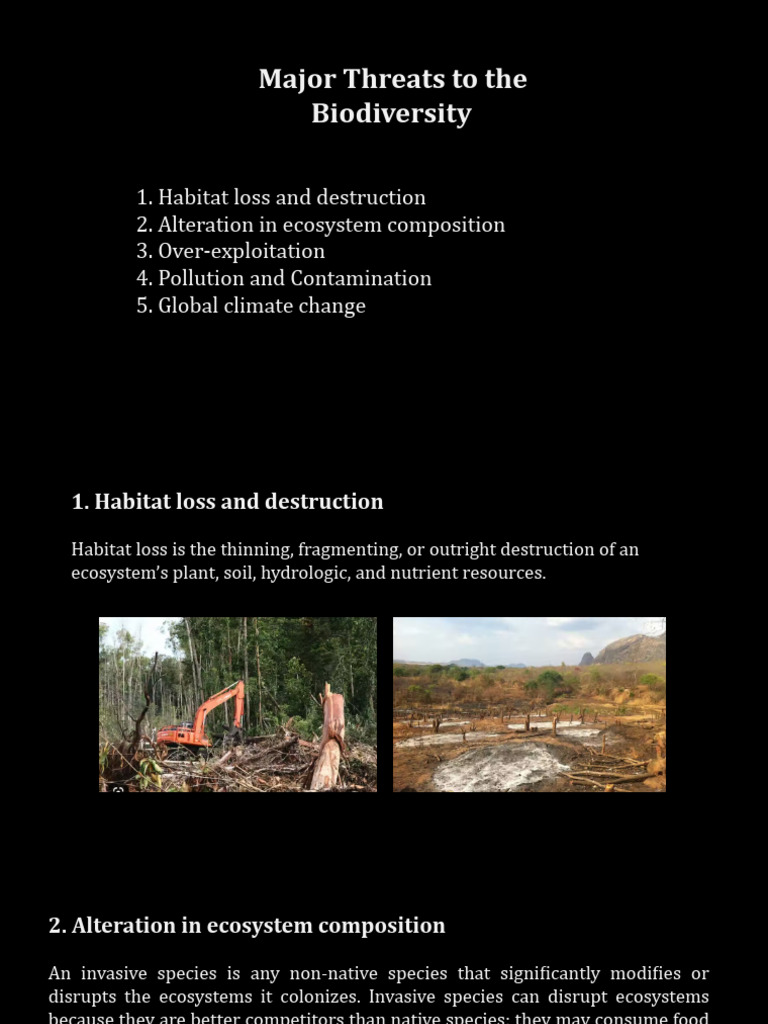
Habitat Loss and Fragmentation
When forests, wetlands, or grasslands are converted to housing, roads, or monoculture farms, the physical space and micro‑climates that species need disappear. Edge effects increase exposure to predators and invasive plants, while isolated patches limit gene flow, leading to inbreeding depression.
Climate Change
Rising temperatures and altered precipitation shift the climatic envelope of many organisms. Species that rely on precise timing—such as insects emerging when flowers bloom—experience phenological mismatches, reducing reproductive success and cascading through food webs.
Invasive Species
Non‑native organisms introduced intentionally (e.g., ornamental plants) or accidentally (e.g., ballast‑water transport) often lack natural predators. They can dominate vacant niches, consume native food resources, or modify habitat structure, making it unsuitable for indigenous species.
Pollution
Chemicals such as pesticides, heavy metals, and plastics enter soils and waterways. Bioaccumulation concentrates toxins up the food chain, affecting top predators and humans who consume fish or crops. Airborne pollutants can acidify soils, impairing plant growth.
Overexploitation
Unsustainable hunting, fishing, or harvesting removes individuals faster than populations can replace them. This not only reduces target species but also disrupts predator‑prey dynamics and services such as seed dispersal.
What Does the Evidence Show?
Long‑term monitoring by the United Nations Environment Programme and national biodiversity inventories indicates that, on average, local species richness has declined by roughly 20 % over the past four decades in temperate and tropical regions (IPBES 2019). Systematic reviews of field experiments confirm that habitat fragmentation reduces genetic diversity by up to 30 % in small‑mammal populations. Climate‑impact models project that by 2050 up to 40 % of current local plant communities could find their climatic niches unsuitable without assisted migration. Meta‑analyses of invasive‑species case studies reveal that native plant cover can drop by more than 50 % within a decade after invasion.
Main Causes or Drivers
Direct Causes
- Land‑use conversion for housing, industry, and intensive agriculture.
- Extraction of water, timber, and wildlife.
- Deliberate or accidental introduction of non‑native species.
- Release of industrial effluents, agricultural runoff, and plastic waste.
Underlying Drivers
- Population growth and urbanization increasing demand for land and resources.
- Globalized markets that incentivize monocultures and high‑yield farming.
- Insufficient climate‑policy implementation allowing continued greenhouse‑gas emissions.
- Limited funding for protected‑area management and ecological monitoring.
Environmental and Human Impacts
Environmental Impacts
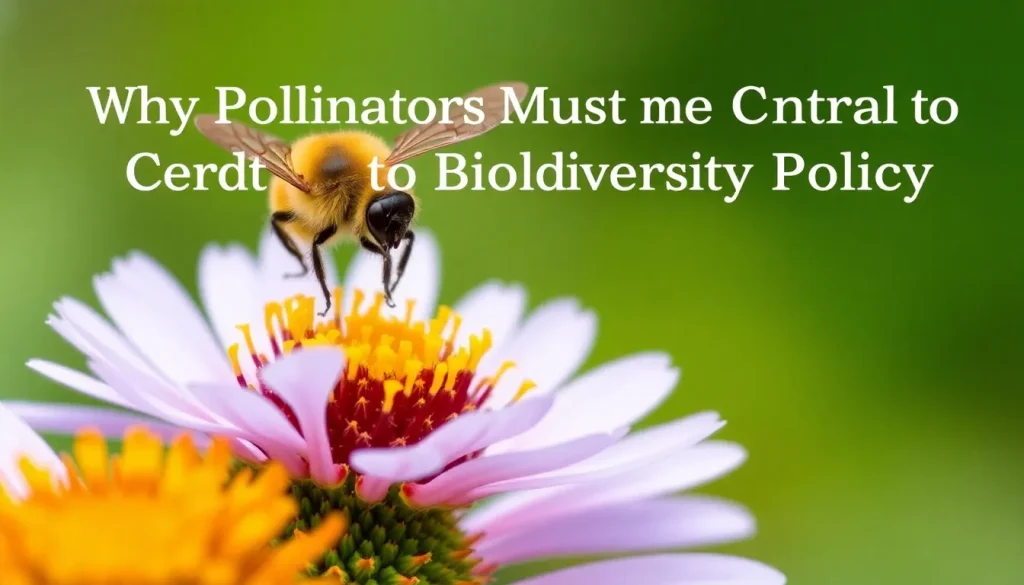
Loss of pollinator diversity reduces crop yields by an estimated 5–8 % globally (FAO 2020). Declines in predator species can trigger pest outbreaks, while reduced fish biodiversity compromises aquatic food webs. Wetland degradation diminishes natural flood buffers, raising downstream flood risk.
Human Health and Social Impacts
Pollutants that accumulate in fish—such as mercury—pose neurodevelopmental risks, especially for children. Diminished green spaces reduce the mental‑health benefits linked to nature exposure. Indigenous and rural communities that rely on local species for food, medicine, and cultural practices face livelihood insecurity.
Economic and Infrastructure Impacts
Restoring degraded habitats can cost up to $10 000 per hectare, yet avoided damages from flood control and water treatment often exceed these investments. Overexploitation of timber raises future replacement costs and eliminates carbon‑sequestration services.
Regional Differences
In temperate zones, suburban sprawl fragments habitats and is the leading local threat. Tropical regions experience rapid deforestation for commodity crops and illegal logging. Coastal communities confront sea‑level rise, saltwater intrusion, and marine invasives such as lionfish. Arid areas suffer primarily from overgrazing and water extraction, while mountainous regions are sensitive to climate‑induced range shifts.
What Scientists Know With High Confidence
- Habitat loss and fragmentation are the primary drivers of local species declines.
- Climate change is already altering phenology and species distributions.
- Invasive species are a leading cause of native biodiversity loss in many ecosystems.
- Pollution, especially plastic and nutrient runoff, directly harms terrestrial and aquatic organisms.
- Well‑funded, connected protected‑area networks improve species persistence.
What Remains Uncertain
Key knowledge gaps include the precise habitat‑fragmentation thresholds that trigger irreversible genetic loss, the long‑term effectiveness of assisted migration for climate‑vulnerable species, and the cumulative impact of multiple stressors acting simultaneously. Monitoring limitations in many low‑income regions make it difficult to quantify local extinction rates accurately, and future socioeconomic trajectories add further uncertainty to impact projections.
Common Misconceptions
Misconception: Biodiversity loss only matters for exotic or charismatic species.
Reality: Local species provide essential services such as pollination, pest control, and cultural values that directly affect human well‑being; their loss can degrade ecosystem functions that everyone relies on.
Misconception: Planting a few trees solves the problem.
Reality: Tree planting helps only when native species are used, sites are ecologically appropriate, and the effort is part of a broader habitat‑connectivity strategy.
Misconception: Climate change is a distant future issue for local wildlife.
Reality: Observed shifts in flowering times and bird migration routes over the past two decades demonstrate that climate impacts are already affecting local ecosystems.
Solutions and Limitations
Effective responses fall into several categories:
- Protection: Expanding and adequately funding protected areas preserves core habitats, but isolated reserves can become ecological islands without connectivity.
- Restoration: Re‑establishing native vegetation improves habitat quality; success depends on soil health, invasive‑species control, and long‑term maintenance.
- Sustainable Management: Practices such as agroforestry and integrated pest management reduce pesticide runoff and create habitat corridors, yet they may require higher labor inputs and market incentives.
- Invasive‑Species Control: Rapid‑response teams can eradicate early infestations, but eradication becomes cost‑prohibitive once populations are established.
- Pollution Reduction: Upgrading wastewater treatment lowers contaminant loads, but infrastructure costs can be prohibitive for low‑income municipalities.
- Policy Instruments: Biodiversity offsets can finance conservation, yet without rigorous monitoring they risk “green‑washing.”
Each strategy carries trade‑offs: land‑use restrictions may conflict with development goals; restoration projects require sustained funding; and policy mechanisms need strong enforcement to avoid unintended consequences.
What Individuals, Communities, and Governments Can Do
What Individuals Can Do
- Support native‑plant nurseries and use indigenous species in gardens.
- Reduce pesticide and fertilizer use; choose organic or low‑impact products.
- Participate in citizen‑science monitoring programs that track local species.
- Advocate for land‑use planning that preserves green corridors.
What Communities and Organizations Can Do
- Develop habitat‑restoration projects that connect fragmented patches.
- Establish rapid‑response teams for early detection of invasive species.
- Partner with schools and NGOs to educate residents about local biodiversity.
- Implement green‑infrastructure such as rain gardens and permeable pavements to reduce runoff.
What Governments Can Do
- Enforce and expand legally protected areas, ensuring they are ecologically representative and connected.
- Integrate biodiversity considerations into zoning, transportation, and climate‑adaptation plans.
- Provide financial incentives—such as subsidies for cover crops—to encourage biodiversity‑friendly agriculture.
- Invest in long‑term monitoring networks and open‑data platforms to track progress.
Closing Synthesis
The biggest threats to local biodiversity—habitat loss, climate change, invasive species, pollution, and overexploitation—are well documented and interlinked. High‑confidence science shows that protecting and reconnecting habitats, reducing greenhouse‑gas emissions, managing invasives, and limiting pollutants are essential steps. Uncertainties remain around precise ecological thresholds and the best ways to combine interventions, highlighting the need for continued research and adaptive management. By aligning personal choices, community initiatives, and robust policy, societies can halt and begin to reverse biodiversity loss, safeguarding the natural foundations of health, food security, and cultural identity for future generations.
Frequently Asked Questions
What defines a "local area" when evaluating biodiversity threats?
A local area is a geographically bounded unit such as a city, watershed, county, or ecological zone where species interactions and ecosystem services can be measured and managed. The scale is small enough to capture site‑specific drivers yet large enough to include entire habitat types.
How does habitat loss directly cause species decline?
Habitat loss removes the physical space and micro‑climates that species need for feeding, breeding, and shelter. Fragmentation creates edge effects, limits gene flow, and increases exposure to predators and invasive plants, leading to reduced population sizes and higher extinction risk.
Which threat is considered the single largest driver of local biodiversity loss?
Habitat loss and fragmentation are consistently identified as the single largest driver of local species declines across temperate and tropical regions, according to high‑confidence assessments such as the IPBES Global Assessment (2019).
What are realistic actions individuals can take to protect local biodiversity?
Individuals can support native‑plant nurseries, reduce pesticide and fertilizer use, join citizen‑science monitoring projects, and advocate for land‑use plans that maintain green corridors. These steps directly reduce pressures on local ecosystems.
Why is climate change a threat even at small geographic scales?
Climate change alters temperature and precipitation patterns, shifting species’ climatic envelopes. Even within a single watershed, these shifts can cause phenological mismatches—such as insects emerging before flowers bloom—reducing reproductive success and disrupting local food webs.





Leave a Comment