
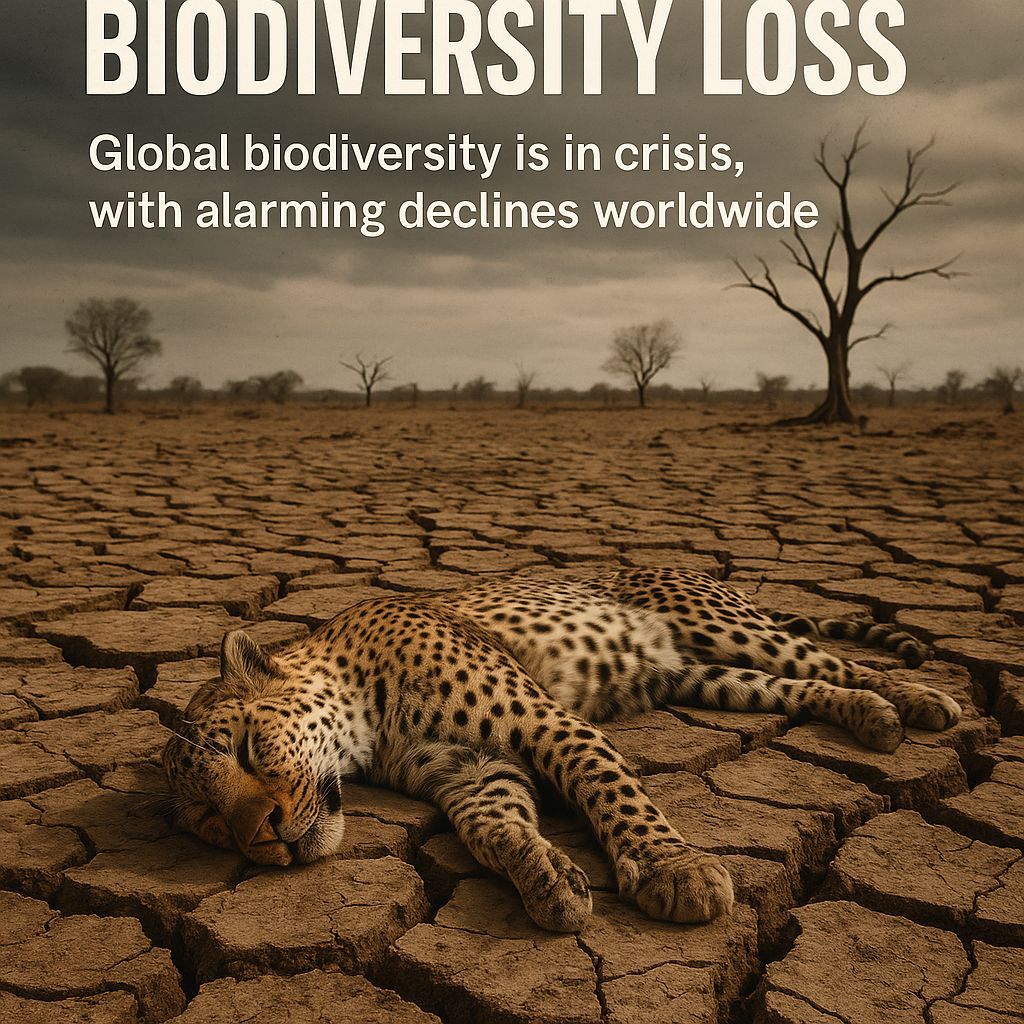
Biodiversity loss is the rapid decline in the variety of life on Earth, driven by human activities, and it threatens ecosystem services that sustain human well‑being.
Quick Answer
Biodiversity loss refers to the measurable reduction in the number, abundance, and genetic variety of species, as well as the degradation of the ecosystems they compose. It occurs when human pressures such as habitat conversion, climate change, pollution, and overexploitation push species toward extinction faster than natural background rates. The most widely recognized impact is the erosion of ecosystem services—pollination, clean water, carbon storage—that underpin food security, health, and economies. While scientific confidence is high that loss is accelerating, exact future trajectories remain uncertain because of data gaps and complex interactions.
Key Takeaways
- Extinction rates today are estimated to be 100–1,000 times higher than the long‑term background rate.
- Habitat destruction, climate change, pollution, and overharvest are the four primary drivers.
- Loss of biodiversity weakens pollination, water purification, disease regulation, and climate buffering.
- High‑confidence findings include the global decline of vertebrate populations by roughly 68% since 1970 (IPBES 2019).
- Effective responses combine protected areas, sustainable resource use, restoration, and policy reforms, each with trade‑offs.
What Is Biodiversity Loss? A Simple Explanation?
Biodiversity encompasses three nested levels: genetic diversity within species, species diversity within ecosystems, and ecosystem diversity across the planet. Biodiversity loss therefore describes a reduction at any of these levels—fewer species, less genetic variation, or simplified ecosystems. The term differs from “species extinction” because loss can also mean the functional disappearance of species that remain but are too rare to perform their ecological roles. Understanding loss matters because the web of life underpins the services that human societies rely on for food, water, health, and climate regulation.
How Does It Work?
1. Habitat Conversion
When forests, wetlands, or grasslands are cleared for agriculture, urban development, or mining, the physical space that species need disappears. Species that cannot move or adapt die locally, reducing both species and genetic diversity.
2. Climate Change
Rising temperatures and shifting precipitation alter the climatic envelope of habitats. Species must migrate, adapt, or face local extinction. For many, especially those with limited dispersal ability, suitable habitat vanishes faster than they can track it.
3. Overexploitation
Unsustainable fishing, hunting, and logging remove individuals faster than populations can replenish, depleting genetic pools and sometimes collapsing entire food webs.
4. Pollution
Chemicals, plastics, and nutrient runoff degrade water and soil quality, creating dead zones where few organisms can survive. Bioaccumulation of toxins can also reduce reproductive success across trophic levels.
Feedback Loops
Loss of keystone species—organisms that exert disproportionate influence—can trigger cascading effects, further simplifying ecosystems and accelerating additional losses.
What Does the Evidence Show?
Multiple lines of evidence converge on a clear picture of accelerating loss. Long‑term monitoring by the Intergovernmental Science‑Policy Platform on Biodiversity and Ecosystem Services (IPBES) indicates that, on average, global vertebrate populations have declined by 68% since 1970. The International Union for Conservation of Nature (IUCN) Red List records more than 37,000 species as threatened, a number that has risen steadily over the past two decades. Satellite‑derived forest loss maps show that between 2000 and 2020, the world lost roughly 10 million hectares of primary forest each year, directly reducing habitat for countless species. Marine assessments reveal that coral cover has declined by about 14% globally since the 2000s, driven by warming‑induced bleaching events. Together, these observations, systematic reviews, and meta‑analyses provide strong (multiple‑source) evidence that biodiversity is declining at an unprecedented rate.
Main Causes or Drivers
Direct Causes
- Habitat destruction and fragmentation
- Climate‑induced range shifts and extreme events
- Overharvest of wildlife and plant resources
- Pollution (chemical, plastic, nutrient)
Underlying Drivers
- Population growth and urban expansion
- Globalized commodity demand for timber, soy, palm oil, and meat
- Energy production and associated greenhouse‑gas emissions
- Inadequate governance and weak enforcement of environmental regulations
Environmental and Human Impacts
Environmental Impacts
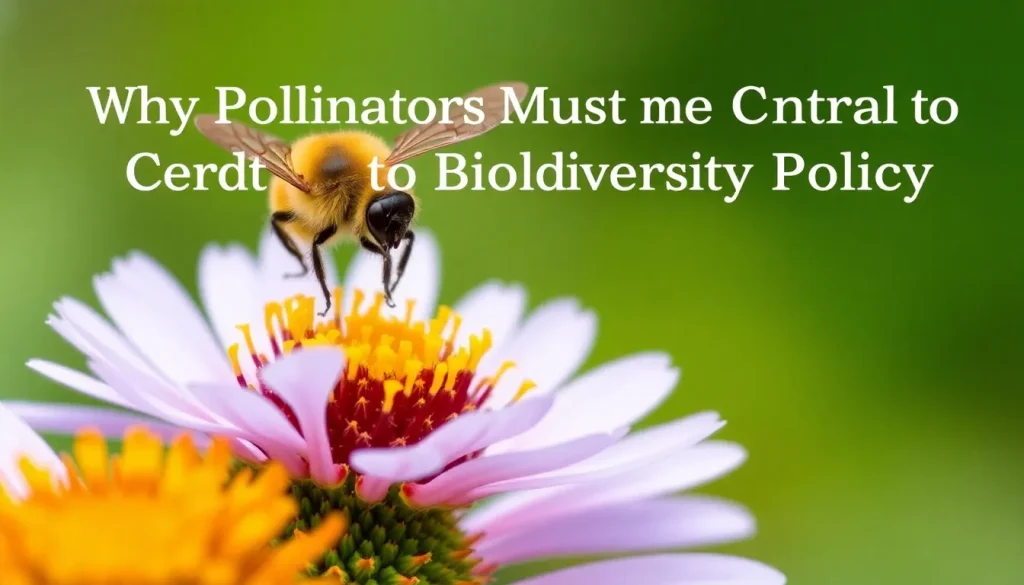
Reduced pollinator abundance lowers crop yields, while loss of forest carbon sinks weakens climate mitigation. Degraded wetlands diminish natural water filtration, increasing flood risk. Declines in predator species can cause trophic cascades that alter ecosystem structure and function.
Human Health and Social Impacts
Loss of biodiversity can increase disease transmission; for example, reduced predator diversity has been linked to higher rodent populations that carry hantavirus. Nutrient‑rich but biodiverse‑poor diets may lack essential micronutrients, affecting nutrition security. Cultural identities tied to specific species or landscapes are also eroded.
Economic and Infrastructure Impacts
Global fisheries lose an estimated US$83 billion annually from declining fish stocks, according to the Food and Agriculture Organization (FAO) 2022 report. Tourism that depends on vibrant coral reefs or wildlife safaris faces revenue drops when ecosystems degrade.
Regional Differences
Temperate regions such as Europe have seen slower rates of forest loss but experience strong pressure from agricultural intensification, leading to soil biodiversity decline. Tropical hotspots—Amazonia, Congo Basin, Southeast Asian rainforests—experience the highest rates of deforestation and species loss, driven by commodity agriculture and illegal logging. Island ecosystems in the Pacific and Caribbean are especially vulnerable to invasive species and sea‑level rise, resulting in rapid local extinctions.
What Scientists Know With High Confidence
- Global species extinction rates are orders of magnitude higher than the background rate.
- Habitat loss is the single largest driver of terrestrial biodiversity decline.
- Climate change is already causing range shifts and phenological changes in many taxa.
- Ecosystem services depend on intact biodiversity; loss reduces service provision.
What Remains Uncertain
Key uncertainties include the precise tipping points at which ecosystem functions collapse, the future trajectory of biodiversity under combined climate‑change and land‑use scenarios, and the effectiveness of large‑scale restoration projects in delivering long‑term species recovery. Data gaps in invertebrate monitoring and in many tropical regions limit our ability to quantify total loss accurately.
Common Misconceptions
Misconception: Biodiversity loss only means species going extinct.
Reality: Loss also occurs when species become so rare that they no longer fulfill ecological roles, or when genetic diversity within populations erodes, reducing resilience.
Misconception: Protected areas alone can stop biodiversity loss.
Reality: While protected areas are essential, they must be well‑managed, connected, and complemented by sustainable land‑use outside their boundaries to address most drivers.
Misconception: Climate change is the only cause of biodiversity loss.
Reality: Climate change amplifies existing pressures, but habitat destruction, overexploitation, and pollution remain the dominant direct causes.
Solutions and Limitations
Effective responses combine several strategies:
- Prevention: Land‑use planning that avoids converting high‑biodiversity areas; stricter enforcement of anti‑poaching laws.
- Mitigation: Reducing greenhouse‑gas emissions to limit climate‑driven habitat shifts; adopting climate‑smart agriculture.
- Adaptation: Assisted migration for species unable to move quickly enough, though this carries ecological risk.
- Conservation: Expanding and connecting protected area networks; integrating Indigenous and local knowledge.
- Restoration: Reforestation with native species and wetland rehabilitation; success depends on site selection and long‑term funding.
- Pollution control: Reducing nutrient runoff through precision farming; banning harmful pesticides; improving plastic waste management.
Each approach has trade‑offs. For example, large‑scale tree planting may compete with food production or use non‑native species, potentially harming local biodiversity. Assisted migration may introduce species to novel ecosystems, risking invasive outcomes. Therefore, context‑specific assessments are essential.
What Individuals, Communities, and Governments Can Do
What Individuals Can Do
- Choose sustainably sourced products (e.g., certified timber, seafood, and palm oil).
- Reduce food waste and adopt diets with lower meat intensity, lessening pressure on land.
- Support organizations that protect habitats through donations or volunteer work.
- Participate in citizen‑science monitoring programs to improve biodiversity data.
What Communities and Organizations Can Do
- Develop local conservation plans that protect critical habitats and promote native planting.
- Implement community‑based monitoring and rapid response to illegal hunting.
- Adopt circular‑economy practices to reduce plastic and chemical runoff.
What Governments Can Do
- Enact and enforce land‑use policies that limit deforestation and protect high‑biodiversity areas.
- Integrate biodiversity considerations into climate‑policy frameworks, such as Nationally Determined Contributions.
- Increase funding for protected area management and for research on under‑studied taxa.
- Incentivize sustainable agriculture through subsidies and certification schemes.
What Businesses and Industries Can Do
- Adopt zero‑deforestation supply chains and conduct biodiversity impact assessments.
- Invest in nature‑based solutions, such as restoring mangroves that protect coastal infrastructure.
- Report biodiversity metrics alongside financial reporting to increase transparency.
Synthesis
Biodiversity loss is a measurable, accelerating decline in the variety of life caused primarily by habitat conversion, climate change, overexploitation, and pollution. Robust evidence—from global population surveys to satellite forest‑cover analyses—demonstrates that species are disappearing far faster than natural rates. The consequences span weakened ecosystem services, heightened disease risk, and economic losses, with regional patterns reflecting local drivers and vulnerabilities. High‑confidence knowledge confirms the central role of habitat loss and the essential services provided by diverse ecosystems. Uncertainties remain around exact tipping points and the long‑term success of restoration initiatives. Addressing loss requires a suite of evidence‑based actions—protected areas, sustainable resource use, climate mitigation, and pollution control—each with its own limitations. While individual choices matter, systemic change led by governments, businesses, and communities is indispensable for preserving the web of life that sustains humanity.
Frequently Asked Questions
What does the term "biodiversity loss" mean?
Biodiversity loss describes a measurable decline in the number of species, the genetic variation within species, and the diversity of ecosystems. It includes species going extinct, populations becoming too rare to perform ecological roles, and the simplification of habitats.
Which factors are the biggest drivers of biodiversity loss?
The four biggest drivers are habitat destruction, climate change, overexploitation of natural resources, and pollution. Underlying these are drivers such as population growth, global commodity demand, energy production, and weak environmental governance.
How does biodiversity loss affect human health?
Reduced biodiversity can increase disease transmission by altering predator‑prey balances, affect nutrition by limiting diverse food sources, and diminish ecosystem services like clean water filtration, thereby raising exposure to contaminants.
What evidence shows that extinction rates are accelerating?
The IPBES Global Assessment (2019) reports extinction rates 100–1,000 times higher than background rates, while the IUCN Red List lists over 37,000 threatened species. Long‑term monitoring shows a 68% decline in vertebrate populations since 1970.
What practical actions can individuals take to help reduce biodiversity loss?
Individuals can choose sustainably sourced products, reduce meat consumption and food waste, support conservation NGOs, and join citizen‑science projects that track local wildlife, all of which lower pressure on ecosystems.





Leave a Comment