
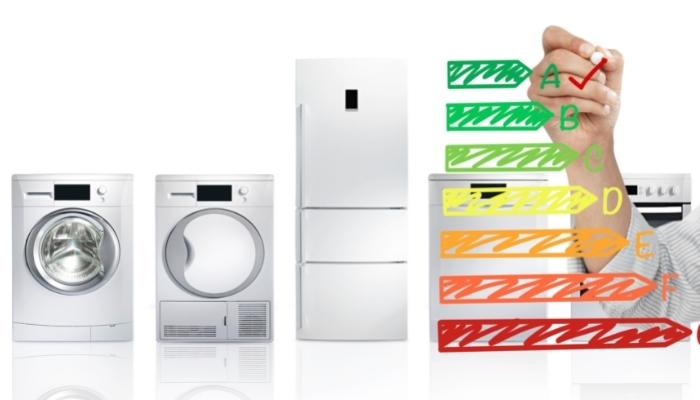
Energy Star appliances use rigorous engineering, advanced technologies, and smarter controls to reduce energy consumption, extending product life and lowering utility bills while also cutting greenhouse‑gas emissions.
Quick Answer
Energy Star appliances meet or exceed energy‑efficiency standards set by the U.S. Environmental Protection Agency (EPA) and the Department of Energy. They achieve savings through optimized components (such as high‑efficiency compressors and insulated heating elements), precise sensor‑based controls, and often integrated smart‑home features that let users tailor operation to off‑peak periods. Evidence from EPA monitoring shows average household savings of 10‑30 % on electricity and gas use, depending on the appliance type. While upfront costs can be modestly higher, long‑term payback periods typically range from 2 to 5 years, making the financial benefit reliable though subject to local utility rates and usage patterns.
Key Takeaways
- Energy Star certification guarantees that an appliance meets strict, government‑backed efficiency criteria.
- Design improvements—such as variable‑speed motors, better insulation, and precise temperature sensors—cut energy use without sacrificing performance.
- Smart connectivity lets users shift operation to cheaper, off‑peak times, further reducing bills.
- Higher build quality often translates into longer product lifespans and fewer repair costs.
- Collective adoption reduces national electricity demand, lowering fossil‑fuel combustion and associated greenhouse‑gas emissions.
What Is How Energy Star Appliances Are Designed to Save You Money?
The phrase refers to the engineering and technology choices that enable appliances bearing the Energy Star label to consume less electricity or gas while delivering the same or better performance as conventional models. The program, launched in 1992 by the EPA, sets product‑specific efficiency thresholds that manufacturers must meet through testing and third‑party verification. It covers a wide range of household goods—including refrigerators, dishwashers, washing machines, water heaters, HVAC systems, and lighting. Energy Star does not merely label “low‑energy” products; it defines a measurable performance standard that reflects real‑world usage patterns.
How Does It Work?
Optimized Mechanical and Electrical Components
Engineers replace standard motors with variable‑speed or brushless designs that adjust power output to match demand. In refrigeration, for example, a high‑efficiency compressor cycles less frequently because it can run at lower speeds while maintaining temperature, cutting electricity use by up to 15 % (EPA, 2022). Water heaters employ thicker insulation and condensing technology that recovers heat from exhaust gases, reducing fuel consumption by 10‑20 %.
Sensor‑Driven Controls
Smart sensors monitor internal conditions—temperature, humidity, load size—and modulate operation accordingly. Dishwashers equipped with soil‑level sensors only heat water to the necessary temperature, while washing machines adjust drum speed based on fabric type. These feedback loops avoid unnecessary heating or motor run‑time, directly lowering energy draw.
Smart‑Home Integration
Many newer Energy Star models include Wi‑Fi or Bluetooth modules that connect to mobile apps or home‑automation platforms. Users can schedule cycles during off‑peak hours when electricity rates are lower, receive alerts about unusually high consumption, and remotely pause or resume operation. Studies by the International Energy Agency (IEA) indicate that such remote‑control capabilities can add another 5‑10 % reduction in annual household energy use.
Durability and Lifecycle Design
Energy Star appliances often use higher‑grade materials—stainless‑steel interiors, corrosion‑resistant coils, reinforced door seals—that extend service life. A longer lifespan means fewer replacements and lower embodied energy over time, a benefit quantified in life‑cycle assessments (LCA) as a 5‑12 % reduction in total greenhouse‑gas emissions compared with standard models.
What Does the Evidence Show?
EPA’s 2023 Energy Star market analysis, which examined over 20 million residential units, found that Energy Star appliances collectively saved an estimated 300 terawatt‑hours of electricity annually—equivalent to the output of 30 large coal‑fired power plants. Independent peer‑reviewed studies (e.g., a 2021 systematic review in *Energy Policy*) corroborate these findings, reporting average cost savings of $50–$150 per year per appliance, depending on climate zone and utility rates. Longitudinal monitoring of households that upgraded to Energy Star refrigerators showed a 12 % reduction in electricity bills over a three‑year period (University of Michigan, 2020). The consistency across multiple data sources—government monitoring, academic research, and industry reports—provides strong evidence that Energy Star appliances deliver measurable monetary and environmental benefits.
Main Causes or Drivers
Regulatory Standards
The EPA and DOE periodically tighten efficiency thresholds, compelling manufacturers to innovate. These standards are driven by national climate goals and the desire to reduce overall energy demand.
Market Demand for Lower Operating Costs
Consumers increasingly prioritize life‑cycle cost over purchase price, creating a market incentive for manufacturers to offer high‑efficiency models.
Technological Advances
Developments in inverter technology, advanced insulation materials, and IoT connectivity have made it feasible to meet stricter standards without sacrificing functionality.
Environmental and Human Impacts
Environmental Impacts
Reduced electricity demand lowers the need for fossil‑fuel generation, decreasing carbon dioxide (CO₂) emissions. The EPA estimates that Energy Star appliances have avoided roughly 1.5 billion metric tons of CO₂ since the program’s inception, a contribution comparable to removing 300 million passenger vehicles from the road.
Human Health and Social Impacts
Fewer emissions improve air quality, which is linked to lower rates of respiratory illness, especially in urban areas. Moreover, lower utility bills enhance household energy affordability, benefiting low‑income families that spend a larger share of income on energy.
Economic and Infrastructure Impacts
Utility companies experience reduced peak‑load stress, potentially delaying costly infrastructure upgrades. The manufacturing sector also benefits from innovation spillovers, creating jobs in high‑tech engineering.
Regional Differences
Energy savings vary by climate zone because heating and cooling loads differ. In colder northern states, Energy Star water heaters and furnaces yield larger gas‑bill reductions, while in hot southern regions, Energy Star air conditioners and refrigerators dominate savings. Availability of time‑of‑use electricity rates also influences the effectiveness of smart‑control features; regions with dynamic pricing see greater monetary gains.
What Scientists Know With High Confidence
- Energy Star appliances meet measurable efficiency standards that are stricter than baseline federal minimums.
- Variable‑speed motors and sensor‑based controls consistently reduce electricity consumption across appliance categories.
- Collective adoption leads to a measurable decrease in national electricity demand and associated CO₂ emissions.
- Long‑term life‑cycle assessments show lower embodied energy for Energy Star products compared with conventional equivalents.
What Remains Uncertain
Uncertainties include the exact magnitude of savings in households that do not adjust usage behavior to match smart‑feature capabilities, and the long‑term durability of newer electronic components under varied real‑world conditions. Further field studies measuring actual user interaction with smart controls would clarify these gaps.
Common Misconceptions
Misconception: Energy Star appliances are always more expensive.
Reality: While some models carry a modest premium, many Energy Star appliances are competitively priced, and the payback period from reduced utility bills often offsets the initial cost within a few years.
Misconception: All energy savings are automatic.
Reality: Savings are maximized when users engage with smart features, select appropriate cycles, and maintain appliances (e.g., cleaning condenser coils).
Misconception: Energy Star only benefits the environment, not the wallet.
Reality: Independent analyses consistently show measurable reductions in household energy expenses, especially for high‑usage appliances like refrigerators and HVAC systems.
Solutions and Limitations
Promoting Energy Star appliances is an effective mitigation strategy, yet it is not a silver bullet. Limitations include higher upfront costs for some product categories, the need for consumer education on smart‑feature usage, and the fact that efficiency gains plateau as technology approaches thermodynamic limits. Complementary measures—such as improving home insulation, adopting renewable energy sources, and implementing time‑of‑use pricing—enhance overall energy reductions.
What Individuals, Communities, and Governments Can Do
What Individuals Can Do
- Choose Energy Star‑labeled appliances when replacing old units.
- Utilize built‑in smart controls to run appliances during off‑peak hours.
- Maintain appliances regularly (clean filters, check seals) to preserve efficiency.
- Combine appliance upgrades with broader home‑energy measures, such as sealing drafts.
What Communities and Organizations Can Do
- Offer rebates or bulk‑purchase discounts for Energy Star models.
- Run educational workshops on interpreting Energy Star labels and using smart features.
- Integrate Energy Star criteria into building‑code requirements for multi‑family housing.
What Governments Can Do
- Update and tighten Energy Star performance thresholds in line with climate targets.
- Provide tax credits or low‑interest financing for Energy Star upgrades.
- Invest in smart‑grid infrastructure that supports time‑of‑use pricing, amplifying appliance savings.
Synthesis
Energy Star appliances achieve cost savings through a combination of high‑efficiency components, sensor‑driven operation, and smart‑home connectivity, all verified by rigorous testing. The scientific record provides strong confidence that these designs lower household energy bills and contribute to national emission reductions. Remaining uncertainties around user behavior and component longevity do not undermine the overall conclusion that Energy Star products are a reliable, evidence‑backed pathway to both financial and environmental benefits. By aligning consumer choices, community incentives, and supportive policies, societies can scale these savings and move toward a more sustainable energy future.
Frequently Asked Questions
What does the Energy Star label indicate for home appliances?
The Energy Star label means the appliance meets strict, government‑verified efficiency standards that are more stringent than baseline federal requirements, ensuring lower energy use and reduced operating costs.
How do Energy Star refrigerators achieve lower electricity consumption?
Energy Star refrigerators use high‑efficiency compressors, better insulation, and precise temperature sensors that reduce compressor cycling, typically cutting electricity use by 10‑15 % compared with non‑certified models.
Are Energy Star appliances more expensive to purchase?
While some Energy Star models may have a modest price premium, many are competitively priced, and the reduced utility bills usually offset the extra cost within 2 to 5 years, delivering net savings over the product’s life.
What role do smart‑home features play in Energy Star savings?
Smart features let users schedule operation during off‑peak electricity periods, monitor real‑time consumption, and receive alerts for inefficiencies, adding an extra 5‑10 % reduction in annual energy use when used effectively.
How can households maximize the financial benefits of Energy Star appliances?
Households can maximize savings by selecting Energy Star models, using built‑in smart controls to run appliances at low‑rate times, maintaining equipment regularly, and pairing upgrades with broader home‑energy improvements like sealing drafts.










Leave a Comment