
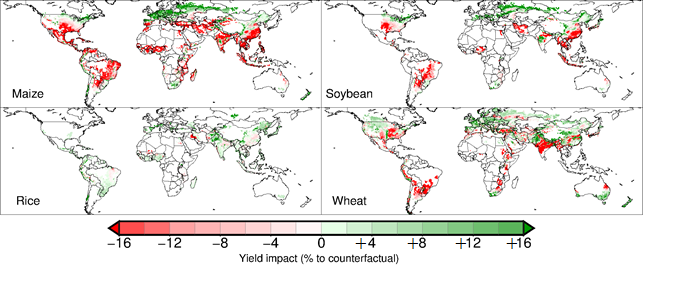
Global warming is altering temperature, precipitation, and extreme‑weather patterns, which together shift where and how crops can be grown, affecting food security and farming livelihoods around the globe.
Quick Answer
Global warming changes the fundamental climate variables that crops depend on—temperature, water availability, and the timing of extreme events. Warmer average temperatures lengthen growing seasons in some high‑latitude regions while shortening or eliminating them in already warm areas. Shifts in rainfall and more frequent droughts or floods directly affect yields and can trigger crop failures. Although higher atmospheric CO2 can boost photosynthesis for some species, the overall impact is a net decline in productivity for major staples such as wheat, rice, and maize, especially where heat stress and water stress coincide. Scientific assessments express high confidence in these trends, while uncertainties remain about the magnitude of regional impacts and the effectiveness of future adaptation measures.
Key Takeaways
- Rising temperatures accelerate crop development, often reducing the time for grain filling and lowering yields.
- Changes in precipitation patterns increase the risk of both drought‑related loss and flood‑induced damage.
- Higher CO2 can enhance growth for some crops but may reduce nutritional quality.
- Pest and disease ranges are expanding, adding pressure on already stressed systems.
- Adaptation options—such as climate‑smart practices, breeding heat‑tolerant varieties, and improved water management—show promise but face cost, equity, and scaling challenges.
What Is It?
The phrase “global warming is reshaping crop growth worldwide” refers to the observable and projected changes in agricultural production that result from the planet’s average temperature increase and associated climate shifts. It encompasses alterations in planting dates, length of growing seasons, geographic suitability of staple crops, and the frequency of climate‑related yield shocks. The concept differs from short‑term weather impacts because it focuses on long‑term trends and systemic adjustments across regions, rather than isolated events.
How Does It Work?
Temperature Effects
Crop development follows a temperature‑dependent rate known as thermal time. Warmer days speed up phenological stages, which can shorten the grain‑filling period for cereals, leading to smaller kernels. The Intergovernmental Panel on Climate Change (IPCC) reports that for each 1 °C rise, wheat yields may decline by 6 % in tropical and subtropical zones (IPCC, 2021). In contrast, higher latitudes may experience modest yield gains if water is not limiting.
Water Availability
Changes in the hydrologic cycle redistribute precipitation. Many mid‑latitude rain‑fed areas are projected to receive less summer rainfall, while some high‑altitude zones may see increased variability. Drought stress reduces stomatal conductance, limiting photosynthesis, whereas excessive rainfall can cause root oxygen deficiency and increase disease pressure.
CO2 Fertilization
Elevated CO2 (e.g., 550 ppm versus pre‑industrial 280 ppm) can increase the rate of photosynthesis in C3 crops such as wheat, rice, and soybeans. However, meta‑analyses of field experiments (e.g., FACE studies) show that yield gains are often offset by nutrient dilution, resulting in lower protein and micronutrient concentrations.
Pest and Disease Dynamics
Warmer winters and longer growing seasons allow insects and pathogens to expand poleward. The Food and Agriculture Organization (FAO) notes that the geographic range of the wheat rust fungus has moved northward by roughly 2 ° latitude per decade, increasing the likelihood of severe outbreaks.
What Does the Evidence Show?
Long‑term monitoring by national meteorological services and satellite‑based vegetation indices confirms a global trend of earlier planting and later harvest dates for many cereals. A systematic review of 85 field studies (2020) found consistent yield reductions for maize in tropical regions under projected warming scenarios, while temperate regions showed mixed results depending on irrigation availability.
Model ensembles used in the IPCC Fifth Assessment Report (AR5) attribute about 40 % of observed yield declines in sub‑Saharan Africa since 1990 to climate factors, with the remainder linked to soil degradation and input shortages. Experimental plots under controlled warming (+2 °C) exhibit a 10–15 % drop in wheat grain weight after just one season, illustrating the direct physiological response.
Main Causes or Drivers
Direct Climate Forcing
Increasing concentrations of greenhouse gases—primarily CO2, methane, and nitrous oxide—enhance the greenhouse effect, raising global mean surface temperature by approximately 1.1 °C since pre‑industrial times (World Meteorological Organization, 2023).
Altered Hydrologic Cycle
Warmer air holds more moisture, intensifying the water cycle. This leads to more intense but less frequent rainfall in many agricultural zones, creating a paradox of flood risk and drought stress.
Land‑Use Change and Feedbacks
Deforestation and conversion of natural landscapes to cropland reduce regional albedo and evapotranspiration, locally amplifying temperature rise and altering precipitation patterns.
Environmental and Human Impacts
Environmental Impacts
Shifts in crop zones can lead to soil erosion in newly cultivated marginal lands, while abandoned marginal fields may experience biodiversity loss. Changes in fertilizer use patterns can affect nitrogen leaching into waterways, contributing to eutrophication.
Human Health and Social Impacts
Reduced yields of staple grains raise the risk of food‑price volatility, disproportionately affecting low‑income households that spend a larger share of income on food. Nutrient dilution linked to CO2 fertilization can exacerbate micronutrient deficiencies, especially iron and zinc, in vulnerable populations.
Economic and Infrastructure Impacts
Farm income volatility increases the need for crop‑insurance schemes and can strain rural financial services. Infrastructure such as irrigation canals may require upgrades to cope with altered water availability.
Regional Differences
In the United States Corn Belt, projected temperature increases of 2–3 °C by 2050 are expected to reduce maize yields by 10–15 % without irrigation, while irrigated fields may maintain current levels. In contrast, parts of Canada’s Prairie provinces could gain up to 5 % in wheat yields due to longer frost‑free periods.
South Asia, home to more than half of the world’s rice‑producing area, faces heightened monsoon variability. The Indian Ministry of Agriculture reported that rice yields declined by 4 % during the 2015–2016 drought, illustrating climate sensitivity.
Africa’s Sahel region experiences increasing temperature and decreasing rainfall, leading to a shift from millet to more drought‑tolerant sorghum, yet overall caloric production remains below demand.
What Scientists Know With High Confidence
- Global average temperatures have risen and will continue to rise under continued greenhouse‑gas emissions.
- Warmer temperatures accelerate crop phenology, often shortening grain‑filling periods and reducing yields for heat‑sensitive staples.
- Changes in precipitation patterns increase the frequency of both droughts and floods, impacting rain‑fed agriculture.
- Pest and disease ranges are expanding poleward as a direct response to warming climates.
What Remains Uncertain
Key uncertainties include the precise magnitude of CO2 fertilization benefits under real‑world nutrient limitations, the speed at which breeding programs can deliver heat‑tolerant varieties, and the socioeconomic capacity of smallholder farmers to adopt climate‑smart technologies. Regional climate projections also carry model‑dependent spreads, especially for precipitation in tropical zones.
Common Misconceptions
Misconception: Higher CO2 Will Automatically Boost Crop Yields
Reality: While CO2 can enhance photosynthesis, field experiments show that nutrient deficiencies and heat stress often negate yield gains, and protein content may decline.
Misconception: Only Tropical Regions Are Affected
Reality: Temperate and high‑latitude zones also experience shifts in growing seasons; some may see modest gains, but many face new water‑stress challenges.
Misconception: Climate Change Impacts Are Immediate and Uniform
Reality: Impacts vary by crop type, local climate, soil conditions, and management practices, leading to a mosaic of outcomes rather than a single global trend.
Solutions and Limitations
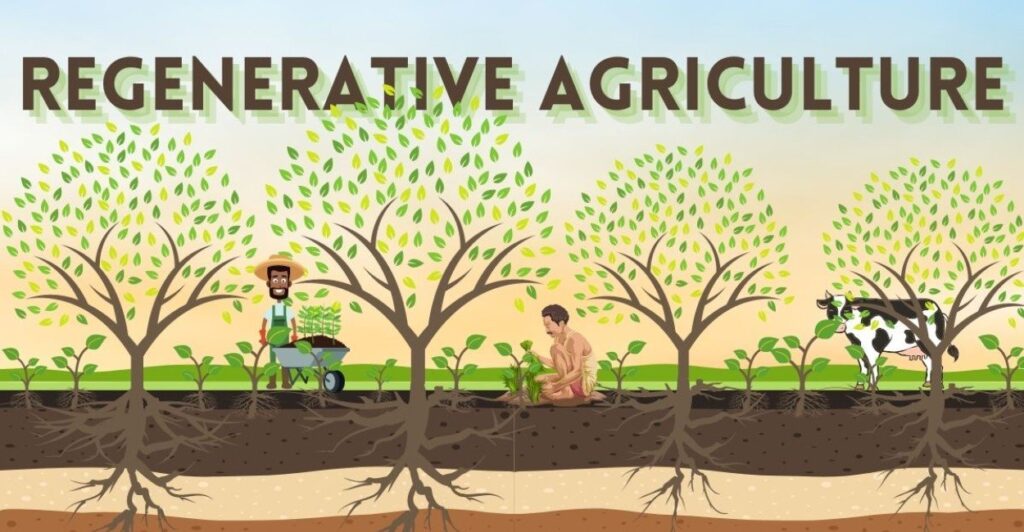
Adaptation strategies include breeding heat‑ and drought‑tolerant varieties, adopting agroforestry and intercropping to improve microclimates, and improving water‑use efficiency through drip irrigation. These measures can reduce vulnerability but often require substantial investment, extension services, and farmer training. Mitigation actions—such as reducing agricultural emissions through lower fertilizer use or improved manure management—address the underlying driver but alone cannot offset the warming already in motion.
What Individuals, Communities, and Governments Can Do
What Individuals Can Do
- Support policies that fund agricultural research and climate‑smart extension services.
- Choose food products sourced from farms that implement sustainable water and soil practices.
What Communities and Organizations Can Do
- Establish local seed banks to preserve and share climate‑resilient varieties.
- Implement community‑scale water harvesting and storage projects.
What Governments Can Do
- Invest in public research for heat‑tolerant crops and subsidize their distribution.
- Develop risk‑transfer mechanisms, such as crop‑insurance schemes, that reflect climate risk.
- Integrate climate projections into national agricultural planning and land‑use zoning.
Closing Synthesis
Global warming reshapes crop growth by altering the temperature, water, and CO2 environment that plants rely on. Robust evidence shows that these changes are already reducing yields for many staple grains, expanding pest pressures, and threatening food security, especially in vulnerable regions. While uncertainties remain around the scale of some impacts and the speed of adaptive responses, the scientific consensus is clear: proactive, equity‑focused adaptation and mitigation are essential to safeguard agricultural productivity for future generations.
Frequently Asked Questions
How does rising temperature specifically affect cereal yields?
Higher temperatures accelerate the life cycle of cereal crops, shortening the grain‑filling period and often reducing kernel size. The IPCC notes a 6 % yield decline per 1 °C increase for wheat in warm regions.
Can higher atmospheric CO2 levels compensate for heat stress in crops?
Elevated CO2 can boost photosynthesis in C3 crops, but field experiments show that heat stress, nutrient limits, and reduced protein content usually offset any yield gains, so CO2 alone does not compensate for warming.
Which regions are expected to gain agricultural productivity from climate change?
High‑latitude areas such as parts of Canada and northern Europe may experience longer frost‑free periods, potentially increasing wheat yields by up to 5 % if water remains sufficient.
What are the main uncertainties in predicting future crop impacts?
Key uncertainties include the real‑world magnitude of CO2 fertilization under nutrient‑limited soils, the speed of breeding heat‑tolerant varieties, and the variability of regional precipitation projections.
What practical steps can smallholder farmers take to adapt to changing climate conditions?
Smallholders can adopt drought‑resistant seed varieties, practice intercropping or agroforestry to improve soil moisture, and use low‑cost water‑saving irrigation methods such as treadle pumps.





Leave a Comment