
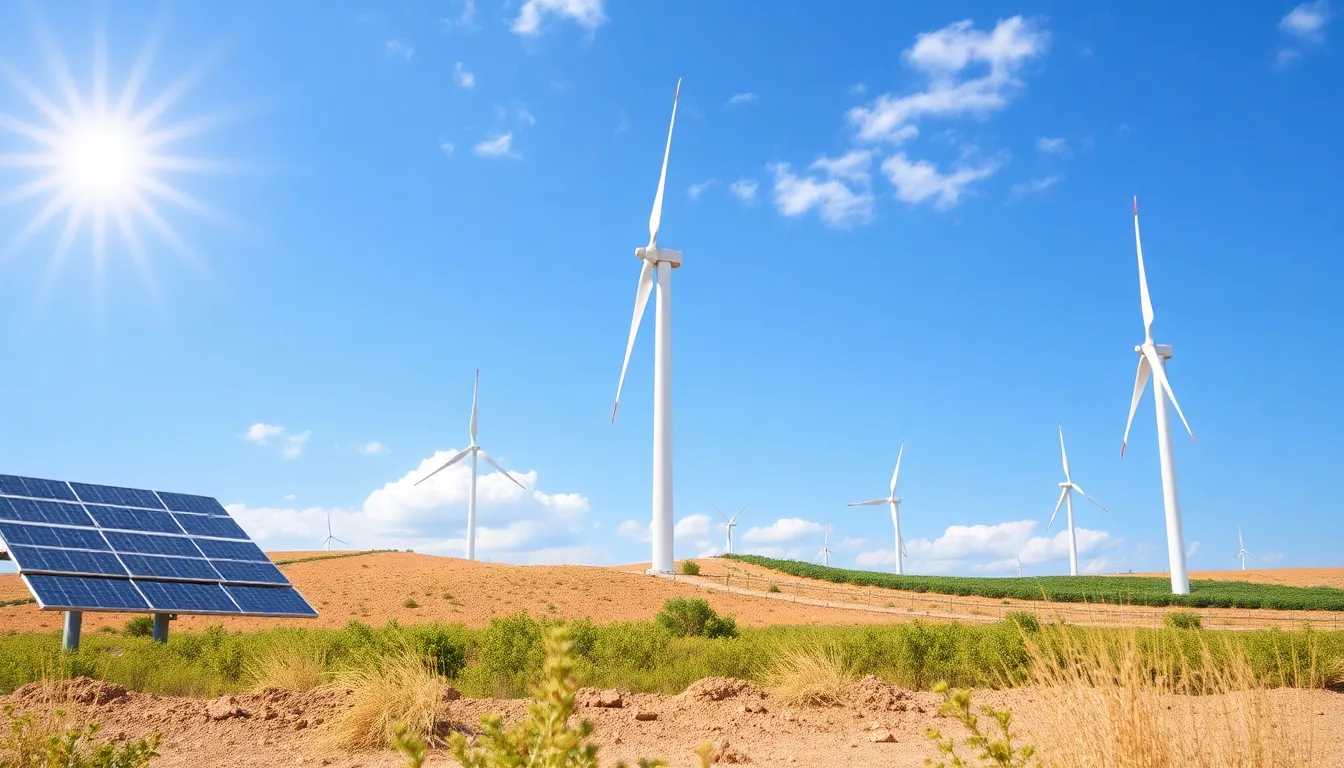
What Is Renewable Energy?
Renewable energy refers to power generated from resources that naturally replenish on a human timescale. Unlike fossil fuels, which release stored carbon when burned, renewable sources such as sunlight, wind, flowing water, and geothermal heat produce electricity or heat with minimal greenhouse‑gas emissions. The term Renewable Energy encompasses a family of technologies, each with its own physics, infrastructure, and role in a low‑carbon future.
Why Renewable Energy Matters Today
Climate change, air‑quality concerns, and finite fossil‑fuel reserves have pushed governments, businesses, and households toward cleaner power. Renewable energy reduces carbon footprints, diversifies energy supply, and creates jobs in manufacturing, installation, and maintenance. Moreover, as climate policy frameworks tighten, renewable technologies become essential for meeting national and international emissions targets.
Solar Energy: How It Works and What It Offers
Solar Energy captures photons from the sun and converts them into usable electricity or heat. Two main pathways dominate the market: photovoltaic (PV) panels that generate direct current, and solar‑thermal systems that heat fluids for space heating or electricity generation.
Photovoltaic Basics
PV cells are made from semiconductor materials, typically silicon. When sunlight strikes the cell, it excites electrons, creating an electric flow that is collected by metal contacts. Multiple cells are wired together into modules, and modules are assembled into arrays that can power anything from a rooftop home to a utility‑scale solar farm.
Solar Thermal and Concentrated Solar Power
Solar‑thermal collectors absorb heat to warm water or air for domestic use, while concentrated solar power (CSP) uses mirrors or lenses to focus sunlight onto a receiver, producing high‑temperature steam that drives a turbine. CSP plants often incorporate thermal Energy Storage in the form of molten salt, allowing electricity generation after sunset.
Benefits and Limitations
- Benefits: modular installation, rapidly decreasing costs, low operating emissions, and the ability to pair with storage.
- Limitations: intermittent generation tied to daylight and weather, land‑use considerations for large farms, and the need for inverters to convert DC to AC.
Wind Energy: Harnessing Air Power
Wind Energy converts kinetic energy from moving air into electricity using turbines. Modern turbines feature aerodynamic blades attached to a rotor that spins a generator.
On‑shore vs Off‑shore Installations
On‑shore wind farms are built on land, often in plains or hilltops where wind speeds are reliable. Off‑shore farms sit in coastal waters, where wind is stronger and more consistent, but installation and maintenance costs are higher.
Key Components
- Blades: designed to capture maximum wind energy while minimizing noise.
- Hub and Nacelle: house the gearbox and generator.
- Tower: lifts the rotor above ground‑level turbulence.
- Control System: monitors wind speed and adjusts blade pitch to optimize output and protect the turbine.
Pros and Cons
Wind power is cost‑competitive in many regions and can be deployed quickly. However, it faces challenges such as visual impact, bird mortality concerns, and variability that requires grid balancing.
Hydropower: Energy from Water
Hydropower generates electricity by directing flowing water through turbines. It is the oldest large‑scale renewable technology and currently supplies a significant share of global electricity.
Run‑of‑the‑River and Reservoir Systems
Run‑of‑the‑river plants divert a portion of a river’s flow through a turbine without large storage, minimizing environmental impact. Reservoir (or dam‑based) systems store water in a lake, providing flexible generation that can meet peak demand.
System Elements
- Intake: channels water toward the penstock.
- Penstock: a pressurized pipe that delivers water to the turbine.
- Turbine and Generator: convert hydraulic energy to electricity.
- Tailrace: returns water to the river downstream.
Advantages and Challenges
Hydropower offers high efficiency (often above 90%) and can provide rapid ramp‑up for grid stability. Environmental concerns include habitat disruption, methane emissions from reservoirs, and displacement of communities.
Geothermal Energy: Heat from the Earth
Geothermal Energy taps the planet’s internal heat, which is constantly replenished by radioactive decay and residual formation heat. It can be used directly for heating or converted into electricity through steam‑driven turbines.
Direct Use and Power Generation
Direct‑use applications include district heating, greenhouse warming, and industrial processes. For electricity, wells are drilled into hot rock to bring hot water or steam to the surface, where it drives a turbine.
Technology Overview
- Dry Steam Plants: use naturally occurring steam.
- Flash Steam Plants: depressurize hot water to produce steam.
- Binary Cycle Plants: circulate a secondary fluid with a lower boiling point, allowing electricity generation from lower‑temperature resources.
Strengths and Weaknesses
Geothermal provides baseload power with a small land footprint and low emissions. Limitations include site‑specific geology, high upfront drilling costs, and the potential for induced seismicity.
Integrating Renewable Sources Into Modern Grids
Renewables are variable; the sun does not shine at night, and wind can be calm for hours. Effective integration relies on flexible Electricity Grids, advanced Energy Storage, and demand‑side measures such as Energy Efficiency improvements.
Energy Storage and Grid Flexibility
Batteries, pumped‑hydro, compressed air, and thermal storage absorb excess generation and release it when demand rises. Storage smooths out intermittency, enabling higher renewable penetration without compromising reliability.
Synergies With Clean Transportation and Sustainable Buildings
Electrified transport—cars, buses, and trucks—draw power from the grid, turning renewable electricity into zero‑tailpipe emissions. Sustainable Buildings incorporate rooftop solar, energy‑efficient appliances, and smart thermostats, reducing overall demand and creating local generation hubs.
Common Misconceptions and How to Address Them
- “Renewables can’t provide baseload power.” While solar and wind are intermittent, hydropower, geothermal, and battery storage can supply continuous output, and advanced forecasting improves grid scheduling.
- “Renewable energy is always more expensive.” Global PV and on‑shore wind costs have fallen below new coal and gas plants in many markets, making them cost‑effective without subsidies.
- “Renewables damage wildlife.” Proper siting, bird‑friendly turbine designs, and fish ladders for dams mitigate most ecological impacts.
- “Investing in renewables is risky because of policy changes.” Long‑term power purchase agreements, corporate renewable procurement, and diversified technology portfolios reduce policy risk.
- “We must choose one renewable over another.” A balanced mix leverages the strengths of each source, enhancing resilience and reducing overall land and material use.
Next Steps for Individuals, Communities, and Policymakers
For homeowners, consider rooftop solar, energy‑efficient upgrades, and electric‑vehicle charging at home. Communities can develop shared solar gardens, support local wind projects, or explore micro‑hydro schemes on small streams. Policymakers should design incentives that reward storage, streamline permitting, and integrate renewable targets with broader Carbon Removal strategies.
Conclusion
Renewable energy—including Solar, Wind, Hydropower, and Geothermal—offers a diverse toolbox for decarbonizing the electricity system, heating sector, and transportation fleet. By understanding how each technology works, recognizing their benefits and limitations, and linking them with storage, efficient grids, and supportive policies, societies can accelerate the transition to a clean, resilient energy future.
Frequently Asked Questions
What is renewable energy and how does it differ from fossil fuels?
Renewable energy comes from sources that naturally replenish—sunlight, wind, water flow, and earth heat—so they don’t run out on a human timescale. Fossil fuels, by contrast, are finite carbon stores that release greenhouse gases when burned, contributing to climate change.
How does a solar photovoltaic (PV) panel generate electricity?
A PV panel contains semiconductor cells that absorb photons from sunlight. The light excites electrons, creating a flow of direct current. Multiple cells are wired together, and an inverter converts the DC into alternating current (AC) suitable for homes or the grid.
What are the main advantages and drawbacks of wind power?
Wind power is cost‑competitive, scalable, and produces no emissions during operation. Its drawbacks include visual and noise concerns, variability that requires grid balancing, and higher installation costs for offshore sites.
How is hydropower integrated into modern electricity grids?
Hydropower plants can quickly ramp output up or down, making them excellent for grid stability and peak‑shaving. Reservoir systems store water for later use, while run‑of‑the‑river sites provide steady generation without large storage, both feeding power directly into the grid.
Can geothermal energy be used for both heating and electricity generation?
Yes. Direct‑use geothermal supplies heat for buildings, greenhouse agriculture, and industrial processes. When the resource is hot enough, steam or hot water can drive turbines to produce electricity, offering baseload power with low emissions.






Leave a Comment