
Understanding the Plastic Crisis
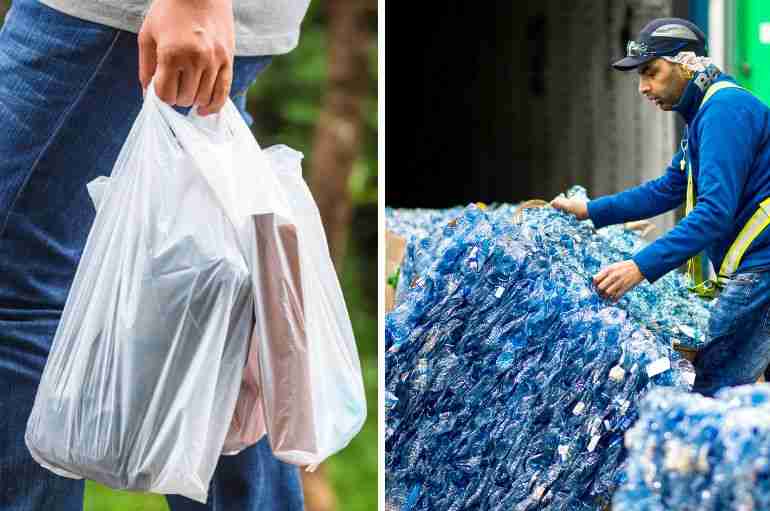
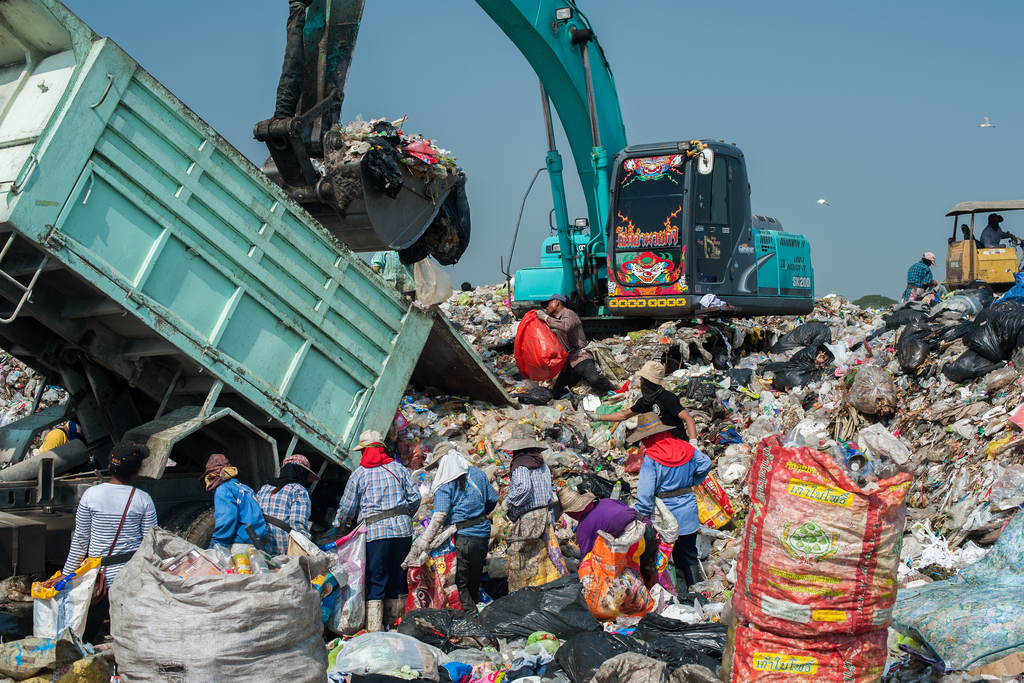
The world produces more than 380 million tons of plastic each year, and a large share ends up in landfills or the natural environment. This mounting plastic crisis strains municipal waste services, contributes to pollution, and undermines climate goals. Communities are therefore exploring alternatives that keep plastic in use longer instead of discarding it after a single use.
Why Reuse Systems Offer a Viable Path
Reuse systems keep containers, bottles, and packaging in circulation through collection, cleaning, and refilling. By extending the life of a product, municipalities can reduce the demand for virgin plastic, lower collection costs, and decrease litter. The approach aligns with circular‑economy principles, where waste is treated as a resource rather than an inevitable by‑product.
Key Elements of Municipal Reuse Programs
Standardized Containers
Successful programs rely on durable, standardized containers that can withstand multiple trips between user and refill point. Materials such as stainless steel, high‑density polyethylene, or reinforced glass are common because they balance durability with safety.
Closed‑Loop Logistics
A closed‑loop system tracks each container from the point of sale back to the cleaning facility. Tracking can be manual (barcode stickers) or digital (RFID tags). Accurate tracking ensures containers are returned, cleaned, and ready for the next cycle.
Cleaning and Sanitization
Municipalities either operate their own wash stations or contract with commercial cleaners. The process must meet health regulations for food‑grade containers, typically involving high‑temperature washing, detergent, and a final rinse.
Examples of Municipal Reuse Initiatives
San Francisco, USA – Refillable Bottle Program
San Francisco introduced a city‑wide refillable bottle network for water and soda. Residents purchase a durable bottle for a small deposit, return it to any participating retailer, and receive a refill at a reduced price. The program has diverted thousands of single‑use bottles from the waste stream.
Ljubljana, Slovenia – Reusable Food‑Container Scheme
Ljubljana’s municipal markets provide reusable containers for bulk foods such as grains, nuts, and spices. Shoppers bring their own jars or rent containers on site, reducing plastic packaging at the source.
Seoul, South Korea – Reusable Cup Initiative
Seoul’s coffee shops participate in a city‑backed reusable cup system. A digital app records each cup’s journey, and users earn points for each return, encouraging consistent participation.
Benefits of Municipal Reuse Systems
- Resource Conservation: Extending product life saves raw material and energy.
- Cost Savings: Fewer single‑use items lower collection and disposal expenses.
- Pollution Reduction: Less plastic litter improves local waterways and urban aesthetics.
- Public Engagement: Visible reuse programs raise awareness and foster community responsibility.
Challenges and Limitations
While promising, reuse systems face practical hurdles. Initial capital costs for durable containers and cleaning infrastructure can be high. Behavioral change is required; residents must remember to return items. Additionally, not all product types are suitable for reuse due to safety or contamination concerns.
Steps for Municipalities Considering Reuse Systems
- Assess Local Waste Streams: Identify which single‑use plastics dominate municipal waste.
- Engage Stakeholders: Involve retailers, waste‑management firms, and community groups early in the planning process.
- Select Appropriate Containers: Choose materials that meet health standards and can survive repeated cycles.
- Design Logistics: Map collection points, cleaning facilities, and refill locations to minimize travel distance.
- Implement Tracking: Use simple barcodes or advanced RFID to monitor container flow.
- Launch Education Campaigns: Explain the environmental and economic benefits to residents.
- Monitor and Adjust: Collect data on return rates, cost savings, and user feedback to refine the program.
Best Practices for Long‑Term Success
- Offer financial incentives such as deposits or discounts on refills.
- Integrate reuse options with existing recycling infrastructure to avoid duplication.
- Partner with local businesses to expand the network of refill stations.
- Provide clear signage and easy‑to‑use return bins at high‑traffic locations.
- Publish transparent reports on material savings and environmental impact.
Future Outlook
As more cities adopt reuse systems, economies of scale are expected to lower costs and improve technology. Innovations such as automated collection kiosks and AI‑driven route optimization could further streamline operations. In the long run, widespread municipal reuse could become a cornerstone of the global strategy to resolve the plastic crisis.
Conclusion
Municipalities that invest in reuse systems are turning a pressing plastic crisis into an opportunity for sustainable change. By standardizing containers, creating closed‑loop logistics, and engaging citizens, cities can cut single‑use waste, save resources, and build a resilient circular economy. The transition requires upfront investment and cultural shift, but the environmental and economic returns make reuse a compelling solution for the future.
Frequently Asked Questions
What is a municipal reuse system?
A municipal reuse system is a city‑run program that keeps containers, bottles, or packaging in circulation by collecting, cleaning, and refilling them, reducing the need for new single‑use plastic.
How do tracking technologies help reuse programs?
Tracking technologies such as barcodes or RFID tags monitor each container’s journey, ensuring it returns for cleaning and refilling, which improves efficiency and prevents loss.
Which cities have successful reuse initiatives?
San Francisco (refillable bottles), Ljubljana (bulk‑food containers), and Seoul (reusable coffee cups) are examples of municipalities that have implemented effective reuse programs.
What are the main benefits of reuse systems for municipalities?
Benefits include resource conservation, reduced waste‑collection costs, lower plastic pollution, and increased public engagement with sustainability goals.
What steps should a city take to start a reuse program?
Key steps are assessing local waste streams, engaging stakeholders, selecting durable containers, designing logistics, implementing tracking, launching education campaigns, and continuously monitoring performance.






Leave a Comment