
Introduction
Imagine the Earth wrapped in a thin, invisible blanket. This blanket isn’t made of wool, but of gases that trap just enough heat from the sun to keep our planet at a comfortable, life-sustaining temperature. For thousands of years, this natural system worked in perfect balance. But over the last century, human activities have thickened that blanket dramatically, causing the Earth to warm at an unprecedented rate. This phenomenon is what we call climate change, and it’s the most pressing environmental challenge of our time. Whether you’re hearing about it in the news, feeling the effects in your own community, or simply curious to learn more, this guide will break down the science, causes, impacts, and solutions in a clear, accessible way.
What Is Climate Change?
Climate change refers to long-term shifts in temperatures and weather patterns. While the Earth’s climate has changed naturally throughout history—due to volcanic eruptions, changes in solar radiation, and shifts in the planet’s orbit—the current warming trend is different. It’s happening much faster than any natural cycle, and scientists agree it’s overwhelmingly caused by human activities. The term is often used interchangeably with global warming, but global warming specifically refers to the long-term heating of Earth’s surface observed since the pre-industrial period. Climate change encompasses global warming and its broader effects, like changes in rainfall, rising sea levels, and more frequent extreme weather.
The Greenhouse Effect Explained
To understand climate change, you first need to grasp the greenhouse effect. Sunlight passes through the atmosphere and warms the Earth’s surface. The Earth then radiates heat back toward space. Certain gases in the atmosphere, known as greenhouse gases (GHGs), trap some of that outgoing heat, much like the glass roof of a greenhouse. This natural process is essential for life—without it, our planet would be a frozen wasteland. The problem arises when human activities pump excessive amounts of these gases into the atmosphere, intensifying the effect and causing the planet to heat up beyond its natural balance.
What Causes Climate Change?
The primary driver of modern climate change is the burning of fossil fuels—coal, oil, and natural gas—for energy. This releases vast quantities of carbon dioxide (CO2), the most significant greenhouse gas. But it’s not the only culprit. Let’s break down the main human activities that are thickening the greenhouse blanket.
Burning Fossil Fuels for Energy
Since the Industrial Revolution, we’ve relied heavily on fossil fuels to power our homes, factories, and vehicles. Electricity generation, heating, and transportation account for the largest share of global greenhouse gas emissions. Every time you drive a gasoline-powered car, charge your phone with electricity from a coal-fired plant, or heat your home with natural gas, CO2 is released into the atmosphere. The concentration of CO2 has increased by over 40% since pre-industrial times, reaching levels not seen in at least 800,000 years.
Deforestation and Land Use Changes
Forests act as carbon sinks, absorbing CO2 from the atmosphere. When we clear forests for agriculture, urban development, or timber, we not only stop that absorption but also release the stored carbon back into the air. Deforestation, particularly in tropical regions, is responsible for about 10% of global greenhouse gas emissions. Additionally, industrial agriculture and livestock farming produce significant amounts of methane and nitrous oxide, two potent greenhouse gases.
Industrial Processes and Waste
Manufacturing, cement production, and chemical processes emit a variety of greenhouse gases. Even the decomposition of organic waste in landfills releases methane. These sources, while smaller than energy and transportation, still contribute to the overall warming effect.
The Effects of a Warming Planet
Climate change isn’t just about hotter days. It disrupts the entire climate system, leading to a cascade of consequences that affect every corner of the globe. Here are some of the most significant impacts we’re already witnessing.
Rising Global Temperatures
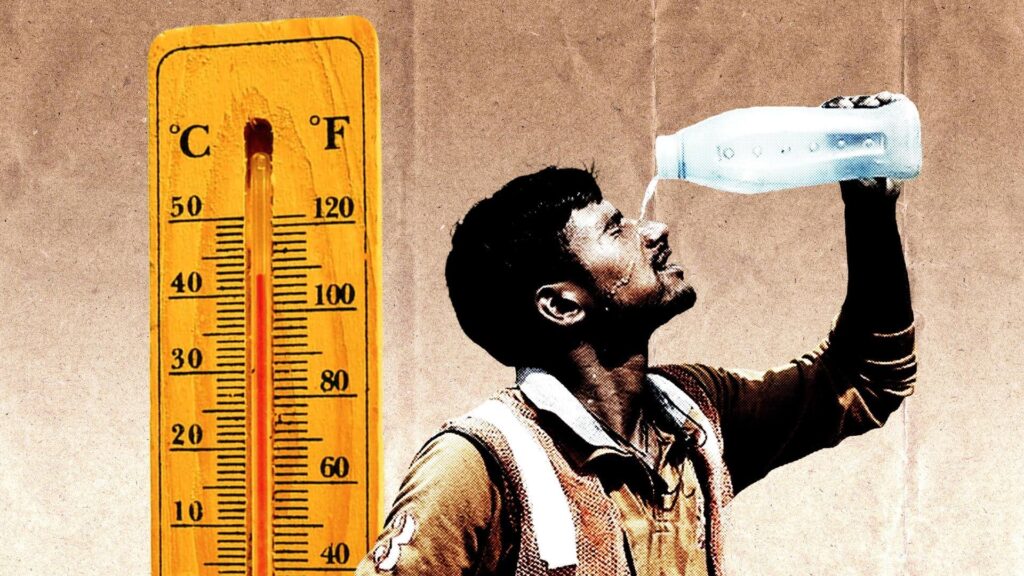
The Earth’s average surface temperature has risen by about 1.2°C (2.2°F) since the late 19th century. Most of this warming has occurred in the last 40 years, with the seven most recent years being the warmest on record. This may sound small, but even a slight increase in average temperature can trigger massive changes in weather patterns and ecosystems.
Melting Ice and Rising Seas
As temperatures climb, glaciers and ice sheets in Greenland and Antarctica are melting at accelerating rates. This meltwater, combined with the thermal expansion of seawater (water expands as it warms), is causing global sea levels to rise. Since 1880, sea levels have risen by about 8–9 inches (21–24 centimeters), and the rate is increasing. Coastal communities face more frequent flooding, erosion, and saltwater intrusion into freshwater supplies.
Extreme Weather Events
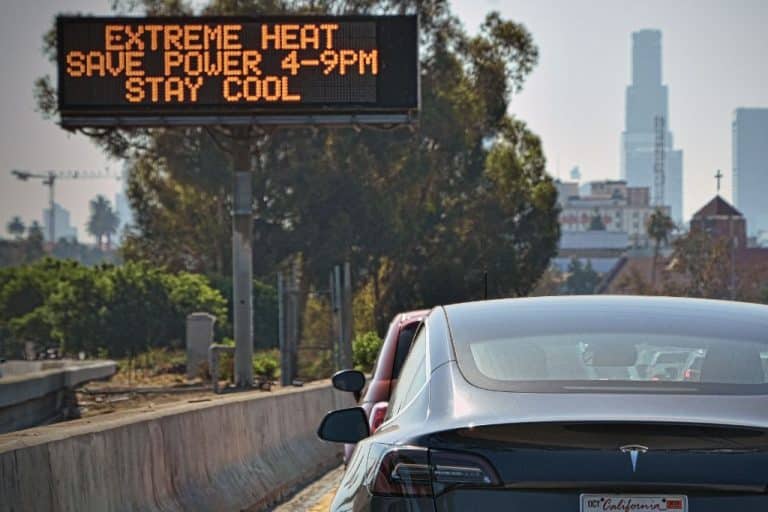
A warmer atmosphere holds more moisture, fueling more intense and frequent extreme weather. Heatwaves, droughts, heavy rainfall, and powerful storms are becoming more common. Wildfires are burning larger areas and for longer seasons. These events threaten lives, damage infrastructure, and disrupt food production.
Ecosystem Disruption and Biodiversity Loss
Many species are struggling to adapt to rapidly changing conditions. Coral reefs are bleaching and dying due to warmer ocean temperatures. Animals are shifting their ranges toward the poles or to higher altitudes. Some species face extinction if they cannot move or adapt quickly enough. This loss of biodiversity weakens ecosystems that humans rely on for clean water, pollination, and food.
What Can We Do About Climate Change?
Addressing climate change requires action on two fronts: mitigation (reducing emissions to slow or stop warming) and adaptation (adjusting to the changes already underway). While the challenge is immense, solutions exist, and every action counts—from individual choices to global policies.
Individual Actions to Reduce Your Carbon Footprint
Your carbon footprint is the total amount of greenhouse gases generated by your lifestyle. You can shrink it by making simple changes: walk, bike, or use public transport instead of driving; switch to a plant-rich diet and reduce food waste; conserve energy at home by using LED bulbs, insulating your house, and choosing energy-efficient appliances; and support renewable energy sources like solar or wind if available. Even small shifts, when multiplied by millions of people, can drive significant change.
Collective Action and Policy Change
Individual efforts are vital, but systemic change is essential. This means supporting policies that promote clean energy, protect forests, and put a price on carbon pollution. The Paris Agreement, signed by nearly every nation, aims to limit global warming to well below 2°C, preferably to 1.5°C, compared to pre-industrial levels. Achieving this requires a rapid transition away from fossil fuels toward a sustainable, low-carbon economy. You can contribute by voting, advocating for climate-friendly policies, and holding corporations accountable.
The Role of Innovation and Nature
Technological advances—like better batteries, carbon capture, and green hydrogen—offer hope. At the same time, nature-based solutions such as reforestation, restoring wetlands, and regenerative agriculture can sequester carbon while boosting biodiversity. A combination of cutting-edge technology and respect for natural systems will be key to building a resilient future.
Conclusion
Climate change is a complex, urgent issue, but it’s not insurmountable. By understanding the science, recognizing the causes, and embracing solutions both big and small, we can all play a part in shaping a more sustainable world. The choices we make today—from the energy we use to the leaders we elect—will determine the climate our children and grandchildren inherit. The time to act is now, and it starts with staying informed and engaged.
Frequently Asked Questions
What is the difference between climate change and global warming?
Global warming refers specifically to the long-term increase in Earth’s average surface temperature due to human activities. Climate change is a broader term that includes global warming and its effects, such as changes in precipitation, sea level rise, and more frequent extreme weather events.
How do greenhouse gases cause the planet to warm?
Greenhouse gases like carbon dioxide trap heat in the atmosphere. Sunlight passes through and warms the Earth, but when the Earth radiates heat back, these gases absorb some of it and re-emit it, preventing it from escaping into space. This natural greenhouse effect is intensified by human emissions, leading to global warming.
What are the main human activities that contribute to climate change?
The primary cause is burning fossil fuels (coal, oil, gas) for electricity, heat, and transportation. Deforestation, industrial processes, and agriculture—especially livestock farming and fertilizer use—also release significant amounts of greenhouse gases like carbon dioxide, methane, and nitrous oxide.
How does climate change affect weather patterns?
A warmer atmosphere holds more moisture, which can lead to heavier rainfall and flooding in some regions, while altering circulation patterns can cause prolonged droughts in others. It also increases the frequency and intensity of extreme events like heatwaves, hurricanes, and wildfires.
What can I personally do to help fight climate change?
You can reduce your carbon footprint by using energy-efficient appliances, driving less or switching to an electric vehicle, eating less meat, reducing air travel, and supporting renewable energy. Additionally, you can advocate for climate-friendly policies, vote for leaders who prioritize the environment, and support organizations working on climate solutions.







Leave a Comment