

Celebrating Earth Day highlights why protecting the planet is essential for climate stability, biodiversity, and human well‑being, and outlines evidence‑based actions for individuals, communities, and governments.
Quick Answer
Protecting the planet means reducing greenhouse‑gas emissions, conserving biodiversity, and eliminating harmful waste so that ecosystems can continue to provide clean air, water, food, and climate regulation. The science shows that human activities are accelerating climate change, species loss, and plastic pollution, which together threaten health, economies, and equity. While uncertainties remain about precise future thresholds, the consensus is that immediate, coordinated mitigation and adaptation actions can limit the most severe outcomes.
Key Takeaways
- Human‑driven climate change, biodiversity loss, and plastic pollution are interlinked crises that intensify each other.
- High‑confidence evidence links fossil‑fuel combustion to rising global temperatures and extreme weather.
- Protecting ecosystems delivers climate benefits, water security, and health co‑benefits.
- Solutions require a mix of mitigation, adaptation, and restoration, each with trade‑offs.
- Collective action—individual choices, community projects, and strong policy—yields the greatest impact.
What Is Celebrate Earth Day: Why Protecting the Planet Matters More Than Ever?
Earth Day, observed each year on 22 April, is a global outreach effort that encourages people, businesses, and governments to reflect on their relationship with the natural world and to commit to actions that safeguard the planet’s life‑supporting systems. The theme “Why Protecting the Planet Matters More Than Ever” focuses on the scientific basis for urgency, emphasizing that the cumulative effects of climate change, biodiversity decline, and plastic pollution have reached a point where delayed action increases risk and cost.
How Does It Work?
Physical and Chemical Drivers
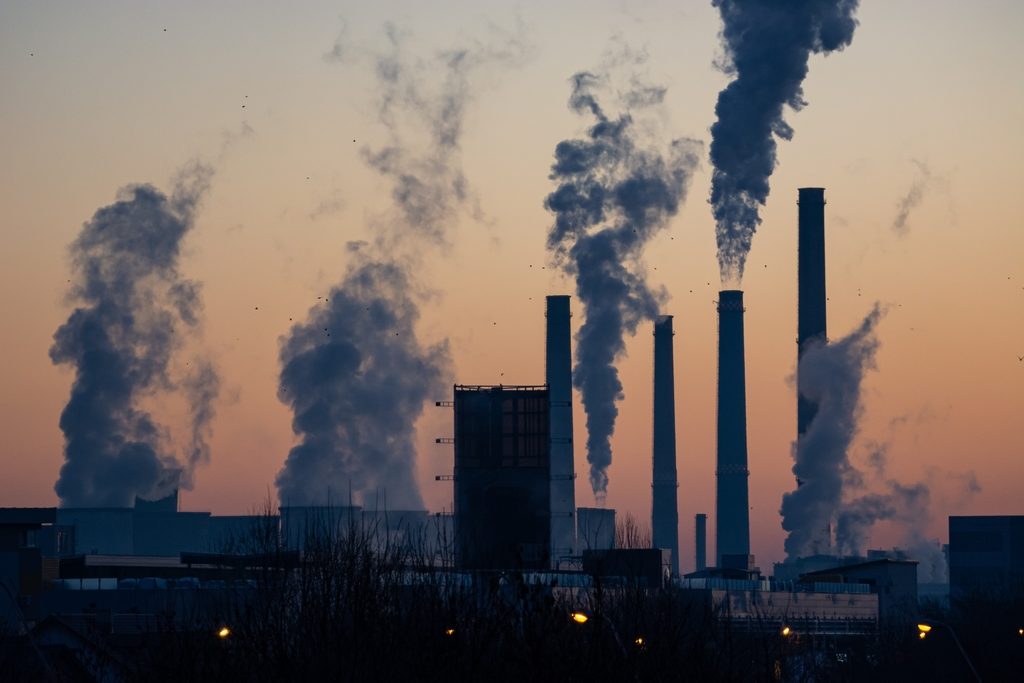
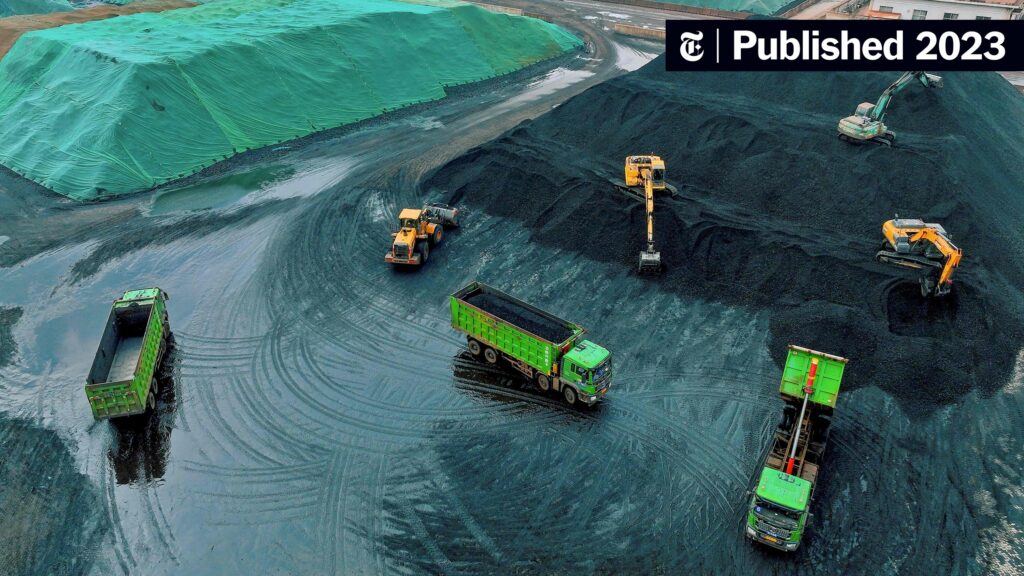
- Burning coal, oil, and gas releases carbon dioxide (CO₂) and methane (CH₄), enhancing the greenhouse effect.
- Increased atmospheric greenhouse gases trap infrared radiation, raising global average temperature.
- Higher temperatures accelerate ocean acidification as CO₂ dissolves in seawater, altering carbonate chemistry.
- Plastic production relies on petroleum; discarded plastics break down into micro‑particles that persist in soils and waterways.
Biological and Ecological Interactions
- Warmer climates shift species’ geographic ranges, often outpacing their ability to migrate.
- Habitat loss and fragmentation reduce genetic diversity, making populations more vulnerable to disease.
- Micro‑plastics can be ingested by marine organisms, entering food webs and affecting reproductive success.
Human‑System Feedbacks
Economic activities generate emissions, while climate impacts (e.g., floods, heatwaves) disrupt economies, prompting further resource extraction—a reinforcing loop unless broken by policy or technology.
What Does the Evidence Show?
Multiple lines of evidence converge on a clear picture. Long‑term temperature records from the World Meteorological Organization show a global mean increase of about 1.1 °C since pre‑industrial times (baseline 1850‑1900). The Intergovernmental Panel on Climate Change (IPCC) Fifth Assessment Report (2014) identified a >95 % probability that human activities are the dominant cause of observed warming. Systematic reviews of biodiversity surveys indicate that vertebrate populations have declined by roughly 68 % since 1970 (Living Planet Report, WWF, 2022). Monitoring by the United Nations Environment Programme (UNEP) documents that an estimated 8 million metric tons of plastic enter the oceans each year. Together, these data illustrate accelerating environmental change across climate, species, and waste dimensions.
Main Causes or Drivers
Direct Causes
- Combustion of fossil fuels for energy, transport, and industry.
- Deforestation and land‑use change for agriculture and urban expansion.
- Production and improper disposal of single‑use plastics.
Underlying Drivers
- Economic growth models that prioritize short‑term profit over long‑term resource stewardship.
- Population pressures that increase demand for food, water, and material goods.
- Policy gaps that allow externalities—such as carbon emissions—to remain unpriced.
Environmental and Human Impacts
Environmental Impacts
Rising temperatures intensify heatwaves, expand wild‑fire zones, and melt glaciers, reducing freshwater availability. Ocean warming and acidification impair coral reef calcification, threatening reef‑dependent fisheries. Habitat loss and pollution drive species extinctions, eroding ecosystem services such as pollination and carbon sequestration.
Human Health and Social Impacts
Air‑quality degradation from fossil‑fuel combustion contributes to respiratory diseases, with the World Health Organization estimating 4.2 million premature deaths annually from ambient air pollution. Climate‑related disasters disproportionately affect low‑income communities, exacerbating inequality and prompting migration. Micro‑plastic exposure is linked to gastrointestinal inflammation in laboratory studies, though human health outcomes remain under investigation.
Economic and Infrastructure Impacts
Extreme weather events cause billions of dollars in property damage each year; a 2021 report from the United Nations Office for Disaster Risk Reduction recorded $210 billion in global economic losses. Investment in renewable energy is projected to generate up to 42 million jobs worldwide by 2050 (International Renewable Energy Agency, 2023), offsetting some employment losses in fossil‑fuel sectors.
Regional Differences
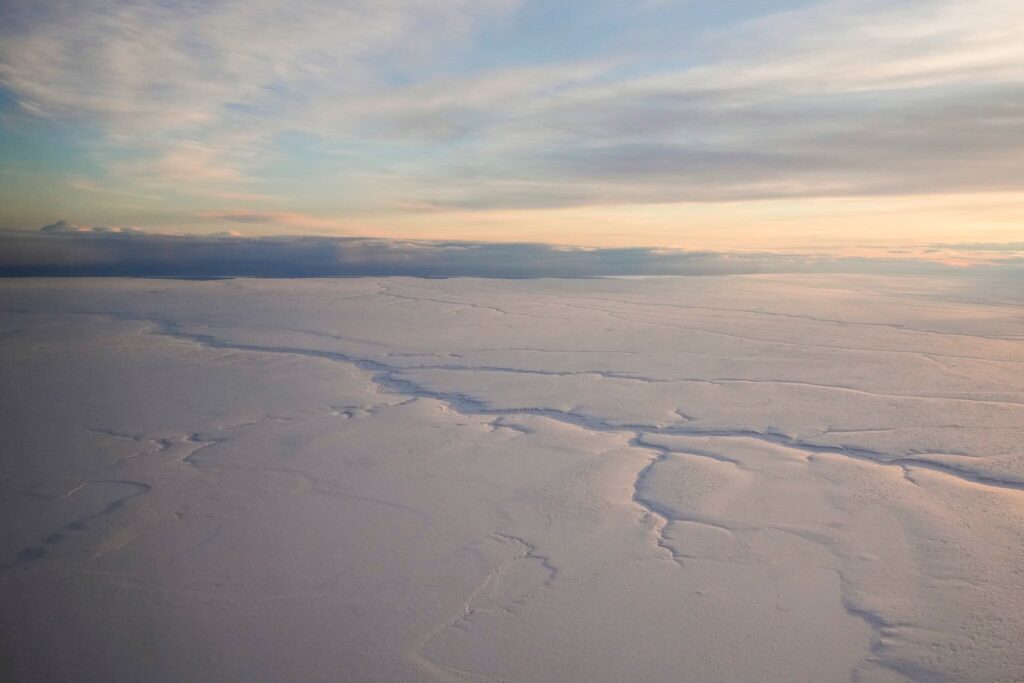
Impact patterns vary. Tropical regions face heightened heat stress and biodiversity loss, while Arctic areas experience the fastest temperature rise, threatening permafrost stability. Small island developing states confront sea‑level rise that can submerge low‑lying land, whereas many inland, high‑income nations grapple with infrastructure retrofitting for flood resilience. These differences stem from geography, economic capacity, and existing governance frameworks.
What Scientists Know With High Confidence
- Anthropogenic greenhouse‑gas emissions are the primary driver of global warming since the mid‑20th century.
- Continued warming will increase the frequency and intensity of extreme weather events.
- Habitat loss is the leading cause of species extinction worldwide.
- Plastic production has exceeded 350 million metric tons annually, and a substantial fraction ends up in the environment.
What Remains Uncertain
Key uncertainties include the exact climate sensitivity value (the temperature response to a doubling of CO₂), which influences projected warming under different emission pathways. The long‑term ecological consequences of micro‑plastic ingestion across diverse taxa remain poorly quantified. Socio‑economic scenarios for rapid decarbonisation depend on policy choices, technology adoption rates, and public acceptance, creating a range of possible outcomes.
Common Misconceptions
Misconception: Individual recycling alone can solve plastic pollution.
Reality: Recycling reduces waste but accounts for only about 9 % of global plastic production. Systemic changes—such as reducing single‑use items, redesigning packaging, and implementing extended producer responsibility—are required for substantial impact.
Misconception: Climate change only affects polar regions.
Reality: While the Arctic warms fastest, heatwaves, droughts, and sea‑level rise affect every continent, influencing agriculture, health, and economies worldwide.
Misconception: Renewable energy is too expensive to replace fossil fuels.
Reality: Levelized cost analyses from the International Energy Agency show that on‑shore wind and utility‑scale solar are now cheaper than new coal or gas plants in most markets.
Solutions and Limitations
Effective responses span mitigation, adaptation, and restoration. Mitigation strategies—such as rapid decarbonisation of power, transport, and industry—offer the greatest long‑term climate benefit but require massive capital investment and policy alignment. Renewable energy deployment reduces emissions but depends on grid integration, storage solutions, and mineral supply chains for batteries. Ecosystem restoration (e.g., reforestation) sequesters carbon and supports biodiversity, yet success hinges on land‑use rights, species selection, and long‑term maintenance. Adaptation measures—like flood‑defense infrastructure and drought‑resilient crops—protect vulnerable communities but can be costly and may shift risk elsewhere. Each approach carries trade‑offs, and no single measure can address all dimensions of the crisis.
What Individuals, Communities, and Governments Can Do
What Individuals Can Do
- Reduce personal carbon footprints by using public transit, cycling, or electric vehicles where feasible.
- Choose renewable‑energy plans or install rooftop solar where possible.
- Minimize single‑use plastics; opt for reusable containers and support zero‑waste retailers.
- Support biodiversity by planting native species and protecting local green spaces.
- Engage in civic actions—voting, contacting representatives, and participating in community clean‑ups.
What Communities and Organizations Can Do
- Develop local climate‑action plans that prioritize vulnerable neighborhoods.
- Implement waste‑segregation programs and partner with manufacturers for take‑back schemes.
- Invest in green infrastructure, such as urban trees, permeable pavements, and rain gardens.
- Facilitate education workshops on sustainable practices for schools and workplaces.
What Governments Can Do
- Enact carbon pricing mechanisms that internalize the cost of emissions.
- Set ambitious renewable‑energy targets and provide subsidies for clean‑technology research.
- Strengthen regulations on plastic production, including bans on non‑essential single‑use items.
- Protect and expand protected areas to conserve critical habitats and migration corridors.
- Allocate funding for climate‑resilient infrastructure in flood‑prone and heat‑vulnerable regions.
Closing Synthesis
Protecting the planet is a multidimensional challenge rooted in well‑documented climate, biodiversity, and pollution trends. High‑confidence science shows that human activities drive these changes, while uncertainties remain about precise thresholds and socio‑economic pathways. Effective responses require coordinated mitigation, adaptation, and restoration, each with recognized limits. By aligning individual habits, community initiatives, and strong governmental policies, society can steer toward a resilient future where the benefits of a healthy planet are preserved for generations.
Frequently Asked Questions
What is the main purpose of Earth Day?
Earth Day serves to raise global awareness about environmental challenges and to motivate individuals, organizations, and governments to take concrete actions that protect climate, biodiversity, and ecosystems.
How do greenhouse gases affect global temperature?
Greenhouse gases like CO₂ trap infrared radiation in the atmosphere, causing the planet’s average temperature to rise—a process confirmed by long‑term temperature records and the IPCC’s assessments.
Why is plastic pollution considered a major environmental problem?
Plastic production exceeds 350 million metric tons each year, and most of it ends up in oceans or landfills, where it persists for centuries, harms wildlife, and enters food webs as micro‑plastics.
What are the most effective actions governments can take to protect the planet?
Governments can implement carbon pricing, set renewable‑energy targets, enforce plastic bans, expand protected areas, and invest in climate‑resilient infrastructure to address the root causes of environmental degradation.
Can individual lifestyle changes really make a difference?
Individual actions—like reducing energy use, choosing renewable power, cutting single‑use plastics, and supporting sustainable policies—aggregate across millions of people and create market and political pressure for larger systemic changes.






Leave a Comment