Air pollution, driven by industrial, transport, agricultural and natural sources, harms human health and ecosystems, while also influencing climate, making understanding its causes, effects and evidence essential for effective action.
Quick Answer
Air pollution is the presence of harmful substances—particulate matter, gases and chemicals—in the atmosphere at levels that damage living organisms or the environment. Emissions from fossil‑fuel combustion, industrial processes and agriculture release pollutants that undergo chemical reactions, forming fine particles and toxic gases that can be inhaled or deposited on land and water. Scientific assessments consistently show that exposure increases the risk of respiratory and cardiovascular disease, reduces life expectancy, and contributes to climate warming. Although uncertainties remain about exact dose‑response relationships for some pollutants, the overall consensus is that reducing emissions yields clear health and environmental benefits.
Key Takeaways
- Primary sources of air pollution are fossil‑fuel combustion, industrial processes, and modern agriculture.
- Fine particulate matter (PM₂.₅) and ozone are the pollutants most strongly linked to premature death.
- Air pollution not only harms human health but also damages ecosystems, reduces crop yields and accelerates climate change.
- Evidence from long‑term monitoring and large‑scale epidemiological studies provides high confidence in these impacts.
- Effective solutions combine cleaner energy, stricter standards, urban planning and community‑level actions, each with distinct trade‑offs.
What Is Causes and Effects of Air Pollution on Health and the Planet?
Air pollution refers to a mixture of solid particles, liquid droplets and gases that exceed natural background levels and cause adverse effects. The term encompasses a range of pollutants—particulate matter (PM₁₀, PM₂.₅), nitrogen oxides (NOₓ), sulfur dioxide (SO₂), ozone (O₃), carbon monoxide (CO), volatile organic compounds (VOCs) and ammonia (NH₃). These substances differ in size, chemical reactivity and lifespan in the atmosphere, which determines how they affect air quality, climate and biological systems. Distinguishing air pollution from climate‑forcing gases is important: some pollutants (e.g., black carbon) both degrade air quality and warm the climate, while others (e.g., sulfate aerosols) cool the climate but harm health.
How Does It Work?
1. Emission Sources
Combustion of coal, oil and gas in power plants, vehicles and residential heating releases NOₓ, SO₂, CO and primary PM. Industrial processes such as cement production and metal smelting emit similar gases and metal‑rich particles. Agriculture contributes NH₃ from fertilizers and methane (CH₄) from livestock, which can form secondary pollutants. Natural sources—wildfires, dust storms, volcanic eruptions—add episodic spikes of PM and gases.
2. Atmospheric Chemistry
Once emitted, gases undergo photochemical reactions driven by sunlight. NOₓ and VOCs react to form ground‑level ozone, a potent respiratory irritant. SO₂ and NH₃ can combine with water vapor to create sulfate and ammonium aerosols, which contribute to fine PM. These secondary particles are often smaller than primary emissions, allowing deeper lung penetration.
3. Transport and Deposition
Wind carries pollutants across regional and even continental scales. Fine particles and gases can remain aloft for days to weeks, while larger particles settle more quickly. Deposition onto soil, water bodies and vegetation introduces contaminants into ecosystems, affecting plant growth, soil chemistry and aquatic life.
4. Feedback Loops
Some pollutants influence climate, which in turn modifies air quality. For example, warming can increase the frequency of wildfires, releasing more PM. Conversely, certain aerosols reflect sunlight, producing a short‑term cooling effect that may mask underlying warming trends.
What Does the Evidence Show?
Long‑term monitoring by the World Health Organization (WHO) indicates that ambient PM₂.₅ levels above 10 µg m⁻³ are associated with a 7 % increase in all‑cause mortality (WHO Global Air Quality Guidelines, 2021). A systematic review of cohort studies covering more than 4 million people across 20 countries found consistent links between PM₂.₅ exposure and cardiovascular disease (Lancet Planetary Health, 2020). The Intergovernmental Panel on Climate Change (IPCC) AR6 reports that black carbon and ozone are short‑lived climate forcers that also impair human health. Satellite observations combined with ground stations show that regions with rapid industrialization—such as South‑East Asia—experience the highest average PM₂.₅ concentrations, often exceeding 50 µg m⁻³.
Main Causes or Drivers
Direct Causes
- Fossil‑fuel combustion in power generation, transport and residential heating.
- Industrial emissions of SO₂, NOₓ and metal particles.
- Agricultural release of NH₃ and CH₄.
- Biomass burning, including wildfires and agricultural residue clearing.
Underlying Drivers
- Economic growth that prioritises high‑energy, high‑emission activities.
- Urbanization that concentrates traffic and energy demand.
- Policy gaps or weak enforcement of emission standards.
- Technological lock‑in to coal and diesel infrastructure.
Environmental and Human Impacts
Environmental Impacts
Acid deposition from SO₂ and NOₓ harms forests, soils and freshwater ecosystems, reducing biodiversity and altering nutrient cycles. Fine particles scatter and absorb sunlight, influencing regional climate patterns. Ozone damages crop foliage, leading to yield losses estimated at up to 10 % in heavily polluted regions (FAO, 2019). Airborne nitrogen deposition can cause eutrophication in lakes, triggering algal blooms.
Human Health and Social Impacts
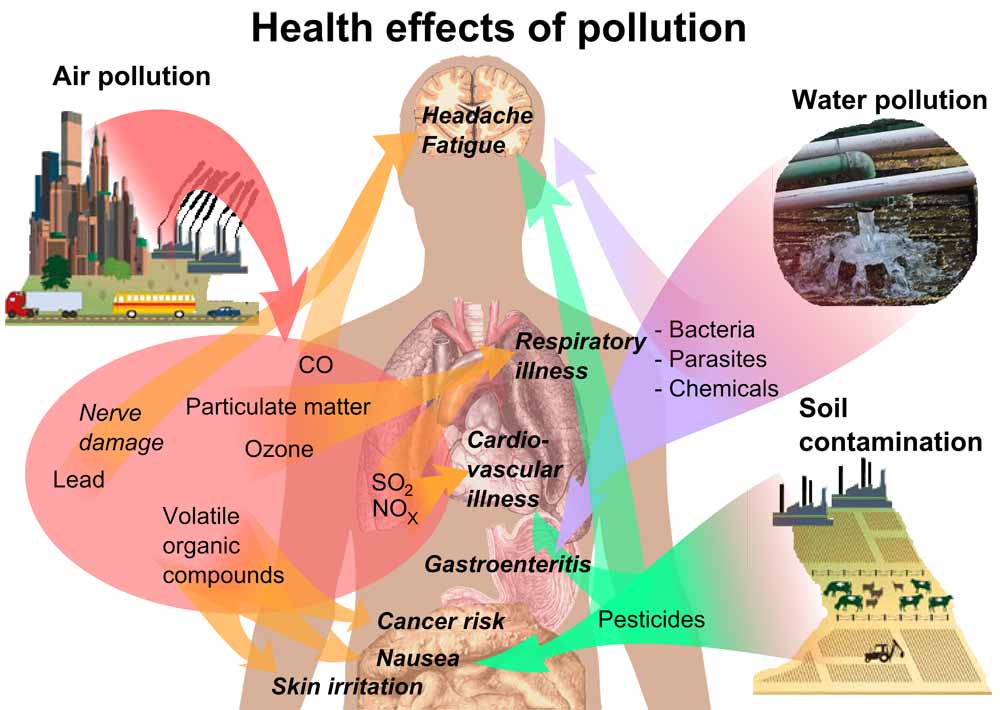
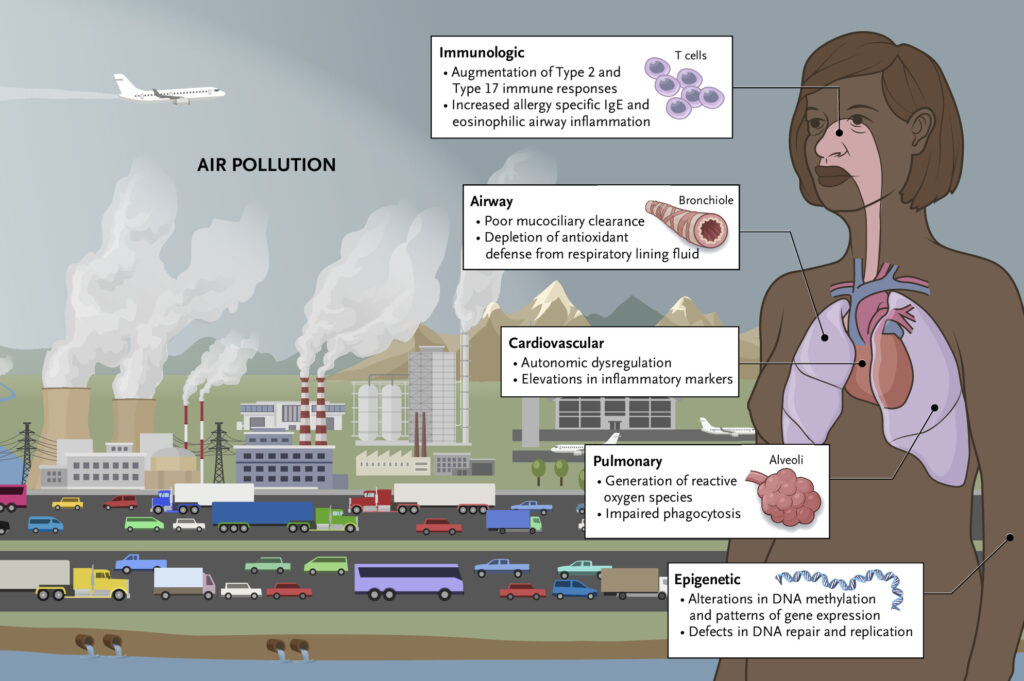
Inhalation of PM₂.₅ and ozone triggers inflammation, exacerbating asthma, chronic obstructive pulmonary disease and heart disease. The WHO estimates that outdoor air pollution caused 4.2 million premature deaths worldwide in 2016, with the greatest burden in low‑ and middle‑income countries. Children, the elderly and outdoor workers are disproportionately affected. Chronic exposure is also linked to reduced cognitive function and increased risk of depression, as shown in longitudinal cohort analyses.
Regional Differences
High‑income urban centers in Europe and North America have reduced average PM₂.₅ levels over the past two decades due to stricter regulations, yet still experience episodic spikes from traffic and wildfires. In contrast, rapidly industrialising cities in South‑East Asia regularly record PM₂.₅ concentrations above 100 µg m⁻³, driven by coal‑fired power plants and dense traffic. Rural agricultural regions may face elevated ammonia and secondary nitrate particles, while arid zones experience dust storms that dominate particulate loads.
What Scientists Know With High Confidence
- Exposure to fine particulate matter (PM₂.₅) increases mortality risk from cardiovascular and respiratory diseases.
- Ground‑level ozone is a respiratory irritant that reduces lung function and aggravates asthma.
- Combustion of fossil fuels is the dominant source of anthropogenic air pollutants globally.
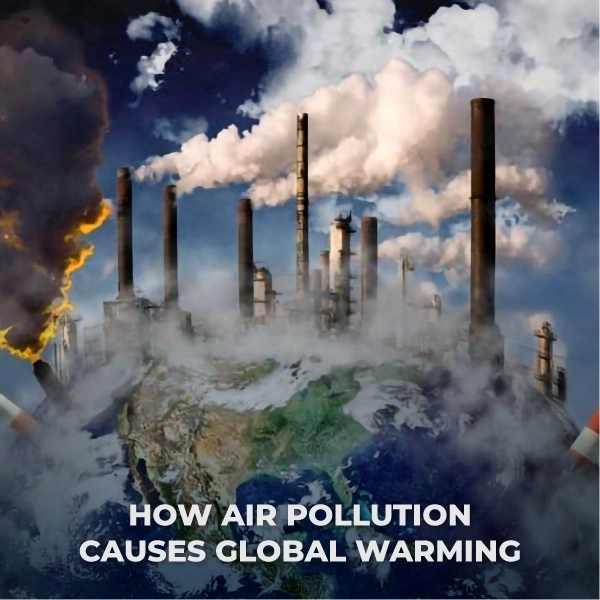
- Air pollution contributes to climate change through short‑lived climate forcers such as black carbon.
- Regulatory actions that lower emissions of SO₂, NOₓ and PM lead to measurable improvements in public health within years.
What Remains Uncertain
Key uncertainties include the precise dose‑response curve for ultra‑fine particles (PM₀.₁) and their long‑term neurological effects, the interaction between air pollutants and emerging infectious diseases, and the regional effectiveness of low‑cost sensor networks for monitoring in low‑income settings. Better data on indoor‑outdoor pollutant exchange would also refine exposure assessments.
Common Misconceptions
Misconception: Only “smoggy” cities suffer from air pollution.
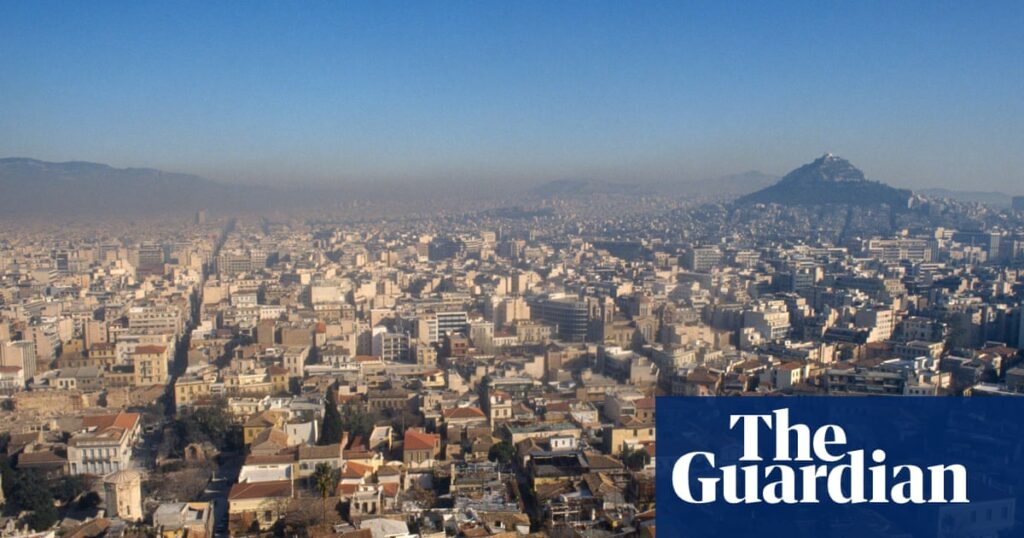
Reality: Pollution can be severe in seemingly clear‑sky regions due to invisible gases and fine particles; rural areas downwind of industrial zones also experience health‑relevant exposures.
Misconception: Air pollution is only a health issue, not an environmental one.
Reality: Pollutants damage ecosystems, reduce crop yields, acidify soils and water, and interact with climate systems, creating broad ecological consequences.
Misconception: Switching to electric cars eliminates air‑quality problems.
Reality: While tailpipe emissions fall, electricity generation, battery production and increased demand can shift pollutants to power plants unless the grid is decarbonised.
Solutions and Limitations
Effective responses combine multiple strategies:
- Prevention: Phasing out coal, improving energy efficiency and promoting public transit reduce source emissions, but require substantial capital investment and policy coordination.
- Mitigation: Installing flue‑gas desulfurisation, selective catalytic reduction for NOₓ, and particulate filters curtail industrial releases; however, retrofitting older plants can be technically and financially challenging.
- Adaptation: Urban greening and air‑filtration systems can lower exposure in dense neighborhoods, yet they do not address the root cause and may have maintenance costs.
- Nature‑based approaches: Restoring wetlands and forests can capture ammonia and particulate matter, but their capacity is limited compared with total emissions.
What Individuals, Communities, and Governments Can Do
What Individuals Can Do
Choose low‑emission transport modes, reduce indoor combustion (e.g., wood stoves), support clean‑energy tariffs, and use air‑quality apps to limit outdoor activity during high‑pollution episodes.
What Communities and Organizations Can Do
Implement low‑emission zones, invest in real‑time monitoring networks, encourage telecommuting, and adopt green procurement standards that favour low‑pollution suppliers.
What Governments Can Do
Set and enforce stringent ambient air quality standards, subsidise renewable energy, phase out coal subsidies, and fund research on health‑impact assessments. International cooperation, such as through the UNECE Convention on Long‑Range Transboundary Air Pollution, is essential for cross‑border pollution control.
Looking Ahead
Understanding the causes and effects of air pollution rests on robust monitoring, interdisciplinary science and transparent policy. High‑confidence evidence shows that reducing emissions yields immediate health gains and long‑term climate benefits. While uncertainties persist around ultra‑fine particles and exposure in underserved regions, targeted research and expanded monitoring can close these gaps. Coordinated action across technology, regulation and community engagement offers the most realistic path toward cleaner air for both people and the planet.
Frequently Asked Questions
What is air pollution and why does it matter?
Air pollution is the presence of harmful particles and gases in the atmosphere above natural levels. It matters because it damages human health, harms ecosystems, reduces crop yields and contributes to climate change, affecting both people and the planet.
Which pollutants are most harmful to human health?
Fine particulate matter (PM₂.₅) and ground‑level ozone are the most harmful; epidemiological studies link PM₂.₅ to cardiovascular and respiratory deaths, while ozone irritates the lungs and worsens asthma.
How does air pollution affect climate change?
Some air pollutants, such as black carbon and ozone, absorb sunlight and warm the atmosphere, acting as short‑lived climate forcers. Others, like sulfate aerosols, reflect sunlight and cause temporary cooling, creating complex climate feedbacks.
What are the biggest sources of air pollution worldwide?
The largest sources are fossil‑fuel combustion in power plants, transport and industry, followed by agricultural emissions of ammonia and methane, and natural events like wildfires that add particulate matter.
What actions can individuals take to reduce their exposure?
Individuals can choose low‑emission transportation, avoid indoor burning, support clean‑energy policies, monitor local air quality and limit outdoor activity during high‑pollution alerts, thereby lowering personal exposure.





Leave a Comment