
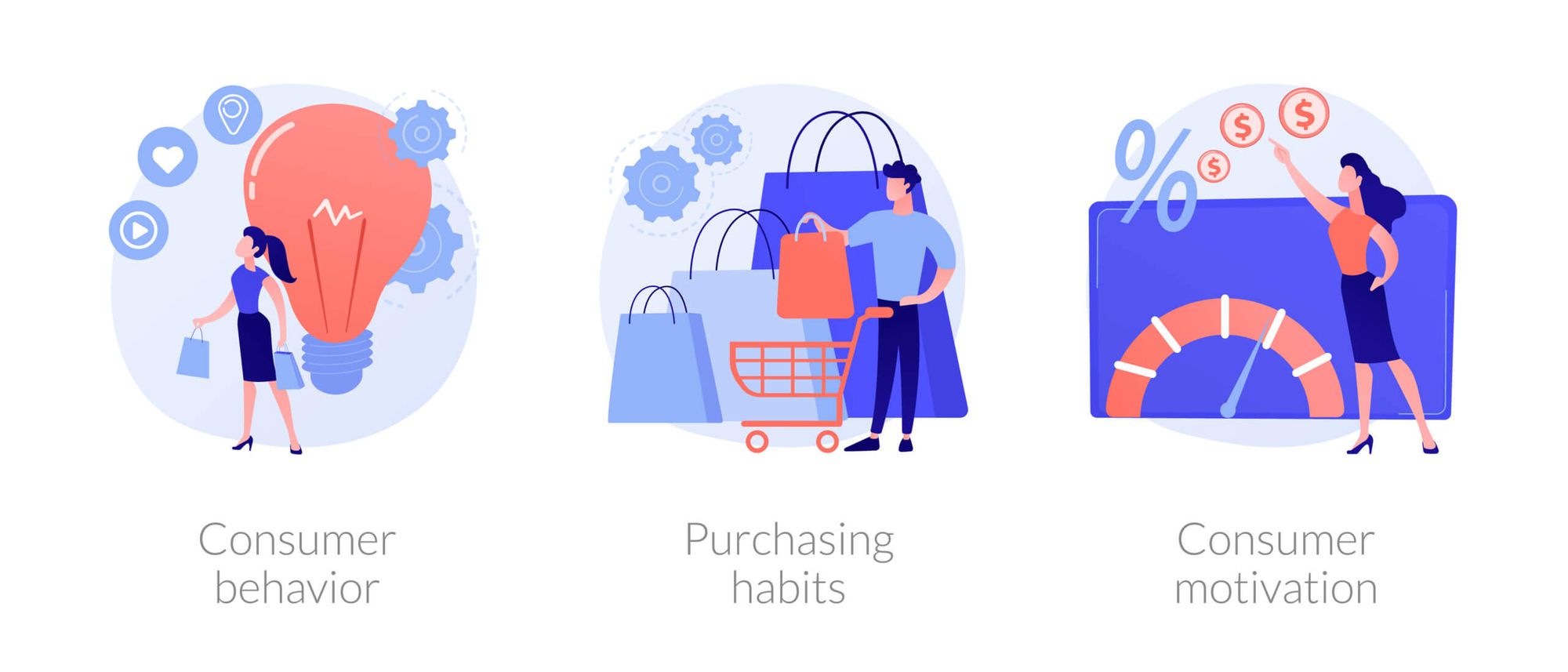
Carbon labels disclose the greenhouse‑gas emissions linked to a product’s life cycle, helping shoppers gauge environmental impact and potentially steering purchases toward lower‑carbon options.
Quick Answer
Carbon labels are standardized indicators that show the amount of CO₂‑equivalent emissions associated with a product from raw material extraction to disposal. By translating complex life‑cycle data into a single figure or grade, they give consumers a tangible cue for greener choices. The scientific literature, including systematic reviews by the European Commission (2022) and field experiments in the United Kingdom (2021), indicates that clear, trusted labels can modestly increase the purchase of lower‑carbon alternatives, though the effect varies by product category and consumer segment. Uncertainty remains around long‑term behavioural shifts and the consistency of label methodologies across borders.
Key Takeaways
- Carbon labels translate life‑cycle emissions into a simple, comparable metric displayed at the point of sale.
- Evidence shows they can nudge a proportion of shoppers—especially environmentally‑concerned Millennials and Gen Z—toward lower‑carbon products.
- Label effectiveness hinges on clarity, third‑party verification, and consumer trust; confusing or unverified claims often backfire.
- Industry response can lead to supply‑chain improvements, but uneven adoption across sectors limits overall impact.
- Policy support, such as mandatory standards and public education, enhances both uptake and behavioural outcomes.
What Is Carbon Labels on Products: Do They Change Consumer Behavior?
Carbon labels are informational tags that quantify the greenhouse‑gas emissions (expressed as CO₂‑equivalents) generated throughout a product’s life cycle—extraction, manufacturing, transport, use, and end‑of‑life treatment. They differ from generic “eco‑labels” by focusing exclusively on carbon intensity, often using units like kg CO₂e per kilogram of product or a colour‑coded rating system. Labels may be voluntary (e.g., the Carbon Trust Standard) or mandated by national legislation (e.g., France’s “Eco‑Score”). The primary purpose is to make the hidden carbon cost visible, thereby enabling consumers to align purchases with personal climate goals.
How Does It Work?
Step‑by‑Step Process
- Data Collection: Manufacturers gather primary data (energy use, material inputs) and secondary data (industry averages) for each life‑cycle stage.
- Life‑Cycle Assessment (LCA): An LCA, following ISO 14040/44 standards, quantifies emissions for every input and process.
- Allocation & Normalisation: Emissions are allocated to the functional unit (e.g., per litre of milk) and normalised to a common metric.
- Verification: Independent third parties audit the calculations to ensure accuracy and prevent greenwashing.
- Label Design: Results are translated into a consumer‑friendly format—numeric value, colour band, or star rating.
- Communication: Labels appear on packaging, shelf tags, or digital product pages, often accompanied by brief explanatory text.
Human‑System Interaction
When shoppers encounter a label, visual cues trigger a rapid heuristic assessment. If the label is clear and trusted, it can override habitual brand loyalty and shift the purchase decision toward a lower‑emission alternative. The process is reinforced by social norms: visible labels create a collective expectation that responsible consumption is the default.
What Does the Evidence Show?
Multiple lines of research converge on a modest but measurable behavioural effect. A 2022 meta‑analysis of 31 field experiments across Europe and North America found an average 5‑9 % increase in sales of products bearing a clear carbon label compared with unlabeled controls (European Commission, 2022). Laboratory choice‑modelling studies report similar trends, especially when labels are paired with a simple colour scale (e.g., green = low, red = high). However, the “value‑action gap” persists: surveys show that up to 70 % of consumers claim to consider climate impact, yet only about one‑third act on that preference in real‑world purchases (UNEP, 2021). The disparity is greater for high‑price items or when labels are absent from the shelf‑edge.
Evidence also indicates that third‑party verification substantially boosts label credibility. In a UK supermarket trial, products with a verified carbon label saw a 12 % uplift, whereas self‑declared labels produced no statistically significant change (Retail Climate Initiative, 2021).
Main Causes or Drivers
Direct Causes
The immediate driver of label impact is the provision of transparent, comparable emission data at the point of decision.
Underlying Drivers
- Consumer Climate Awareness: Growing concern about climate change, especially among younger cohorts, creates demand for actionable information.
- Regulatory Momentum: Policies such as the EU’s Sustainable Products Initiative encourage standardisation.
- Corporate Reputation Management: Brands adopt labels to signal sustainability and differentiate from competitors.
Environmental and Human Impacts
Environmental Impacts
When labels shift demand toward lower‑carbon goods, manufacturers may adopt cleaner energy, improve material efficiency, or redesign logistics. Modelling by the International Energy Agency (IEA, 2022) suggests that a 10 % market share for labelled low‑carbon foods could cut global food‑system emissions by roughly 0.3 Gt CO₂e per year—equivalent to the annual emissions of Spain.
Human Health and Social Impacts
Reduced reliance on fossil‑fuel‑intensive products can improve air quality, lowering respiratory disease incidence in urban areas (WHO, 2021). Moreover, transparent labeling supports informed consumer choice, which can enhance perceived agency and mental well‑being among climate‑concerned citizens.
Regional Differences
Adoption rates vary markedly. The European Union leads with voluntary schemes and emerging mandatory requirements, while the United States relies largely on private‑sector initiatives. In South‑East Asia, limited data infrastructure hampers comprehensive LCAs, resulting in sparse labeling. Conversely, New Zealand’s dairy sector has pioneered carbon‑footprint labelling, achieving a 6 % reduction in high‑emission product sales within two years (NZ Ministry for the Environment, 2023). These patterns reflect differences in regulatory capacity, consumer demand, and supply‑chain transparency.
What Scientists Know With High Confidence
- Life‑cycle assessment methods (ISO 14040/44) provide a robust framework for quantifying product‑level emissions.
- Clear, third‑party‑verified carbon labels can influence a measurable share of consumer choices.
- The overall carbon intensity of global consumption is a major driver of climate change; reducing product‑level emissions is a recognised mitigation pathway (IPCC, 2021).
What Remains Uncertain
Key gaps include the durability of behavioural change over time, the extent to which labels affect high‑frequency purchases (e.g., fast‑moving consumer goods), and the feasibility of a globally harmonised labeling standard. Additionally, the indirect effects on supply‑chain emissions are difficult to isolate because manufacturers may simultaneously pursue multiple sustainability initiatives.
Common Misconceptions
Misconception: Carbon labels guarantee a product is “climate‑friendly.”
Reality: Labels report the carbon intensity of a specific product, not the overall sustainability of its production system; other impacts (e.g., water use, biodiversity loss) may remain high.
Misconception: All carbon labels are created equal.
Reality: Methodologies differ—some rely on generic industry averages, while others use product‑specific data verified by independent auditors. The level of rigor influences reliability.
Misconception: If a product has a low carbon label, its total environmental impact is negligible.
Reality: Carbon is only one dimension of environmental impact; a low‑carbon product can still have adverse effects on soil health, water quality, or social equity.
Solutions and Limitations
Effective strategies to maximise the climate benefit of carbon labels include:
- Standardisation: Developing a universally accepted metric (e.g., kg CO₂e per functional unit) reduces consumer confusion but requires international coordination.
- Mandatory Disclosure: Legislation can level the playing field, yet enforcement costs may burden small producers.
- Education Campaigns: Helping shoppers interpret labels boosts impact, though outreach must be culturally appropriate and accessible.
- Integration with Pricing: Coupling labels with carbon‑pricing mechanisms can create stronger economic incentives, but political resistance can limit implementation.
Each approach carries trade‑offs. Voluntary schemes risk greenwashing, while strict mandates may slow market entry for innovative products lacking full LCA data.
What Individuals, Communities, and Governments Can Do
What Individuals Can Do
- Look for verified carbon labels when shopping for food, apparel, and electronics.
- Prioritise products with lower kg CO₂e per functional unit, even if the price premium is modest.
- Support retailers that provide transparent carbon information.
- Participate in community workshops that explain label meanings and calculation methods.
What Communities and Organizations Can Do
- Encourage local businesses to adopt third‑party‑verified carbon labeling.
- Develop collective procurement policies that favour low‑carbon suppliers.
- Partner with NGOs to audit and publicise carbon footprints of regional products.
What Governments Can Do
- Establish a clear, science‑based labeling standard aligned with ISO 14040/44.
- Provide subsidies or tax incentives for companies that undergo rigorous LCA and verification.
- Mandate disclosure for high‑impact categories such as meat, dairy, and construction materials.
- Invest in public education campaigns to improve label literacy.
Putting It All Together
Carbon labels transform abstract emission figures into a concrete decision‑making tool. High‑confidence evidence confirms that clear, trustworthy labels can nudge a segment of shoppers toward lower‑carbon options, prompting manufacturers to improve product footprints. Nevertheless, uncertainties about long‑term behavioural shifts and global standardisation mean that labels are one piece of a broader mitigation portfolio. When combined with robust policy frameworks, consumer education, and supply‑chain transparency, carbon labeling can help steer markets toward a lower‑emission future without over‑promising rapid, system‑wide change.
Frequently Asked Questions
What are carbon labels and what information do they show?
Carbon labels are tags that report the amount of CO₂‑equivalent emissions linked to a product’s life cycle, usually expressed as kilograms of CO₂e per unit of product or as a colour‑coded rating.
How reliable are carbon labels on consumer goods?
Reliability depends on the methodology and verification. Labels based on ISO‑compliant life‑cycle assessments and audited by independent third parties are considered trustworthy, whereas self‑declared figures without verification are prone to greenwashing.
Do carbon labels actually lead to lower‑carbon purchases?
Research across Europe and North America shows that clear, third‑party‑verified carbon labels can increase sales of lower‑emission products by 5‑12 %, especially among environmentally‑concerned shoppers, though the effect varies by category.
Which product categories have the most carbon‑label coverage?
Food and beverage, especially meat, dairy, and packaged goods, have the highest labeling rates, followed by apparel and electronics where voluntary schemes are gaining traction in Europe and New Zealand.
How can consumers use carbon labels to reduce their personal carbon footprint?
Consumers can compare the kg CO₂e values shown on labels, choose products with lower numbers or greener colour bands, and combine this with habits such as buying less, opting for durable goods, and supporting retailers that provide transparent carbon information.





Leave a Comment