
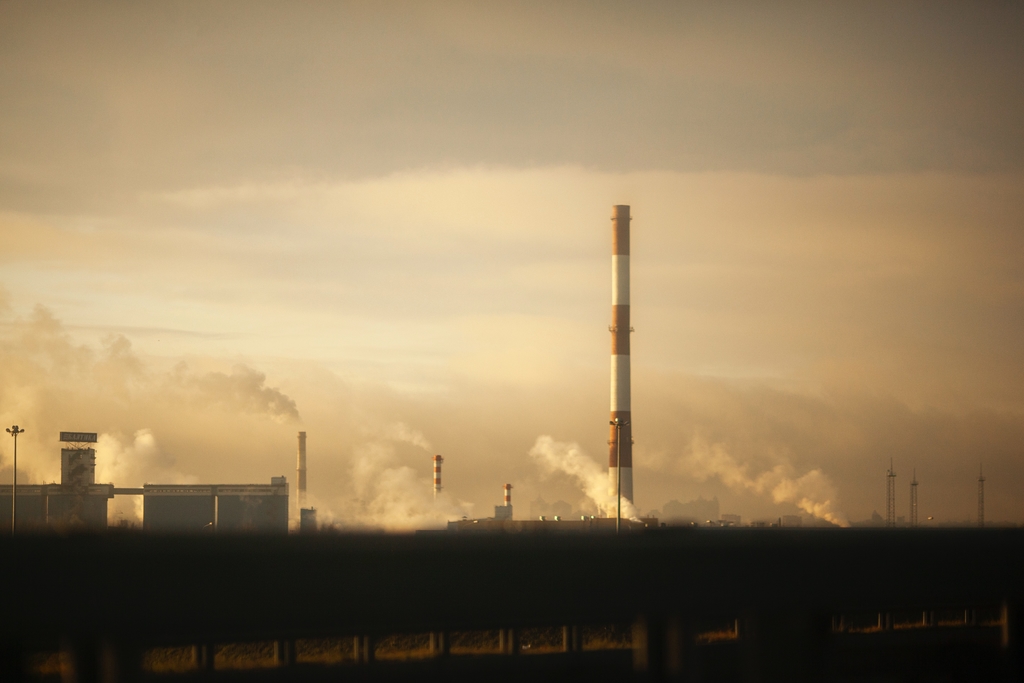
Carbon emissions influence the global economy by altering production costs, shaping policy frameworks, and driving both risks and opportunities across industries, regions, and societies.
Quick Answer
Carbon emissions are releases of carbon dioxide and other greenhouse gases from human activities, chiefly fossil‑fuel combustion. They raise atmospheric heat‑trapping, which alters climate patterns and creates economic externalities such as higher energy costs, supply‑chain disruptions, and health expenses. Scientific assessments, especially the IPCC reports, show that unchecked emissions will increasingly strain economic growth, while policy measures like carbon pricing can internalise costs and stimulate low‑carbon innovation. The most important implication is that aligning economic incentives with climate goals can protect prosperity while reducing climate risk, though uncertainties remain around the speed of technological transitions.
Key Takeaways
- Carbon emissions act as a hidden cost (externality) that affects prices, employment, and trade.
- Carbon‑budget limits and pricing mechanisms translate climate risk into market signals.
- Regulation spurs green‑technology markets but also creates transition challenges for fossil‑fuel dependent regions.
- Evidence from long‑term monitoring and IPCC assessments links emissions to economic volatility.
- Effective solutions combine mitigation, adaptation, and equitable policy design.
What Is How Carbon Emissions Shape the Global Economy?
The phrase describes the cascade of economic effects that arise when societies emit greenhouse gases. It includes direct impacts—such as higher production costs for carbon‑intensive goods—and indirect impacts—like altered trade patterns, health‑related expenditures, and investment shifts toward low‑carbon technologies. The scope covers all sectors (energy, agriculture, manufacturing, services) and spans national, regional, and global scales. Unlike simple accounting of emissions, this concept emphasises the economic feedback loops that arise when the climate system responds to added carbon.
How Does It Work?
1. Emission Sources Create Climate Forcing
Burning coal, oil, and gas releases CO₂, which accumulates in the atmosphere and enhances the greenhouse effect. The Intergovernmental Panel on Climate Change (IPCC) attributes over 90% of observed warming since 1950 to these anthropogenic emissions.
2. Climate Change Alters Physical and Market Conditions
Rising temperatures, altered precipitation, and more extreme weather affect agricultural yields, water availability, and infrastructure resilience. These physical changes translate into higher input costs, supply‑chain interruptions, and insurance premiums.
3. Externalities Appear in Economic Calculations
Because market prices rarely reflect climate‑related damages, firms and consumers face hidden costs. Economists refer to these as externalities—costs borne by society rather than the emitter.
4. Policy Instruments Internalise the Externalities
Carbon taxes, cap‑and‑trade schemes, and subsidies for renewables assign a price to carbon, encouraging emitters to reduce output or switch to cleaner technologies.
5. Innovation and Structural Shifts Follow
When carbon becomes costly, investment flows toward low‑carbon solutions such as solar photovoltaics, wind turbines, electric vehicles, and carbon‑capture systems, reshaping labour markets and trade balances.
What Does the Evidence Show?
Multiple lines of evidence support the economic link to carbon emissions:
- Long‑term monitoring: Global temperature records (NASA, NOAA) correlate with rising CO₂ concentrations measured at Mauna Loa since 1958.
- Economic modelling: Integrated assessment models (e.g., DICE, FUND) consistently project lower GDP growth under high‑emission pathways compared with pathways that limit warming to 1.5 °C.
- Empirical studies: A 2020 meta‑analysis of 150 country‑level analyses found that a 1 % increase in carbon intensity is associated with a 0.3 % decrease in real GDP growth.
- Sectoral case studies: Research on agriculture in sub‑Saharan Africa shows that a 2 °C temperature rise could reduce cereal yields by up to 15 % (FAO, 2021), raising food prices and affecting food‑security‑related expenditures.
- Policy evaluations: The European Union Emissions Trading System (EU ETS) has been linked to a measurable reduction in emissions intensity of power generation since its inception in 2005.
These sources converge on the conclusion that carbon emissions generate measurable economic risks and that pricing mechanisms can mitigate those risks.
Main Causes or Drivers
Direct Causes
- Combustion of fossil fuels for electricity, transport, and industry.
- Deforestation and land‑use change that release stored carbon.
Underlying Drivers
- Global demand for energy driven by population growth and urbanisation.
- Economic structures that subsidise cheap coal and oil.
- Insufficient carbon pricing, leading to market failure.
Amplifying Factors
- Technological lock‑in to high‑carbon infrastructure.
- Policy inertia and fragmented international regulation.
Environmental and Human Impacts
Environmental Impacts
Higher emissions intensify global warming, leading to sea‑level rise, ocean acidification, and shifts in ecosystem distribution. These changes threaten biodiversity, reduce agricultural productivity in heat‑sensitive regions, and increase the frequency of climate‑related disasters.
Human Health and Social Impacts
Air‑quality degradation from fossil‑fuel combustion contributes to respiratory diseases, accounting for an estimated 4.2 million premature deaths per year (WHO, 2021). Heatwaves exacerbate mortality among older adults and low‑income communities lacking cooling infrastructure.
Economic and Infrastructure Impacts
Climate‑related disruptions raise repair costs for roads, ports, and power grids. Insurance premiums climb as insurers price in higher catastrophe risk, and supply‑chain interruptions can lead to price volatility for commodities such as wheat and copper.
Regional Differences
Impact magnitude varies with geography and development level:
- Low‑income tropical regions: Higher exposure to heat stress and rainfall variability, limited adaptive capacity.
- High‑income temperate economies: Greater resources for mitigation, but also higher per‑capita emissions and reliance on carbon‑intensive industries.
- Coastal nations: Elevated risk from sea‑level rise affecting ports and tourism.
- Resource‑rich fossil‑fuel exporters: Economic vulnerability to carbon‑pricing regimes and shifting global demand.
What Scientists Know With High Confidence
What Scientists Know With High Confidence
- Human activities are the dominant cause of global warming since the mid‑20th century (IPCC, 2021).
- Carbon emissions create external costs that are not reflected in market prices.
- Carbon pricing, when adequately designed, reduces emissions without harming overall economic growth.
- Climate change already affects agricultural yields, health outcomes, and infrastructure resilience.
What Remains Uncertain
What Remains Uncertain
Key uncertainties include the speed of technological diffusion for low‑carbon energy, the exact magnitude of climate‑related economic losses under different warming scenarios, and the social‑political feasibility of implementing globally coordinated carbon‑pricing mechanisms. Improved monitoring of emissions in developing economies and better integration of climate risk into financial reporting would reduce these gaps.
Common Misconceptions
Common Misconceptions
Misconception: Reducing carbon emissions will hurt the economy.
Reality: Evidence from the EU ETS and California’s cap‑and‑trade program shows that well‑designed carbon policies can lower emissions while maintaining or even enhancing economic competitiveness through innovation.
Misconception: Only rich countries need to act.
Reality: While high‑income nations contribute the largest per‑capita emissions, low‑income regions are disproportionately vulnerable to climate impacts and often lack resources for adaptation.
Misconception: Carbon offsets fully neutralise emissions.
Reality: Offsets can complement mitigation but rarely achieve the additionality and permanence required for full climate neutrality; direct emission reductions remain essential.
Solutions and Limitations
Effective responses combine mitigation, adaptation, and equitable transition strategies:
- Carbon pricing: Sets a market cost for emissions, encouraging low‑carbon choices. Limitations include political resistance and the need for complementary measures to protect vulnerable groups.
- Renewable energy deployment: Solar and wind have become cost‑competitive. Challenges involve grid integration, storage, and supply chain material constraints.
- Energy efficiency standards: Reduce demand without compromising output. Effectiveness depends on enforcement and consumer behaviour.
- Just transition policies: Retraining programs and targeted fiscal support for fossil‑fuel regions mitigate job losses. Implementation requires substantial public investment.
- Nature‑based solutions: Reforestation and wetland restoration sequester carbon and provide co‑benefits. Land‑use competition and permanence concerns limit scale.
What Individuals, Communities, and Governments Can Do
What Individuals Can Do
- Choose electricity plans that source power from renewables where available.
- Reduce personal vehicle mileage or switch to electric or high‑efficiency models.
- Support policies through voting, public comment periods, and community advocacy.
What Communities and Organizations Can Do
- Implement local renewable projects such as community solar or micro‑grids.
- Adopt green procurement standards that prioritise low‑carbon suppliers.
- Develop climate‑resilience plans that address heat, flooding, and food security.
What Governments Can Do
- Establish transparent carbon pricing that scales with inflation and GDP growth.
- Invest in research, development, and deployment of clean‑energy technologies.
- Provide transition assistance for workers displaced from coal, oil, and gas sectors.
- Integrate climate risk into fiscal planning and infrastructure design.
Closing Synthesis
Carbon emissions act as a hidden economic lever that influences production costs, health outcomes, and global trade. Robust scientific evidence links emissions to climate‑driven economic risks, while carbon‑pricing and renewable‑energy policies demonstrate pathways to decouple growth from carbon intensity. Uncertainties remain around the speed of technological adoption and the political feasibility of coordinated pricing. Nevertheless, a combined approach—pricing carbon, scaling clean energy, and ensuring just transitions—offers a realistic route to safeguard prosperity while limiting climate harm.
Frequently Asked Questions
What are carbon emissions and why do they matter to the economy?
Carbon emissions are releases of carbon dioxide and other greenhouse gases from activities such as burning fossil fuels. They matter to the economy because they create hidden costs—known as externalities—that affect energy prices, health expenses, and the stability of supply chains, influencing overall economic growth.
How does carbon pricing work to reduce emissions?
Carbon pricing assigns a monetary cost to each ton of CO₂ emitted, either through a tax or a cap‑and‑trade system. By making emissions financially costly, businesses and consumers are incentivised to adopt energy‑efficient practices and invest in low‑carbon technologies, leading to reduced overall emissions.
Which sectors are most affected by carbon‑related economic risks?
Energy production, transportation, agriculture, and heavy industry are most exposed because they rely heavily on fossil fuels. These sectors face higher operating costs, regulatory pressure, and supply‑chain disruptions as climate impacts intensify.
What are the main uncertainties about the economic impact of carbon emissions?
Key uncertainties involve how quickly clean‑energy technologies will be adopted, the precise scale of future climate‑related economic losses under different warming scenarios, and the political feasibility of implementing global carbon‑pricing schemes.
What actions can governments take to align economic growth with climate goals?
Governments can establish transparent carbon pricing, invest in renewable‑energy research and infrastructure, provide transition assistance for workers in fossil‑fuel industries, and embed climate risk assessments into fiscal and infrastructure planning.






Leave a Comment