Carbon credits and carbon offsets are market tools that aim to reduce greenhouse‑gas emissions, but they differ in legal basis, purpose, and verification, making each suited to distinct climate‑action strategies.
\n\n
Quick Answer
\n

A carbon credit is a tradable permit representing one metric ton of CO₂‑equivalent that has been avoided or removed under a regulated cap‑and‑trade system; a carbon offset is a voluntary purchase that funds a project elsewhere—such as reforestation or renewable‑energy installation—that achieves an equivalent reduction. Credits are tied to compliance obligations, while offsets let emitters compensate for emissions that cannot yet be eliminated. Both can lower net emissions when they are additional, permanent, and independently verified, though the overall climate benefit depends on robust monitoring and avoidance of double counting.
\n
\n\n
Key Takeaways
\n
- \n
- Carbon credits are issued by governments or authorized bodies and are mandatory for entities in regulated markets.
- Carbon offsets are voluntary and fund projects that reduce emissions outside the buyer’s own operations.
- Both rely on third‑party verification, but credit markets tend to have stricter oversight.
- High‑quality offsets can deliver co‑benefits for biodiversity, water quality, and local livelihoods.
- Misuse—such as double counting or purchasing non‑additional projects—can undermine climate goals.
\n
\n
\n
\n
\n
\n
\n\n
What Is Carbon Credits vs. Carbon Offsets: What’s the Difference?
\n
In climate policy, a carbon credit is a unit that represents the avoidance or removal of one metric ton of CO₂‑equivalent (CO₂e) emissions within a capped system. Governments set an overall emissions limit for a sector or region, allocate or auction permits, and require covered entities to surrender enough credits each year to match their verified emissions. Companies that emit less than their allowance can sell surplus credits on regulated exchanges.
\n
A carbon offset also represents one ton of CO₂e reduction, but it is generated by projects that are not part of a regulatory cap. Typical offset projects include forest conservation, renewable‑energy installations, methane capture from landfills, or soil‑carbon sequestration. Offsets are purchased voluntarily by individuals, corporations, or governments to compensate for emissions that remain after direct reductions. The reduction is certified by standards such as the Verified Carbon Standard (VCS) or Gold Standard.
\n
The two mechanisms share the principle of accounting for emissions, yet they diverge in legal status, market structure, and typical use cases. Credits enforce a cap, creating a price signal for emissions; offsets provide a flexible way to fund additional climate action beyond what a cap can achieve.
\n\n
How Does It Work?
\n
Carbon Credits
\n
- \n
- Regulator establishes a total emissions cap for a sector or geographic region.
- Permits (credits) are allocated to emitters based on historic baselines or auctioned to the highest bidder.
- Each year, companies must measure and verify their emissions and surrender enough credits to cover them.
- If a company reduces emissions below its allocated amount, the surplus credits can be sold on a regulated exchange.
- Buyers use purchased credits to meet compliance, creating a financial incentive for further emission reductions.
\n
\n
\n
\n
\n
\n
Carbon Offsets
\n
- \n
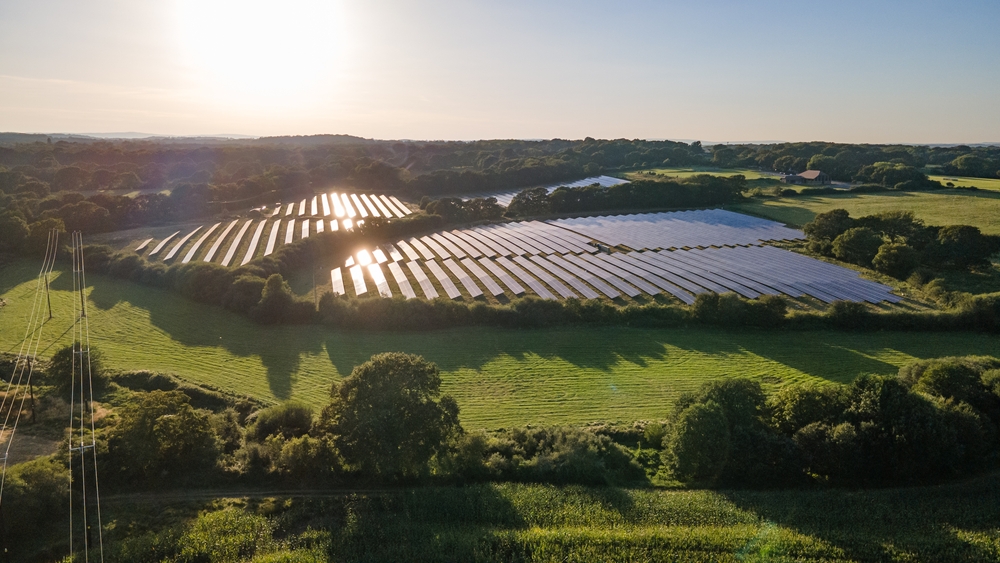
- A project developer designs an activity that reduces or removes CO₂e, such as planting trees or installing solar panels.
- Independent third‑party standards assess the project’s additionality (whether the reduction would not have occurred without the project), permanence, and avoidance of double counting.
- Verified emission reductions are quantified, certified, and issued as offset units.
- Buyers purchase offsets to “neutralise” emissions they cannot yet cut.
- Revenue from offset sales supports the ongoing operation and monitoring of the mitigation project.
\n
\n
\n
\n
\n
\n\n
What Does the Evidence Show?
\n
Long‑term monitoring by the Intergovernmental Panel on Climate Change (IPCC) indicates that market‑based mechanisms can achieve cost‑effective emissions reductions when caps are stringent and enforcement is transparent (IPCC, 2022 Assessment Report). Empirical analysis of the European Union Emissions Trading Scheme (EU ETS) shows a 35 % decline in power‑sector emissions between 2005 and 2019, attributable to the credit price signal (European Environment Agency, 2020).
\n
Systematic reviews of voluntary offset markets find mixed outcomes. Projects that meet rigorous standards—such as VCS or Gold Standard—deliver real, additional reductions, while poorly vetted projects risk “greenwashing” (Bumpus & Liverman, 2021, *Environmental Research Letters*). A 2023 report by EcoAct estimated that the voluntary offset market supplied over 400 MtCO₂e of verified reductions, but highlighted that about one‑third of projects lacked robust additionality evidence.
\n
Overall, the evidence suggests that both tools can contribute to net‑zero pathways, but their climate integrity hinges on strong verification, transparent registries, and avoidance of double counting.
\n\n
Main Causes or Drivers
\n
Regulatory Drivers
\n
Nationally Determined Contributions (NDCs) under the Paris Agreement encourage governments to adopt cap‑and‑trade or credit‑generation schemes to meet emission targets. Legislative mandates create the legal framework for carbon‑credit markets.
\n
Economic Drivers
\n
Rising carbon prices provide a financial motive for firms to invest in low‑carbon technologies. Voluntary offsets allow businesses to meet stakeholder expectations without immediate capital‑intensive upgrades.
\n
Social Drivers
\n
Consumer demand for climate‑responsible brands and corporate ESG commitments fuel growth in the voluntary offset market. Public pressure has led many large corporations to set net‑zero targets that include offset purchases.
\n\n
Environmental and Human Impacts
\n
Environmental Impacts
\n
When properly implemented, a credit‑driven cap reduces total emissions in the covered sector, lowering atmospheric CO₂ concentrations. High‑quality offsets can also deliver co‑benefits such as biodiversity protection, water‑regulation services, and soil‑health improvement.
\n
Human Health and Social Impacts
\n
Reduced fossil‑fuel combustion lowers air pollutants (e.g., PM₂.₅, NOₓ), which the World Health Organization links to fewer premature deaths. Offset projects that improve local air quality or provide clean energy can enhance livelihoods, especially in low‑income communities.
\n
Economic and Infrastructure Impacts
\n
Carbon‑price signals stimulate investment in renewable energy, energy efficiency, and carbon‑capture technologies, supporting job creation in emerging sectors. Conversely, poorly designed credit allocations may cause carbon leakage—where emissions shift to regions with looser regulations.
\n\n
Regional Differences
\n
Europe operates the world’s largest regulated credit market (EU ETS), covering power, industry, and aviation. The United States relies on state‑level programs such as California’s Cap‑and‑Trade and a growing voluntary offset market. Developing nations often host offset projects—e.g., forest conservation in the Amazon or solar farms in Kenya—because project costs are lower and co‑benefits are high. Monitoring capacity varies: high‑income regions typically have real‑time emissions registries, whereas some low‑income countries lack comprehensive verification infrastructure.
\n\n
What Scientists Know With High Confidence
\n
- \n
- Atmospheric CO₂ concentrations are rising due to human activities, and limiting warming to 1.5 °C requires net‑zero emissions by mid‑century (IPCC, 2021).
- Well‑designed market mechanisms can lower emissions cost‑effectively when caps are stringent and enforcement is transparent.
- Additionality and permanence are essential criteria for any credible carbon offset.
- Air‑quality co‑benefits from reduced fossil‑fuel use are measurable and improve public health.
\n
\n
\n
\n
\n
\n\n
What Remains Uncertain
\n
Key uncertainties include the long‑term permanence of biological sequestration projects, the potential for “leakage” where protected forest areas shift logging pressures elsewhere, and the extent to which carbon‑price levels will remain sufficient to drive deep decarbonisation across all sectors. Improved global registries and standardized monitoring, reporting, and verification (MRV) protocols are needed to reduce these gaps.
\n
\n\n
Common Misconceptions
\n
Misconception: Carbon offsets allow companies to emit without any real impact.
\n
Reality: Offsets can deliver genuine emission reductions when projects are additional, verified, and permanent, but they do not replace the need for direct emission cuts.
\n
Misconception: All carbon credits are the same.
\n
Reality: Credits differ by regulatory regime, vintage year, and allowed sectors; some include stringent compliance checks, while others (e.g., “unallocated” credits) may have weaker oversight.
\n
Misconception: Purchasing offsets guarantees a carbon‑neutral product.
\n
Reality: Carbon‑neutral claims are valid only if the offset portfolio is fully accounted for, avoids double counting, and covers the entire life‑cycle emissions of the product.
\n
Misconception: Offsets are always “green” for the environment.
\n
Reality: Poorly designed projects can cause land‑use conflicts, biodiversity loss, or social displacement, underscoring the need for rigorous standards.
\n
Misconception: Credit markets automatically lead to emission reductions.
\n
Reality: Over‑allocation of permits or weak enforcement can blunt the price signal, limiting the incentive for firms to cut emissions.
\n
\n\n
Solutions and Limitations
\n
Effective climate mitigation blends compliance‑driven credits with high‑quality voluntary offsets, complemented by direct emission reductions. Credits provide a clear price signal but can be vulnerable to overallocation or market manipulation. Offsets offer flexibility and co‑benefits but face challenges of additionality verification, permanence, and equitable benefit sharing. Neither tool alone can achieve deep decarbonisation; they must be integrated with policies that phase out fossil‑fuel use, expand renewable energy, and improve energy efficiency.
\n
Key limitations include:
\n
- \n
- Verification risk: Incomplete monitoring can allow non‑additional projects to claim reductions.
- Equity concerns: Offset projects in low‑income regions may not deliver promised social benefits without robust community engagement.
- Market volatility: Fluctuating carbon prices can undermine long‑term investment signals.
- Technological uncertainty: Emerging removal approaches (e.g., direct air capture) are still costly and unproven at scale.
\n
\n
\n
\n
\n\n
What Individuals, Communities, and Governments Can Do
\n
What Individuals Can Do
\n
- \n
- Calculate personal or household carbon footprints and prioritize direct reductions such as energy‑efficient appliances and reduced air travel.
- If compensation is needed, purchase offsets certified by standards that verify additionality and co‑benefits.
- Support policies that strengthen carbon‑pricing mechanisms and fund transparent MRV systems.
\n
\n
\n
\n
What Communities and Organizations Can Do
\n
- \n
- Develop local renewable‑energy or reforestation projects that can generate verified offsets.
- Engage in regional carbon‑budget planning to align local actions with national caps.
- Educate members about the difference between compliance credits and voluntary offsets.
\n
\n
\n
\n
What Governments Can Do
\n
- \n
- Implement or tighten cap‑and‑trade programs with clear caps and robust enforcement.
- Adopt national standards that recognise only high‑integrity offsets for public‑sector purchases.
- Invest in transparent MRV infrastructure to reduce double counting and improve market confidence.
\n
\n
\n
\n\n
Closing Synthesis
\n
Carbon credits and carbon offsets share the goal of lowering net greenhouse‑gas emissions, yet they operate in distinct regulatory and voluntary spaces. Credits enforce a cap, creating a market price for emissions, while offsets enable compensation for unavoidable emissions through additional projects. Scientific evidence confirms that both can contribute to climate mitigation when they are additional, permanent, and transparently verified. Remaining uncertainties—particularly around biological sequestration permanence and market integrity—highlight the need for stronger oversight and global standards. By combining rigorous credit markets with high‑quality offsets and prioritising direct emission cuts, societies can move toward the net‑zero pathways required to limit warming.
Frequently Asked Questions
What is the difference between a carbon credit and a carbon offset?
A carbon credit is a regulated, tradable permit that represents one ton of CO₂‑equivalent avoided or removed under a cap‑and‑trade system, while a carbon offset is a voluntary purchase that funds an external project—such as reforestation or renewable‑energy—that achieves an equivalent reduction. Credits meet compliance obligations; offsets compensate for emissions that cannot yet be eliminated.
How are carbon credits generated and traded?
Governments set an emissions cap for a sector, allocate or auction permits, and require covered entities to surrender enough credits each year to match verified emissions. Companies that emit less than their allocation can sell surplus credits on regulated exchanges, creating a market price that incentivises further reductions.
What criteria make a carbon offset credible?
Credible offsets must demonstrate additionality (the reduction would not occur without the project), permanence (the carbon is stored for a long period), and avoidance of double counting. Independent third‑party standards such as the Verified Carbon Standard or Gold Standard verify these criteria before issuing offset units.
What environmental co‑benefits can high‑quality offsets provide?
Beyond carbon removal, high‑quality offsets often protect biodiversity, improve water quality, enhance soil health, and support ecosystem services. For example, forest‑conservation projects can preserve habitats for wildlife while sequestering carbon, and renewable‑energy projects reduce air pollutants that harm human health.
How can businesses responsibly use carbon credits and offsets in net‑zero plans?
Businesses should first prioritize direct emissions cuts, then use regulated carbon credits to meet compliance obligations and high‑integrity offsets to neutralise remaining emissions. Selecting offsets certified by rigorous standards and tracking purchases in transparent registries helps avoid double counting and ensures genuine climate impact.








Leave a Comment